
Blooming
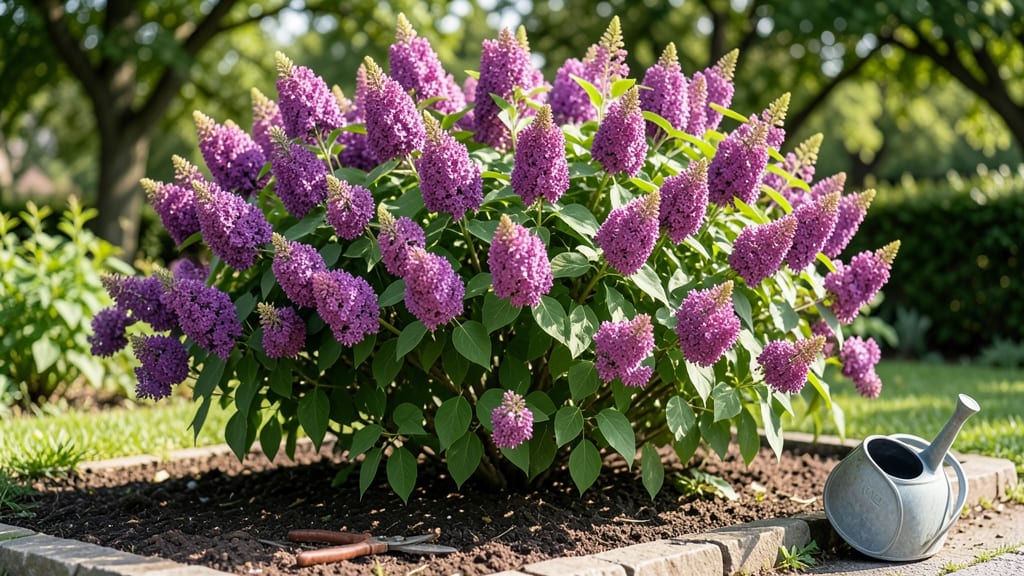
Your lilac bush blooms all summer when you prune it right—timing and technique make the difference. 🌿 I’ve watched lilacs go from one burst of spring flowers to months of fragrant blooms by adjusting when and how I cut back, and the secret isn’t complicated: it’s about encouraging new growth at the right time.
The biggest mistake? Pruning after the first flush of blooms or cutting into old wood. Lilacs bloom on last year’s growth, so aggressive pruning too late removes next season’s flowers.
Instead, prune immediately after blooming ends, removing only dead or crossing branches. This keeps the bush healthy and sets up a second flush of flowers by mid-summer.
With the right approach, you’ll see clusters of fragrant blooms appearing every 4-6 weeks, turning your yard into a sensory delight. The flowers stay vibrant longer, and the bush itself grows fuller, with fewer gaps where pests or diseases can take hold.
It’s not just about more blooms—it’s about better blooms.
This method works for both established lilacs and new plantings, though younger bushes may need a year to recover from initial pruning. The key is patience and consistency—once you adjust your timing, you’ll enjoy lilac fragrance from spring through summer’s end.
📚 In This Guide
- What you need
- Instructions
- Tips and common mistakes
- Wrapping up and next steps
What you need
- ● Lilac bush (French or common varieties recommended) – Ensure it’s healthy, 3–5 years old, and at least 4–6 feet tall.
- ● Pruning shears – Sharp, bypass-style shears (avoid anvil types to prevent crushing stems).
- ● Gloves – Heavy-duty garden gloves (lilac thorns are no joke!).
- ● Disinfectant (70% isopropyl alcohol or bleach solution) – 1 part bleach to 9 parts water for sterilizing tools.
- ● Rake or leaf blower – For clearing debris post-pruning.
- ○ Mulch (optional but helpful) – 2–3 inches of organic mulch (e.g., shredded bark or compost) to retain moisture.
- ● Pruning saw – For thicker branches (1+ inch diameter).
- ● Hose with nozzle – To clean tools and rinse off sap.
- ● Plant food (balanced 10-10-10 or rose fertilizer) – 1–2 tablespoons per square foot after pruning.
- ● Stakes or supports – If your bush is leggy or needs shaping.
- ○ Pruning sealant (optional) – For large cuts (though lilacs typically heal well without it).
Step-by-step guide to extending lilac blooms all summer
Here's how to transform your lilac bush into a fragrant summer showstopper with simple pruning techniques.
✂️ Step 1: Prune After the First Major Bloom
Use sharp, clean pruning shears to cut back one-third of the oldest stems right after the first big flush of flowers fades. This forces new growth from the base, which will produce a second (and sometimes third) set of blooms. Look for stems that are thicker than a pencil—these are the ones that need attention.
Make cuts just above a set of leaves or a bud that faces outward. This ensures the plant directs energy to new growth rather than sealing off old stems. I always prune on a dry morning when the plant is fully hydrated—this prevents stress and reduces sap bleeding.
☀️ Step 2: Thin Out Crowded Stems for Better Airflow
Remove any stems that are rubbing against each other or growing inward toward the center of the bush. These crowded stems compete for nutrients and light, weakening the plant's overall health and reducing bloom quality. You'll want to end up with 6-8 strong, outward-facing stems per bush.
Thinning also prevents fungal diseases by improving airflow. If you see any dead, diseased, or weak stems, cut those back to the base immediately. This keeps the plant focused on producing vibrant, healthy blooms rather than fighting off infections.
🌿 Step 3: Fertilize and Water Strategically
After pruning, apply a balanced, slow-release fertilizer (10-10-10 ratio) around the base of the plant. Lilacs thrive with moderate nutrition, so avoid over-fertilizing—this can lead to excessive leaf growth at the expense of flowers. Water deeply once a week during dry spells, ensuring the soil is moist 6 inches down.
Mulch the base with 2-3 inches of organic mulch (like shredded bark) to retain moisture and regulate soil temperature. Keep the mulch 3 inches away from the trunk to prevent rot. This step is crucial for encouraging strong root growth, which supports more abundant blooming.
⏰ Step 4: Deadhead and Monitor for Repeat Blooms
Once the first flush of blooms fades, deadhead spent flowers by cutting back to the first set of healthy leaves below the bloom. This redirects the plant's energy toward producing new flower buds rather than setting seed. Check your lilac every 2-3 weeks for new growth—you'll often see fresh buds forming within 4-6 weeks after pruning.
If your lilac produces a second set of blooms, let those flowers fully develop and enjoy their fragrance. After they fade, you can lightly trim back any leggy or overgrown stems to maintain the bush's shape. This final touch keeps your lilac looking tidy while encouraging a third, smaller flush of blooms in late summer.
Tips & tricks for extending lilac blooms all summer
Here's what nobody tells you about keeping your lilac bush blooming like a dream all season long.
The Timing Secret: That first pruning after the major bloom is non-negotiable—don't wait until the flowers completely fade! I've seen people miss this window and lose their second bloom entirely. Aim to prune within 3-5 days after the first big flush starts to drop. The plant needs that immediate signal to redirect energy downward for new growth.
Tool Tip: Your pruning shears make all the difference here. Use bypass pruners (not anvil-type) for clean cuts that heal faster. I sterilize my shears with rubbing alcohol between cuts to prevent spreading disease—especially important when working with multiple stems. Sharp tools also mean less crushing of the stems, which reduces stress on the plant.
Airflow Strategy: When thinning to 6-8 strong stems, think of it like opening windows in a stuffy room. That improved airflow isn't just about disease prevention—it actually helps the remaining stems develop stronger flower buds. If your lilac is in a shady spot, you might need to be more aggressive with thinning to compensate for reduced light exposure.
Fertilizer Wisdom: That 10-10-10 ratio is perfect, but timing matters just as much as the formula. Apply your fertilizer right after pruning when the plant is already focused on new growth. I've found that a second light application in early summer (around June) gives an extra boost for late-season blooms—just use half the recommended dose to avoid burning the roots.
Pro Tips for Lilac Bush Blooms All Summer
- Here's what nobody tells you about keeping your lilac bush blooming like a dream all season long.
- The Timing Secret: That first pruning after the major bloom is non-negotiable—don't wait until the flowers completely fade!
- Tool Tip: Your pruning shears make all the difference here.
Frequently asked questions
Got questions about keeping your lilac bush blooming all summer? Here are some of the most common ones—and their answers!
Why does my lilac bush only bloom once a year?
Most lilac varieties bloom in spring because they’re spring-flowering shrubs. To encourage reblooming, choose reblooming cultivars (like 'Miss Kim' or 'Bloomerang') and prune strategically after each flush of flowers. Over-pruning or cutting into old wood can also stunt blooms—so be gentle!
How do I make my lilac bush bloom longer?
Reblooming lilacs thrive with regular deadheading (removing spent blooms) and light pruning after each bloom cycle. Feed with a balanced fertilizer (10-10-10) in early spring and mid-summer, and ensure it gets 6+ hours of sunlight daily. Mulch around the base to retain moisture—consistency is key!
When is the best time to prune for continuous blooms?
Prune right after the first bloom fades (late spring) to encourage new growth. Then, trim again after the second flush (early summer). Avoid heavy pruning in fall or winter—this can remove next year’s flower buds. Never cut into old wood (gray/brown stems), as it won’t rebloom.
What if my lilac bush isn’t reblooming despite pruning?
Check these common culprits:
- Insufficient sunlight (move to sunnier spot if possible).
- Over-fertilizing with high nitrogen (stick to balanced 10-10-10).
- Dormant buds not forming (prune too late or too aggressively).
- Pests/disease (inspect for aphids, powdery mildew, or borers).
Can I grow lilacs in containers for summer-long blooms?
Yes! Dwarf varieties like 'Little Leaf' or 'Minnesota Sky' work well in large containers (15+ gallons) with well-draining soil. Use a slow-release fertilizer and repot every 2–3 years. Place in full sun and water consistently—containers dry out faster than garden beds. Move indoors before frost if in a cold climate.
Wrapping up and next steps
Transforming your lilac bush into a fragrant, all-summer bloomer is all about timing, technique, and a little TLC! By mastering pruning precision—like cutting back in late winter or early spring—you’ll encourage lush, repeat blooms and keep those sweet scents lingering.
Whether you’re a gardening pro or just starting out, every snip brings you closer to a garden that smells like summer all year long.
Ready to take the next step? Grab your pruners, mark your calendar, and watch your lilac bush reward you with season after season of beauty and fragrance. 🌸✨