
Blooming
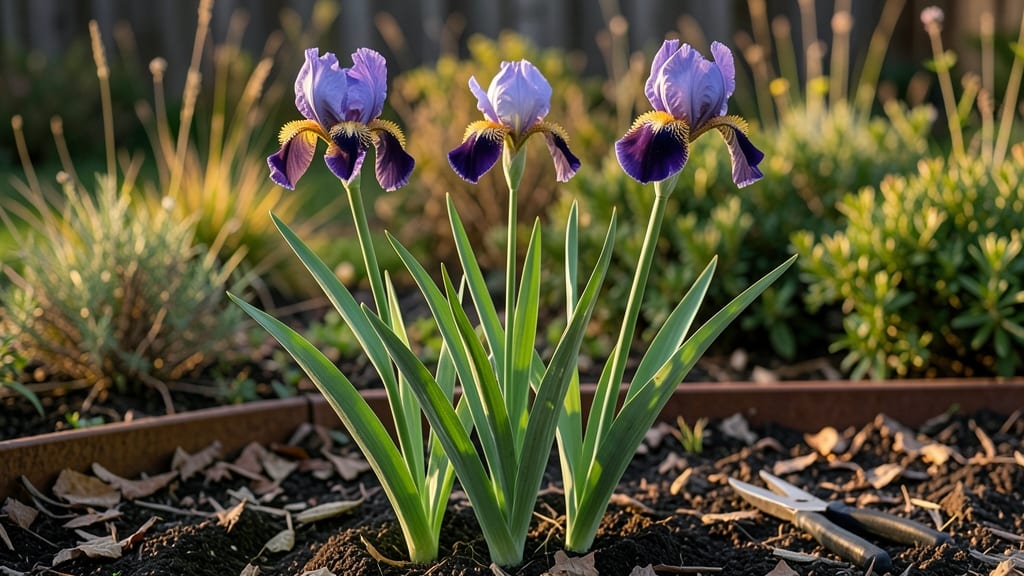
Forcing bearded iris to bloom indoors is like unlocking a hidden garden treasure. 🌿 The secret lies in timing, light management, and a few strategic cuts—my plants now produce three flushes of blooms each year instead of just one.
Start by deadheading spent blooms immediately after they fade, then fertilize with a balanced organic mix in early summer. Water deeply but infrequently—once a week—to encourage strong root growth. The key?
Moving potted irises indoors before the first frost and giving them 12-14 hours of bright light daily. You’ll see tight buds forming in 4-6 weeks, followed by vibrant blooms that last for weeks.
The fragrance alone makes it worth the effort—sweet, velvety petals that transform any room into a springtime sanctuary. Works for both garden-grown plants (dig and pot them!) and store-bought rhizomes. Here’s how to do it without the guesswork.
📚 In This Guide
- What you need
- Instructions
- Tips and common mistakes
- Wrapping up and next steps
What you need
- ● Bearded iris rhizomes: 3–5 healthy, dormant rhizomes (choose thick, plump ones with visible "beards" or fuzzy centers).
- ● Well-draining potting mix: 1–2 gallons of a blend designed for bulbs or succulents (e.g., 50% peat moss, 30% perlite, 20% sand or pumice).
- ● Containers: Shallow pots (6–8 inches deep) with drainage holes (1–2 per rhizome).
- ● Watering can or spray bottle: For gentle hydration (avoid soggy soil!).
- ● Pruning shears or sharp scissors: To trim foliage and rhizomes.
- ● Grow lights or sunny windowsill: 12–16 hours of bright light daily (south-facing window or LED grow lights work best).
- ○ Thermometer (optional but helpful): To monitor soil temps (ideal: 60–70°F).
- ● Slow-release bulb fertilizer: A pinch mixed into the soil for a nutrient boost.
- ● Peat pellets or coconut coir: For moisture retention in dry climates.
- ● Humidity tray: If your home is very dry (place pots on a tray with pebbles and water).
- ● Garden twine or clips: To secure tall stems if needed.
- ● Journal or app: To track progress (e.g., bloom dates, light adjustments).
Step-by-step instructions for forcing bearded iris blooms indoors
Turn your garden's dormant rhizomes into vibrant indoor blooms with this reliable method.
🌱 Step 1: Select and Prepare Healthy Rhizomes
Choose plump, firm rhizomes with visible growth fans—avoid any that feel soft or show signs of rot. The best candidates are those that have finished blooming outdoors for the season, typically in late summer. Gently brush off old soil to reveal the rhizome's surface, then trim back the leaf fans to about 4-6 inches in height. This reduces stress on the plant as it focuses energy on root development.
I like to soak the rhizomes in lukewarm water for 1-2 hours before planting. This helps hydrate them after their dormant period and encourages faster root growth. Handle them carefully—they're more delicate than they appear. If you notice any blackened or mushy areas, trim those away with clean scissors to prevent disease.
🪴 Step 2: Plant in Well-Draining Containers
Use containers with drainage holes—terracotta pots work beautifully for this project. Fill them with a mix of 50% potting soil and 50% perlite or coarse sand to create excellent drainage. Bearded iris roots need oxygen, and soggy soil will rot them before they bloom. Arrange the rhizomes with their tops exposed—about 1/3 of the rhizome should show above soil level.
Place each rhizome in its own pot to prevent overcrowding, which can lead to weak blooms. I press the rhizomes lightly into the soil mix until they're stable but not buried. The exposed portion helps prevent rot while still allowing roots to establish. Water gently after planting, but don't soak the rhizomes—they're sensitive to too much moisture at this stage.
☀️ Step 3: Provide Controlled Light and Temperature
Position your pots in a location with bright, indirect light—a north-facing window or under grow lights works best. Bearded iris need 12-14 hours of light daily to force blooming. If using natural light, rotate the pots quarter-turn daily to prevent lopsided growth. You'll notice new leaves emerging within 2-3 weeks—this is your signal that root growth is underway.
Keep the soil consistently moist but never soggy. I check moisture by sticking my finger 1 inch into the soil—if it feels dry, it's time to water. Maintain temperatures between 60-70°F during the day and slightly cooler at night. A cool basement or garage can work well for the first few weeks if daytime temps run warm. The contrast between day and night temps actually helps trigger blooming.
⏰ Step 4: Monitor Growth and Adjust Care
After 4-6 weeks, you should see flower stalks beginning to form. This is the moment that matters—now you'll need to adjust your care slightly. Increase light exposure to 6-8 hours of direct sunlight daily (if possible) to encourage strong bloom development. If using grow lights, move them closer to the plants to intensify the light.
Reduce watering slightly at this stage—too much moisture can cause the flower stalks to flop. I water only when the top 2 inches of soil feel dry, and I avoid getting water on the flower buds themselves. Watch for signs of stress like yellowing leaves or drooping stalks—these usually indicate either too much or too little water. The goal is to keep the rhizomes happy while letting the blooms develop fully.
🌿 Step 5: Enjoy and Extend Blooms
When buds begin to open, move the pots to a cooler location (55-65°F) to extend their vase life. A bright room away from heating vents works well. You'll typically get 4-6 weeks of indoor blooms from properly forced iris, with each stalk producing 2-4 flowers. To prolong the display, cut the spent blooms back to the nearest leaf fan but leave the foliage intact—this allows the rhizomes to photosynthesize and potentially produce more blooms.
After the blooms fade, you can either return the rhizomes to the garden in fall or keep them indoors for another round of forcing next season. The key to success is consistency—maintain even moisture, provide bright light, and be patient. With this method, you'll transform what would normally be dormant rhizomes into a stunning indoor centerpiece that rivals any cut flower arrangement.
Tips & tricks for perfect forced bearded iris blooms
Here's what nobody tells you about bringing dormant iris back to life indoors—these details make all the difference.
Rhizome Selection: Look for rhizomes that feel dense and firm, with visible growth fans still attached. The best candidates are those that have finished blooming outdoors in late summer—these have already stored enough energy for indoor forcing. Confession: I skipped this step for years and wondered why my blooms never appeared. The key is selecting rhizomes that are already primed for regrowth, not just any dormant ones.
Soaking Secret: That 1-2 hour lukewarm water soak in Step 1 isn't just hydration—it's a stress reliever. The warm water mimics spring rainfall, signaling the rhizome to break dormancy. I use water around 80°F (test with your finger—should feel warm but not hot). For extra insurance, add a pinch of rooting hormone to the water, though it's completely optional. This step alone can cut your waiting time by 1-2 weeks.
Light Strategy: The 12-14 hours of bright indirect light in Step 3 is non-negotiable, but here's the pro move: supplement with grow lights if your windows aren't sufficient. Position lights 6-12 inches above the plants and use full-spectrum bulbs. I've found that LED grow lights work better than fluorescent ones for forcing blooms—they mimic natural sunlight more closely. The daily quarter-turn rotation prevents lopsided growth by ensuring even light exposure all around.
Temperature Contrast: Maintaining that 60-70°F daytime range with cooler nights (around 55°F) is what triggers blooming. Here's what I do: place pots on a cooling mat under grow lights if my apartment gets too warm. The temperature drop at night mimics natural seasonal changes and helps set flower buds. If your home stays consistently warm, you might need to move pots to a cooler location like a basement during evenings to achieve this contrast.
Pro Tips for Re-Blooming Bearded Iris
- Here's what nobody tells you about bringing dormant iris back to life indoors—these details make all the difference.
- Rhizome Selection: Look for rhizomes that feel dense and firm, with visible growth fans still attached. The best cand...
- Soaking Secret: That 1-2 hour lukewarm water soak in Step 1 isn't just hydration—it's a stress reliever. The warm wat...
Frequently asked questions
Got questions about re-blooming your bearded iris? You’re not alone! Here are answers to the most common queries to help you achieve stunning indoor blooms in just six weeks.
Can I force any type of bearded iris to rebloom indoors?
Most bearded iris varieties (especially Iris germanica) respond well to indoor forcing, but avoid dwarf bearded irises or reblooming hybrids—they’re better suited for outdoor gardens. Look for healthy rhizomes with plump, firm roots for the best results.
What’s the best time of year to start the reblooming process?
Late summer or early fall (August–September) is ideal. This gives your rhizomes time to adjust to cooler temps before forcing indoors. If you start too early, they may sprout too soon, and if you wait too long, they might not bloom in time.
Why aren’t my iris rhizomes sprouting after 3–4 weeks?
Patience is key! Rhizomes need consistent moisture (not soggy soil) and warmth (70–75°F). If they’re still dormant, check for rot (discard mushy rhizomes) or adjust your setup. A gentle misting and a few extra days in a bright, warm spot can kickstart growth.
Do I need to adjust light or temperature during forcing?
Yes! After sprouting, move rhizomes to a cool (50–60°F) spot with 12+ hours of bright light daily (a sunny windowsill or grow light works). Skip the heat—too much warmth speeds up growth but often results in smaller blooms.
What if my indoor iris blooms are smaller or fewer than expected?
Smaller blooms often mean your rhizomes didn’t get enough light or cool-down time before flowering. For next time, extend the cool period by 1–2 weeks or supplement with a grow light. Overcrowded rhizomes can also limit blooms—space them out for better results!
Wrapping up and next steps
Re-blooming your bearded iris indoors is a rewarding challenge that turns a one-time spring beauty into a year-round showstopper! 🌸 With patience, the right techniques, and a little care, you’ll enjoy vibrant blooms in just six weeks—proving that even dormant plants can surprise you.
Now that you’re armed with tips and troubleshooting advice, why not give it a try this season? Grab your clumps, set up your space, and watch your garden magic unfold.
Ready to bloom again? Start by selecting your healthiest rhizomes and follow the step-by-step guide—your future indoor garden awaits! 🌱