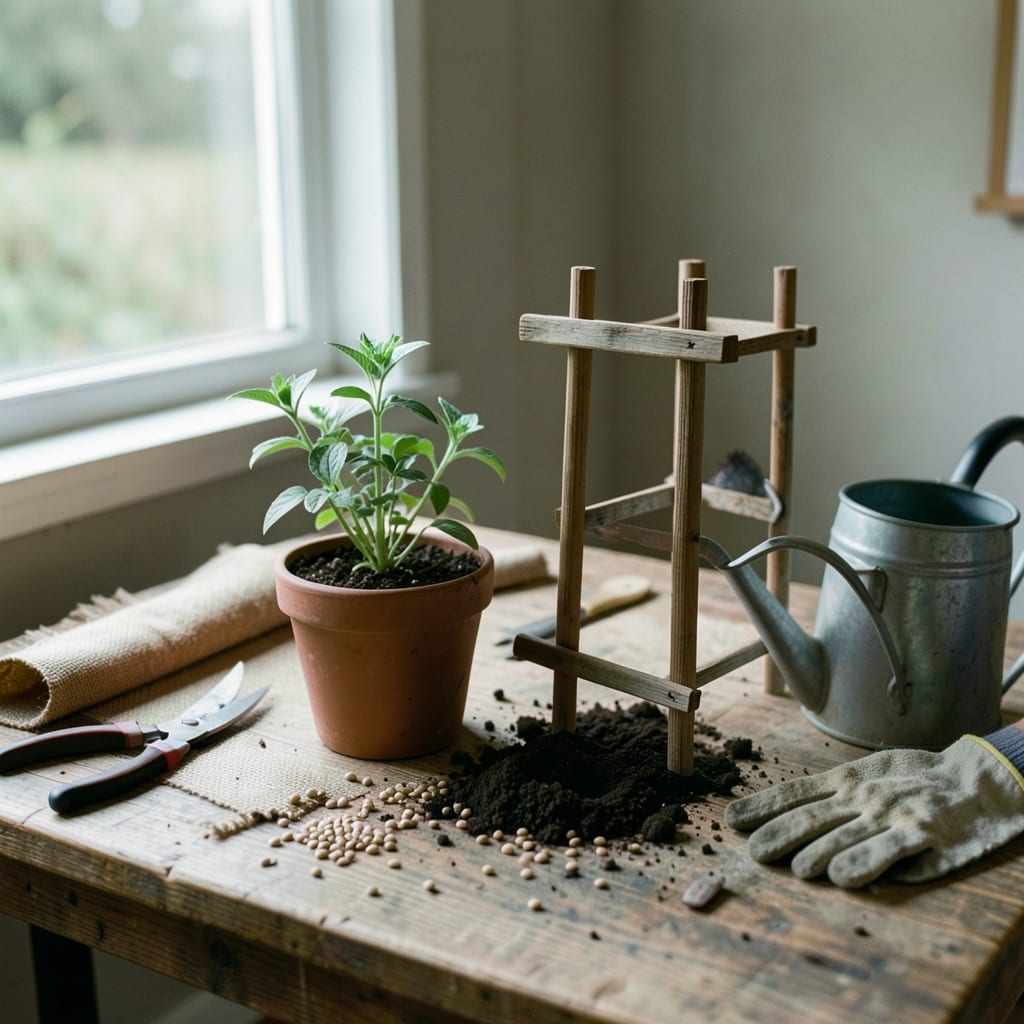
Why I started Blooomtones
I was twenty-five, knee-deep in a raised bed outside Chicago, when the first tomato plant I’d ever grown produced a single, misshapen fruit that split open in the rain. The neighbors called it a ‘blighted’ plant, but I saw it as a lesson—not a failure.
That’s when I realized gardening wasn’t just about what grew right; it was about what you learned from what didn’t. A few months later, I started scribbling notes in a waterlogged notebook about soil pH, seed-saving tricks, and the stubbornness of certain weeds.
This site is where those notes became something you could actually use.
Here, you’ll find the kind of gardening advice that doesn’t assume you’re starting from scratch—or that you live in a climate with four distinct seasons.
No fluff about ‘organic philosophies’ or ‘sustainable living.’ Just the hard-won lessons: which seeds to direct-sow and which to start indoors, how to tell if your compost is actually hot enough, and why your zucchini plants might be dying of love (yes, really).
It’s for the people who’ve already Googled ‘why are my basil leaves curling’ at 2 AM and still don’t have the answer.
Meet the founder

My grandfather taught me to garden with a rusted trowel and a mason jar full of rainwater. He’d say, ‘Plants don’t care about your grand plans—they care if you water them before noon.’ I was ten, and I took that as permission to ignore the seed-packet instructions.
That jar is still on my windowsill, though the trowel’s handle has split and the blade’s bent from digging up too many ‘volunteer’ tomatoes. The lesson stuck: gardening rewards the curious, not the perfectionists.
The first time I tried saving seeds, I ended up with a bag of half-shriveled beans and a lesson in humidity control.
My grandfather just laughed and said, ‘Next year, you’ll hang them in the attic.’ I did—and the following spring, I had enough heirloom beans to trade for a neighbor’s extra tomato starts.
That’s when I realized gardening wasn’t about the end result; it was about the swaps, the trades, and the way a single plant could feed a whole block.
I still check the soil moisture with my finger before I water, even when the app says it’s ‘dry.’ And I always save the ugliest fruit from the vine—because those are the ones that’ll produce the next year’s best tomatoes. Some habits die hard, especially when they’re rooted in dirt.
‘The best gardeners aren’t the ones with the neatest rows—they’re the ones who know when to let a bed go wild.’
My grandfather, after I weeded his ‘wildflower’ section into submission.
Meet the mascot

The mascot started as a doodle on a napkin during a rain delay at a county fair.
I’d just watched a vendor sell ‘heirloom’ seeds in packets that looked like they’d been reprinted from the 1970s, and I scribbled a plant with too many leaves and a face that looked perpetually confused.
The first version had six fingers on one hand and a pot that was clearly too small—like a lot of my early gardening decisions.
The proper drawn version (done on a borrowed tablet in a coffee shop) added the overgrown roots poking out of the pot and the seed packet clutched in its other hand.
I wanted it to look like someone who’d just realized their basil was bolting and was too stubborn to admit defeat. The coffee shop’s Wi-Fi cut out mid-draw, so the roots ended up lopsided, but that’s how it stayed—imperfect, like a garden in July.
The final version lost the confused face (too distracting at small sizes) and gained a single, determined leaf. Now it’s just a plant with a pot, a seed packet, and a root system that’s clearly plotting something.
I call it *Stubborn Sprout*, because that’s what gardening is: a never-ending negotiation between what you plant and what actually grows.
What I promise you
This site isn’t about pretty photos or aspirational gardening. It’s about the gritty, practical stuff—the kind of advice you won’t find in a magazine but will wish you’d known before your tomato plants wilted in a heatwave.
What you can hold me to
- Every soil mix, fertilizer ratio, and planting depth is tested at least twice—with real dirt, not just theory.
- If a method fails (and it always does, at least once), I’ll tell you why and what I’d do differently next time.
- No ‘plant in full sun’ without specifying whether that means 6+ hours or 8+ hours of direct light.
- The ‘Failed Experiments’ section isn’t a joke—it’s where I document what didn’t work so you don’t repeat the same mistakes.
How I create a gardening guide
Every guide starts with a question someone actually asked me—or a problem I solved in my own garden.
Last year, it was ‘Why won’t my peppers set fruit in August?’ This year, it’s ‘How do I keep rabbits out of my lettuce without poison?’ I don’t pull advice from books or forums unless I’ve tested it myself first.
If I haven’t grown it, pruned it, or cursed at it in my own plot, it doesn’t belong here.
Stage 1: the hands-on test
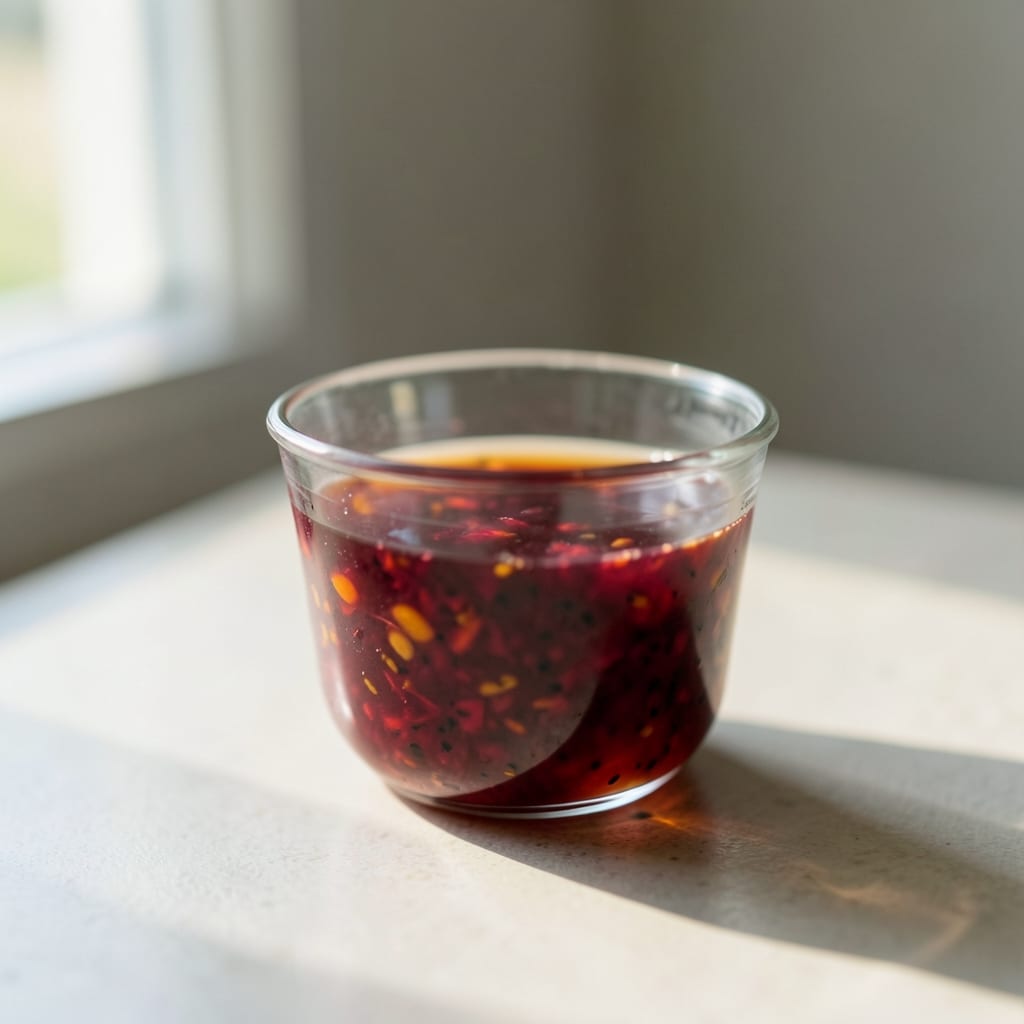
The first step is always getting my hands dirty.
If it’s a soil mix, I fill a pot, plant something finicky (like chili peppers), and water it like I would in real life—no ‘perfect’ conditions, just what happens when you’re juggling work, rain delays, and a cat who decides your seedlings are a scratching post.
I watch for wilting, yellowing leaves, or roots circling the pot edges. If the plants thrive in three weeks, the mix works. If not, I adjust the peat-to-perlite ratio and try again—until something grows.
Timing matters too. A ‘fast-draining’ mix might work in a greenhouse but turn to concrete in a clay pot under Chicago sun. I test everything in the same conditions I’d expect you to use: afternoon watering, no greenhouse, and a thermometer shoved into the dirt to track real temps.
If the soil stays soggy for more than 48 hours, it’s back to the drawing board. No shortcuts.
Stage 2: the fix-it phase
Once I know what’s wrong, I fix it—not with theory, but with physical adjustments. Too much clay? Add sand, then test again. Not enough sun? I move the pot to a south-facing window and track growth for a week.
If the fix doesn’t work the second time, I scrap it and start over. No ‘close enough.’ If your zucchini plants keep dying of powdery mildew in humid summers, the solution isn’t ‘spray fungicide’—it’s ‘plant them where they get afternoon shade’ or ‘mulch with straw, not wood chips.’
I keep a ‘mistake journal’ with photos of every failure. Last year’s entry for ‘overwatered basil’ included a pot with roots rotting in the bottom and a note: ‘Next time, use a saucer with drainage holes.’ Simple. Specific. No fluff.
How a page gets onto this site
After the testing, I write the guide while the dirt is still under my nails. I jot notes on a clipboard—soil pH, watering schedule, what I’d do differently next time—and then rewrite it on a computer, cutting anything that doesn’t answer the original question.
If a method fails in the real world (and it always does, at least once), I add a ‘What Went Wrong’ section. No sugarcoating. If your compost heap smells like vinegar, I’ll tell you exactly how to fix it—even if it means digging out the center and starting over.
Write to me
I love hearing about the plants that outsmarted you, the weeds that took over, or the one year your tomatoes actually ripened before the first frost. Send me photos of your ‘disaster’ beds—I’ll diagnose the problem and maybe even feature it in the ‘Failed Experiments’ section.
And if you’ve got a gardening myth you’re tired of hearing (like ‘coffee grounds lower pH’), tell me about it. The contact page is where to send your stories, questions, and the occasional rant about squirrels stealing your sunflower seeds.
Thanks for growing along with me.
The guides are grouped by category: Advice, Aphids, Blooming, Companion Plants, Container Gardens and Diseases.