
Blooming
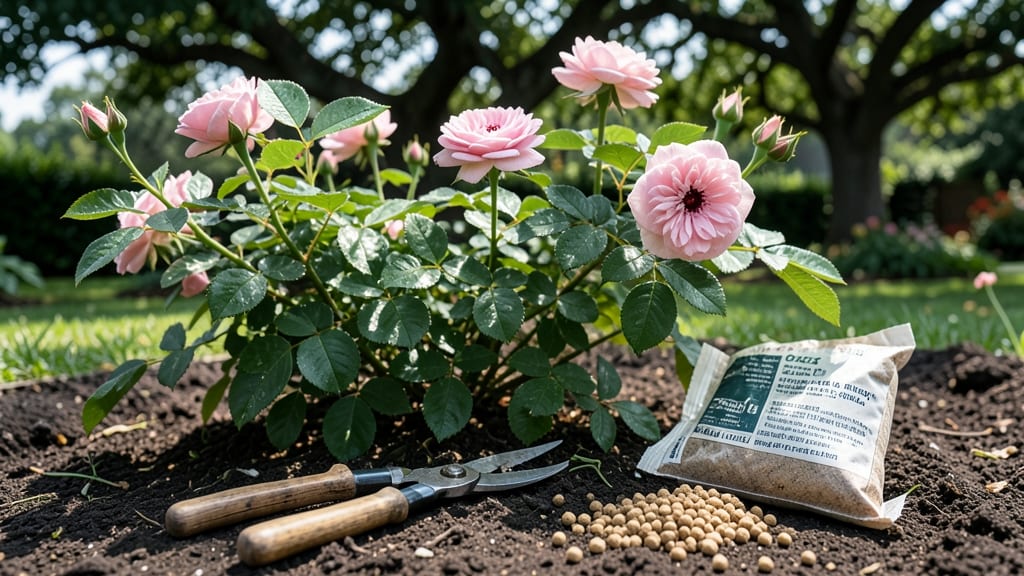
Learn how to keep a rose bush blooming nonstop by timing the pruning, feeding, and deadheading just right—no fancy tools required. ✂️ I’ve transformed my once-sparse bushes into a summer-long floral explosion using these three simple yet game-changing steps. or secret fertilizers.
The key is understanding when to cut back (late winter, before new growth), how often to feed (every 4-6 weeks with balanced fertilizer), and why deadheading spent blooms tricks the plant into producing more flowers.
Most gardeners overlook the timing—prune too early or too late, and you’ll stunt new growth or invite disease. By mid-summer, you’ll have clusters of blooms appearing every 6-8 weeks, with each stem producing 3-5 flowers instead of just one.
The fragrance alone makes the effort worth it, and your neighbors will be asking for your secret. This works for hybrid teas, floribundas, and even old garden roses—just adjust the pruning intensity based on the variety. Let’s get those bushes in full bloom mode!
📚 In This Guide
- What you need
- Instructions
- Tips and common mistakes
- Wrapping up and next steps
What you need
- ● Pruning shears or bypass pruners – Sharp, clean, and disinfected (1 pair)
- ● Hand pruners or loppers – For thicker stems (1 pair)
- ● Gloves (gardening or heavy-duty) – Protects hands from thorns and dirt (1 pair)
- ● Disinfectant (rubbing alcohol or bleach solution) – To sterilize tools between cuts (small bottle)
- ● Compost or well-aged manure – For enriching soil (5–10 gallons, depending on bush size)
- ● Balanced fertilizer (10-10-10 or rose-specific) – For feeding (1–2 lbs per bush)
- ○ Slow-release granules or organic fertilizer – Optional but great for steady nutrition (1 bag)
- ● Mulch (wood chips, straw, or pine bark) – Retains moisture and regulates temperature (2–3 inches layer)
- ● Watering can or hose with a gentle spray nozzle – For deep, even watering (1)
- ○ Stake or support (optional but helpful) – For climbing roses or weak stems (1–2 per bush)
- ● Rose food or bloom booster – Enhances flowering (1 bottle)
- ● Epsom salt (magnesium sulfate) – Improves green foliage (small bag)
- ● Pest control (neem oil or insecticidal soap) – For aphids or pests (1 spray bottle)
- ● Soil moisture meter – Ensures proper hydration (1)
- ● Garden journal or markers – Tracks pruning dates and growth (notebook or labels)
Step-by-Step instructions for pruning, feeding, and deadheading roses
Here’s the method I’ve used for years to keep my roses blooming like crazy—no fancy tools, just smart timing and care.
✂️ Step 1: Prune Correctly in Late Winter or Early Spring
Prune your roses when they’re still dormant, typically in late winter or early spring before new growth starts. This is the only time to do major pruning—any other time stresses the plant. I cut back one-third to half of last year’s growth, always making cuts just above an outward-facing bud or leaf node. This encourages new stems to grow outward, not inward.
Use clean, sharp pruners to avoid tearing the stems. If you’re dealing with a particularly thick branch, make a second cut slightly above the first to prevent the wood from splitting. After pruning, remove all the cuttings and dispose of them in the trash—never compost them, as they can harbor disease.
💧 Step 2: Feed with a Balanced Fertilizer After Pruning
Once you’ve pruned, your roses are ready for a feeding. I use a balanced rose fertilizer (like 10-10-10) or a slow-release granular fertilizer specifically made for roses. Apply it 2-3 weeks after pruning when new growth is just starting to appear. Follow the package instructions for dosage—usually, it’s about 1 tablespoon per foot of plant height spread evenly around the base.
Water the soil thoroughly after applying fertilizer to help it dissolve and reach the roots. Avoid getting fertilizer on the leaves, as it can cause burns. If you’re using organic options like compost or worm castings, mix them into the top 2-3 inches of soil instead of sprinkling them on top.
🌿 Step 3: Deadhead Regularly to Encourage More Blooms
Deadheading is the secret to nonstop blooms. As soon as a rose flower fades, pinch or cut off the spent bloom just above a set of five healthy leaves or a leaf node. This tells the plant to focus its energy on producing new buds instead of seeding. I do this every 2-3 days during peak blooming season—it only takes a minute but makes a huge difference.
Use clean pruners or even your fingers for small blooms. Avoid leaving stubs—always cut right above the leaf node. If you notice any yellowing or blackened leaves after deadheading, it’s a sign of disease, and you should treat the plant with a fungicide or remove the affected leaves immediately.
☀️ Step 4: Provide Consistent Water and Sun
Roses need at least 6 hours of direct sunlight daily and deep watering 1-2 times per week, depending on your climate. I water mine in the early morning to reduce evaporation and fungal risks. The soil should be moist 6 inches deep—if it’s dry at that depth, it’s time to water again. Mulch around the base with 2-3 inches of organic mulch (like shredded bark) to retain moisture and keep roots cool.
If your roses start dropping buds or blooms, they’re either not getting enough water or the temperature is too extreme. In hot climates, provide afternoon shade during peak summer months. In cold climates, protect them from late frosts with frost cloth if needed.
⏰ Step 5: Monitor and Adjust Through the Season
Check your roses weekly for pests like aphids, spider mites, or Japanese beetles. If you spot them early, treat with neem oil or insecticidal soap—these are gentle but effective. I also keep an eye out for powdery mildew, which looks like a white dust on leaves. If you see it, spray with a baking soda solution (1 tablespoon baking soda, 1 teaspoon dish soap, 1 gallon water) or a fungicide.
By mid-summer, give your roses a second feeding with a low-nitrogen, high-phosphorus fertilizer (like 5-10-10) to encourage more blooms. This is also a good time to trim any overgrown or leggy stems back to encourage bushier growth. With consistent care, your roses will keep blooming until the first frost!
Tips & tricks for perfect rose care
Real talk: The difference between a rose bush that looks like a wild tangle and one that bursts with color comes down to these simple but crucial details.
Timing is Everything: In Step 1, when you prune in late winter or early spring, look for the first signs of bud swelling on the canes—that's your cue. If you prune too early, you risk exposing the plant to cold damage. If you wait too late, you'll cut off potential blooms. I always prune on a dry day when temperatures are above freezing but before new growth appears. This timing ensures your rose has energy to focus on new growth rather than healing wounds.
Pruning Precision: When making those one-third to half cuts in Step 1, pay attention to the angle—cut at a 45-degree angle just above an outward-facing bud. This isn't just about aesthetics; it creates a natural water runoff path that prevents disease. I use a sharp pair of pruners and make clean cuts rather than tearing the stems. For thick branches, that second cut technique really prevents splitting—trust me, you'll notice the difference in how the plant heals.
Deadheading Discipline: In Step 3, when you're deadheading every 2-3 days, don't just cut the flower—look for that set of five healthy leaves or leaf node below the bloom. This is where new growth will emerge. I've seen people leave stubs, and it makes the plant look messy. Always cut right above that leaf node, and you'll get bushier, fuller growth. Pro tip: Use clean pruners or your fingers for small blooms to avoid spreading disease between cuts.
Watering Wisdom: The 6 hours of sunlight in Step 4 is non-negotiable, but watering is where most people slip up. I check moisture by sticking my finger 6 inches deep—if it's dry, that's when I water. The early morning timing is crucial because it gives the leaves time to dry before evening, reducing fungal risks. And that 2-3 inches of mulch? It's not just decoration—it keeps roots cool and conserves moisture better than any other trick I've tried.
Pro Tips for Keep A Rose Bush Blooming
- Real talk: The difference between a rose bush that looks like a wild tangle and one that bursts with color comes down to these simple but crucial details.
- Timing is Everything: In Step 1, when you prune in late winter or early spring, look for the first signs of bud swelling on the canes—that's your cue.
- Pruning Precision: When making those one-third to half cuts in Step 1, pay attention to the angle—cut at a 45-degree angle just above an outward-facing bud.
Frequently asked questions
Got questions about keeping your rose bush in full bloom?
You’re not alone! Here are some of the most common concerns—and practical solutions—to help you enjoy those stunning roses all season long.
Why is my rose bush only blooming once a year?
Most roses bloom seasonally unless they’re repeat-blooming varieties (like hybrid teas or floribundas). Even then, they need proper pruning and fertilizing to encourage multiple flushes. If it’s a once-blooming type (like a climber or shrub rose), enjoy the spectacular show and focus on overwintering for next year!
When should I deadhead roses for continuous blooms?
Deadhead right after a bloom fades—snip off the spent flower (and the first set of leaves below it) to redirect energy to new buds. For repeat bloomers, do this consistently every 2–3 weeks. Never wait until the flower turns brown or drops petals, or you’ll miss the prime window for regrowth. Pro tip: Use clean, sharp shears to avoid disease!
How often should I water a rose bush to keep it blooming?
Roses need 1–2 inches of water per week, either from rain or you. Deep watering (soaking the soil 6–8 inches down) 2–3 times a week is better than light, frequent sprinkles. Mulch (2–3 inches of organic matter) helps retain moisture and protects roots. Warning: Overwatering can cause root rot—always check soil moisture before watering!
What do I do if my rose bush gets black spot or powdery mildew?
Fungal diseases like black spot (dark spots) or powdery mildew (white dust) can kill blooms if untreated. Act fast:
- Prune infected leaves immediately (sterilize shears with rubbing alcohol).
- Apply fungicide (copper-based or neem oil) every 7–10 days.
- Improve air circulation by spacing plants 3–4 feet apart.
- Avoid overhead watering—water at the base instead.
For prevention, water in the morning and choose disease-resistant varieties (like ‘Knock Out’ roses).
Can I keep roses blooming in containers or small gardens?
Dwarf or patio roses (like ‘Bonica’ or ‘Playboy’) thrive in containers. Use a well-draining potting mix and a pot at least 12–18 inches deep. Feed with balanced fertilizer (10-10-10) every 4–6 weeks and deadhead regularly. Bonus: Containers warm up faster in spring, giving you an earlier bloom! Just ensure the pot has drainage holes to avoid root rot.
Wrapping up and next steps
Keeping your rose bush blooming year after year is all about consistent care—pruning for shape and health, feeding it the right nutrients, and never skipping deadheading. With patience and a little elbow grease, you’ll enjoy nonstop color that turns heads in your garden! 🌹
Ready to take it further? Experiment with varieties or try companion planting to attract pollinators—your rose bush (and your green thumb!) will thank you. Happy gardening!