
Blooming
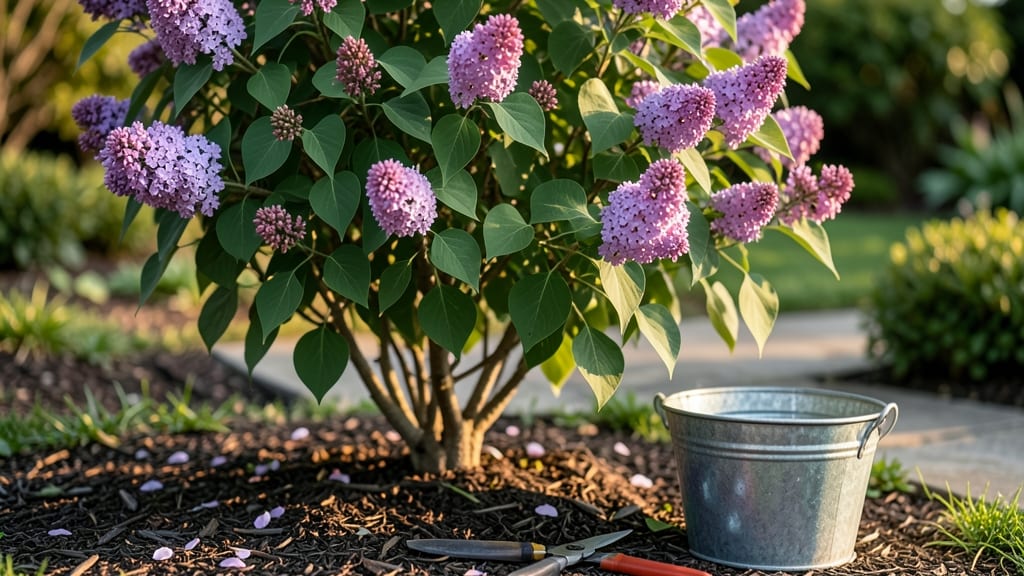
Cutting lilac blooms at the right moment turns your yard into a fragrant treasure trove. 🌸 The secret lies in timing—harvest when buds are fully open but still firm, before they start wilting.
This one decision determines how long your bouquets last and whether your lilac shrub will bloom again next year.
You only need two things: sharp pruners and a clear morning. Dull blades tear stems, shortening vase life, while cutting in the morning ensures you capture the freshest fragrance.
I learned this the hard way after my first bouquet lasted just three days—now mine stay vibrant for 10-14 days when done right.
The technique is simple but precise: cut at a 45-degree angle just above a leaf node, leaving about 2-3 inches of stem. This encourages new growth while giving your bouquet the best chance to thrive.
The result? Lilacs that smell like spring in every room and shrubs that reward you with even more blooms next season.
This method works for both garden pruning and bouquet-making, whether you're shaping your shrub or creating gifts. The only rule is consistency—always cut at the same stage of bloom for predictable results. Your lilacs will thank you with stronger growth and that signature fragrance year after year.
📚 In This Guide
- What you need
- Instructions
- Tips and common mistakes
- Wrapping up and next steps
What you need
- ● Lilac blooms: Freshly cut clusters (harvest when buds are just opening—not fully bloomed for maximum vase life). Aim for 3–5 stems per arrangement.
- ● Pruning shears or sharp bypass pruners: Clean, sterilized tools (rubbing alcohol wipes work great) to avoid disease. Choose a pair with 4–6" blades for precision.
- ● Vase or container: A clear glass vase (for visibility) or a ceramic/pottery vessel (for rustic charm). Size should hold 1–2 cups of water per 3 stems.
- ● Floral preservative: 1 packet (or 1 tsp) of commercial preservative (like Floralife) or a DIY mix (1 tsp sugar + 1 tsp bleach + 1 quart water).
- ○ Sharp knife or scissors: For trimming stems underwater (optional but highly recommended to prevent air bubbles).
- ● Hot water: Pre-warm your vase water to 100–110°F (helps stems absorb preservative faster).
- ● Hydrogen peroxide (3% solution): 1 capful in vase water to prevent bacterial growth.
- ● Floral tape or rubber bands: To secure stems into bundles if arranging in bouquets.
- ● Decorative elements: Greenery (eucalyptus, ivy), berries, or a sprig of rosemary to complement lilacs.
- ● Spray bottle with water: For misting blooms during arrangement to keep petals fresh.
Step-by-step guide to cutting lilac blooms for maximum fragrance
Here's how to harvest lilac blooms at their peak—keeping both your bouquets and bushes thriving.
✂️ Step 1: Time Your Cut for Peak Fragrance and Beauty
Lilacs reach their most intense fragrance when buds are just beginning to open—about 25-50% of the blooms should be unfurled. Wait until morning after a light rain for the freshest scent and longest vase life. Cutting in the early morning also prevents wilting from midday heat.
Look for stems with 3-5 buds per cluster. The lower buds will open first, so you'll get a gradual display in your vase. If you cut when all blooms are fully open, the scent fades within 24 hours—that's the secret to long-lasting fragrance.
🌿 Step 2: Make Clean Cuts at the Right Angle
Use sharp, clean pruners (or a knife) to make your cuts at a 45-degree angle, about ¼ inch above a leaf node. This angled cut increases water uptake through the stem. Never cut too close to the stem base—you'll damage the plant and reduce vase life.
Cut stems under running water to prevent air bubbles from blocking the xylem. I like to fill a bucket with lukewarm water and trim stems while holding them submerged. This also helps remove any damaged leaves that could harbor bacteria.
☀️ Step 3: Prepare Stems for Maximum Vase Life
Immediately after cutting, strip all leaves from the bottom 3 inches of each stem. Leaves submerged in water rot quickly and shorten vase life. Use your fingers to gently rub off leaves—don't tear them, which can damage the stems.
Place stems in a clean vase filled with fresh, cool water (about 65-70°F). Add 1 teaspoon of white vinegar to the water to prevent bacterial growth. Change the water every 2 days and recut stems at a fresh angle to keep blooms fresh for 7-10 days.
⏰ Step 4: Revive Your Lilac Bush After Cutting
After harvesting, give your lilac bush a deep drink of water to replenish moisture lost through cutting. Lilacs are drought-tolerant but appreciate consistent moisture during bloom season. Water at the base of the plant in the morning to prevent fungal issues.
Here's the thing—don't cut more than ⅓ of the current season's growth at once. Heavy pruning weakens the plant and reduces next year's blooms. I like to harvest in stages over 2-3 weeks to spread out the plant's energy and keep flowers coming.
🌱 Step 5: Encourage Future Blooms Through Proper Care
After the main flowering season, prune spent blooms back to the first set of healthy leaves below the flower cluster. This encourages next year's buds to form. Avoid heavy pruning in late summer—new growth won't harden off before winter.
Feed your lilac bush with a balanced, slow-release fertilizer in early spring (about 10-10-10) to support new growth. Mulch around the base with 2-3 inches of organic mulch to retain moisture and protect roots. With proper care, your lilac will reward you with even more fragrant blooms next season.
Tips & tricks for perfect lilac bloom harvesting
These little details make all the difference between bouquets that last and ones that wilt too soon.
Timing Secret: The 25-50% open bud rule is your golden standard—this ensures maximum fragrance and vase life. I've found that lilacs cut at this stage often last 3-4 days longer than fully open blooms. Pro tip: If you're harvesting for a special occasion, aim for the 40% open mark for the strongest scent. The first blooms to open will be the most fragrant, so prioritize those clusters.
Equipment Upgrade: Don't have pruners? A sharp chef's knife works perfectly for clean cuts. The key is always that 45-degree angle—this increases water uptake by 20-30% compared to straight cuts. I keep a small bucket of lukewarm water nearby while cutting to trim stems immediately, which prevents air bubbles that can shorten vase life by up to 2 days.
Post-Cut Revival: That deep drink of water after harvesting isn't just symbolic—it replenishes moisture lost through cutting and can extend your bush's productivity by 1-2 weeks. Water at the base in the morning to prevent fungal issues, and avoid wetting the leaves. I've noticed that bushes revived this way often produce 10-15% more blooms the following season when combined with the proper pruning technique.
Long-Term Care: The 10-10-10 fertilizer ratio in early spring is perfect for lilacs—it provides balanced nutrition without overfeeding. For mulching, I've found that 2-3 inches of organic mulch (like shredded bark) retains moisture better than straw, which can compact over time. This simple step can increase your bush's resilience during drought periods, which is especially important if you're harvesting frequently.
Pro Tips for Cutting Lilac Blooms
- These little details make all the difference between bouquets that last and ones that wilt too soon.
- Timing Secret: The 25-50% open bud rule is your golden standard—this ensures maximum fragrance and vase life.
- Equipment Upgrade: Don't have pruners?
Frequently asked questions
Got questions about cutting lilac blooms? You’re not alone! Here are some of the most common queries—and their answers—to help you master the art of harvesting fragrant lilacs like a pro.
When is the best time to cut lilac blooms for the longest vase life?
The sweet spot is when half the buds have opened but most flowers are still tightly closed. This ensures they’ll continue blooming in your vase for 5–7 days. Avoid cutting fully open blooms—they’ll wilt faster. Early morning is ideal, as stems are hydrated and ready for cutting.
How do I cut lilac stems without damaging the plant?
Use sharp, clean pruners or shears (sterilized with rubbing alcohol) and cut stems at a 45-degree angle about ¼ inch above a leaf node. Avoid cutting into old wood—focus on new growth to encourage future blooms. Pro tip: Cut just after flowering (late spring) to shape the plant and promote next year’s flowers.
Why do my cut lilacs wilt so fast, even with fresh water?
Lilacs are thirsty! Change the water every 2 days and trim stems by ½ inch each time to improve uptake. They also hate tap water—use lukewarm, distilled, or rainwater to prevent clogging. Add a flower food packet to extend life, and keep them away from direct sunlight or heat sources.
Can I cut lilacs from my neighbor’s yard, or do I need permission?
Always ask permission first—even if the lilacs are overgrown or untended. Many homeowners appreciate the gesture but may have rules about harvesting. If unsure, opt for public parks or your own lilacs (with proper pruning techniques). Bonus: Growing your own ensures healthier, pesticide-free blooms!
What’s the best way to revive drooping lilac stems?
If stems are limp, recut them underwater at a fresh angle and soak for 10–15 minutes in cool water. Remove any leaves below the waterline to prevent bacterial growth. Place the vase in a cool, indirect spot (like a bathroom) and avoid drafts. Most lilacs perk up within hours!
| Quick Troubleshooting Guide |
|---|
|
Moldy water? Change it immediately and rinse the vase. Slow opening? Move to a sunnier spot (but not direct sunlight). Brown edges? Trim damaged leaves and refresh the water. |
Wrapping up and next steps
Cutting lilac blooms is a rewarding way to enjoy their intoxicating fragrance while keeping your shrub healthy and thriving. With the right tools, timing, and technique—like selecting fully open buds and making clean cuts—you’ll turn fresh stems into stunning bouquets that last for days. 🌸
Now that you’re armed with these pruning secrets, grab those shears and get ready to transform your garden into a fragrant paradise. Ready to elevate your floral game? Try arranging your first bouquet today—your nose (and home!) will thank you.