
Blooming
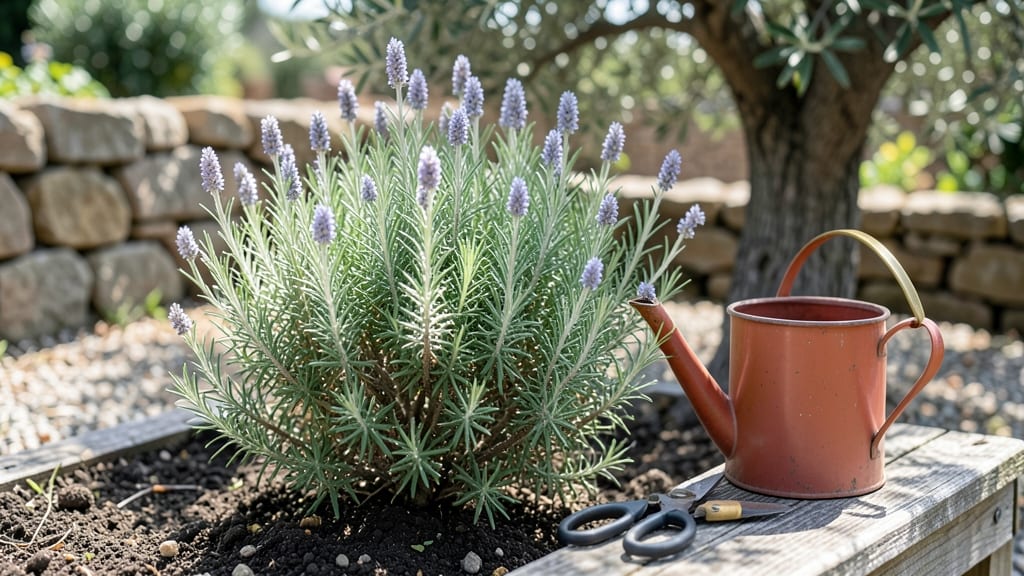
Learn how to get salvia to bloom again—those striking flower spikes vanish because of one of three common mistakes: pruning too late, starving the plant of nutrients, or letting it get too crowded.
I’ve nursed back more than a dozen salvias from "just foliage" to vibrant reblooms by fixing these exact issues. The fix starts with a sharp pair of pruners and a little patience.
Cut back one-third of the leggy stems right after flowering (never in fall or winter), then feed with balanced fertilizer every 4-6 weeks. Most salvias need 6+ hours of sun—if yours is in shade, move it now.
Container salvias often suffer from root-bound stress, so refresh the soil or repot if roots circle the edges. By late summer, you’ll see fresh buds forming at the stem tips.
The key is consistency: deadhead spent blooms to encourage more flowers, and water deeply but let the soil dry slightly between drinks. Overwatering is the silent bloom-killer—salvias hate soggy roots. Works for annual salvias (like Salvia splendens) and perennials (like Salvia nemorosa).
The first rebloom might take 6-8 weeks, but it’s worth the wait for those dramatic flower spikes. Let’s get those stems blooming again!
📚 In This Guide
- What you need
- Instructions
- Tips and common mistakes
- Wrapping up and next steps
What you need
- ● Pruning shears or sharp bypass pruners – Clean, sterilized, and sharp (avoid dull tools that crush stems).
- ● Gloves – Garden or work gloves (to protect hands from thorns or sap).
- ● Balanced, water-soluble fertilizer – 10-10-10 or 20-20-20 NPK ratio (follow label instructions for dilution).
- ○ Slow-release granular fertilizer – Optional but helpful (e.g., 14-14-14 or organic options like composted manure).
- ● Well-draining potting mix or soil amendment – For repotting if needed (add perlite or sand for improved drainage).
- ● Watering can or hose with a gentle spray nozzle – Avoid overhead watering to prevent fungal issues.
- ○ Mulch (optional but recommended) – Organic mulch like shredded bark or straw (2–3 inches thick to retain moisture).
- ● Support stakes or cages – For tall or leggy Salvia varieties (e.g., Salvia nemorosa or Salvia officinalis).
- ● Know your Salvia variety – Some (like Salvia leucantha) bloom on old wood, while others (e.g., Salvia splendens) prefer fresh growth.
- ● Check for pests/diseases – Inspect leaves for aphids, spider mites, or powdery mildew before pruning.
- ● Sunlight assessment – Ensure your plant gets 6+ hours of direct sun daily (most Salvia thrive in full sun).
- ● Watering routine – Allow soil to dry slightly between waterings (overwatering = root rot!).
How to get salvia to bloom again: Step-by-Step revival
Here’s the method I’ve used to coax salvia back into vibrant bloom year after year.
Prune Correctly After the First Bloom
Once your salvia finishes its first flush of flowers, cut back the stems by about one-third using clean, sharp pruners. This isn’t about removing everything—you’re encouraging new growth from lower buds, not sacrificing the plant’s energy reserves. If you’re dealing with woody stems, trim just above a leaf node where new shoots can emerge.
Here’s the thing—don’t prune too late in the season. If you wait until fall, you’ll stunt next year’s growth. Instead, prune right after the first bloom cycle, usually in late spring or early summer. This gives the plant time to recover and store energy for winter.
Feed with the Right Fertilizer
Salvia thrives on a balanced, slow-release fertilizer with a 10-10-10 or 20-20-20 ratio applied in early spring before new growth appears. I avoid high-nitrogen fertilizers—they promote leafy growth at the expense of flowers. Instead, use a low-nitrogen, phosphorus-rich formula to encourage blooming.
Apply fertilizer according to package instructions, but don’t overdo it. Too much can burn roots and stress the plant. After feeding, water deeply to help the nutrients penetrate the soil. You’ll see the difference in just a few weeks—healthier foliage and stronger stems ready for another round of blooms.
Ensure Proper Light and Water
Salvia needs full sun—at least 6 to 8 hours daily—to rebloom reliably. If your plant isn’t getting enough light, it’ll focus on survival rather than flowering. Move it to a sunnier spot if needed, or supplement with a grow light during shorter days.
Watering is just as critical. Keep the soil evenly moist but not soggy—salvia hates sitting in waterlogged conditions. Water deeply once a week in warm weather, then taper off in fall. The key is consistency: let the top 1-2 inches of soil dry out between waterings. Overwatering leads to root rot, which can kill the plant before it ever blooms again.
Deadhead Spent Blooms Regularly
Deadheading isn’t just about looks—it’s how you trick salvia into producing more flowers. As soon as blooms fade, pinch or snip off the spent flower heads with your fingers or pruners. This removes the plant’s signal to stop flowering and encourages it to redirect energy into new buds.
I deadhead every 2-3 days during peak bloom season. It’s a small task that pays off big—your salvia will keep producing flowers for weeks longer than if you left them unattended. Just be gentle; avoid damaging the stems or leaves.
Winter Care for Next Year’s Blooms
In fall, reduce watering and stop fertilizing entirely. Let the plant enter dormancy naturally—this is when it stores energy for next year’s growth. If you’re in a cold climate, mulch around the base with 2-3 inches of organic mulch to protect roots from freezing temperatures.
Don’t prune again until spring. Waiting until early spring (just as new growth begins) ensures the plant isn’t stressed by late-season cuts. With the right winter care, your salvia will bounce back stronger and bloom even more spectacularly next season.
Tips & tricks for reviving salvia blooms
These simple yet effective strategies will help you coax your salvia back to life and keep it blooming beautifully.
Pruning Precision: When you cut back those stems by one-third in Step 1, focus on removing the oldest, most woody growth first. This creates space for new shoots to emerge from lower nodes. I always use clean, sharp pruners to avoid crushing stems—dull blades can damage the plant and invite disease. For woody stems, look for the leaf node just below where the stem starts to thicken; this is where your new growth will sprout. Remember, the goal is to encourage fresh growth, not to defoliate the plant.
Fertilizer Timing and Type: In Step 2, timing matters more than you might think. Apply that balanced 10-10-10 or 20-20-20 fertilizer in early spring when you see the first signs of new growth—tiny leaves pushing through the soil. The key is to avoid high-nitrogen fertilizers, which will make your salvia grow lush leaves but few flowers. Instead, opt for a phosphorus-rich formula to push blooming. I’ve found that a second light feeding in late spring, just before the first bloom cycle, gives an extra boost without overloading the plant.
Light and Water Consistency: Salvia’s need for full sun (6-8 hours) in Step 3 can’t be overstated—this is non-negotiable for reblooming. If your plant isn’t getting enough light, it will focus all its energy on survival rather than producing flowers. For watering, I’ve learned the hard way that consistency is everything. Let that top 1-2 inches of soil dry out between waterings, but don’t let it get bone-dry. In warm weather, I water deeply once a week, but I always check the soil first with my finger. If it’s still damp, I wait another day or two. Overwatering is the silent killer of salvia plants.
Deadheading Discipline: The 2-3 day deadheading schedule in Step 4 might seem frequent, but it’s worth it. I’ve seen salvia plants that were deadheaded daily continue blooming for months, while neglected ones petered out after just a few weeks. Use your fingers to pinch off spent blooms—no need for pruners unless the stems are particularly tough. The goal is to remove the entire flower head down to the first set of healthy leaves. This might seem tedious, but think of it as a conversation with your plant: you’re telling it, “Keep going—there’s more to come!”
Pro Tips for Get Salvia To Bloom Again
- These simple yet effective strategies will help you coax your salvia back to life and keep it blooming beautifully.
- Pruning Precision: When you cut back those stems by one-third in Step 1, focus on removing the oldest, most woody gro...
- Fertilizer Timing and Type: In Step 2, timing matters more than you might think. Apply that balanced 10-10-10 or 20-2...
Frequently asked questions
Got questions about reviving your salvia’s blooms? You’re not alone!
Here are some of the most common concerns—and quick fixes—to keep your salvia thriving and flowering like a pro.
Why won’t my salvia bloom even after pruning and fertilizing?
If your salvia is still stubborn, check its light exposure—it needs 6+ hours of full sun daily. Overwatering or poor drainage can also stress the plant, stalling blooms. Try repotting in well-draining soil and trimming back any leggy growth to encourage new, vigorous shoots.
How long does it take for salvia to rebloom after pruning?
Patience is key! With ideal conditions (sun, water, and nutrients), you’ll often see new buds in 6–8 weeks. Prune in early spring or right after flowering to give the plant time to recover before the next bloom cycle. Pro tip: Deadhead spent flowers to redirect energy to fresh blooms!
Can I use regular garden soil to revive my salvia?
Not ideal! Salvia thrives in fast-draining, sandy or gritty soil mixed with compost. Regular garden soil retains too much moisture, risking root rot. Amend it with perlite or coarse sand (50/50 mix) to mimic its native, well-drained habitat.
What if my salvia blooms but then dies back completely?
This is normal for perennial salvias (like Salvia nemorosa or Salvia officinalis), which go dormant in winter. Focus on spring care: trim dead stems, fertilize lightly, and water moderately. Annual salvias (like Salvia splendens) may need replanting yearly for consistent blooms.
Are there alternatives if my salvia refuses to rebloom?
Try companion plants that attract pollinators, like lavender, catmint, or bee balm, to boost your garden’s vibrancy. For salvia-specific fixes, consider dividing mature clumps every 3–4 years to rejuvenate growth—or opt for self-cleaning varieties (like Salvia ‘May Night’) that bloom nonstop with minimal effort!
Wrapping up and next steps
Reviving your salvia’s blooms is all about patience, consistency, and a little extra care—just like nurturing a favorite plant back to health! 🌿 Whether it’s pruning wisely, feeding the right nutrients, or adjusting light and water, these steps will help your salvia thrive and reward you with stunning, repeat blooms.
Now that you’re armed with the know-how, grab your shears and get ready to watch your garden come alive again!
Next up: Head outdoors and give your salvia the TLC it deserves—your future blooms will thank you! 🌸