
Pruning
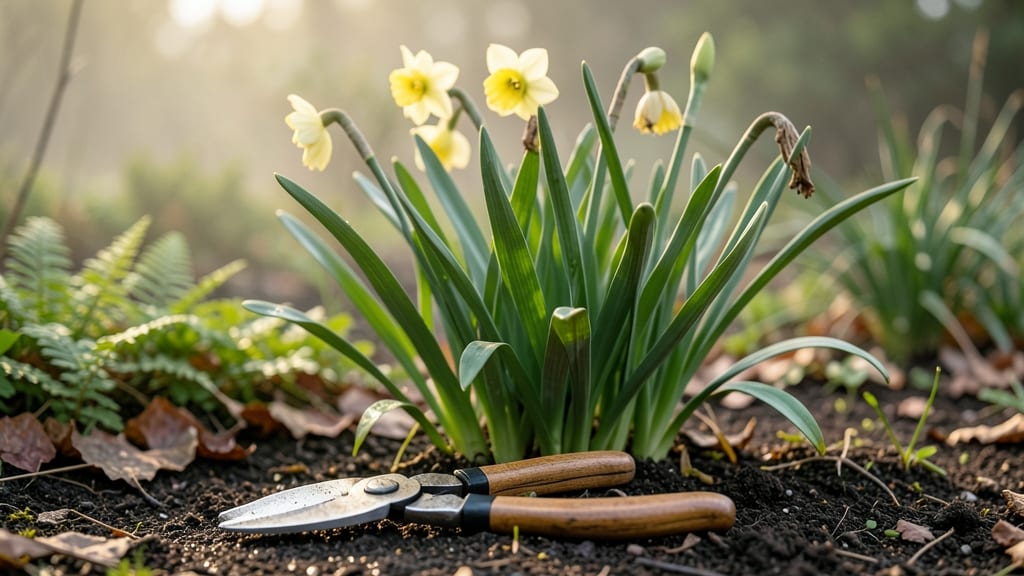
Cutting back daffodils after they bloom isn't just optional—it's the secret to next year's showstopper display. ✂️ I used to snip those yellow trumpets the second they faded, only to watch my blooms dwindle over time. Turns out, the foliage is what fuels the bulb for another round of glory.
The key is patience—leave those strappy leaves alone until they turn completely brown and crispy, usually 6-8 weeks after blooming. This gives the bulb time to store up energy for next spring's performance.
Most gardeners make the mistake of cutting too soon, starving their daffodils before they've had a chance to recharge.
When you finally do trim, cut the foliage back to about 2 inches above the ground. This keeps the bulb's energy reserves intact while giving your garden a tidy look. The result? Stronger stems, bigger blooms, and daffodils that multiply faster than weeds in your lawn.
This trick works for all daffodil varieties—from classic yellows to double blooms—and even applies to other spring bulbs like tulips and hyacinths. Give it a try this season, and you'll be rewarded with a front-row seat to next year's spring parade.
📚 In This Guide
- What you need
- Instructions
- Tips and common mistakes
- Wrapping up and next steps
What you need
- ● Pruning shears or sharp bypass pruners – Choose clean, sterilized tools (7–10" blades work best for precision).
- ● Garden gloves – A pair of nitrile-coated gloves (size medium/large) to protect from thorns or sap.
- ● Disinfectant (70% isopropyl alcohol or bleach solution) – 1 part bleach to 9 parts water (for sterilizing tools).
- ○ Garden twine or plant ties (optional but helpful) – 10–15 feet of biodegradable twine (¼" width) to bundle foliage if needed.
- ● Compost bin or mulch – A 5-gallon bucket or designated area to collect cuttings.
- ● Hand pruners (smaller, 5–6") – For tight spaces or delicate stems.
- ● Knee pad or cushion – If you’re kneeling for extended periods.
- ● Plant food (balanced 10-10-10 or bulb-specific fertilizer) – 1–2 tbsp per plant after pruning to boost regrowth.
- ● Label markers – If you’re tracking varieties or first-year blooms.
When and how to cut back daffodils after blooming
Here’s the simple timing trick that keeps your daffodils thriving year after year.
🌱 Step 1: Wait Until Flowers Fully Fade
Don’t cut anything until the flower stalks turn completely brown and crispy. This process—called seed formation—takes about 6-8 weeks after blooming. The plant is storing energy in the bulbs for next year’s flowers, so cutting too soon starves those reserves.
I know it’s tempting to tidy up right after the blooms drop, but resist! You’ll see the stalks dry out naturally—when they snap easily at the base, that’s your cue. This is especially critical for newly planted bulbs, which need that full cycle to establish strong roots.
✂️ Step 2: Cut Stems at the Right Height
Use clean, sharp pruners to snip the flower stalks 1-2 inches above the base, where the green foliage meets the stem. Never cut into the bulb itself—this risks infection and weakens next year’s blooms. The remaining foliage will continue photosynthesizing until it yellows naturally.
Here’s the thing—if you cut too low, you might damage the bulb’s growing point. I’ve made this mistake before, and my daffodils took two seasons to recover. The 1-2 inch rule gives you a safety margin while still allowing the foliage to finish its job.
🌿 Step 3: Leave Foliage Until It Turns Yellow
After cutting the flower stalks, let the green leaves stay until they yellow completely—usually another 6-8 weeks. This is when the bulb is actively feeding nutrients back into storage. You’ll notice the leaves start curling and losing their vibrant color; that’s your signal to remove them.
I pull the dead foliage by hand rather than cutting it, which prevents disturbing the soil around the bulb. If you’re impatient and remove leaves too soon, your daffodils may skip blooming next year. Think of it as the plant’s final paycheck—it’s earning its keep until the very end.
💧 Step 4: Water and Fertilize for Next Season
Once the foliage is fully yellow and crispy, you can remove it completely. At this point, give the area a deep watering to replenish moisture in the soil, then apply a balanced bulb fertilizer (like 10-10-10) to encourage strong bulb development for next spring.
This is also the perfect time to mulch lightly with 2-3 inches of compost or shredded leaves to protect the bulbs over winter. I’ve found that daffodils bloomed earlier and more vigorously after this step—it’s like giving them a little insurance policy for next year’s show.
Tips & tricks for perfect daffodil Care after blooming
Real talk: I’ve watched daffodils fade into nothing because of one simple mistake—cutting too soon. Here’s what nobody tells you about keeping these perennials thriving.
Timing Secret: The 6-8 week rule isn’t just about waiting—it’s about watching. After those flower stalks turn completely brown and crispy (Step 1), test their readiness by gently bending them. When they snap cleanly at the base, that’s your exact moment to cut. I’ve seen gardeners miss this cue and end up with half-starved bulbs that barely bloom the next season.
Precision Cutting: That 1-2 inch rule in Step 2 isn’t arbitrary—it’s about protecting the bulb’s growing point while still allowing the foliage to photosynthesize. Use clean pruners and make a sharp cut at that precise height. I’ve made the mistake of cutting too low, and my daffodils took two full seasons to recover. The key is patience—this small margin makes all the difference for next year’s flowers.
Foliage Strategy: The second 6-8 week period (Step 3) is just as critical as the first. Those yellowing leaves are the plant’s way of storing energy for next spring. I’ve noticed that daffodils I’ve left to fully yellow always produce more blooms than those I cut back early. The visual cue is simple: when the leaves start curling and losing their vibrant green color, that’s your signal to remove them completely.
Post-Cutting Care: After removing the dead foliage (Step 4), don’t forget the deep watering and fertilizer application. I’ve found that adding a balanced 10-10-10 fertilizer at this stage gives my daffodils that extra boost for their next performance. The mulch layer helps protect the bulbs through winter, almost like giving them a cozy blanket. This final step is what turns good daffodils into spectacular ones.
Pro Tips for Do You Cut Back Daffodils After They Bloom
- Real talk: I’ve watched daffodils fade into nothing because of one simple mistake—cutting too soon. Here’s what nobod...
- Timing Secret: The 6-8 week rule isn’t just about waiting—it’s about watching. After those flower stalks turn complet...
- Precision Cutting: That 1-2 inch rule in Step 2 isn’t arbitrary—it’s about protecting the bulb’s growing point while ...
Frequently asked questions
Got questions about when (or if!) to trim your daffodils? You’re not alone—these cheerful blooms spark plenty of curiosity. Here are the answers to the most common queries, so you can keep your garden thriving with confidence.
When is the best time to cut back daffodils after they bloom?
Wait until the foliage turns yellow and begins to wither—usually 6–8 weeks after blooming. Cutting too soon robs the plant of energy for next year’s flowers. For spring-blooming varieties, this typically falls in late spring or early summer. Pro tip: Never cut below the base; leave at least half the leaves intact!
What happens if I don’t cut back daffodils at all?
Nothing disastrous! Daffodils are hardy and can survive without pruning, but you’ll likely see fewer or smaller blooms the following year. Dead foliage can also harbor pests or diseases. If you’re lazy (or busy), just let nature take its course—but your garden will thank you for a little TLC!
Should I cut the flower stems or leave them for seeds?
For most gardeners, removing spent flower stems (once blooms fade) is best—it keeps the plant focused on leaf growth, not seed production. If you love wildlife, though, leaving a few stems can attract birds and bees. Just snip them back after the leaves yellow naturally.
Can I cut daffodil leaves too early for a “neat” look?
Absolutely not—this is a common mistake! Daffodils store energy in their leaves to fuel next year’s blooms. Cutting early weakens the bulb, and you might end up with no flowers at all the following spring. Be patient; the yellowing leaves signal it’s safe to prune!
What if my daffodils bloom but never grow leaves?
This usually means the bulb is stressed or diseased. Check for pests (like aphids) or rot (soft, mushy bulbs). If the bulb is healthy but just lazy, try dividing clumps every 3–5 years to encourage new growth. Bonus tip: Plant in well-draining soil and full sun for happier daffodils!
Wrapping up and next steps
So, do you cut back daffodils after they bloom? The answer is yes—but timing and technique matter! 🌱 By removing spent foliage at the right moment, you’ll encourage healthier blooms next season while keeping your garden tidy.
Whether you’re a first-time gardener or a seasoned pro, this simple step makes all the difference.
Ready to give it a try? Grab your pruners, mark your calendar, and watch your daffodils thrive! Happy gardening—your future spring blooms will thank you! 🌸