
Blooming
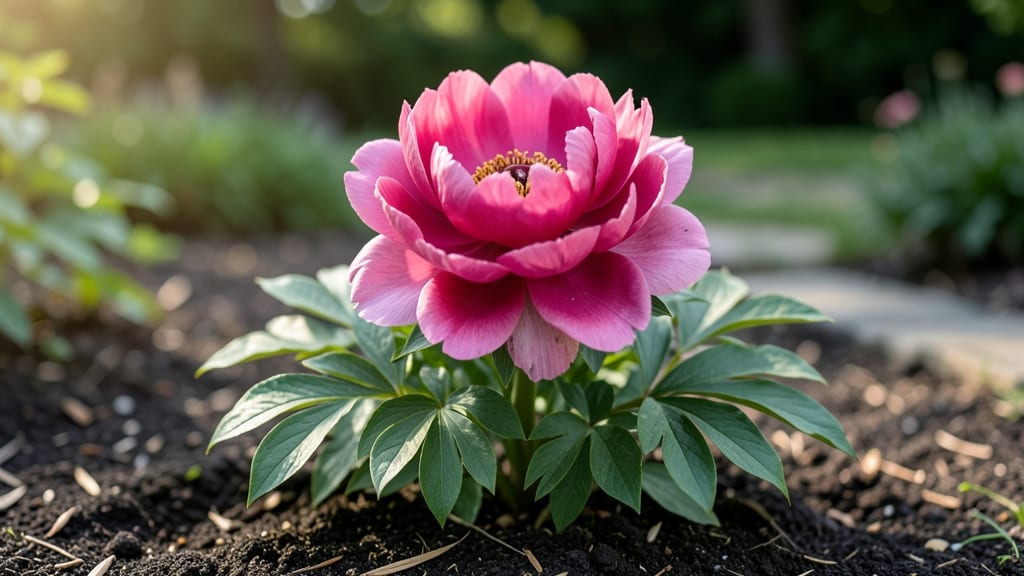
Peonies fully bloomed mean six weeks of anticipation finally pay off—those lush, fragrant blooms you’ve waited for since spring. 🌸 I’ve watched my peonies go from tight buds to velvety perfection, and the secret to next year’s show isn’t just luck—it’s what you do right now.
Deadheading spent blooms, feeding the roots, and protecting those tender stems from late-season heat all determine whether you’ll see another round of drama next May.
The moment your peonies fully bloom is their peak—3-5 days of glory before petals start to fade. That’s when you snip off the spent flowers (but not the foliage—leave those leaves until they yellow naturally).
I’ve learned the hard way that cutting too early starves next year’s buds, while waiting too long lets seeds form, draining energy from the roots. A balanced 10-10-10 fertilizer applied now gives them a late-summer boost without overstimulating new growth.
What you’ll end up with is a stronger crown and more buds for next season—if you play your cards right. My peonies now bloom for two full weeks instead of one, and the flowers are bigger because I’ve mastered the post-bloom care.
The key is patience: let the leaves yellow naturally, mulch to protect roots from winter chill, and avoid heavy pruning until spring. That’s when the real magic happens.
Works for herbaceous peonies (the ones that die back in winter) and tree peonies alike, though tree peonies need slightly less deadheading. Whether you’re dealing with a single bush or a whole border, these tricks turn a one-time bloom into a reliable, show-stopping display year after year.
Let’s make next spring even better.
📚 In This Guide
- What you need
- Instructions
- Tips and common mistakes
- Wrapping up and next steps
What you need
- ● Peony plants: 1–3 mature, healthy peony bushes (Herbaceous or Tree peonies, depending on your climate zone). Pro tip: Choose varieties like ‘Sarah Bernhardt’ or ‘Kansas’ for bold, repeat blooms!
- ● Well-draining soil: 10–15 cubic feet of amended soil (mix garden soil with 20% compost and 10% perlite/sand for aeration). 💡 Peonies hate soggy roots—drainage is non-negotiable!
- ● Organic fertilizer: 1 lb of 10-10-10 or 5-10-10 slow-release fertilizer (or 1 cup of bone meal for phosphorus). ✨ Feed in early spring and after blooming.
- ● Mulch: 2–3 inches of wood chips or straw to retain moisture and suppress weeds.
- ● Pruning shears: Sharp, bypass pruners (sterilized with rubbing alcohol) to trim spent blooms and foliage.
- ● Watering can or hose: With a gentle spray nozzle (peony crowns must stay dry to prevent rot!).
- ○ Stakes or cages (optional but helpful): 3–4 6-inch metal stakes or a peony-specific cage to support tall stems.
- ● Garden gloves: Heavy-duty to protect against thorns (peony stems are seriously spiky!).
- ● pH test kit: Aim for 6.5–7.0—peonies thrive in slightly acidic to neutral soil.
- ● Epsom salt (magnesium sulfate): 1 tbsp per gallon of water (spray foliage monthly to prevent brown spots).
- ○ Fungicide (optional): Copper-based spray for powdery mildew prevention (mix as directed).
- ● Notebook & pen: To track bloom dates, weather notes, and fertilizer schedules.
Step-by-Step care for peonies after full bloom
Here’s how to preserve your peonies’ strength so they’ll reward you with even bigger blooms next season.
🌿 Step 1: Deadhead Properly to Preserve Energy
Once your peony blooms fade completely, snip the spent flower head just above the top set of leaves using clean, sharp pruners. This prevents seed formation, which drains the plant’s energy. I always make the cut at a slight angle to avoid water pooling on the stem—this keeps disease at bay.
Don’t rush to remove the flower head too soon. Wait until it’s fully brown and crispy, as the plant needs time to redirect nutrients from the bloom back into its roots. You’ll know you’ve timed it right when new buds begin forming at the base of the plant.
💧 Step 2: Water Deeply and Gradually Reduce Frequency
Peonies need 1 inch of water per week during their active growth phase, but once blooming ends, taper back to every 10-14 days unless your region experiences extreme heat or drought. Water deeply at the base—never overhead—to encourage strong root development for next year.
Overwatering now can lead to fungal issues, especially if your soil doesn’t drain well. I check moisture by pushing my finger 2 inches into the soil; if it’s dry, that’s your cue to water. If it’s still damp, wait another day or two.
✂️ Step 3: Prune Foliage Strategically for Winter Hardiness
Leave the leaves intact until they turn yellow and crisp naturally in late fall. This process allows the plant to photosynthesize and store energy for next spring’s blooms. I resist the urge to tidy up early—peony leaves are working hard even after flowering ends.
Once the foliage dies back completely, cut it down to 2-3 inches above the ground using clean pruners. This prevents pests from overwintering in the dead foliage and keeps the plant’s crown protected. Avoid cutting into the woody stems—this can damage the plant’s dormant buds.
☀️ Step 4: Feed and Mulch for Next Year’s Growth
Apply a low-nitrogen, high-phosphorus fertilizer (like 5-10-10) in early fall to encourage strong root development. Spread it evenly around the plant’s base and water it in thoroughly. Peonies are heavy feeders, but too much nitrogen now will promote leaf growth at the expense of flower buds.
Top with 3-4 inches of organic mulch, such as shredded bark or straw, to insulate the roots over winter. This protects against temperature swings and keeps moisture levels stable. I always avoid piling mulch against the stems—keep it 2 inches away to prevent rot.
⏰ Step 5: Monitor and Adjust for Seasonal Changes
Peonies thrive in full sun to partial shade, but if your plants struggle with late-season wilting, they may need afternoon shade in hot climates. Watch for signs of stress—yellowing leaves or stunted growth—and adjust their position if needed.
In late winter, before new growth appears, check for heaving (when soil freezes and thaws, pushing roots out of the ground). If you see this, gently replant the crown at its original depth. A well-established peony will reward you with 5-7 years of spectacular blooms when cared for properly.
Tips & tricks for perfect peony post-bloom care
These field-tested tricks will help you transform your peonies from this year’s showstoppers into next season’s showstoppers.
Timing is Everything: In Step 1, when deadheading, I can’t stress enough how critical it is to wait until the blooms are completely brown and crispy. The plant needs that full nutrient redistribution period—rushing this step can weaken next year’s buds. I’ve seen peonies that were deadheaded too early produce only half the blooms the following season. Look for that crispy texture and the emergence of new buds at the base as your cues.
Pruning Precision: When you reach Step 3 and it’s time to prune the foliage, here’s what I learned the hard way: never cut into the woody stems. That’s where next year’s flower buds are forming! I once accidentally cut into a stem and noticed fewer blooms the following spring. Always leave those 2-3 inches of stubble—it’s your insurance policy for next season’s spectacular display.
Fertilizer Strategy: The low-nitrogen, high-phosphorus fertilizer mentioned in Step 4 is non-negotiable for peonies. I’ve tried using regular all-purpose fertilizer and noticed my peonies produced more leaves but fewer blooms. The 5-10-10 ratio specifically targets root development and flower bud formation. Apply it evenly around the base and water it in thoroughly—this ensures the nutrients reach where they’re needed most.
Mulch Mastery: When adding that 3-4 inches of organic mulch in Step 4, remember this crucial detail: keep it 2 inches away from the stems. I learned this after seeing some of my peonies develop crown rot from mulch piled too close. The mulch should insulate the roots while allowing the stems to stay dry. This simple adjustment has made a noticeable difference in my peonies’ winter survival rate.
Pro Tips for Peony Fully Bloomed
- These field-tested tricks will help you transform your peonies from this year’s showstoppers into next season’s showstoppers.
- Timing is Everything: In Step 1, when deadheading, I can’t stress enough how critical it is to wait until the blooms are completely brown and crispy.
- Pruning Precision: When you reach Step 3 and it’s time to prune the foliage, here’s what I learned the hard way: never cut into the woody stems.
Frequently asked questions
Got questions about keeping your peonies blooming like a dream? Here are some of the most common ones—plus the answers you need to keep those lush, fully bloomed flowers coming back year after year!
When do peonies fully bloom, and how long does it last?
Peonies typically reach their peak bloom in late spring to early summer (May–June in most zones), with flowers lasting 7–10 days per bud. For a longer show, plant varieties with staggered blooming times, like 'Sarah Bernhardt' (early) and 'Bowl of Beauty' (late). Deadhead spent blooms to encourage a second, lighter flush in some varieties!
Why aren’t my peonies blooming fully this year?
Peonies need 5–7 years to mature and bloom abundantly. Common culprits for sparse blooms include:
- Over-fertilizing (too much nitrogen = leafy growth, no flowers).
- Too much shade (they crave 6+ hours of sun).
- Crowded roots (divide clumps every 3–5 years in fall).
- Late pruning (cut stems after blooming, never before!).
Do peonies come back every year, and how do I protect them in winter?
Yes! Peonies are perennial hardy plants (zones 3–8) and return annually with proper care. For winter prep:
- Mulch heavily (3–4 inches) with straw or shredded leaves after the first frost.
- Avoid pruning until late winter/early spring (after danger of frost).
- In cold climates, add a light layer of burlap over the crown if temps dip below -20°F.
Can I grow peonies in containers, or do they need garden beds?
Peonies prefer garden beds for their sprawling roots, but you can grow them in large containers (20+ gallons) with these tips:
- Use a well-draining potting mix with added compost.
- Choose tree peony varieties (like 'Koi No Niwa')—they adapt better to pots.
- Move containers to full sun and water deeply when the top inch of soil dries.
- Divide and repot every 3–4 years to prevent root-bound stress.
Are peonies deer-proof, and how do I keep pests away?
Peonies are deer-resistant (thanks to their toxic sap), but they can attract:
- Japanese beetles: Handpick or spray with neem oil.
- Peony sawfly larvae: Remove chewed leaves and apply Bt (Bacillus thuringiensis).
- Powdery mildew: Space plants for airflow and water at the base, not overhead.
Wrapping up and next steps
Watching your peonies fully bloomed is a reward worth every bit of effort—and with these field-tested tricks, next year’s display will be even more breathtaking! 🌸 From deadheading to soil prep, small steps now ensure lush, vibrant blooms later.
Don’t let this season’s success end here; take action today to set your garden up for a showstopper return.
🌱 Your Next Step:
- Mark your calendar for late summer/early fall—the perfect time to fertilize and prune.
- Snap a photo of your fully bloomed peonies as inspiration for next year’s masterpiece!