
Blooming
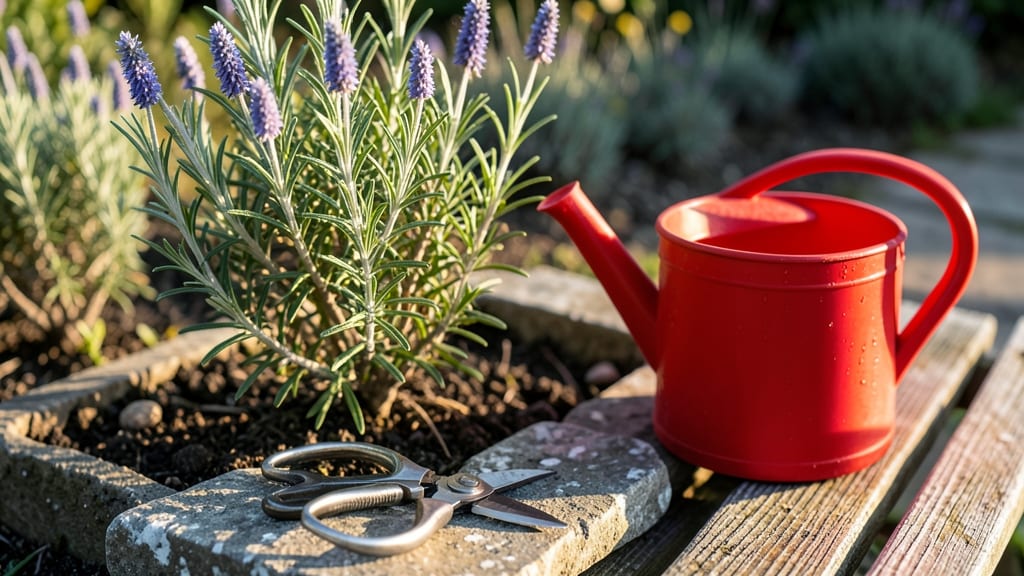
Learn how to keep salvia blooming effortlessly: deadhead weekly, or watch flowers fade and stems sprawl—but stick with it, and your salvia will burst with color from spring to frost. ✨ The secret isn't complicated: snip off spent blooms regularly, water at the base (not overhead), and feed lightly with balanced fertilizer every 4-6 weeks.
Most gardeners overwater or prune too aggressively, which stresses the plant. My plants thrive with moderate moisture and light trimming—never more than a third of the plant at once. By midseason, you'll see bushier growth and double the flowers compared to neglected plants.
The key is timing: deadhead right after blooms fade, and your salvia will reward you with vibrant clusters all summer long. Works for both annuals and perennials—just adjust your approach for your climate. Let's get those blooms going!
📚 In This Guide
- What you need
- Instructions
- Tips and common mistakes
- Wrapping up and next steps
What you need
- ● Salvia plants – Choose Salvia nemorosa, Salvia officinalis, or other perennial varieties based on your climate (zones 4-9 for most types).
- ● Pruning shears or sharp scissors – Clean, sharp tools (sterilize with rubbing alcohol between cuts to prevent disease).
- ● Gloves – Garden or work gloves to protect your hands from thorns (especially on Salvia officinalis).
- ● Compost or mulch – 2-3 inches of organic mulch (e.g., shredded bark, straw) to retain moisture and suppress weeds.
- ● Watering can or hose with a gentle nozzle – Avoid blasting stems; deep watering 1-2 times per week is ideal.
- ● Balanced fertilizer (10-10-10 or 20-20-20) – Apply every 4-6 weeks during the growing season (spring to early fall).
- ○ Staking or support (optional for tall varieties) – Bamboo stakes or tomato cages if your Salvia grows over 2 feet tall.
- ● Full sun exposure – At least 6-8 hours of direct sunlight daily (morning sun + afternoon shade works in hot climates).
- ● Well-draining soil – Amend heavy clay soil with perlite or sand to prevent root rot.
- ● Moderate water needs – Drought-tolerant once established; water deeply but infrequently to encourage strong roots.
- ● Protect from pests – Watch for aphids or spider mites; treat with neem oil if needed.
Step-by-Step instructions for keeping salvia blooming all season
Here’s my foolproof method for coaxing those vibrant spikes into a never-ending floral display.
🌿 Step 1: Deadhead Regularly to Encourage New Blooms
Snip off spent flower spikes with clean pruners as soon as they fade—don’t wait until they turn brown. I cut just above the first set of healthy leaves below the bloom, which signals the plant to redirect energy into new growth instead of seed production. This is the single most important step for continuous blooming.
Do this weekly during peak bloom season. You’ll notice fresh buds forming at the base of the stem within 7-10 days. If you skip deadheading, the plant will focus on seed development, and your salvia will produce fewer flowers over time.
✂️ Step 2: Prune Leggy Stems Mid-Season for Bushier Growth
After the first flush of blooms, some stems stretch tall and leggy. In early summer, trim these back by about one-third—cut just above a leaf node or side shoot. This encourages branching and creates a fuller, more compact plant that produces more flowers overall.
I always do this after a heavy rain when the soil is moist, as the plant recovers faster. Avoid heavy pruning after midsummer, though—salvia needs time to harden off before winter. You’ll see new growth emerge within 2-3 weeks.
💧 Step 3: Water Deeply but Infrequently to Prevent Stress
Salvia thrives on deep but infrequent watering—about 1 inch per week during active growth. Water at the base in the morning to reduce fungal risks, and let the top 2 inches of soil dry out between waterings. Overwatering causes root rot, which weakens the plant and reduces flowering.
I check moisture by sticking my finger into the soil—if it feels dry at 1 inch down, it’s time to water. During extreme heat, you might need to water twice weekly, but always let the soil dry between sessions. Yellowing leaves mean you’re overwatering; crispy edges mean it’s thirsty.
☀️ Step 4: Ensure Full Sun and Well-Draining Soil
Salvia demands at least 6 hours of direct sun daily—partial shade leads to sparse blooms. If your plant isn’t flowering well, move it to a sunnier spot. I’ve seen salvia in full sun produce blooms from spring to fall, while shaded plants struggle after the first flush.
Amend heavy or clay soil with compost or sand to improve drainage—salvia hates soggy roots. If your soil drains poorly, consider planting in raised beds or containers with fast-draining mix. You’ll know the soil is right when water drains through within 10-15 minutes of watering.
🌱 Step 5: Feed Lightly in Early Season for Strong Growth
Apply a balanced, slow-release fertilizer (10-10-10) at planting and again in early spring. Too much nitrogen makes salvia grow leaves instead of flowers, so I avoid heavy feeding after midsummer. A light top-dressing of compost in spring provides just enough nutrients without overstimulating foliage.
Stop fertilizing by mid-July to let the plant prepare for dormancy. You’ll see the difference in flower quantity—plants fed too late often produce weak, sparse blooms. If using liquid fertilizer, dilute it to half-strength to avoid burning roots.
Tips & tricks for keeping salvia blooming all season
Here's what nobody tells you about keeping salvia in full bloom—these little details make all the difference.
The Right Tools Matter: Use sharp, clean pruners for deadheading in Step 1. Dull blades crush stems and invite disease. I sterilize my pruners with rubbing alcohol between cuts—this prevents bacterial spread that can weaken your plant. For Step 2 pruning, consider bypass pruners which give you cleaner cuts that heal faster.
Timing is Everything: Those 7-10 days after deadheading in Step 1 are crucial—don't rush it! The plant needs time to redirect energy to new buds. I've seen salvia produce second blooms in just 7 days when conditions are perfect, but 10 days is the safe bet. For pruning in Step 2, wait until after a rain when soil is moist—the plant recovers more quickly from the stress.
Sunlight Secrets: The 6 hours of direct sun in Step 4 isn't just about quantity—it's about quality. South-facing windows or southern exposures work best. If your salvia gets afternoon shade, it might need 8 hours instead. I've noticed plants in east-west oriented gardens often need supplemental light during cloudy periods to maintain their bloom schedule.
Fertilizer Finesse: When applying that 10-10-10 fertilizer in Step 5, less is more. I use about half the recommended dose—salvia is sensitive to over-fertilization. The key is timing: early spring and planting are the only critical times. After mid-July, even a light feeding can disrupt the plant's natural dormancy cycle, leading to weak fall blooms.
Pro Tips for Keep Salvia Blooming
- Here's what nobody tells you about keeping salvia in full bloom—these little details make all the difference.
- The Right Tools Matter: Use sharp, clean pruners for deadheading in Step 1.
- Timing is Everything: Those 7-10 days after deadheading in Step 1 are crucial—don't rush it!
Frequently asked questions
about keeping salvia blooming—because even the most experienced gardeners need a quick refresher now and then!How often should I deadhead salvia to encourage more blooms?
Deadhead salvia weekly (or as soon as spent flowers fade) to trigger continuous blooming. For varieties like Salvia nemorosa or Salvia officinalis, prune back by ⅓ after the first flush to promote bushier growth. Pro tip: Use clean, sharp shears to avoid damaging stems!
Why did my salvia stop blooming mid-season?
Over-fertilizing (especially with high-nitrogen feed) or skipping deadheading can halt blooms. Check these:
- Is the plant crowded? Thin out nearby plants for better airflow.
- Did it get too much shade? Salvia thrives in full sun (6+ hours/day).
- Is it thirsty or waterlogged? Aim for dry soil—overwatering stresses roots.
Can I prune salvia back hard in late summer for fall blooms?
Yes! Give perennial salvia a light haircut (1–2 inches) in early August to stimulate new growth. Avoid heavy pruning after mid-summer—it may cut off fall blooms. Annual salvias? Pinch back stems by ⅓ when they’re 6–8 inches tall for bushier plants.
What’s the best alternative if my salvia blooms fade quickly?
Try these low-maintenance, long-blooming alternatives:
- Catmint (Nepeta) – Drought-tolerant, blooms all season.
- Russian Sage (Perovskia) – Thrives in heat, minimal deadheading.
- Lavender – Fragrant, drought-resistant, and pollinator-friendly.
My salvia leaves look yellow—what’s wrong?
Yellow leaves usually signal overwatering or poor drainage. Let soil dry between waterings, and ensure pots/containers have drainage holes. Check for:
- Root rot (soggy soil, mushy stems).
- Pests (aphids or spider mites) on undersides of leaves.
Wrapping up and next steps
Keeping your salvia blooming beautifully is all about consistent care—deadheading regularly, providing the right light, and ensuring proper watering and soil. With these simple steps, you’ll enjoy a nonstop floral show that brightens your garden all season long! 🌸
Ready to level up your salvia game? Start by scheduling a quick weekly check-in to trim spent blooms and monitor your plants’ needs. Before you know it, your garden will be the envy of the neighborhood! 🌿