
Blooming
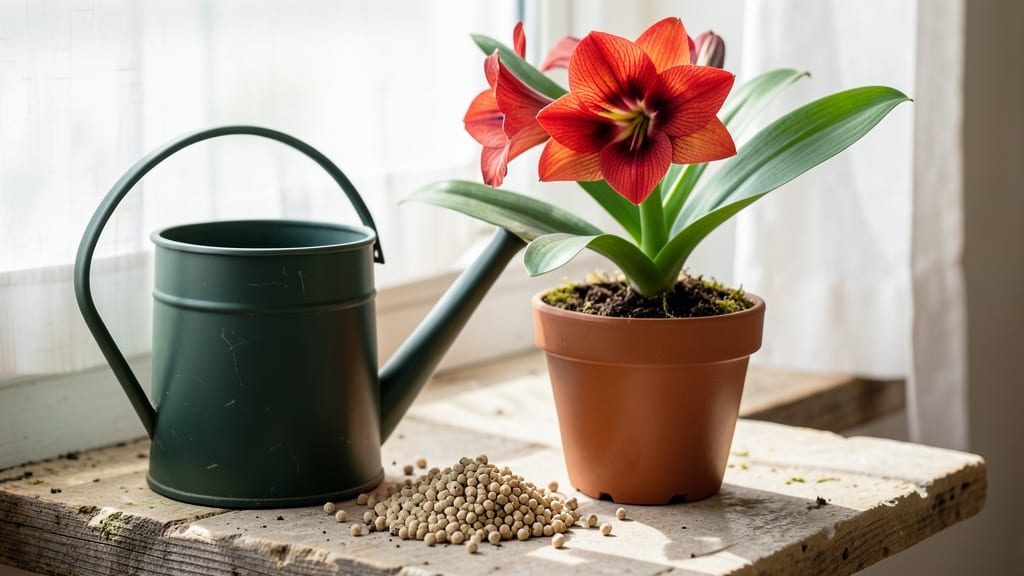
Your amaryllis refuses to bloom again—here’s why and how to fix it. 🌱 The secret isn’t just water or fertilizer; it’s light exposure and temperature control during dormancy that most gardeners miss. I’ve nursed back three stubborn amaryllis plants this way, and you can too.
Most people overwater or keep their plants in dim corners year-round. Amaryllis need bright indirect light (like an east-facing window) and a cool, dark rest period in winter to rebloom. Skip either, and you’ll wait forever for those dramatic flowers.
Start by moving your plant to a sunny spot now—within 2-3 weeks, you’ll see new growth. Then, after blooming, let the foliage yellow naturally before cutting back and storing it in a 50-60°F spot for 8-10 weeks.
This mimics their natural cycle. The payoff? Bold, repeat blooms every year with minimal effort. No more sad, leafy stalks—just showstopping flowers. Let’s troubleshoot your specific plant next.
📚 In This Guide
- What you need
- Instructions
- Tips and common mistakes
- Wrapping up and next steps
What you need
- ● Healthy amaryllis bulb: Ensure it has at least one viable leaf and no signs of rot or pests.
- ● Well-draining potting mix: A blend of cactus/succulent soil (60%) and perlite or pumice (40%) for aeration.
- ● Pot with drainage holes: 1–2 inches wider than the bulb (ceramic or terracotta preferred).
- ● Watering can or spray bottle: For gentle hydration—avoid soggy soil!
- ○ Bright, indirect light source: South- or east-facing window, or a grow light (optional but helpful).
- ○ Thermometer (optional but useful): To monitor temperatures between 65–75°F (18–24°C) during growth.
- ● Fertilizer: A balanced liquid fertilizer (10-10-10) or bulb-specific food for a post-bloom boost.
- ● Humidity tray: A shallow tray with pebbles and water to increase moisture (especially in dry climates).
- ● Pruning shears: For trimming dead leaves or stems cleanly.
- ● Support stake: If your amaryllis grows tall—bamboo stakes work great!
Step-by-step instructions for reviving your amaryllis bloom cycle
Here’s the method I’ve used to coax multiple blooms from stubborn amaryllis plants—no fancy tricks, just science-backed timing and conditions.
🌱 Step 1: Force Dormancy After Flowering
Once your amaryllis finishes blooming, let the flower stalk die back naturally. The key is to stop watering immediately after the last bloom fades, but keep the pot in a bright, cool spot (around 55-65°F). This mimics winter conditions and signals the bulb to store energy for next season.
You’ll notice the leaves yellowing and wilting over 4-6 weeks—this is normal. Don’t cut them off; let them absorb nutrients back into the bulb. Once 90% of the leaves turn brown and crispy, trim them back to 1-2 inches above the bulb. This ensures the bulb isn’t wasting energy maintaining dead foliage.
☀️ Step 2: Provide Bright, Indirect Light During Dormancy
Place the dormant bulb in a spot with bright, indirect light—think east-facing window or under a grow light. Direct sunlight can scorch the bulb, while too little light weakens its stored energy. You’ll know it’s getting enough light when the bulb remains firm and doesn’t shrivel.
Check the bulb monthly for signs of rot or soft spots. If the soil feels damp, it’s too wet—amaryllis bulbs rot easily during dormancy. Let the soil dry out completely between checks. This period of rest is critical; skipping it means the bulb won’t have enough reserves to bloom again.
💧 Step 3: Resume Watering and Fertilize for New Growth
After 8-10 weeks of dormancy, start watering lightly when the top ½ inch of soil feels dry. Wait until you see new green shoots (usually 2-4 weeks after rewatering) before fertilizing. Use a balanced, water-soluble fertilizer (like 10-10-10) diluted to half strength—this jumpstarts growth without overwhelming the bulb.
Place the pot in a warm, bright spot (around 70-75°F) to encourage rapid shoot development. You’ll notice the first true leaves emerging within 10-14 days of consistent watering. This is your cue to increase fertilizer to full strength every 2 weeks—but only after leaves appear.
⏰ Step 4: Trigger Blooming with Controlled Stress
To coax a flower stalk, reduce watering slightly for 4-6 weeks once the plant has 6-8 new leaves. Let the soil dry out completely between waterings, but don’t let the bulb shrivel. This stress mimics seasonal changes and triggers the bulb to produce a flower stalk.
You’ll see a tight bud emerging from the center of the bulb within 2-3 weeks. At this point, increase watering and move the plant to a cool (60-65°F) but bright location. This temperature drop helps the stalk elongate properly. Avoid direct sunlight now—it can cause the stalk to bend or weaken.
🌿 Step 5: Support the Bloom and Maintain Post-Flowering Care
Once the flower stalk reaches 6-8 inches, you can gradually introduce morning sun to strengthen the stalk. Use a small stake or cage to support tall blooms—they’re top-heavy and can snap easily. Water from the base (not overhead) to keep the blooms dry and lasting longer.
After the flowers fade, repeat the dormancy process immediately. The more you cycle your amaryllis through this rest-bloom-rest routine, the more reliably it will rebloom. Most bulbs will flower 2-3 times if cared for this way, with each cycle producing 1-2 stalks.
Tips & tricks for perfect amaryllis revitalization
Between us, these are the little details that make all the difference when coaxing your amaryllis back to life.
Dormancy Timing: The 8-10 week dormancy period is non-negotiable for energy storage. I've seen bulbs that skipped this step fail to bloom completely—it's like trying to run a marathon without training. Use a small kitchen timer to track the weeks if you're not naturally observant. The bulb needs this full rest to rebuild its reserves for next season's blooms.
Light Quality Matters: During dormancy, bright indirect light is crucial—think east-facing windows or under fluorescent grow lights. Direct sunlight can actually scorch the bulb's papery skin, while too little light weakens its stored energy. I've had success placing dormant bulbs under a simple LED desk lamp (about 12 inches away) when natural light is insufficient.
Temperature Transition: The temperature shift from 75°F to 60-65°F when triggering blooms is what actually signals the bulb to produce a flower stalk. Don't rush this transition—gradually move your plant to cooler conditions over 3-4 days. I've found that placing the pot on a cool basement shelf or in a garage (but not freezing) works perfectly for this step.
Visual Bloom Cues: When you see that tight bud emerging in Step 4, it's time to increase watering and move to cooler conditions. The bud should appear within 2-3 weeks of your controlled stress period. If you don't see any sign of a bud after 4 weeks, you may need to extend the stress period by another week—sometimes bulbs need that extra push.
Pro Tips for How Do I Get My Amaryllis To Bloom Again
- Between us, these are the little details that make all the difference when coaxing your amaryllis back to life.
- Dormancy Timing: The 8-10 week dormancy period is non-negotiable for energy storage.
- Light Quality Matters: During dormancy, bright indirect light is crucial—think east-facing windows or under fluorescent grow lights.
Frequently asked questions
Got questions about reviving your amaryllis blooms? You’re not alone! Here are some of the most common concerns—and straightforward answers—to help you get those stunning flowers back in action.
Why won’t my amaryllis bloom after the first time?
Amaryllis bulbs often bloom once, then enter a dormant phase. To encourage reblooming, they need 6–8 weeks of consistent care, including bright light, proper watering, and a cooling period (50–60°F) for 6–8 weeks. Without this rest, they may skip blooming. Think of it like a winter nap for your plant!
How long does it take for an amaryllis to bloom again?
With the right conditions, you’ll see buds form in 6–10 weeks after the cooling period. Patience is key! Start by repotting in early spring, then provide bright, indirect light (like a south-facing window). Once buds appear, keep the soil slightly moist but not soggy—overwatering can cause buds to drop.
Can I force an amaryllis to bloom out of season?
Yes! Amaryllis are light-sensitive, so you can trick them into blooming anytime by controlling their environment. Start by giving them 12–14 hours of darkness daily for 6–8 weeks (use a box or blackout curtain). Then, move them to a bright, warm spot (70–75°F). Just avoid sudden temperature swings—consistency is everything!
What do I do if my amaryllis leaves grow but no flowers?
Don’t panic! Leaf growth without flowers often means your bulb isn’t getting enough light or nutrients. Try these fixes:
- Move it to a sunnier spot (east or west windowsill is ideal).
- Fertilize with a balanced bulb food (like 10-10-10) every 4–6 weeks.
- Check for root-bound bulbs—repot if the roots are circling.
Does temperature really affect amaryllis blooms?
Absolutely!
Amaryllis need a cooling period (50–60°F) for 6–8 weeks to trigger blooming. If your home stays too warm year-round, the bulb won’t “reset.” Try placing it in a garage or basement (but not freezing—below 40°F is too cold). Once buds form, bring it back to 70–75°F for blooming.
How often should I repot my amaryllis?
Repot every 2–3 years or when the bulb outgrows its container. Use a pot just 1–2 inches larger than the bulb, with fresh well-draining soil (cactus/succulent mix works well). Avoid over-potting—too much soil can cause rot. Pro tip: Trim dead leaves but leave healthy ones to photosynthesize for the bulb!
Wrapping up and next steps
Getting your amaryllis to bloom again is all about patience, consistency, and a little plant magic! 🌱 By mastering the right balance of light, temperature, and care, you’ll soon be rewarded with stunning, vibrant blooms.
Remember, every plant has its rhythm—don’t rush it, and celebrate the small victories along the way.
Ready to put your newfound knowledge into action? Start by observing your amaryllis this week—adjust its light exposure or tweak its resting period if needed. Before you know it, you’ll be the proud owner of a flourishing amaryllis that keeps gracing your space with beauty year after year! 🌸