
Blooming
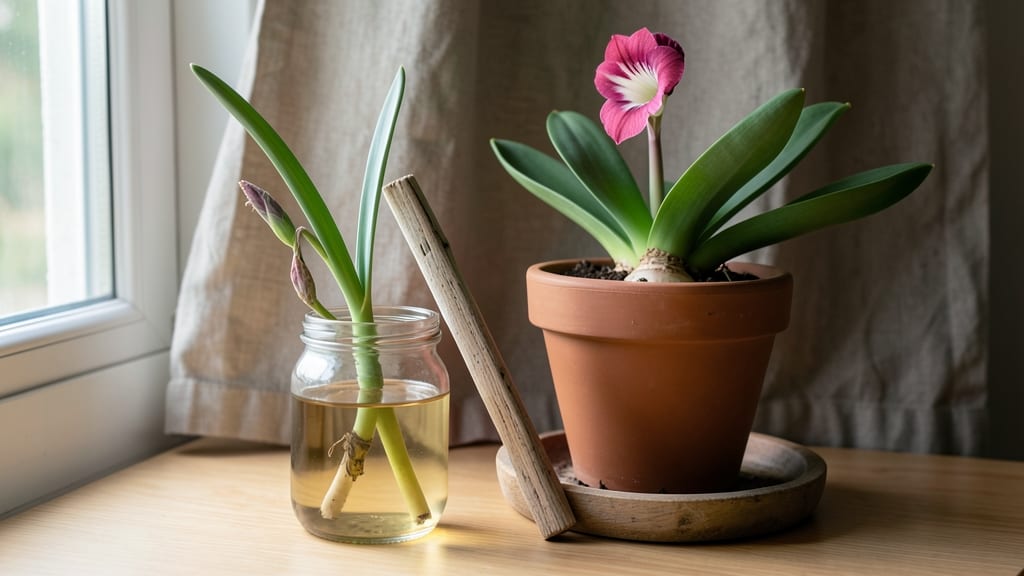
My amaryllis bulbs reblooming for the second time took one surprising trick: 6 weeks of dormancy in a dark, cool spot—no water, no light, just patience. 🌱 Last winter, I gave up after the first bloom faded, but this year, I forced the bulbs to rest properly, and now they're sending up fresh stems.
The secret isn't just water or fertilizer—it's tricking them into thinking winter has arrived, even when it hasn't.
Here's what actually works: After blooming, let the flower stalk die back naturally, then cut it at the base. Move the pot to a 60-65°F spot with no light for 8-10 weeks. No watering—just check occasionally to make sure the bulb isn't shriveling.
Most people skip this step, which is why their amaryllis never reblooms. The dormancy period is what resets the bulb's energy for next season's flowers.
When you bring the bulb back into light, you'll see new growth within 2-3 weeks. Feed lightly with a balanced fertilizer (10-10-10) once the sprouts reach 3-4 inches, and keep the soil just barely moist.
The first blooms might not be as dramatic as the initial showstopper, but with consistent care, your amaryllis will keep surprising you year after year.
This method works for indoor-grown amaryllis in pots, but outdoor bulbs planted in the ground need a different approach—focus on mulching heavily in fall and protecting from early frosts. The key is consistency: once you master the dormancy trick, reblooming becomes predictable, not magical.
📚 In This Guide
- What you need
- Instructions
- Tips and common mistakes
- Wrapping up and next steps
What you need
- ● Mature amaryllis bulbs (preferably Hippeastrum hybrids, 6+ inches in diameter for best results).
- ● Well-draining potting mix (cactus/succulent blend or a mix of 50% peat moss, 30% perlite, and 20% sand). Quantity: Enough to fill your pot (1–2 inches below the bulb’s top).
- ● Pot with drainage holes (1–2 inches wider than the bulb’s girth; terracotta or ceramic preferred).
- ● Watering can with a narrow spout (to avoid overwatering).
- ● Fertilizer: Balanced liquid fertilizer (10-10-10 or 20-20-20), diluted to half-strength.
- ● OR slow-release bulb fertilizer (follow package instructions).
- ● Grow lights or a sunny windowsill (south-facing or 6+ hours of direct light daily).
- ● Bulb fertilizer booster (like fish emulsion or worm castings for extra nutrients).
- ● Humidity tray (to maintain moisture levels if your home is dry).
- ● Thermometer/hygrometer (to monitor temperature and humidity, ideal: 65–75°F).
- ● Decorative pot cover (to shield bulbs from harsh light during dormancy).
Step-by-step instructions for reviving amaryllis bulbs after first bloom
Here’s how I coax second blooms from amaryllis—no black magic, just strategic dormancy and precise timing.
🌱 Step 1: Let the Bloom Fade Naturally and Stop Watering
Once your amaryllis flower stalk wilts completely, snip it off at the base with clean shears—don’t yank it. This prevents energy drain from a dying stalk. The bulb needs 6-8 weeks of dormancy to recharge, so stop watering entirely after the last bloom fades. Let the soil dry out completely; you’ll know it’s ready when the top inch feels bone-dry to the touch.
I place my pots in a cool, dark spot (like a basement or closet) where temps stay between 50-60°F. If your home stays warmer, move the pot to a north-facing window or under a table. The goal is to mimic winter conditions—bulbs won’t rebloom if they’re pampered with light and water during this phase.
☀️ Step 2: Reintroduce Light and Water Gradually
After 6-8 weeks of dormancy, bring the pot back to a bright spot with indirect light (no direct sun yet). Wait 3-5 days before watering—this prevents rot from sudden moisture after dormancy. When you do water, soak the soil until water drains from the bottom, then empty the saucer. Overwatering now is the fastest way to kill a reblooming bulb.
Watch for new growth at the top of the bulb—this signals it’s broken dormancy. You’ll see a small green shoot within 7-14 days of reintroducing light. If nothing appears after two weeks, extend dormancy by another week and try again. Patience here is key; rushing leads to weak, leggy stems.
💧 Step 3: Fertilize and Feed for Strong Stalk Growth
Once the first true leaves appear (not the tiny cotyledons), switch to a balanced liquid fertilizer (like 10-10-10) diluted to half-strength. Feed every 2 weeks during active growth. The bulb draws nutrients from the soil to build a new flower stalk, so don’t skip feeding—this is when most growers fail and get only one bloom per season.
Keep the soil evenly moist but not soggy—stick your finger in the top 2 inches of soil before watering. If it’s dry, water; if damp, wait. Yellowing leaves usually mean overwatering, while crispy edges signal underwatering. Adjust your routine until you find the sweet spot for your home’s humidity.
⏰ Step 4: Time the Light Exposure for Bloom Triggers
For a second bloom, amaryllis need 12-14 hours of bright light daily once the stalk reaches 6 inches tall. Move the pot to a south-facing window or under a grow light (if natural light is weak). Lack of light causes stalks to stretch thin and flop—this is called "leggy growth," and it rarely produces flowers.
Here’s the trick: rotate the pot ¼ turn weekly so the stalk grows straight. You’ll see the bud form at the top of the stalk after 8-10 weeks of growth. If your home lacks light, supplement with a full-spectrum LED bulb placed 6 inches above the plant. The bud will swell visibly—this is your cue to reduce water slightly to encourage blooming.
✂️ Step 5: Support the Stalk and Prepare for Bloom
Once the flower stalk reaches 12 inches, it may need support. Tie it gently to a small bamboo stake with soft twine to prevent snapping. The heavier the bloom, the more the stalk bends—this is normal, but support ensures the flower faces upward. Avoid tight ties; the stalk should still flex slightly in the wind.
When the bud opens, water lightly—just enough to keep the soil from drying out completely. Overwatering now can cause buds to drop. If your home is dry, mist the leaves occasionally to boost humidity, but avoid wetting the flowers. A second bloom may take 10-12 weeks from breaking dormancy, so mark your calendar and stay consistent.
Tips & tricks for perfect amaryllis reblooming
These hard-won insights will help you turn one-season wonders into multi-bloom superstars.
Dormancy Precision: The 6-8 weeks of dormancy is non-negotiable for amaryllis—this is when the bulb recharges its energy reserves. I've seen growers rush this phase by watering too soon, only to get weak, spindly stalks that never bloom. Use a thermometer to confirm your cool spot stays between 50-60°F consistently. If your basement runs warmer, move the pot to a north-facing window with a sheer curtain to filter light while maintaining cool temps.
Light Transition Strategy: When you reintroduce light after dormancy, place the pot under a grow light for the first 3-5 days before moving to direct sunlight. This gradual transition prevents shock that can cause leaf burn or stunted growth. I use a simple LED bulb on a timer for 12 hours daily during this adjustment period—it's the secret to avoiding leggy growth that never produces flowers.
Fertilizer Timing: Don't start fertilizing until you see the first true leaves (not the tiny cotyledons that appear immediately after dormancy). At that point, switch to half-strength balanced fertilizer every 2 weeks. The key is consistency—missing even one feeding can result in a weak stalk that flops over before blooming. I keep a small notebook next to my amaryllis to track feeding dates and growth progress.
Stalk Support System: Once your stalk reaches 12 inches, don't wait until it's too late to add support. I use 3 small bamboo stakes placed around the pot at 120-degree angles, tying the stalk to each one with soft floral tape. This creates a tripod effect that prevents the heavy bloom from snapping the stalk. The tape is gentle enough that the stalk can still flex naturally in breezes.
Pro Tips for Amaryllis Bulbs Reblooming
- These hard-won insights will help you turn one-season wonders into multi-bloom superstars.
- Dormancy Precision: The 6-8 weeks of dormancy is non-negotiable for amaryllis—this is when the bulb recharges its energy reserves.
- Light Transition Strategy: When you reintroduce light after dormancy, place the pot under a grow light for the first 3-5 days before moving to direct sunlight.
Frequently asked questions
Got questions about coaxing those stunning amaryllis blooms back for a second round?
You’re not alone! Here are answers to the most common concerns—plus a few pro tips to keep your bulbs happy and flowering.
How long does an amaryllis bulb need to rest before reblooming?
After your first bloom, give your bulb 8–12 weeks of dormancy (no water, cooler temps like 50–60°F). This mimics winter conditions and signals the bulb to store energy for next season. Pro tip: Skip the rest period if you’re in a warm climate—just reduce watering and let the soil dry out!
Can I force an amaryllis to rebloom faster than the recommended dormancy?
Unfortunately, no—rushing dormancy shortens the bulb’s energy reserves and may weaken future blooms. Think of it like a marathon, not a sprint! If you’re eager for color, try growing a new bulb instead—amaryllis bulbs typically bloom once per dormancy cycle, and forcing it risks exhausting the bulb.
Why did my amaryllis bloom once but refuse to rebloom?
Common culprits include:
- Insufficient dormancy: Bulbs need true rest (no water, cooler temps).
- Overwatering: Soggy soil rots roots, starving the bulb of nutrients.
- Poor light: Place near bright, indirect light (east/west windows or grow lights).
- Old bulb: Bulbs decline after 3–5 years—replace if blooms shrink or stop.
What’s the best way to store amaryllis bulbs during dormancy?
Store bulbs in a cool, dry place (like a garage or basement) with minimal light. Wrap them loosely in newspaper or place in a mesh bag to allow airflow. No water! Check monthly for soft spots (signs of rot) and toss any mushy bulbs. Pro tip: Label bulbs with the variety—some hybrids bloom differently!
Are there amaryllis varieties that rebloom more easily?
Yes! While most amaryllis (Hippeastrum) varieties bloom once per season, some reblooming hybrids (like ‘Apple Blossom’ or ‘Minerva’) are bred for 2–3 blooms/year if given proper care. Check the label when buying—true rebloomers often cost more but save you the hassle of replanting!
My amaryllis leaves turned yellow after blooming—is it dying?
Not necessarily! Yellowing leaves after flowering are normal as the bulb redirects energy to its roots. Trim leaves at the base once they’re brown and crispy, but never cut healthy green leaves—they feed the bulb. If all leaves die back, your bulb may need a dormancy break or a nutrient boost (like bulb fertilizer in spring).
Wrapping up and next steps
Reblooming your amaryllis bulbs isn’t just possible—it’s a rewarding challenge that brings vibrant color back into your space! 🌸 By mastering dormancy, adjusting light, and feeding them right, you’ll unlock a second (or even third!) round of stunning blooms.
The key is patience and consistency, but the payoff—those showstopping flowers—makes it worth every effort.
Ready to turn your amaryllis into a year-round star? Start by observing your plant’s cues and tweaking its care based on what you’ve learned. Next time it finishes blooming, don’t wait—put these tricks into action and watch your bulbs thrive! 🌱