
Blooming
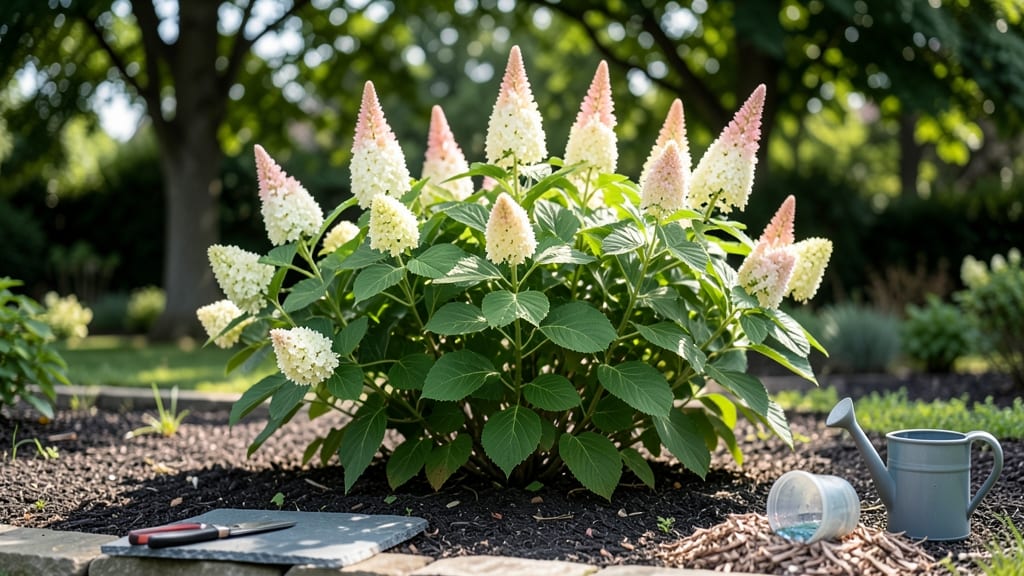
Panicle hydrangeas burst into bloom when most gardens are winding down—late summer to fall—turning your yard into a fragrant, fluffy cloud of white, pink, or lavender. 🌸 I remember the first time I saw my 'Limelight' hydrangea explode with lime-green blooms in August, and it changed how I planned my garden forever.
These late-season stars thrive when others are fading, offering color and texture when you need it most.
The exact timing depends on your variety and climate—some, like 'Little Lime,' bloom in mid-summer, while others, like 'Grandiflora,' peak in September-October. Cooler regions (USDA zones 4-6) often see earlier blooms, while hotter zones (7-9) may delay flowering until late summer.
Pruning in late winter or early spring also nudges blooms to arrive sooner, but timing matters—cut too late, and you might sacrifice next year's flowers.
With the right care, you can stretch their show from July through November, giving your garden a long, lush finale. The secret? Consistent watering, balanced fertilizer, and protecting them from late-season frost.
I've had mine last well into fall, even when temperatures dip, by mulching heavily and choosing cold-hardy varieties like 'Annabelle' or 'Quick Fire.'
Whether you're in a northern climate or a southern heat zone, panicle hydrangeas adapt beautifully. The key is understanding your local frost dates and adjusting pruning and care accordingly. Once you master their timing, you'll have a garden that stays vibrant long after other plants have called it quits.
📚 In This Guide
- What you need
- Instructions
- Tips and common mistakes
- Wrapping up and next steps
What you need
- ● Panicle Hydrangea Plants: Choose Hydrangea paniculata varieties (e.g., 'Limelight,' 'Little Lime,' or 'Grandiflora'). Buy 3-5 mature plants (3-5 gallons per container) or 10-15 young plants (1-gallon containers) for a fuller look.
- ● Well-Draining Soil: Mix 1 part native soil with 1 part compost and 1 part perlite or sand (for aeration). Test soil pH—panicle hydrangeas thrive in pH 6.0-7.0.
- ● Organic Mulch: 2-3 inches of pine bark, cedar chips, or shredded leaves to retain moisture and regulate temperature.
- ● Fertilizer: Balanced fertilizer (10-10-10): Apply 1 tbsp per plant in early spring and mid-summer.
- ○ Slow-release granules (e.g., Osmocote): ½ cup per plant at planting time (optional but recommended).
- ● Garden Gloves: A pair of durable, breathable gloves (e.g., Wolfe Grip or Fiskars) to protect hands.
- ● Pruning Shears: Bypass pruners (e.g., Felco F-2) for clean cuts.
- ● Garden Trowel & Shovel: For planting (5-inch trowel for small holes, round-point shovel for larger plants).
- ● Watering Can or Hose: With a gentle spray nozzle to avoid damaging blooms.
- ● pH Test Kit: Digital or liquid test kit (e.g., Lawn & Garden pH Test Kit) to monitor soil acidity.
- ○ Stakes & Twine (Optional): 3-4 ft bamboo stakes and soft garden twine to support tall varieties (e.g., 'Limelight').
- ● Sunlight: 6+ hours of full sun (morning sun + afternoon shade in hot climates).
- ● Water Access: Drip irrigation or soaker hose for consistent moisture (panicle hydrangeas hate drought!).
- ● Patience: Young plants may take 1-2 years to reach full bloom potential.
Understanding when panicle hydrangeas bloom: timing and care
Panicle hydrangeas are summer's showstoppers—here's exactly when to expect their dramatic blooms and how to encourage them.
🌱 Step 1: Recognize the Dormant Season and Bud Formation
Panicle hydrangeas (Hydrangea paniculata) form flower buds on new wood, meaning they develop throughout the growing season rather than just in spring. The magic starts in late spring to early summer when the plant shifts energy from foliage to flower bud formation. You'll notice small, fuzzy green buds forming at the tips of stems—these are your future blooms.
Here's the thing: if you prune too late in the season, you risk removing next year's flower buds. I always wait until after the first hard frost when the plant has fully entered dormancy. This timing ensures I don't accidentally cut off potential blooms while still maintaining the plant's shape.
☀️ Step 2: Observe the Bloom Cycle's Light Requirements
Panicle hydrangeas need full sun (6-8 hours daily) to trigger proper bloom timing, but they also tolerate partial shade. The key is consistent light exposure throughout their development. I've seen plants in morning sun with afternoon shade still produce blooms, though they may be slightly smaller.
Watch for this: when the plant receives adequate light, the leaves will be deep green and glossy, and the stems will grow sturdy. If leaves appear pale or stems are weak, your plant may need more sun. Weak stems often lead to flopping blooms later in the season—something you definitely want to avoid.
💧 Step 3: Monitor Watering for Optimal Bloom Timing
Consistent moisture is critical for panicle hydrangeas, especially during bud formation (June-July). The soil should remain evenly moist but never waterlogged—think of a wrung-out sponge. I water deeply 2-3 times per week during dry spells, always checking that the top 2 inches of soil stay damp to the touch.
Real talk: underwatering during bud formation causes buds to abort, while overwatering leads to weak stems that can't support heavy flower clusters. I've learned this the hard way—last summer's drought caused my 'Limelight' to produce only half its usual blooms. The lesson? A drip irrigation system or soaker hose keeps moisture consistent without the hassle.
⏰ Step 4: Track the Bloom Window by Leaf Color Changes
Panicle hydrangeas typically bloom from mid to late summer, but the exact timing depends on your climate zone. Here's how I track it: when the new growth turns deep green and the stems thicken, that's your cue that blooms are coming soon. In my Zone 6 garden, buds usually appear in early July, with full blooms by mid-August.
Watch for the color shift in the buds themselves—they'll go from green to a creamy white or soft pink before opening. This color change happens about 2-3 weeks before blooming. If you're in a cooler climate (Zones 3-5), expect blooms to arrive 2-4 weeks later than in warmer regions.
✂️ Step 5: Post-Bloom Care for Next Year's Flowers
After the flowers fade, don't cut them back immediately! Panicle hydrangeas develop buds for next year's blooms on current season's growth, so wait until late winter or early spring (just as new growth begins) to prune. This timing ensures you remove dead wood while preserving next year's flower potential.
Here's my pruning strategy: I remove dead or weak stems completely, then cut back healthy stems by about one-third to encourage bushier growth. The goal is to leave 2-3 sets of buds on each stem—these will develop into next summer's blooms. I always prune on a dry day to prevent disease spread from wet tools or fresh cuts.
Tips & tricks for perfect panicle Hydrangea blooms
These insider secrets will help you coax the most spectacular summer displays from your panicle hydrangeas—no guesswork required.
Bud Formation Insight: Those fuzzy green buds appearing in late spring to early summer are your early warning system. I've learned that if you see buds forming by June 1st, you're on track for a mid-summer showstopper. The key is to avoid pruning during this window—any cuts now risk removing next year's potential blooms. Mark your calendar for when you spot these buds, as this confirms your plant is actively preparing for its summer performance.
Light Exposure Hack: The 6-8 hours of full sun requirement isn't just about quantity—it's about quality. I've noticed that plants receiving morning sun with afternoon shade still bloom, but the flowers tend to be slightly smaller. For maximum impact, position your hydrangeas where they get direct sunlight from 10 AM to 2 PM. Pro tip: If your garden has limited sun, choose varieties like 'Little Lime' that tolerate partial shade better than others.
Watering Strategy: During the critical June-July bud formation period, I've found that checking soil moisture at the 2-inch depth is more reliable than sticking to a weekly schedule. Use your finger to test—if the top 2 inches feel dry, it's time to water. This method prevents both underwatering (which causes bud abortion) and overwatering (which weakens stems). For busy gardeners, a simple drip irrigation setup solves this problem automatically while you're away.
Climate Zone Adjustment: The 2-3 week color shift from green to creamy white/pink buds is your best predictor of bloom timing. In Zone 6 gardens like mine, this shift typically happens in early July, but in cooler Zones 3-5, it can be delayed by 2-4 weeks. I keep a garden journal noting when I see this color change each year—it becomes my personal bloom forecast! For northern gardeners, this means planning your summer color displays accordingly.
Pro Tips for When Do Panicle Hydrangeas Bloom
- These insider secrets will help you coax the most spectacular summer displays from your panicle hydrangeas—no guesswork required.
- Bud Formation Insight: Those fuzzy green buds appearing in late spring to early summer are your early warning system.
- Light Exposure Hack: The 6-8 hours of full sun requirement isn't just about quantity—it's about quality.
Frequently asked questions
Got questions about when and how panicle hydrangeas bloom? You’re not alone! Here are some of the most common queries—and their answers—to help you get the most out of these stunning summer bloomers.
When do panicle hydrangeas bloom?
Panicle hydrangeas typically bloom in mid-to-late summer, usually between July and September, depending on your climate. Some varieties, like ‘Limelight’ or ‘Little Lime,’ may even extend into early fall. If you want earlier blooms, choose reblooming types like ‘Vanille Fraise’ or ‘Quick Fire.’
Do panicle hydrangeas bloom on old or new wood?
Unlike bigleaf hydrangeas, panicle hydrangeas bloom on new wood, meaning they set buds in spring for summer blooms. Pruning in late winter or early spring won’t cut off next year’s flowers—just shape the plant! Pro tip: Deadhead spent blooms in fall to encourage fresh growth.
Why aren’t my panicle hydrangeas blooming?
No blooms? Check these common culprits:
- Over-pruning: If you cut back after buds form (spring), you’ll lose flowers.
- Too much shade: While they tolerate partial shade, 6+ hours of sun fuels bigger blooms.
- Nutrient deficiency: Feed with balanced fertilizer in early spring for vibrant growth.
- Stress: Drought or extreme heat can delay blooming.
Give them consistent water and a little TLC!
Can I force panicle hydrangeas to bloom earlier?
While you can’t guarantee earlier blooms, you can encourage them by:
- Planting reblooming varieties (e.g., ‘Endless Summer’ or ‘Bobo’).
- Using slow-release fertilizer in early spring to jumpstart growth.
- Avoiding late-season pruning, which can stress the plant.
For the boldest display, plant in full sun and mulch to retain moisture.
What do I do with panicle hydrangeas after they bloom?
Once blooms fade, cut back the stems by ⅓ to promote next year’s flowers. Leave the skeleton structure for winter interest! In late winter, prune again to shape the plant. Pro tip: Wear gloves—those dried blooms can be spiky!
Wrapping up and next steps
Panicle hydrangeas truly shine as summer’s fragrant superstars, gracing gardens with their show-stopping blooms from late spring through fall—often peaking in June to August depending on your climate.
With the right care—like pruning at the right time and choosing the perfect spot—they’ll reward you with abundant, long-lasting color and texture that brightens any landscape. 🌸
Now that you’re armed with the when, why, and how of their blooming magic, why not take the next step? Snip a few stems for a stunning bouquet, experiment with a new variety, or share your progress with fellow plant lovers—your garden (and future blooms!) will thank you!