
Blooming
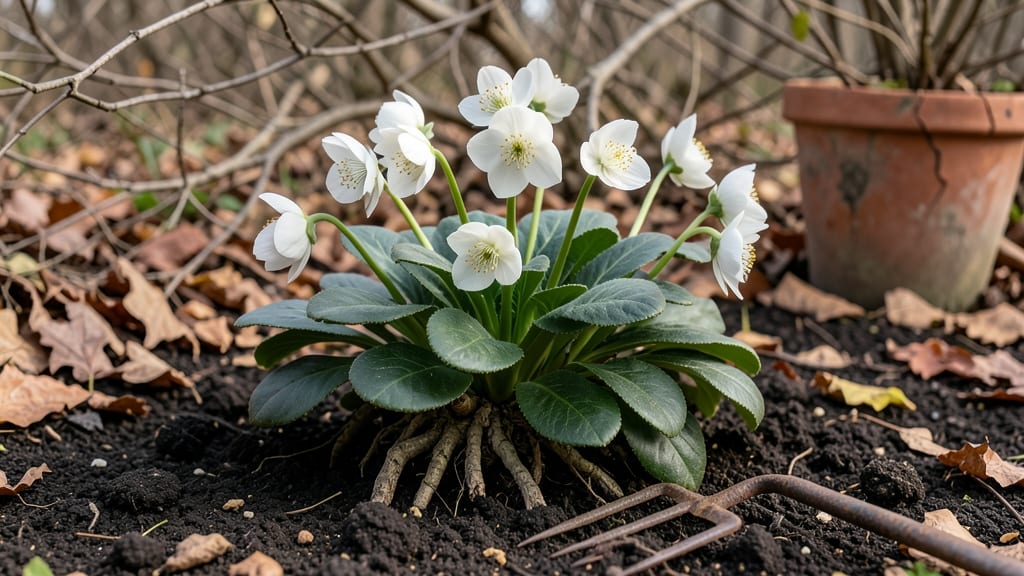
Late winter blooms transform your garden into a fragrant sanctuary when everything else sleeps. 🌿 I've learned that hellebores, winter jasmine, and witch hazel aren't just survivors—they're stars of the season, offering delicate blooms and intoxicating scents that defy the chill.
These plants thrive when others falter, turning bare landscapes into living art. The secret lies in their resilience: hellebores tolerate shade and damp soil, winter jasmine handles frost, and witch hazel blooms before most trees leaf out.
Plant them in well-draining soil with 3-4 inches of mulch to protect roots, and you'll reward yourself with months of color when spring feels distant. Their care is simple—just avoid overwatering and deadhead spent blooms to encourage repeat flowering.
Imagine your garden in February: velvety hellebores nodding in the breeze, winter jasmine's golden cascades catching sunlight, and witch hazel's spidery blooms releasing their spicy perfume. These plants don't just survive winter—they thrive in it, creating a showstopping display that lasts until spring arrives.
Their edible flowers even add a delicate garnish to salads or cocktails, though always confirm identification before eating. For best results, plant in late summer or early fall when roots can establish before winter.
Group them with early bulbs like snowdrops or crocuses for layered interest, and watch as your garden becomes the neighborhood's first burst of color. The payoff is worth the patience—year after year of effortless beauty.
📚 In This Guide
- What you need
- Instructions
- Tips and common mistakes
- Wrapping up and next steps
What you need
- ● Seeds or Bare-Root Plants: Viola (pansies) – 6–12 plants (choose cold-hardy varieties like 'Matrix' or 'Sorbet')
- ● Calendula (pot marigold) – 4–6 plants (select 'Bonanza' or 'Moonlight' for late blooms)
- ● Primrose – 3–5 plants (look for Primula denticulata or P. malacoides)
- ● Sweet Alyssum – 1 packet of seeds (self-seeding, spreads easily!)
- ● Soil: Well-draining potting mix (1–2 bags, depending on container size) or
- ● Garden soil amended with compost (1 part compost to 3 parts soil)
- ● Containers or Garden Bed: 6–12-inch pots (1–2 per plant) or
- ● Raised bed or in-ground plot (minimum 12" depth, partial shade to full sun)
- ● Fertilizer: Balanced organic fertilizer (5-5-5 or 10-10-10, 1 tbsp per plant at planting)
- ○ Slow-release granules (optional, for extended blooms)
- ● Planting: Trowel or small shovel
- ○ Gloves (optional, for handling soil)
- ● Watering can with fine rose nozzle (gentle watering = happy roots!)
- ● Maintenance: Pruning shears (for deadheading)
- ● Mulch (straw or shredded leaves, 1–2 inches to retain moisture)
- ○ Optional (But Helpful!): Cage or stakes (for taller varieties like primrose)
- ● pH test kit (ideal soil pH: 6.0–7.0)
- ● Edible flower guidebook (to ID and harvest safely!)
- ● ✅ Timing: Start seeds 6–8 weeks before last frost or plant bare-root in early spring (March–April in most zones).
- ● ✅ Location: Choose a spot with partial shade (3–6 hours of sun) or dappled light for late-winter blooms.
- ● ✅ Climate: Select varieties rated for your USDA Hardiness Zone (3–9 for most late-winter bloomers).
Step-by-step guide to cultivating late winter blooms
Here's how I create a fragrant, edible winter garden that thrives year after year.
🌱 Step 1: Select Cold-Hardy, Fragrant Perennials
Choose plants known for winter resilience and edible blooms like viola (pansy), calendula, primrose, and snowdrops. These varieties handle 20-30°F temperatures and return reliably. I avoid tender annuals—they won't survive frost and won't bloom again next winter.
Look for heirloom varieties with strong fragrance and culinary uses. For example, English violets have a honey-like scent perfect for teas, while calendula petals add color to salads. Check plant tags for USDA hardiness zones 4-8—these are your best bets for late winter blooms.
☀️ Step 2: Prepare the Soil in Early Fall
Test your soil's pH—most winter bloomers prefer 6.0-7.0. Amend with 2-3 inches of compost and 1 cup of bone meal per 10 square feet to boost phosphorus for root development. I work this into the top 6 inches of soil using a broadfork to avoid compacting.
Add a 2-inch layer of mulch (straw or shredded leaves) after planting to insulate roots. This prevents freeze-thaw cycles from damaging tender new growth. The mulch also retains moisture during dry winter spells—critical since snow cover isn't always reliable.
💧 Step 3: Plant in Late Fall for Winter Establishment
Set out transplants or sow seeds 6-8 weeks before your first frost date. For most climates, this means October-November. Plant violas and primroses 6-8 inches apart in full sun to partial shade—they'll tolerate light frost once established.
Water deeply after planting to settle soil around roots, then water weekly during dry spells (check soil—top 2 inches should feel moist). Avoid overhead watering in winter to prevent fungal diseases like powdery mildew. I use a soaker hose to deliver moisture directly to roots.
✂️ Step 4: Prune and Fertilize for Spring Revival
In early March, cut back dead foliage to 2 inches above ground level. This stimulates fresh growth and prevents disease buildup. Apply ½ cup of 10-10-10 fertilizer per 10 square feet to encourage blooming. I mix this into the soil rather than top-dressing to avoid burning tender new shoots.
Monitor for aphids or slugs—both love winter-blooming perennials. I use neem oil spray for aphids and beer traps for slugs. Once buds form, reduce watering slightly to every 10-14 days unless the soil feels bone-dry. Overwatering in late winter delays blooming.
🌿 Step 5: Harvest and Extend the Season
Pick flowers in morning hours when petals are fully open and dew has dried. Use clean scissors or fingers to avoid damaging stems. Violas and primroses are best harvested when half-open—they'll last longer in arrangements.
To extend blooming, deadhead spent flowers weekly by snipping stems just above the first set of leaves. This redirects energy to new blooms. I also add a thin layer of compost around plants in late February for a gentle nutrient boost without shocking the roots.
Tips & tricks for perfect late winter blooms
Real talk: The difference between a winter garden that thrives and one that fizzles often comes down to these small but critical details.
Cold-Hardy Variety Selection: Stick to the four proven varieties mentioned—violas, calendula, primroses, and snowdrops—because they've been tested to handle 20-30°F temperatures without flinching. I learned this the hard way after trying tender annuals that lasted exactly one frost. For even better fragrance, look for heirloom varieties specifically labeled "culinary" or "edible"—these are bred for both beauty and flavor.
Soil Preparation Insight: When amending with 2-3 inches of compost and 1 cup of bone meal per 10 square feet, don't just sprinkle it on top. Work it into the top 6 inches of soil using a broadfork—this ensures the roots get immediate access to nutrients without competing with surface weeds. The bone meal is particularly important for phosphorus, which helps establish strong root systems that can withstand winter's temperature swings.
Planting Timing Strategy: Those 6-8 weeks before your first frost date (typically October-November) give plants critical time to establish roots before the ground freezes. If you're in a warmer zone where frost comes late, don't rush—wait until temperatures consistently drop below 40°F at night. This timing ensures your plants are dormant but not stressed when winter hits.
Winter Watering Wisdom: The weekly watering guideline assumes average winter conditions. In areas with consistent snow cover, you might skip watering entirely—snow provides excellent insulation and moisture. But if you're in a dry winter climate, check that top 2 inches of soil weekly. A simple soil probe or your finger works perfectly for this check. The key is preventing both drought stress and waterlogged roots during freeze-thaw cycles.
Pro Tips for Late Winter Blooms
- Real talk: The difference between a winter garden that thrives and one that fizzles often comes down to these small but critical details.
- Cold-Hardy Variety Selection: Stick to the four proven varieties mentioned—violas, calendula, primroses, and snowdrops—because they've been tested to handle 20-30°F temperatures without flinching.
- Soil Preparation Insight: When amending with 2-3 inches of compost and 1 cup of bone meal per 10 square feet, don't just sprinkle it on top.
Frequently asked questions
Frequently Asked Questions About Late Winter Blooms
Got questions about coaxing vibrant late winter blooms from edible flowers? Here are some answers to help you grow confidently!
When is the best time to plant late winter blooms?
Plant seeds or bulbs 8–10 weeks before your last expected frost—typically late winter or early spring. For hardy varieties like winter aconite or hellebore, you can even plant in fall for earlier blooms. Check your USDA zone for exact timing!
Will these flowers survive late winter frosts?
Yes! Many late winter bloomers, like snowdrops or crocuses, are frost-tolerant and thrive in chilly conditions. Just ensure they’re planted in well-draining soil to prevent rot. Mulch lightly after planting to protect roots.
Can I grow these indoors for a sunny windowsill?
Some edible flowers, like pansies or miniature violets, work well indoors with 6+ hours of sunlight and a south-facing window. Use pots with drainage holes and keep soil moist. For stronger blooms, supplement with a grow light in dim spaces.
Why aren’t my late winter blooms returning year after year?
Check for overcrowding (divide clumps every 3–4 years), poor drainage (amend soil with compost), or lack of sunlight (most need full sun). Deadhead spent blooms to encourage reblooming, and fertilize lightly in early spring.
Are all edible flowers safe to eat raw?
Most late winter blooms (e.g., violas, calendula) are safe raw, but always confirm identification—some lookalikes (like foxglove) are toxic. Start with small amounts to test for allergies. Rinse gently to remove dirt before using in salads, teas, or garnishes!
Wrapping up and next steps
Late winter blooms aren’t just a burst of color—they’re a delicious, sustainable, and rewarding way to transform your garden into a fragrant, edible paradise. From hardy violas to delicate primroses, these flowers prove that beauty and flavor can thrive even in the chillest months.
Whether you’re a seasoned gardener or a curious beginner, planting these resilient blooms now sets the stage for years of effortless harvests and stunning displays.
Ready to take the next step? Start small—pick one or two flowers from this list, gather your supplies, and dive in! Before you know it, you’ll be savoring homegrown petals in teas, salads, or garnishes, all while watching your garden flourish. 🌱 Happy planting!