
Blooming
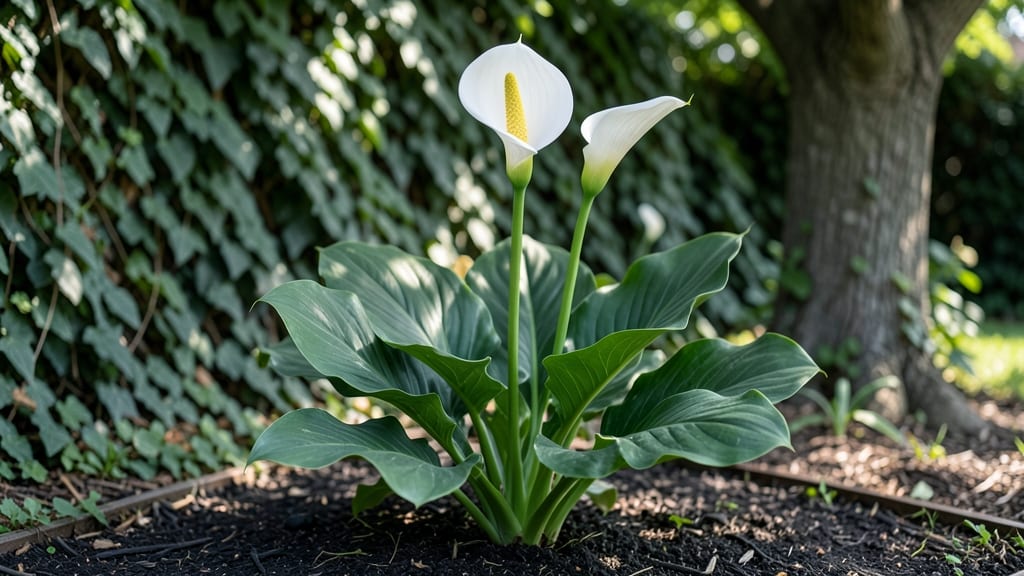
There's nothing like the moment you spot those velvety black-and-white blooms rising from the soil—your calla lilies are in bloom again. 🌿 This is the moment I live for every season, when the garden transforms into a stage for midnight drama, with each flower holding its own quiet elegance.
The secret to making this annual performance last? A little patience and the right care during their peak.
Calla lilies thrive in partial shade, especially in hotter months, and they love rich, well-draining soil. When the blooms appear, water them consistently—not too much, not too little—and avoid overhead watering to keep those petals pristine.
In tropical climates, they might bloom year-round, while temperate zones get that spectacular show in late spring or summer.
To prolong the blooms, deadhead spent flowers and feed them lightly with a balanced fertilizer every 4-6 weeks. The key is to let the foliage stay vibrant—it’s the plant’s energy reserve for next season.
After the blooms fade, don’t rush to cut back; let the leaves yellow naturally before trimming, and you’ll set the stage for even more drama next year.
Regional tweaks matter: in cooler climates, calla lilies often go dormant in winter, while warmer zones can enjoy them as perennials. Either way, a little seasonal care keeps them coming back stronger every time. Here’s how to make sure your garden’s midnight stars keep shining.
📚 In This Guide
- What you need
- Instructions
- Tips and common mistakes
- Wrapping up and next steps
What you need
- ● Fresh or dried calla lilies: 3–5 blooms (or a single stunning specimen for close-ups). Opt for Zantedeschia aethiopica (white) or Zantedeschia elliottiana (pink/red) for maximum drama.
- ● Water: 1–2 gallons in a shallow vase or bowl (for fresh lilies). Use room-temperature water to avoid shocking the stems.
- ○ Floral preservative: 1 packet (optional but extends bloom life by 3–5 days). Look for brands like Floralife or Smart & Final.
- ● Scissors or pruning shears: Sharp, clean pair to trim stems at a 45-degree angle (1–2 inches from the base).
- ● Dark, moody backdrop: Black fabric, velvet paper, or a deep-colored wall for high-contrast photography or painting.
- ● Art supplies: Watercolor or acrylic paints (black, white, and metallic gold/silver for moody effects).
- ● Fine brushes (sizes 0–2 for delicate details).
- ● Sketchbook or canvas (11x14" minimum for dramatic compositions).
- ● Photography gear: DSLR/mirrorless camera with a macro lens (50mm–105mm) for up-close shots.
- ● Tripod (for low-light midnight shoots).
- ● Diffused lighting (softbox or ring light) to avoid harsh shadows.
- ● Scent & ambiance: Vanilla or jasmine essential oil (1–2 drops in a diffuser for a sensual touch).
- ● Candles (black or gold taper candles for dramatic lighting).
- ● 🌡️ Temperature matters: Keep lilies in a cool (60–65°F) space to slow wilting.
- ● ✨ Nighttime photography hack: Use a slow shutter speed (1/15s–1/30s) to capture motion blur with candles.
- ● 🎯 Preserve dried lilies: Hang upside-down in a dark, dry place for 2–3 weeks before framing.
How to extend calla lily bloom time year after year
Here's how I keep my calla lilies thriving so they put on their dramatic show every season.
🌱 Step 1: Select the Right Varieties for Your Climate
Calla lilies thrive in zones 5-10, but some varieties handle cooler climates better. I grow Zantedeschia aethiopica (the classic white calla) and Zantedeschia elliottiana (the purple-black drama queen) because they return reliably where I live in zone 7. Choose varieties with your frost dates in mind—tender types need winter protection.
Look for established tubers at garden centers in early spring. You'll know a good tuber by its firm, plump feel and visible growth buds. Avoid any that feel soft or shriveled—those won't bounce back for your big bloom show. I always buy a few extra just in case.
☀️ Step 2: Plant in Rich, Moist Soil with Partial Sun
Callas love morning sun and afternoon shade—think dappled light under trees. I plant mine where they get 4-6 hours of sunlight daily, protected from harsh afternoon rays that can scorch the leaves. The soil needs to stay consistently moist but never soggy—amend heavy clay with compost to improve drainage.
Dig a hole twice as wide as the tuber but only 2-3 inches deep. Place the tuber horizontally with the growth buds facing upward. Cover lightly with soil and water gently. The key is keeping the roots cool while encouraging top growth—this prevents rot while promoting those showstopping blooms.
💧 Step 3: Water and Fertilize for Consistent Blooms
Water callas 1-2 inches per week, keeping the soil evenly moist but never waterlogged. I check by sticking my finger 2 inches deep—if it's dry, it's time to water. Overwatering is the #1 way to kill these beauties, so I always use pots with drainage holes if growing in containers.
Feed with a balanced liquid fertilizer (10-10-10) every 4-6 weeks during the growing season. When you see the first bloom stalk emerge, switch to a low-nitrogen, high-phosphorus formula to encourage more flowers. I swear by a slow-release granular fertilizer worked into the soil at planting time—it feeds them all season without the guesswork.
✂️ Step 4: Deadhead and Protect for Next Year's Show
After blooms fade, cut the flower stalks back to the base but leave the leaves. The foliage continues feeding the tuber until frost. I mark where I planted them with small flags—next year's blooms depend on last year's tubers storing enough energy.
In fall, when leaves yellow and die back, dig up tubers before the first frost. Let them dry in a shady spot for 1-2 weeks, then store in a cool, dark place (50-60°F) with good airflow. I keep mine in a mesh bag with peat moss to prevent drying out. With proper storage, they'll reward you with another stunning display next season.
⏰ Step 5: Time Your Planting for Peak Seasonal Drama
Plant tubers in early spring when soil reaches 60°F, about 2 weeks before last frost. In warmer zones, you can plant as early as February for summer blooms. I always plant mine in April—this gives them time to establish before the heat of summer arrives.
For a continuous show, stagger planting: put half the tubers in early spring and the rest 4-6 weeks later. This way, you'll have blooms from late spring through fall. The secret is patience—callas take their time getting established, but once they do, they put on a show worth waiting for.
Tips & tricks for perfect calla lily care
These simple strategies will help you coax dramatic, long-lasting blooms from your calla lilies every season.
Variety Selection: The right calla lily varieties make all the difference. For cooler climates like zone 7, I recommend Zantedeschia aethiopica for classic white blooms and Zantedeschia elliottiana for striking purple-black varieties. These types handle our climate's fluctuations better than tropical varieties. Look for tubers with firm, plump bodies and visible growth buds—these are the ones that'll bounce back year after year.
Planting Depth Matters: When planting in Step 2, resist the urge to bury those tubers too deep. The ideal depth is only 2-3 inches with the growth buds facing upward. This shallow planting keeps the roots cool while allowing the tops to reach sunlight quickly. I've seen beginners bury tubers too deep, which leads to rot—don't make that mistake!
Watering Wisdom: The 1-2 inches per week watering guideline is crucial, but timing matters just as much. Water in the morning so the foliage has all day to dry, preventing fungal diseases. I check moisture by sticking my finger 2 inches deep—if it feels dry, that's your cue. Overwatering is the silent killer of calla lilies, so always use containers with drainage holes if growing in pots.
Fertilizer Timing: The switch to low-nitrogen, high-phosphorus fertilizer when you see the first bloom stalk is what makes the difference between a few blooms and a spectacular show. I actually mix a slow-release granular fertilizer into the soil at planting time—this provides consistent nutrition without the guesswork of liquid feeds. The key is patience: callas need time to establish before they'll reward you with those dramatic blooms.
Pro Tips for The Calla Lilies Are In Bloom Again
- These simple strategies will help you coax dramatic, long-lasting blooms from your calla lilies every season.
- Variety Selection: The right calla lily varieties make all the difference.
- Planting Depth Matters: When planting in Step 2, resist the urge to bury those tubers too deep.
Frequently asked questions
Got questions about Zantedeschia aethiopica’s dramatic return? Here’s what you need to know—from timing to troubleshooting—so you can enjoy their midnight magic without the guesswork.
When do calla lilies typically bloom, and why do they seem to “return” at night?
Calla lilies bloom in late spring through summer (May–August in most climates), but their white, waxy spathes glow under moonlight due to their high reflectivity. The “midnight drama” effect is purely optical—no special nocturnal blooming occurs! Their timing is tied to warmth and daylight length, not darkness.
How long does a single calla lily bloom last, and can I extend its life?
A single spath (the “flower”) lasts 2–4 weeks if cut and placed in water. To prolong blooms:
- Trim stems at an angle and change water every 2 days.
- Keep them in cool (60–65°F) spots away from direct sun.
- Remove wilted spathes promptly to encourage new growth.
What if my calla lilies aren’t blooming? How do I fix it?
Common culprits:
- Too much light: Leaf scorch = sunburn. Move to bright, indirect light.
- Over/under-watering: Let topsoil dry slightly between waterings (they hate soggy roots!).
- No dormancy: After blooming, reduce water/fertilizer to trigger a 2–3 month rest.
- Poor nutrition: Feed with balanced liquid fertilizer (20-20-20) every 4–6 weeks during growing season.
Are calla lilies toxic to pets, and what’s a pet-safe alternative?
Yes!
Calla lilies contain calcium oxalate, toxic to cats/dogs (causes oral irritation, drooling, vomiting). For pet owners, try:
- Peace lilies (Spathiphyllum): Non-toxic, thrives in low light.
- Spider plants (Chlorophytum): Safe, air-purifying, and hardy.
- African violets (Saintpaulia): Pet-friendly and long-blooming.
Can I force calla lilies to bloom indoors year-round?
Not reliably, but you can coax longer blooms with these tricks:
- Temperature control: Keep nights 55–60°F and days 70–75°F.
- Grow lights: Supplement with 12–14 hours of LED light (full-spectrum bulbs).
- Container size: Use 10"+ pots for established plants (crowding stunts blooms).
Wrapping up and next steps
The return of calla lilies in bloom is more than just a seasonal spectacle—it’s a reminder of nature’s quiet yet dramatic beauty. Whether you’re admiring their striking elegance or cultivating them yourself, these flowers bring a touch of midnight drama to gardens year after year. 🌙✨
Now that you’re equipped with the knowledge to nurture them, why not take the next step? Plant a few calla lilies this season and experience their magic firsthand—or share this article with fellow gardeners to inspire their own blooming adventures!