
Blooming
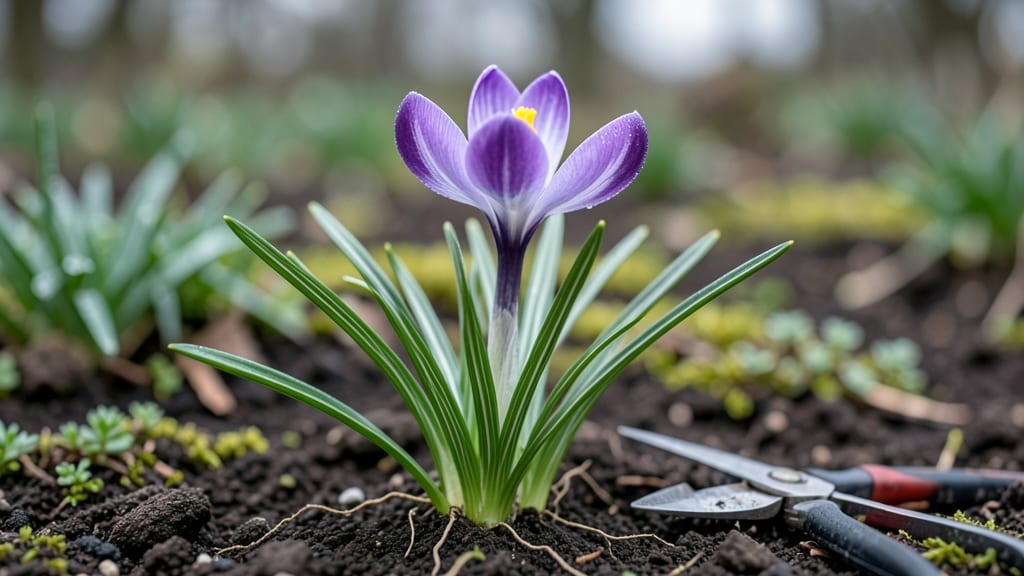
Your shade garden can burst into purple glory as soon as the snow melts—early spring blooming bulbs like crocus, grape hyacinths, and early daffodils bring color when little else does. 🌱 I’ve planted these same varieties for years, and they’ve never failed to deliver that first splash of life after winter’s dormancy.
The secret lies in timing: plant in fall for next spring’s show, but don’t stress if you missed that window—spring planting still works in mild climates.
These bulbs thrive in partial shade where many spring flowers struggle, making them perfect for under trees or along north-facing walls. Choose varieties like ‘Tête-à-Tête’ daffodils (compact and fragrant) or ‘Snow Bunch’ crocus (early and deer-resistant).
Pair them with hellebores or lungwort for a layered, long-lasting display that starts in late winter and stretches into April.
Once planted, they’re nearly maintenance-free: water lightly after blooming to build next year’s flowers, and resist the urge to deadhead until foliage yellows. The payoff?
A carpet of blooms that smells like spring itself, often before your lawn even greens up. Three weeks of vibrant color with almost no effort—that’s the magic of these shade-loving stars.
Works in zones 3-9, though timing shifts slightly north vs. south. For southern gardens, plant in late fall; in colder zones, wait until early spring. The key is getting them in the ground before the soil warms too much—then sit back and enjoy the show.
Your garden will thank you for the early color boost!
📚 In This Guide
- What you need
- Instructions
- Tips and common mistakes
- Wrapping up and next steps
What you need
- ● Early spring bulbs: Choose shade-tolerant varieties like Crocus, Galanthus (snowdrops), or Hyacinthoides non-scripta (bluebell). Aim for 10–20 bulbs per square foot for a lush carpet effect.
- ● Well-draining soil: Amend heavy clay or sandy soil with 2–3 inches of compost or aged manure to improve fertility and drainage.
- ● Garden fork or tiller: For loosening soil to a depth of 12–18 inches (ideal for bulb roots).
- ● Bone meal or bulb fertilizer: A 5-10-10 or 10-10-10 NPK ratio (2–3 tbsp per 10 sq ft) to boost blooms.
- ○ Mulch (optional but recommended): Use 2–3 inches of shredded bark, straw, or pine needles to retain moisture and suppress weeds.
- ● Hand trowel or bulb planter: For precise planting (especially for smaller bulbs like crocus).
- ● Measuring tape or ruler: To ensure bulbs are planted at the correct depth (2–3x bulb height).
- ● Watering can or hose with gentle spray nozzle: For deep but gentle watering after planting.
- ● Garden gloves: To protect hands while handling soil and bulbs.
- ● Soil test kit: To check pH (ideal range: 6.0–7.0 for most bulbs).
- ● Epsom salt: A 1 tbsp per sq ft sprinkle can enhance magnesium for vibrant blooms.
- ● Drip irrigation system: For automated, consistent watering in dry spells.
- ● Edging tools: To create clean borders for a polished look.
Step-by-step guide for planting early spring blooming bulbs
Here's how to create a fragrant purple carpet in your shade garden that blooms reliably year after year.
🌱 Step 1: Choose the Right Bulbs for Shade
Select shade-tolerant varieties like grape hyacinths, bleeding hearts, or dwarf iris—these thrive where sunlight is limited. I always opt for fragrant options like Muscari (grape hyacinth) because their sweet scent transforms early spring mornings. Avoid tulips or daffodils unless you have partial shade—they need more light to bloom well.
Check bulb size: medium bulbs (1-2 inches wide) work best for reliable blooms. Smaller bulbs may take years to establish, while oversized ones often produce fewer flowers. Look for firm, dry bulbs with no soft spots or mold—these are your best bet for strong growth.
🪴 Step 2: Prepare the Planting Site
Choose a location with dappled shade to partial shade (3-6 hours of sunlight daily). Test your soil—ideal pH for spring bulbs is 6.0-7.0. If your soil is heavy clay, mix in 2-3 inches of compost to improve drainage. I always dig a trench about 6 inches deep and 12 inches wide—this makes planting easier and ensures bulbs have room to spread.
Loosen the soil to 12 inches deep with a garden fork. Break up any compacted layers, as bulbs need loose soil to develop roots. If your garden has poor drainage, consider planting in a raised bed or mound—waterlogged bulbs rot quickly. A gentle slope helps excess water drain away naturally.
⏰ Step 3: Plant Bulbs at the Right Depth and Spacing
Plant bulbs in late summer or early fall (6-8 weeks before first frost) for best results. Space them 3-6 inches apart, depending on variety—closer spacing creates a denser carpet effect. Dig holes twice as deep as the bulb's height (e.g., a 2-inch bulb goes 4 inches deep).
Place each bulb with the pointed end facing up—this ensures proper growth direction. Cover with soil and water gently to settle it around the bulbs. Avoid pressing down too hard, as this can damage tender roots. If planting in layers, add 1 inch of compost between layers for extra nutrients.
💧 Step 4: Water and Mulch for Winter Protection
Water deeply after planting to help roots establish. Keep soil evenly moist but not soggy until the ground freezes. Once frost arrives, apply 2-3 inches of mulch (straw or shredded leaves work well) to insulate bulbs. This protects them from extreme cold and prevents soil heaving during freeze-thaw cycles.
In early spring, remove mulch when new shoots appear. You'll notice bright green leaves emerging first—this is your signal to reduce watering slightly. Overwatering now can cause bulbs to rot before they bloom. Instead, water when the top 2 inches of soil feel dry.
☀️ Step 5: Maintain for Long-Term Blooms
After flowering, let foliage die back naturally—this recharges bulbs for next year. You'll see leaves yellow and wilt, but don't cut them until they're completely brown. Fertilize lightly in early fall with a balanced bulb fertilizer (10-10-10) to support root growth before winter.
Divide crowded clumps every 3-4 years in early summer. You'll know it's time when blooms become sparse or leaves grow weakly. Simply dig up bulbs, separate them, and replant the healthiest ones. This keeps your purple carpet looking vibrant for decades.
Tips & tricks for perfect early spring blooming bulbs
Here's what nobody tells you about creating a fragrant purple carpet that thrives in shade.
Bulb Selection: I learned this the hard way after planting tulips in full shade—never do that! For reliable blooms, focus on grape hyacinths (Muscari) and dwarf iris, which handle shade beautifully. The key is choosing medium bulbs (1-2 inches wide)—smaller ones take years to establish, while oversized ones often produce fewer flowers. Look for firm, dry bulbs with no soft spots; these are your best bet for strong growth and vibrant blooms next spring.
Soil Prep Secret: The instructions mention loosening soil to 12 inches deep, but here's the real trick: if your garden has heavy clay, mix in 2-3 inches of compost before planting. This improves drainage and creates a looser environment for roots to spread. For poor drainage areas, consider a raised bed or mound—waterlogged bulbs rot quickly, and you don't want to lose your purple carpet before it even blooms.
Planting Depth and Timing: Planting in late summer or early fall (6-8 weeks before first frost) is critical, but here's what I do differently: I mark my planting calendar with the first frost date and count backward. For bulbs that need twice the depth of their height, I use a simple formula—measure your bulb, double it, and that's your planting depth. This ensures proper root development and prevents future digging headaches.
Winter Protection: After frost arrives, apply 2-3 inches of mulch—this is non-negotiable for extreme cold climates. I've seen bulbs heave out of the ground during freeze-thaw cycles, and mulch prevents that. In early spring, remove mulch only when you see bright green leaves emerging. This timing is crucial because overwatering before blooming can cause rot.
Pro Tips for Early Spring Blooming Bulbs
- Here's what nobody tells you about creating a fragrant purple carpet that thrives in shade.
- Bulb Selection: I learned this the hard way after planting tulips in full shade—never do that!
- Soil Prep Secret: The instructions mention loosening soil to 12 inches deep, but here's the real trick: if your garden has heavy clay, mix in 2-3 inches of compost before planting.
Frequently asked questions
Got questions about early spring blooming bulbs? You’re not alone! Here are some of the most common concerns—and their answers—to help you create a stunning, fragrant shade garden that blooms bright and early.
When is the best time to plant early spring bulbs?
Plant most early spring bulbs like crocus, snowdrops, and grape hyacinths in fall (September–November), about 6–8 weeks before the ground freezes. This gives roots time to establish before winter. For tulips or daffodils, aim for October in cooler climates. Pro tip: Plant in well-draining soil to prevent rot!
Will these bulbs survive harsh winters?
Most early spring bulbs are hardy to USDA Zones 3–8, meaning they’ll thrive in cold climates. However, tender varieties (like some tulips) may need mulch (2–3 inches of straw or leaves) for extra protection. Avoid planting in soggy soil—drainage is key!
Can I plant bulbs in full shade?
Many early bloomers love shade, including crocus, snowdrops, and glory-of-the-snow. For best results, choose bulbs labeled “shade-tolerant” and plant in partial to full shade (4+ hours of indirect light). Avoid deep, dense shade where bulbs may struggle to thrive.
How do I protect bulbs from squirrels or deer?
Hungry critters can be a nuisance! Deter them with:
- Chicken wire cages over planted bulbs (remove after sprouting).
- Repellents like hot pepper spray or commercial deer sprays.
- Plant bulbs in wire baskets buried in the soil.
- Choose less appealing bulbs (e.g., daffodils—deer usually avoid them!).
What do I do if my bulbs don’t bloom?
No blooms? Don’t panic! Common causes include:
- Not enough sunlight (try moving to a sunnier spot next year).
- Overwatering (bulbs rot in soggy soil—ensure drainage!).
- Improper planting depth (most bulbs need 2–3x their height buried).
- Lack of nutrients (add compost or bulb fertilizer in fall).
Give it 2–3 years—many bulbs need time to establish before they bloom reliably!
Wrapping up and next steps
Transforming your shade garden into a fragrant purple paradise is easier than you think! Early spring blooming bulbs like grape hyacinths, crocuses, and Siberian squills bring color and life to dimmer corners, proving that shade doesn’t mean sacrifice.
With the right prep—well-draining soil, patience, and a little TLC—you’ll enjoy months of blooms and a garden that feels like a secret sanctuary. 🌸
Ready to dive in? Start by sketching your garden layout this weekend—then grab those bulbs and let nature do the rest! Your future self (and pollinators!) will thank you.