
Blooming
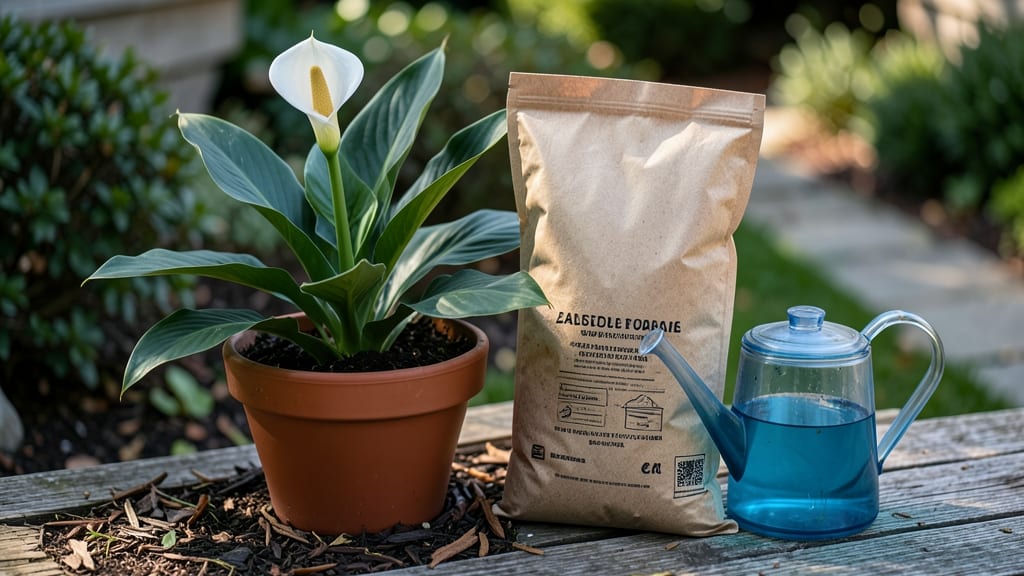
Your calla lilies are sending up dramatic foliage but refusing to bloom?
That’s the frustrating paradox of growing these showstoppers—precision light and water triggers are the secret to unlocking those iconic trumpet-shaped blooms. 🌿 I’ve wrestled with stubborn calla lilies that looked lush but never produced flowers, and the fix came down to two overlooked factors: bright, indirect light and a strict watering schedule that mimics their tropical roots.
The biggest mistake? Treating them like other houseplants. Calla lilies demand 6+ hours of bright, filtered light daily—near a south-facing window or under grow lights. Too little light means no blooms, but direct midday sun scorches their leaves.
Pair that with consistently moist (not soggy) soil—they hate dry spells but despise waterlogged roots. My plants finally bloomed after I swapped my erratic watering for a weekly soak-and-drain routine with distilled water (tap water’s chemicals stress them).
Once you nail these basics, fertilizing with a balanced liquid fertilizer every 4-6 weeks in spring and summer sends them into overdrive. You’ll see flower stalks emerge within 6-8 weeks of proper care, and each bloom lasts 2-3 weeks—longer than most cut flowers.
The key is patience: calla lilies reward consistency over quick fixes. Works for both indoor pots and outdoor garden beds, though outdoor varieties need winter dormancy in cooler climates. Here’s how to coax those blooms out—without the guesswork.
📚 In This Guide
- What you need
- Instructions
- Tips and common mistakes
- Wrapping up and next steps
What you need
- ● Calla Lily Bulbs or Tubers: Healthy, firm bulbs (avoid soft, moldy, or shriveled ones).
- ● Size: 2–4 inches in diameter (larger = more robust blooms!).
- ● Well-Draining Potting Mix: 1 part peat moss or coconut coir.
- ● 1 part perlite or pumice (for aeration).
- ● 1 part compost or well-rotted manure (for nutrients).
- ○ Optional: Add a handful of orchid bark for extra drainage.
- ● Containers: Pot size: 12–16 inches in diameter (with drainage holes!).
- ○ Optional: Glazed ceramic or fabric pots for moisture control.
- ● Water: Room-temperature, chlorine-free (rainwater or filtered is ideal!).
- ● Balanced Liquid Fertilizer: 20-20-20 or 10-10-10 NPK ratio (diluted to half-strength).
- ○ Optional: Slow-release bulb fertilizer (follow package instructions).
- ● Grow Lights (if indoors): Full-spectrum LED grow lights (12–16 hours/day).
- ● Distance: 6–12 inches above the plant.
- ○ Humidity Tray (optional): For indoor setups (pebbles + water + tray).
- ○ Thermometer/Hygrometer (optional): To monitor temps (65–80°F) and humidity (50–70%).
- ● Garden trowel or small shovel.
- ● Spray bottle (for gentle watering).
- ● Pruning shears (for dead foliage or spent blooms).
- ○ Optional: Mulch (to retain moisture in outdoor beds).
Step-by-step instructions for forcing calla lily blooms
Here's how I coax those dramatic blooms year after year—it's all about light timing and moisture precision.
☀️ Step 1: Position for Bright, Indirect Light
Calla lilies demand 6-8 hours of bright, indirect light daily—think east or west windows, or 2-3 feet from a south-facing window. Direct midday sun scorches leaves, while dim light causes stems to stretch weakly. You'll know you've got it right when leaves stay deep green with no yellowing.
Rotate the pot quarter turn weekly so growth stays even. If leaves develop a reddish tint, they're getting too much light. Move back 6 inches immediately. In winter, supplement with 14-hour LED grow lights to maintain bloom triggers.
💧 Step 2: Master the Watering Trigger System
Water when top 2 inches of soil feel dry—never on a schedule. Callas store water in their rhizomes, and overwatering causes blooms to abort. Use room-temperature water to avoid shocking roots. You'll see perfect moisture when soil looks dark but crumbles slightly when pressed.
In dormancy (fall/winter), reduce watering to every 3-4 weeks—just enough to keep rhizomes from shriveling. Overwatering during this period prevents spring blooms entirely. I use a moisture meter near the rhizome to confirm dryness before watering.
⏰ Step 3: Time Temperature and Dormancy Precisely
Blooms form when callas experience cool nights (55-60°F) and warm days (70-75°F). Move plants outside in late spring after night temps stay above 50°F. If nights drop below 45°F, bring them in immediately—cold stress halts bloom development.
After blooming, let foliage yellow naturally. When leaves die back completely, stop watering and store rhizomes in 50-55°F conditions for 8-10 weeks. This dormancy period resets the plant's energy for next season's blooms. I mark my calendar 10 weeks after leaf death to restart watering.
🌱 Step 4: Feed with Precision Timing
Apply balanced 10-10-10 fertilizer only when new growth appears in spring. Use half-strength solution to avoid leaf burn. You'll see active growth when new shoots emerge from the rhizome—this is your cue to fertilize. Over-fertilizing causes lush foliage but no blooms.
Switch to low-phosphorus fertilizer (5-10-10) once buds form to encourage blooms over leaves. I apply this every 4 weeks during bloom season. Stop fertilizing 6 weeks before dormancy to let the plant prepare for its resting period.
✂️ Step 5: Deadhead and Prune Strategically
Remove spent blooms by cutting the stem 1 inch above the next leaf node. This redirects energy to new flower production. Never pull blooms off—you'll damage stems and stress the plant. I use clean, sharp scissors to make precise cuts and sterilize them with rubbing alcohol between plants.
After blooming, trim yellow leaves to 1/3 their length to redirect nutrients. Wait until 50% of foliage has yellowed before pruning—this ensures the plant has stored enough energy for next season. Never cut into the rhizome itself, or you'll invite rot.
Tips & tricks for perfect calla lily blooms
Between us, forcing calla lilies to bloom is all about patience and precision—here's how to avoid the pitfalls that keep those dramatic blooms from appearing.
Light Positioning: The 6-8 hours of bright, indirect light is non-negotiable, but here's what I've learned: East-facing windows provide the perfect balance, while south-facing windows require that 2-3 foot distance to prevent leaf scorch. I've seen leaves develop that telltale reddish tint when they're getting too much direct sun—move them back immediately. For even growth, that weekly quarter-turn rotation keeps stems from leaning toward the light source.
Watering Precision: That moisture meter near the rhizome is your best friend. The soil should feel like a damp sponge—not soggy, not bone dry. I've ruined blooms by overwatering during dormancy, so remember: every 3-4 weeks is all they need to stay alive without encouraging new growth. Room-temperature water prevents root shock, which is especially important when you're dealing with delicate rhizomes.
Temperature Strategy: The 55-60°F nighttime range is critical for bloom formation, but here's the secret: I use a small thermometer near the plant to monitor nighttime temps. If nights dip below 45°F, bring them in immediately—cold stress is the #1 reason blooms fail to develop. During dormancy, that 50-55°F range in a cool basement or garage is ideal for resetting the plant's energy stores.
Fertilizer Timing: The switch from 10-10-10 to 5-10-10 when buds form makes all the difference. I've seen plants produce nothing but leaves when I didn't make this adjustment. That 6-week cutoff before dormancy is crucial too—it gives the plant time to store nutrients for next season's blooms. Always use half-strength solution to avoid burning those sensitive roots.
Pro Tips for Make Calla Lilies Bloom
- Between us, forcing calla lilies to bloom is all about patience and precision—here's how to avoid the pitfalls that keep those dramatic blooms from appearing.
- I've seen leaves develop that telltale reddish tint when they're getting too much direct sun—move them back immediately.
- Watering Precision: That moisture meter near the rhizome is your best friend.
Frequently asked questions
Got questions about coaxing those stunning calla lily blooms? You’re not alone!
Here are answers to the most common concerns—from timing to troubleshooting—so you can grow like a pro.
Why aren’t my calla lilies blooming, even with the right care?
Calla lilies need specific triggers to bloom: 12+ hours of darkness (like winter), well-draining soil, and balanced fertilizer (high in phosphorus). If they’re not blooming, check for overcrowding, low light, or lack of dormancy—they often need a cool, dry rest period in late fall.
How long does it take for calla lilies to bloom after planting?
With ideal conditions (bright, indirect light, consistent moisture, and the right fertilizer), calla lilies typically bloom 6–12 weeks after planting in spring. If you’re growing from rhizomes, they may take 2–3 months to show blooms. Patience is key—rushing with heat or light can delay flowers!
Can I force calla lilies to bloom out of season?
Yes! To trick them into blooming early or late, mimic their natural dormancy cycle:
- Stop watering and reduce light for 4–6 weeks in late fall.
- Move them to a cool (50–60°F) dark spot (like a basement).
- After dormancy, resume care in spring—blooms should follow in 4–8 weeks.
What temperature is best for calla lily blooms?
Calla lilies thrive in 65–80°F (18–27°C) during active growth but need cooler temps (50–60°F / 10–15°C) at night to trigger blooming. Avoid extremes—below 50°F (10°C) stunts growth, while above 90°F (32°C) causes stress. A shaded porch or greenhouse works well in hot climates.
Are there any alternatives if my calla lilies refuse to bloom?
If calla lilies prove finicky, try these low-maintenance bloomers with similar drama:
- Anthuriums – Love humidity, bloom year-round with warm temps.
- Bird of Paradise – Thrives in bright light, blooms in summer.
- Alocasia (Elephant Ear) – Stunning foliage; some varieties produce flowers.
- Hosta – Easy-care, shade-tolerant, and produces delicate blooms in summer.
Wrapping up and next steps
With the right blend of light, water, and care, your calla lilies can reward you with show-stopping blooms that last all season! Remember: balance is key—too much sun or neglect can stall their beauty.
Now that you’re armed with these precision tips, roll up your sleeves and give your plants the love they deserve.
Ready to see those elegant blooms? Start by checking your light setup this week—adjust as needed, and watch your calla lilies thrive! 🌸