
Blooming
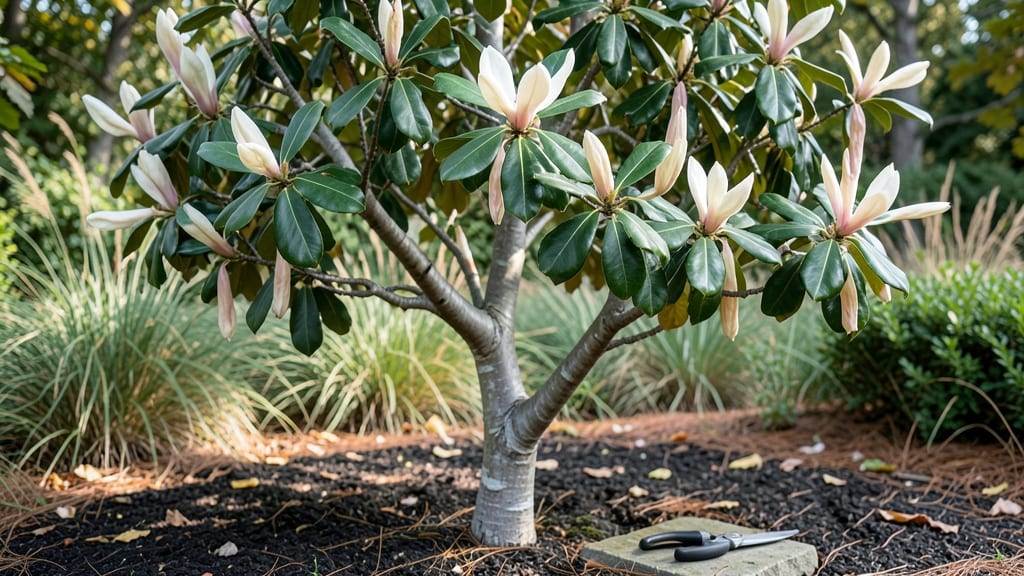
The sweetbay magnolia in bloom transforms a garden into a fragrant sanctuary. 🌿 Its glossy, dark green leaves and creamy white flowers create a dreamy, almost ethereal atmosphere—especially when the breeze carries that intoxicating, citrusy-sweet scent.
This evergreen stunner isn’t just beautiful; it’s a year-round star that thrives in the humid South and adds texture and elegance to any landscape.
Picture this: your garden’s focal point, where the soft glow of morning light highlights its delicate blossoms, or a natural border that frames a pathway with lush foliage.
Sweetbay magnolias work beautifully as standalone specimens, but they also pair wonderfully with azaleas, camellias, or even hydrangeas for a layered, romantic look. Their shade-tolerant nature makes them perfect for underplanting with ferns or hostas, creating a lush, multi-level display.
What makes this magnolia truly special is its seasonal interest—it blooms in late spring to early summer, but its glossy leaves stay vibrant all year, offering year-round structure and color.
The fragrance alone makes it worth planting, but the way it softens a garden’s edges while adding height and drama? That’s the real magic. Once you see one in full bloom, you’ll understand why it’s a Southern garden classic.
For best results, plant it where it gets partial shade to full sun—morning sun with afternoon shade works wonders in hot climates. Mulch well to keep roots cool, and watch as it becomes the centerpiece of your garden, drawing in pollinators and creating a serene, inviting space.
Trust me, your garden will never feel the same after adding one of these fragrant beauties.
📚 In This Guide
- What you need
- Instructions
- Tips and common mistakes
- Wrapping up and next steps
What you need
- ● Sweetbay magnolia seedlings or saplings: 1–3 plants (depending on desired spacing). Choose Magnolia virginiana varieties like 'Henry’s Garnet' or 'Sweetbay' for optimal fragrance and bloom.
- ● Well-draining soil: Mix equal parts native soil, compost, and sand (or perlite) for ideal moisture control.
- ● Organic mulch: 2–3 inches of pine straw, wood chips, or shredded bark to retain moisture and suppress weeds.
- ● Slow-release fertilizer: 10-10-10 or a balanced organic option (e.g., fish emulsion) to support early growth.
- ● Garden trowel or shovel for digging holes (12–18 inches wide/deep).
- ● Garden hose or watering can with a fine nozzle.
- ● Pruning shears (sterilized) for shaping and removing dead branches.
- ● Garden gloves to protect your hands from thorns and soil.
- ○ Optional: Soil pH test kit (aim for 5.0–6.0) and a wheelbarrow for transporting materials.
- ● Sunlight: A location with partial shade (4–6 hours of dappled sun daily). Avoid full sun in hot climates.
- ● Space: 10–15 feet between plants for mature growth (they can reach 20–30 feet tall!).
- ● Water source: Consistent access for deep watering (1–2 inches per week, more during droughts).
- ● Local climate check: Sweetbay magnolias thrive in USDA Zones 5–9—verify your hardiness zone!
How to care for a sweetbay magnolia in bloom
Here's the simple routine that keeps this fragrant evergreen thriving all season long.
☀️ Step 1: Position for Year-Round Sunlight
Sweetbay magnolias love morning sun and afternoon shade—especially in hotter Southern climates. I plant mine where they get 4-6 hours of filtered sunlight daily, with protection from harsh afternoon rays. The key is watching the leaves: if they show signs of scorching (brown edges), move it slightly deeper into shade.
Young trees need extra protection. For the first year, I use a lightweight shade cloth (50% block) during peak summer heat to prevent leaf burn. This evergreen stays lush all year, so avoid planting where winter winds scour the foliage—choose a sheltered spot near a building or fence.
💧 Step 2: Water Deeply but Infrequently
Sweetbay magnolias hate soggy roots but need consistent moisture. Water once weekly in summer (more during drought) until the top 6 inches of soil feel moist. You'll know it's right when water runs out the drainage holes—this signals the roots have absorbed enough. In winter, reduce to every 2-3 weeks unless we have a dry spell.
Mulch heavily with 3-4 inches of organic mulch (like pine straw or shredded bark) to lock in moisture and protect roots from temperature swings. Keep mulch 6 inches away from the trunk to prevent rot. I always check mulch depth before winter—if it's broken down, I top it up to insulate roots during cold snaps.
✂️ Step 3: Prune After Flowering Season
Never prune in late winter or early spring when buds form. Instead, wait until late summer after flowering to shape the tree. Remove only dead, crossing, or diseased branches—never cut more than 25% of the canopy at once. You'll see where branches are competing for space by looking for crowded areas where leaves don't get good airflow.
For shaping, I focus on opening the center of the tree to improve air circulation. Use clean, sharp pruners to make cuts at a 45-degree angle just above an outward-facing bud. Seal larger cuts (over ½ inch) with pruning sealant to prevent disease entry. This is the best time to also remove any suckers at the base—they drain energy from your showstopper.
🌿 Step 4: Fertilize Lightly in Early Spring
Sweetbay magnolias are light feeders. In early March, I apply a balanced 10-10-10 fertilizer (about ¼ pound per inch of trunk diameter) spread evenly in the root zone. Work it into the top 2 inches of soil and water thoroughly to activate it. Too much fertilizer causes leaf burn or weak growth.
For established trees, I switch to organic slow-release options like composted manure or worm castings in late winter. You'll know fertilization is working when you see new growth by mid-April—lush, dark green leaves that appear quickly after bud break. If leaves yellow instead, you've overdone it.
🛡️ Step 5: Protect Against Common Pests
Watch for magnolia scale (white bumps on stems) and webworms (silky webs in foliage). I treat scale with a horticultural oil spray in early spring before buds open, and webworms with Bt (Bacillus thuringiensis) when I spot the first webs. Both are easy to control if caught early—just don't wait until pests spread.
For prevention, I spray foliage with neem oil mixed with water (1 tbsp per gallon) every 4-6 weeks during growing season. This keeps aphids and mites at bay while being gentle on the tree. The best time to spray is on a cool morning when bees aren't active—this protects pollinators while you work.
Tips & tricks for perfect sweetbay magnolia care
Real talk: These simple adjustments will help your fragrant evergreen thrive for decades—no green thumb required.
Sunlight Strategy: If your magnolia gets afternoon sun exposure, watch for leaf scorch by midday. I've seen this happen when people assume "morning sun" means all-day sun—it doesn't. For extra protection, use a 50% shade cloth during peak summer hours (11 AM-3 PM) until you see how your tree handles the light. The goal is that golden afternoon glow without the crispy edges.
Watering Wisdom: The "top 6 inches moist" rule is key, but don't rely only on your finger. I test soil moisture by lifting a small section of mulch and checking 2-3 inches below—this gives you a better sense of what the roots are experiencing. In clay soil, you might need to water every 5 days instead of weekly, while sandy soil could need daily checks during droughts.
Pruning Precision: That 45-degree angle cut might seem fussy, but it actually helps water run off the wound instead of pooling. For larger branches (over 1 inch), I make the cut in three stages: first undercut, then make the main cut, and finally shape the branch collar. This prevents tearing and gives you cleaner cuts that heal faster. And always sterilize your pruners between cuts with rubbing alcohol—it's the best way to prevent disease spread.
Fertilizer Timing: Early March might seem early, but this timing ensures nutrients are available when the tree starts its spring growth spurt. I mark my calendar with a reminder because I've forgotten this step before—when I do, I notice slower bud development in spring. For organic options, worm castings work wonders but take longer to show results, so I combine them with a light application of composted manure for faster greening.
Pro Tips for Sweetbay Magnolia In Bloom
- Real talk: These simple adjustments will help your fragrant evergreen thrive for decades—no green thumb required.
- Sunlight Strategy: If your magnolia gets afternoon sun exposure, watch for leaf scorch by midday.
- Watering Wisdom: The "top 6 inches moist" rule is key, but don't rely only on your finger.
Frequently asked questions
Got questions about nurturing your sweetbay magnolia during its stunning bloom? Here are some answers to help you enjoy its fragrant beauty year-round.
When is the best time to plant a sweetbay magnolia for optimal blooming?
The ideal time to plant is in early spring or fall, when soil temperatures are mild. This gives roots time to establish before extreme heat or cold. In warmer climates (Zones 7-9), fall planting is often best to avoid summer stress. Pro tip: Water deeply after planting and mulch to retain moisture!
How long does a sweetbay magnolia typically bloom, and when should I expect flowers?
Blooms last 7–10 days per cluster, but multiple clusters may open sequentially over 4–6 weeks total. In the South, expect flowers in late spring to early summer (April–June), though timing varies by region. Fun fact: Their delicate, creamy-white blooms release a sweet, citrusy fragrance at night!
Why isn’t my sweetbay magnolia blooming this year?
Common reasons include young age (they often take 3–5 years to bloom), poor sunlight (they need partial shade), or over-fertilizing (too much nitrogen = more leaves, fewer flowers). Check for pests (like scale) or root stress. Fix it: Prune dead branches, ensure 4–6 hours of dappled light, and fertilize lightly in early spring.
Can I grow a sweetbay magnolia in a container? How do I care for it?
Yes! Choose a large container (20+ gallons) with drainage holes and use well-draining potting mix. Water when the top inch of soil is dry and move it to partial shade in summer. Repot every 2–3 years and fertilize monthly in spring/summer with a balanced formula. Warning: Containers dry out faster—monitor moisture closely!
Are sweetbay magnolias deer-resistant? What pests should I watch for?
They’re moderately deer-resistant due to their tough leaves, but hungry deer may nibble. Watch for magnolia scale (tiny bumps on leaves), webworms (silken nests), and aphids. Treat with neem oil or insecticidal soap early. Preventative tip: Prune for airflow and inspect leaves regularly!
Wrapping up and next steps
The sweetbay magnolia in bloom is more than just a sight to behold—it’s a fragrant, evergreen masterpiece that transforms any garden into a serene sanctuary. 🌿 With its glossy leaves, creamy blossoms, and intoxicating scent, this Southern gem is a low-maintenance yet high-reward addition for any outdoor space.
Ready to bring this beauty into your yard? Start by selecting the perfect spot, gathering your supplies, and following the care tips shared here. Plant with confidence, and soon, you’ll be enjoying the sweetbay magnolia’s magical charm year after year!