
Blooming
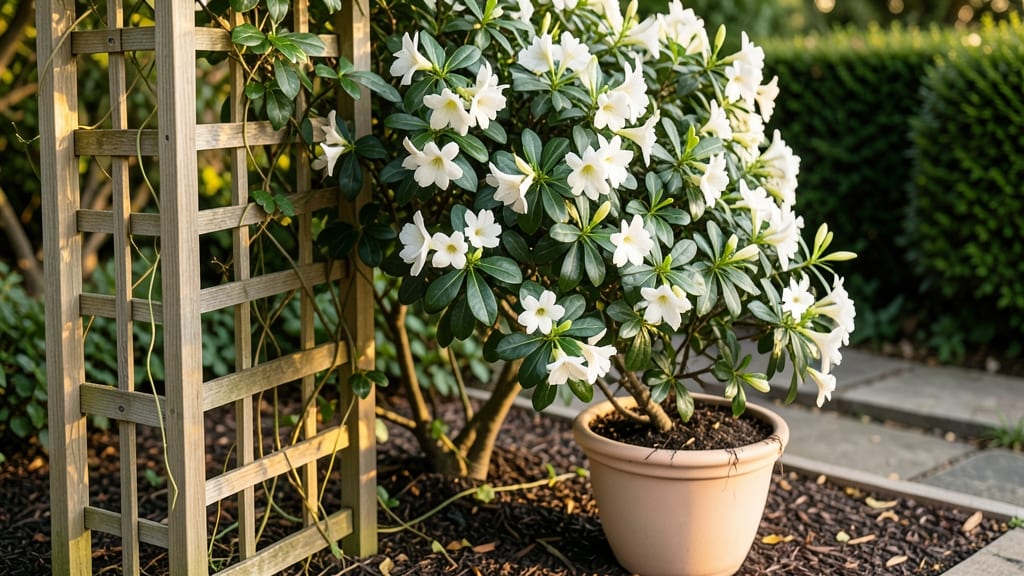
Summer blooming jasmine transforms any garden into a fragrant sanctuary when planted and cared for just right. 🌿 I’ve learned that the key to those heady, intoxicating blooms lies in understanding its summer-specific needs—timing, sunlight, and a few strategic cuts that keep it flowering until frost.
The varieties that shine in summer heat are Arabian jasmine and pink jasmine, both of which thrive in full sun and well-drained soil.
Unlike their spring-blooming cousins, these stay lush and productive through the hottest months, rewarding you with clusters of white or pink flowers that perfume the air at dusk. Pruning in early summer—right after the first flush of blooms—encourages a second, even heavier flush by fall.
Water deeply once a week, and watch for spider mites, which love dry conditions. A light spray of neem oil keeps them in check without harming pollinators. For design, train it along a trellis or fence where its vines can cascade dramatically.
Pair it with drought-tolerant perennials like lavender or rosemary to create a low-maintenance, fragrant border that lasts all season. Here’s how to make it thrive.
📚 In This Guide
- What you need
- Instructions
- Tips and common mistakes
- Wrapping up and next steps
What you need
- ● Summer blooming jasmine plant: 1–3 nursery-grown plants (e.g., Jasminum officinale or Jasminum polyanthum for summer blooms). Choose healthy, pest-free specimens with vibrant green leaves.
- ● OR Seeds or cuttings (if propagating from scratch). Seeds may take 1–2 years to bloom, while cuttings root faster.
- ● Well-draining potting mix or garden soil: 5–10 gallons, amended with compost (20–30% organic matter) for fertility.
- ○ Containers (optional but recommended for climates with frost): 1–2 large pots (12–18 inches deep) with drainage holes, or a raised garden bed.
- ● OR A trellis or arbor (for climbing varieties) with a diameter of at least 4–6 feet.
- ● Slow-release fertilizer: 10–20-10 NPK ratio (e.g., Osmocote or Miracle-Gro Shake ’n Feed), 1–2 cups per plant.
- ● Mulch: 2–3 inches of pine bark or straw to retain moisture and regulate soil temperature.
- ● Watering can or hose with a gentle spray nozzle: For deep, infrequent watering (1–2 gallons per plant, 2–3 times per week).
- ● Gloves: Heavy-duty gardening gloves to protect hands from thorns (common in Jasminum species).
- ● Pruning shears: Sharp, sterilized shears for trimming dead or overgrown stems (avoid dull blades to prevent disease).
- ● Trowel or spade: For digging holes (1–2 times the width of the root ball) and transplanting.
- ● Support structure (if climbing): A sturdy trellis, fence, or pergola (jasmine vines can grow 10–15 feet long!).
- ● Sunlight access: At least 6–8 hours of direct sunlight daily (partial shade in hot climates like the Southwestern U.S.).
- ○ pH test kit (optional): Ideal soil pH: 6.0–7.0. Adjust with lime (to raise pH) or sulfur (to lower) if needed.
- ● Epsom salt: 1 tablespoon dissolved in 1 gallon of water (monthly spray for magnesium boost and fragrant blooms).
- ● Neem oil or insecticidal soap: For organic pest control (aphids or spider mites can target jasmine).
- ● Decorative stakes or garden flags: To label your jasmine variety and track growth.
- ● Automatic drip irrigation system: For hands-off watering in hot summers.
Step-by-Step instructions for planting summer blooming jasmine
Here's how to establish fragrant jasmine for years of effortless summer blooms—no fancy tricks, just reliable results.
🌱 Step 1: Select the Right Location and Prepare the Soil
Jasmine thrives in well-draining soil with full sun to partial shade—at least 6 hours of sunlight daily for optimal flowering. I always test the soil first by squeezing a handful; if it stays clumped, add 2-3 inches of organic compost to improve drainage. The ideal spot balances warmth for blooms with afternoon shade to prevent leaf scorch.
Dig a hole twice as wide as the root ball but only as deep—planting too deep suffocates roots. Loosen the sides of the hole with a garden fork to encourage root spread. If your soil is heavy clay, mix in 1 part perlite to 3 parts native soil to prevent waterlogging, which jasmine hates.
🪴 Step 2: Plant and Water for Immediate Stability
Remove the jasmine from its container and gently tease apart any root-bound roots—you'll see a tight network circling the root ball. Place the plant in the hole so the top of the root ball sits level with the surrounding soil. Press firmly around the edges to eliminate air pockets.
Water deeply with 1 gallon of water immediately after planting to settle the soil and eliminate gaps. Mulch with 2-3 inches of wood chips (not fresh mulch—it robs nitrogen) to retain moisture and regulate soil temperature. The mulch should extend 2-3 inches out from the plant stem but never touch the trunk itself.
☀️ Step 3: Provide Consistent Care for Year-Round Growth
Jasmine needs regular watering—about 1 inch per week during the growing season, but never let it sit in soggy soil. You'll know it's thirsty when the top 1-2 inches of soil feel dry to the touch. In containers, water every 4-5 days unless it rains, as pots dry out faster.
Fertilize once in early spring with a balanced 10-10-10 fertilizer (use ½ the recommended dose) to avoid burning tender roots. I skip summer fertilizing—jasmine blooms best when focused on flowering, not leafy growth. Prune dead or crossing branches in late winter to encourage air circulation and stronger blooms.
✂️ Step 4: Prune for Abundant Summer Blooms
The key to summer blooms is pruning after flowering. Wait until late summer or early fall when blooms fade, then trim back one-third of the current season's growth to the nearest leaf node. This encourages bushier growth and more flowers next season. Always use clean, sharp pruners to avoid tearing stems.
Remove any weak or leggy stems—these drain energy from the plant. You'll see new shoots emerge from the base within 2-3 weeks, signaling the plant is responding well. For climbing varieties, train vines along a trellis or fence by tying them gently with soft plant ties every 6-8 inches to support their weight.
Tips & tricks for perfect summer jasmine planting
Here's what nobody tells you about getting your fragrant jasmine to thrive—these are the details that make the difference between a struggling plant and one that bursts into summer blooms.
Soil Preparation Secret: Before amending your soil, do this quick test: squeeze a handful of damp soil in your fist. If it holds its shape tightly, you need those 2-3 inches of organic compost to improve drainage. For heavy clay soil, the 1:3 perlite mix is non-negotiable—jasmine roots need oxygen, not waterlogged conditions. I've seen plants drown in clay soil even with regular watering, so don't skip this step if your soil feels dense. The goal is to create a sponge-like texture that holds moisture but drains freely.
Planting Depth Matters: That "as deep as the root ball" guideline in Step 1 is critical—planting too deep suffocates roots by preventing oxygen flow. When you place your jasmine, the top of the root ball should sit flush with the surrounding soil, not buried. Think of it like a tire: if you bury it too deep, it won't roll properly. After planting, press firmly around the edges to eliminate air pockets that could trap moisture against the roots.
Watering Wisdom: The 1-gallon initial watering is just the beginning—jasmine needs consistent moisture but hates soggy soil. Here's my trick: after watering, stick your finger 1-2 inches into the soil. If it feels dry at that depth, water again. In containers, I check every 4-5 days because pots dry out faster than ground soil. The key is to keep the soil consistently moist without creating a swampy environment—jasmine roots need to breathe.
Pruning Timing Tip: That late summer/early fall pruning window is your secret weapon for next year's blooms. Wait until flowers fade completely before cutting back one-third of the current season's growth. I always mark my calendar because timing is everything—prune too early and you cut off potential blooms; too late and you miss the chance to encourage bushier growth. For climbing varieties, those 6-8 inch intervals for soft plant ties create the perfect structure for vines to climb without snapping under their own weight.
Pro Tips for Summer Blooming Jasmine
- Here's what nobody tells you about getting your fragrant jasmine to thrive—these are the details that make the difference between a struggling plant and one that bursts into summer blooms.
- Soil Preparation Secret: Before amending your soil, do this quick test: squeeze a handful of damp soil in your fist.
- Planting Depth Matters: That "as deep as the root ball" guideline in Step 1 is critical—planting too deep suffocates roots by preventing oxygen flow.
Frequently asked questions
about summer-blooming jasmine—because every gardener deserves a fragrant, hassle-free experience!When is the best time to plant summer-blooming jasmine?
Plant your jasmine in early spring (after the last frost) or late fall for the best root establishment. If you’re in a warm climate, fall planting (3-4 weeks before the first frost) gives roots time to settle before summer heat. Avoid planting during extreme heat—jasmine hates soggy roots but thrives in well-draining soil!
How long does it take for summer-blooming jasmine to flower?
With patience (and proper care!), expect 1-2 years for established blooms. Young plants may produce sparse flowers in their first summer, but mature jasmine (3+ years old) bursts into abundant, fragrant blooms from June through September. Pro tip: Prune lightly after flowering to encourage next year’s growth!
Can summer-blooming jasmine survive winter in cold climates?
Most summer-blooming varieties (like Jasminum officinale or J. humile) are hardy to USDA Zones 7-10. In colder zones (below 5°F), mulch heavily with straw or leaves and wrap the base with burlap. Evergreen varieties (like star jasmine) handle frost better—check your local nursery for cold-resistant picks!
What should I do if my jasmine isn’t blooming?
No flowers? Don’t panic—common fixes include:
- More sun: Jasmine needs 6+ hours of sunlight daily (partial shade = fewer blooms).
- Prune strategically: Trim after flowering to remove dead wood and encourage new growth.
- Fertilize lightly: Use a balanced, low-nitrogen fertilizer (like 10-10-10) in spring.
- Check for pests: Spider mites or aphids can stress plants. Spray with neem oil if needed!
Are there fragrant alternatives to summer-blooming jasmine?
If jasmine isn’t your vibe, try these fragrant, low-maintenance bloomers:
- Mock Orange (Philadelphus) – Creamy, citrusy blooms in summer.
- Gardenia (Gardenia jasminoides) – Tropical, intoxicating scent (needs warmth!).
- Rose of Sharon (Hibiscus syriacus) – Late-summer blooms with a sweet fragrance.
- Lavender (Lavandula) – Drought-tolerant and incredibly aromatic.
Wrapping up and next steps
Summer blooming jasmine isn’t just a fleeting summer beauty—it’s a fragrant, low-maintenance perennial that can transform your garden into a year-round sanctuary of elegance. Whether you’re growing it for its intoxicating scent, lush greenery, or effortless charm, this versatile plant delivers joy without the fuss.
Ready to elevate your outdoor space? Start by selecting the perfect variety for your climate, then dive into planting or propagating to create your own fragrant retreat.
Your next step:
- 🌱 Plant now—whether in pots or garden beds—and watch your jasmine thrive.
- 📅 Mark your calendar for pruning in late winter to encourage even more blooms next season.
- 💐 Share the love—clip a cutting and gift it to a fellow plant enthusiast!