
Blooming
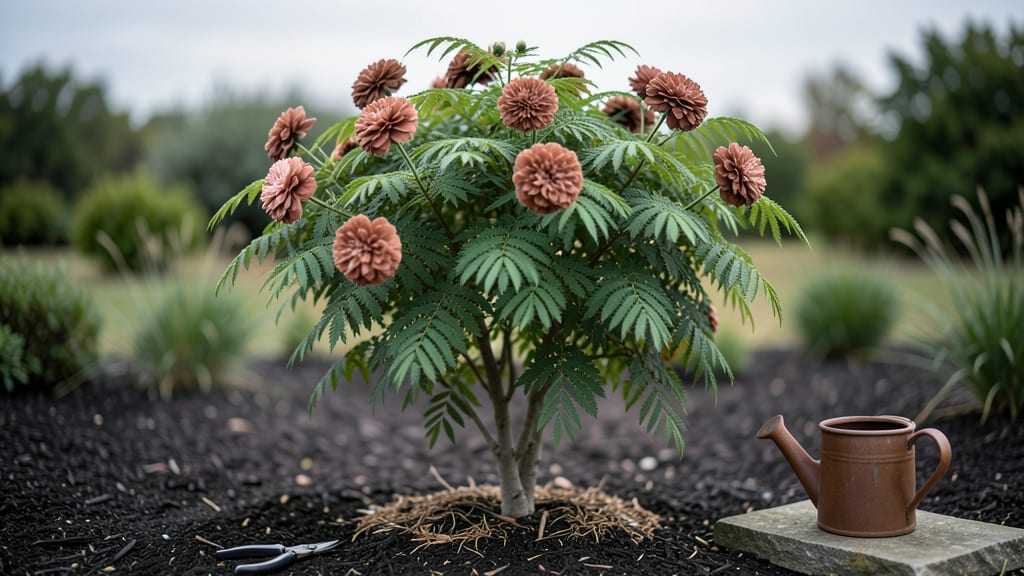
Double bloom Rose of Sharon transforms your yard into a pink cloud every summer. 🌸 I planted mine last spring, and by July, it was covered in layers of ruffled petals—no deadheading, no fuss, just wave after wave of blooms.
The secret lies in the right spot, soil, and a little strategic pruning that keeps it flowering like crazy all season.
This shrub thrives in full sun but tolerates partial shade, making it perfect for small yards or urban gardens. Well-draining soil is key—amend heavy clay with compost—and water deeply once established (about 1 inch per week).
The double blooms need a little extra care, but the payoff is worth it: 3-4 weeks of continuous color that most roses can't match.
Pruning in late winter or early spring is where the magic happens. Cut back old wood by about 1/3 to encourage new growth, and remove any crossing branches.
This keeps the shrub compact and packed with blooms. By midsummer, you’ll have a bush so dense with flowers it looks like a living chandelier.
Pests rarely bother it, but watch for Japanese beetles—they adore these blooms. A quick spray of neem oil keeps them away. With the right care, your Rose of Sharon will rebloom year after year, outshining even the fanciest annuals. Let’s get yours growing!
📚 In This Guide
- What you need
- Instructions
- Tips and common mistakes
- Wrapping up and next steps
What you need
- ● Double Bloom Rose of Sharon Plant: 1-2 nursery-grown plants (bare-root or potted, 2-3 ft tall). Look for labeled varieties like ‘Diana’ or ‘Blue Bird’ for stunning double blooms!
- ● Well-Draining Soil: 1 bag of garden loam + 1 bag of compost (50/50 mix). Amend with 1 cup of perlite per 5 sq ft to improve drainage.
- ● Sunlight Spot: Full sun (6+ hours daily) or partial shade (4-6 hours) in hot climates.
- ● Watering Can or Hose: 1 gallon capacity for deep watering (2-3 times per week, more in extreme heat).
- ● Pruning Shears: Bypass pruners (sharp, clean, and disinfected) for shaping and deadheading.
- ● Mulch: 2-3 inches of organic mulch (shredded bark or straw) to retain moisture and suppress weeds.
- ● Slow-Release Fertilizer: 1 lb of 10-10-10 NPK or rose-specific granules for a nutrient boost (apply in early spring).
- ● Staking or Support: 3-4 bamboo stakes + twist ties if your variety grows tall or leggy.
- ● Plant Food Spikes: 5-10 osmocote spikes for continuous feeding (insert in spring).
- ● Pest Control: Neem oil or insecticidal soap (pre-mixed, 16 oz spray bottle) for aphids or Japanese beetles.
- ● Gloves: 1 pair of gardening gloves (nitrile-coated for thorns!).
Step-by-Step instructions for planting and caring for double bloom Rose of Sharon
Here's how to grow this stunning perennial with minimal effort and maximum rebloom results.
🌱 Step 1: Choose the Perfect Planting Location
Double Bloom Rose of Sharon thrives in full sun to partial shade, with at least 6 hours of direct sunlight daily. I plant mine where they get morning sun and afternoon shade—this prevents leaf scorch while still encouraging abundant blooms. The plant tolerates heat and humidity beautifully, making it perfect for zones 5-9.
Check your site's drainage by digging a 12-inch hole—if water pools after 30 minutes, amend the soil with 2-3 inches of compost to improve drainage. Heavy, compacted soil will suffocate the roots and lead to poor performance. I always test my soil's pH too; Rose of Sharon prefers a slightly acidic to neutral range of 6.0-7.0.
🪴 Step 2: Plant at the Right Depth and Spacing
Dig a hole twice as wide as the root ball but only as deep as the plant's container. This prevents burying the graft union (if using a grafted plant) or the base of the stem. Gently remove the plant from its container and loosen any circling roots with your fingers—this encourages outward growth instead of root binding.
Place the plant in the hole so the top of the root ball sits 1 inch above ground level. The plant needs this slight elevation to prevent water from pooling around the stem. Space plants 6-8 feet apart for full, lush growth and proper air circulation. I always water the hole deeply before planting to settle the soil and eliminate air pockets around the roots.
☀️ Step 3: Water Deeply and Mulch for Retention
After planting, water deeply until the soil is 6-8 inches down—this encourages roots to grow downward rather than stay shallow. Water again in 7-10 days to help establish the root system before letting the soil dry slightly between waterings. Overwatering at this stage leads to root rot, which is especially dangerous for newly planted perennials.
Spread 2-3 inches of mulch around the base, keeping it 3 inches away from the stem to prevent moisture buildup. I use shredded bark or wood chips because they break down slowly and improve soil structure over time. This mulch layer also suppresses weeds and maintains even soil moisture, reducing your watering frequency by up to 30%.
✂️ Step 4: Prune for Shape and Encourage Rebloom
Prune your Double Bloom Rose of Sharon in early spring before new growth begins. Cut back the previous year's growth by one-third to encourage strong, bushy growth. Remove any dead, diseased, or crossing branches first—they compete with healthy growth for nutrients. I always sterilize my pruners with rubbing alcohol between cuts to prevent spreading disease.
For continuous blooms, deadhead spent flowers by cutting back to the first set of healthy leaves below the bloom. This redirects the plant's energy into producing new flowers instead of seed development. You'll see a second flush of blooms in 6-8 weeks if you keep up with regular deadheading. Avoid heavy pruning in late summer—this can reduce next year's bloom potential.
💧 Step 5: Feed and Maintain for Long-Term Health
Apply a balanced 10-10-10 fertilizer in early spring when new growth appears, then again after the first flush of blooms. I use a slow-release granular fertilizer to avoid burning the roots. Water the area thoroughly before and after applying fertilizer to help distribute nutrients evenly. Avoid high-nitrogen fertilizers—they promote leafy growth at the expense of flowers.
Monitor your plants for pests like Japanese beetles or spider mites, which can defoliate Rose of Sharon quickly. I spray affected areas with neem oil as a preventive measure, especially during hot, dry spells when pests are most active. With proper care, your Double Bloom Rose of Sharon will reward you with stunning, repeat blooms from mid-summer through fall, often lasting until first frost.
Tips & tricks for perfect double bloom Rose of Sharon
These simple strategies will help you avoid common pitfalls and maximize those stunning repeat blooms.
Sunlight Secret: While Step 1 mentions 6 hours of sunlight, I've found that morning sun with afternoon shade is ideal for my zone 7 garden. If you notice leaf scorch (brown edges), move plants to a spot with more afternoon shade. The goal is bright light without midday intensity—this keeps leaves healthy while encouraging blooms.
Root Establishment Hack: In Step 3, that deep watering to 6-8 inches is crucial, but I add a trick: water again in exactly 7-10 days (not sooner!) to establish roots without overwatering. The second watering signals the plant it's time to spread roots deeper. After that, let the soil dry slightly between waterings—this prevents root rot while maintaining moisture.
Pruning Precision: When you're cutting back by one-third in Step 4, look for the first set of healthy leaves below each bloom—this is your guide. I always make cuts at a 45-degree angle just above these leaves to prevent water from pooling on the stem. For rebloom, deadhead consistently every 2-3 weeks during bloom season, not just after the first flush.
Fertilizer Timing: The 10-10-10 fertilizer application in Step 5 works best when split into three smaller doses: first when growth appears in spring, second after the first flush of blooms, and third in early summer. This gradual feeding prevents nutrient burn while supporting continuous blooming. I also mix in a handful of compost with each application for extra organic matter.
Pro Tips for Double Bloom Rose Of Sharon
- These simple strategies will help you avoid common pitfalls and maximize those stunning repeat blooms.
- Sunlight Secret: While Step 1 mentions 6 hours of sunlight, I've found that morning sun with afternoon shade is ideal for my zone 7 garden.
- Root Establishment Hack: In Step 3, that deep watering to 6-8 inches is crucial, but I add a trick: water again in exactly 7-10 days (not sooner!) to establish roots without overwatering.
Frequently asked questions
What does "double bloom" mean for Rose of Sharon?
A double bloom variety produces clusters of two flower cycles per season—typically spring and again in summer/fall. Unlike single-bloom types, these cultivars like 'Avalanche' or 'Summer Wine' reward you with extra floral displays without deadheading. Think of it as nature’s bonus round!
How long does it take for Double Bloom Rose of Sharon to flower after planting?
Patience is key! Most cultivars take 1–2 years to establish roots and bloom fully. First-year plants may show small, sparse flowers—focus on watering and mulching. By year two, expect lush, repeat blooms if given full sun and well-draining soil.
Why isn’t my Double Bloom Rose of Sharon reblooming this season?
Common culprits include:
- Over-pruning: Prune in late winter/early spring (never after blooms appear).
- Poor soil: Amend with compost for nutrients. These plants thrive in slightly acidic to neutral soil (pH 6.0–7.0).
- Water stress: Drought or soggy roots can stunt blooms. Aim for 1–1.5 inches of water weekly.
- Fertilizer timing: Apply a balanced, low-nitrogen fertilizer (like 10-10-10) in early spring and mid-summer.
If issues persist, check for pests (like spider mites) or fungal diseases (e.g., powdery mildew).
Can Double Bloom Rose of Sharon grow in containers or small gardens?
Dwarf varieties like 'Amethyst Showers' (3–4 ft tall) thrive in large containers (15+ gallons) with drainage holes. Use a lightweight potting mix and repot every 2–3 years to refresh nutrients. Place in full sun and water consistently—containers dry out faster!
Are there alternatives to Double Bloom Rose of Sharon with similar low-maintenance charm?
If you love the reblooming, drought-tolerant vibe, try:
- Butterfly Bush (Buddleia): Fragrant blooms, attracts pollinators, and reblooms with minimal care.
- Weigela: Bold flowers, fast-growing, and heat-tolerant.
- Abelia: Semi-evergreen shrub with continuous blooms and glossy leaves.
- Spirea (Spiraea japonica): Compact, colorful, and thrives in partial shade.
Each offers zero-fuss beauty—just pick based on your climate and color preferences!
Wrapping up and next steps
The Double Bloom Rose of Sharon is a gardener’s dream—easy to grow, stunningly beautiful, and packed with zero-fuss reblooming magic! 🌸 With the right spot, soil, and a little seasonal care, you’ll enjoy cascades of vibrant blooms from summer through fall.
Whether you’re a seasoned green thumb or a curious beginner, this shrub delivers low-maintenance elegance that’s hard to beat.
Ready to transform your garden? Start by selecting your favorite variety—then grab those pruners and get planting! Your future self (and your neighbors) will thank you for this showstopping addition. 🌿✨