
Pruning
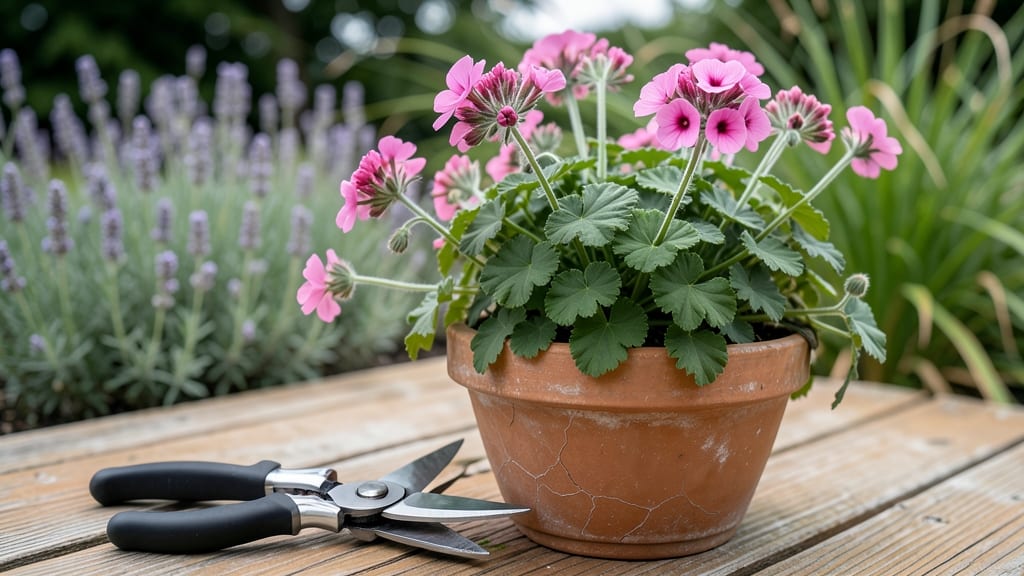
Pruning geraniums for more blooms isn’t just about snipping stems—it’s about unlocking their full potential. 🌸 Last summer, my once-sparse geraniums exploded into a riot of color after I learned the right timing and technique, and now I never go back to the old way.
The key is understanding when to cut, how much to remove, and what to do with those spent blooms to keep the flowers coming.
You’ll need just three things: sharp pruners (clean and sharp is critical), a sunny spot for your plants, and a little patience. The best time to prune is right after a flush of blooms fades—this encourages new growth and more flowers.
For annuals, you can prune lightly throughout the season, while perennials need a more structured approach in early spring and again after flowering. Over-pruning is the biggest mistake, so never cut more than a third of the plant at once.
After pruning, your geraniums will bounce back with fresh, vibrant growth within 10-14 days, and you’ll see a surge of new blooms in just 3-4 weeks. The secret is consistent care: water deeply after trimming, fertilize lightly, and keep them in full sun.
The result? A plant that flowers nonstop from spring until frost, with blooms so dense they look like a living carpet of color.
This method works for all geranium types—zonal, ivy, and regal—whether you’re growing them in pots on a patio or in garden beds. The only difference is the timing: annuals can be pruned more aggressively, while perennials need a gentler touch to survive winter. Let’s get those shears ready!
📚 In This Guide
- What you need
- Instructions
- Tips and common mistakes
- Wrapping up and next steps
What you need
- ● Clean, sharp pruning shears – A bypass pruner (4-6 inch blades) works best to avoid crushing stems.
- ● Hand pruners or small scissors – For delicate trimming of smaller stems or deadheading.
- ● Rubbing alcohol (70% isopropyl) or bleach solution – To sterilize tools between cuts (mix 1 part bleach with 9 parts water).
- ○ Gloves (optional but recommended) – Protect your hands from thorns and sap (nitrile or leather gloves work well).
- ● Compost bin or garden waste bag – For disposing of pruned stems (or repurpose them for propagation!).
- ● Balanced, water-soluble fertilizer – A 10-10-10 or 20-20-20 ratio (e.g., Miracle-Gro) to feed plants post-pruning.
- ● Pruning saw – Only needed if dealing with thick, woody geranium stems (rare for most varieties).
- ● Plant markers or labels – To track pruning dates or varieties if you have multiple geraniums.
- ● Horticultural oil or neem oil – For treating cuts if you notice signs of disease or pests.
- ● Spray bottle with water – To mist stems and reduce stress during heavy pruning.
Step-by-step guide to pruning geraniums for more blooms
Here's the method I use every year to keep my geraniums bushy and flowering nonstop.
✂️ Step 1: Identify the Right Time to Prune
Prune geraniums twice a year for maximum blooms: once in early spring (just as new growth appears) and again in mid-summer (after the first flush of flowers). You'll know it's time when you see new leaves emerging in spring or when spent blooms cover 30% of the plant in summer. Avoid pruning in fall or winter—geraniums need their foliage to store energy for next year.
I always prune on a mild, overcast day to reduce stress on the plant. Morning is ideal because the plant has all day to recover before evening temperatures drop. If you must prune in hot weather, do it in the late afternoon when temperatures are cooler. Never prune when the plant is under stress from drought or extreme heat.
✂️ Step 2: Use the Right Tools and Technique
Use clean, sharp pruning shears (or scissors) to make precise cuts. Dull blades crush stems and invite disease. I disinfect my tools with rubbing alcohol between cuts to prevent spreading any potential pathogens. For geraniums, you'll want to cut just above a leaf node—that's where new growth emerges.
Look for the small bump or joint where leaves attach to the stem. This is your target spot. Cutting here encourages branching, which leads to more flowers. Avoid cutting into woody stems—geraniums don't regenerate well from old wood. If you accidentally cut too far down, don't worry; the plant will still recover as long as you leave some healthy growth.
✂️ Step 3: Prune for Shape and Health
Start by removing dead, diseased, or damaged stems first. These are easy to spot—they're brown, mushy, or covered in spots. Cut these out completely at the base. Next, trim back overly leggy stems by about one-third of their length. This might sound drastic, but geraniums bounce back quickly and produce even fuller growth.
Shape the plant by cutting back the longest stems to encourage a compact, bushy form. Aim for a rounded shape rather than a flat top. This helps sunlight reach all parts of the plant, which promotes even flowering. After shaping, remove any spent blooms (those with dried-up petals) by snipping the stem just above the next set of leaves. This redirecting energy to new flower production.
🌿 Step 4: Post-Pruning Care for Recovery
Water your geraniums deeply after pruning to help them recover. The roots need moisture to support new growth, especially if you've cut back a lot of foliage. I use a watering can with a rose attachment to direct water to the base without disturbing the soil. Avoid getting water on the leaves to prevent fungal issues.
Place your pruned geraniums in a bright, indirect light spot for a few days. This gives them time to adjust before returning to full sun. You'll see new leaves emerging within 7-10 days—that's your sign the plant is thriving. Fertilize lightly with a balanced, water-soluble fertilizer (like 10-10-10) diluted to half strength to support the fresh growth. Too much fertilizer now can burn the tender new shoots.
☀️ Step 5: Maintain Through the Season
After the initial pruning, keep up with regular deadheading every 1-2 weeks. Pinch off spent blooms as they appear to encourage continuous flowering. Geraniums are heavy producers, so you'll stay busy! Check the plant weekly for new growth at the nodes—this is where your bushy, flowering plant is taking shape.
If your geraniums start looking leggy again in late summer, give them a light trim to promote one last flush of blooms before fall. Reduce watering slightly in late summer to harden off the plant for winter. By late September, stop fertilizing entirely so the plant can focus on storing energy for next year. With this care, you'll have vibrant blooms from spring through fall—and maybe even a few surprises in winter if you keep them indoors.
Tips & tricks for perfect geranium pruning
Real talk: Pruning geraniums right can transform your plants from sparse to spectacular. These small adjustments make all the difference between a few blooms and a nonstop floral show.
Timing is Everything: The early spring and mid-summer pruning windows are non-negotiable for geraniums. In spring, wait until you see those first fresh leaves unfurling—this means the plant is ready to bounce back. In summer, don't wait until the plant is half-dead with spent blooms; aim for when about 30% of the flowers have faded. I learned this the hard way after pruning too late and watching my plants struggle to recover.
Tool Precision Matters: Your pruning shears aren't just tools—they're your plant's health partners. I can't stress enough how important it is to keep them clean and sharp. Before each cut, wipe the blades with rubbing alcohol to prevent spreading any hidden pathogens. And here's what nobody tells you—when you cut just above that leaf node, you're not just shaping the plant, you're telling it exactly where to grow next. That little bump is like a growth instruction manual for geraniums.
Shape with Purpose: That rounded shape isn't just for looks—it's a sunlight strategy. When you cut back the longest stems to create a compact form, you're ensuring every leaf gets equal access to sunlight. This isn't about making your plants look like topiary; it's about maximizing photosynthesis for more flowers. And when you're removing those leggy stems by one-third, you're not being cruel—you're giving the plant a chance to grow bushier and stronger from the base.
Recovery Care Makes the Difference: After pruning, your geraniums need a little TLC to recover. That deep watering isn't just about hydration—it's about giving the roots the moisture they need to support all that new growth. And placing them in bright, indirect light for a few days is like giving them a spa day. The new leaves that appear in 7-10 days are your reward for proper post-pruning care, and they're your sign that all your hard work is paying off.
Pro Tips for Prune Geraniums For More Blooms
- Real talk: Pruning geraniums right can transform your plants from sparse to spectacular.
- Timing is Everything: The early spring and mid-summer pruning windows are non-negotiable for geraniums.
- Tool Precision Matters: Your pruning shears aren't just tools—they're your plant's health partners.
Frequently asked questions
Got questions about pruning geraniums?
You’re not alone! Here are answers to the most common concerns—so you can keep those blooms coming strong all season.
When is the best time to prune geraniums for maximum blooms?
Prune geraniums twice a year: early spring (just as new growth starts) and mid-summer (after the first flush of blooms). Avoid pruning in fall or winter—this is their dormant season, and cutting back too late can stunt next year’s growth. Think of it like giving your plants a haircut at the right time!
How far back should I cut geranium stems?
Trim stems just above a leaf node (where leaves meet the stem) or a set of healthy leaves. Avoid cutting into bare, woody stems—this can leave your plant vulnerable to disease. A good rule of thumb: Cut back to about 1/3 of the plant’s height in spring and pinch back just above the 5th or 6th leaf in summer.
What if my geraniums stop blooming after pruning?
Don’t panic! Geraniums often need a little time to bounce back. If blooms slow down, check for over-pruning (too aggressive cuts) or lack of sunlight (they need 6+ hours of sun daily). Deadhead spent blooms regularly to encourage new flowers. If the problem persists, your plant might need fertilizer (use a balanced, water-soluble one every 4-6 weeks).
Can I prune geraniums in containers differently than those in the ground?
Yes! Container geraniums often grow more compactly, so you can be a little gentler with pruning. Focus on shaping rather than drastic cuts—trim leggy stems and encourage bushiness. Since containers dry out faster, water thoroughly after pruning to help them recover. Also, rotate pots occasionally for even growth!
What should I avoid when pruning geraniums?
- Dull or dirty tools: Always use sterilized pruners to prevent disease. Wipe blades with rubbing alcohol between cuts.
- Pruning in wet weather: Wait until the plant is dry to trim—this reduces the risk of fungal infections.
- Cutting too late in the season: Avoid heavy pruning after mid-August (in most climates) to allow time for new growth before winter.
- Ignoring yellow or diseased leaves: Remove any unhealthy foliage before pruning to keep your plant thriving.
Pro Tip: Save those cuttings!
Don’t toss your pruned stems! Place them in water to root and propagate new geraniums. It’s a great way to multiply your plants for free—just keep the cuttings in bright, indirect light until roots form (about 2-3 weeks).
Wrapping up and next steps
Pruning your geraniums doesn’t have to be intimidating—it’s all about timing, technique, and a little patience! By following these simple steps, you’ll encourage lush foliage and abundant blooms that keep your garden vibrant all season.
Remember, the key is to prune regularly and remove spent flowers to redirect energy where it counts.
Now that you’re ready to transform your geraniums into blooming powerhouses, grab those shears and get started! 🌸 For even more tips, check out our guide on seasonal care for geraniums—your garden will thank you!