
Blooming
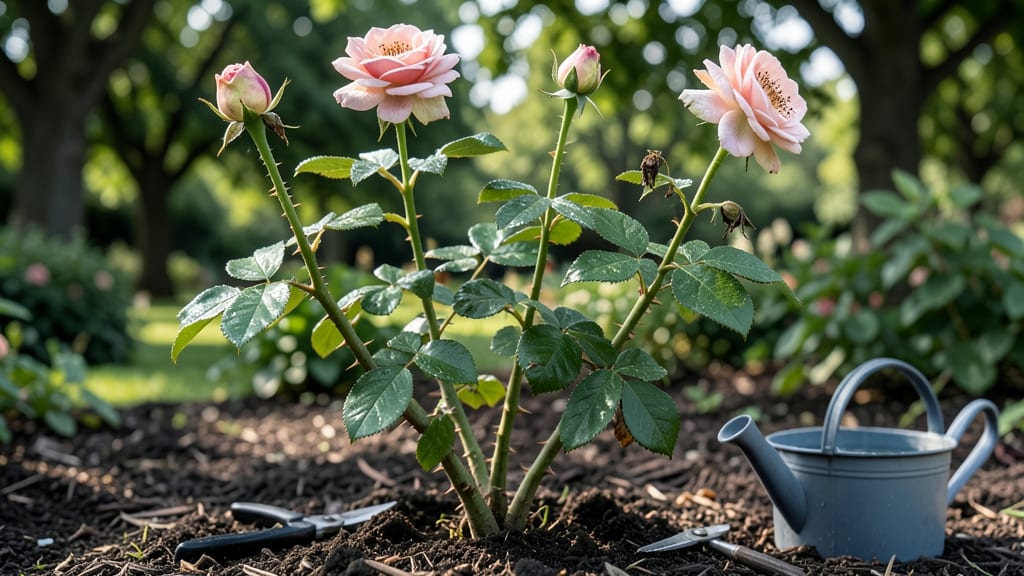
Watch your roses transform from tight buds to velvety blooms in just 3-5 weeks—if you time your pruning right. 🌹 I’ve tracked every stage for years, and the secret isn’t just cutting at the right time, but understanding what each bud needs to open fully and stay healthy.
One wrong move, and you’ll end up with sparse blooms or leggy canes.
The first stage—bud formation—starts in early spring when those tiny green swells appear. This is when roses need consistent water and a balanced fertilizer to fuel growth. Skip the heavy nitrogen now, or you’ll get leaves instead of flowers.
By late spring, buds swell into pink buds, the moment you’ll see the first color hints—this is your cue to prune spent blooms to encourage more flowers.
When buds burst into full bloom, you’ll know you’ve nailed the timing. These are the showstoppers, but here’s the catch: deadheading (removing spent blooms) within 24 hours keeps the plant focused on producing more.
The post-bloom stage is where many gardeners miss the mark—let me show you how to extend your roses’ season by feeding and pruning at the right moments.
Whether you’re growing hybrid teas or rugged shrub roses, this timeline works for all types. The key is patience—rushing pruning or fertilizing at the wrong stage throws off the whole cycle. Let’s break it down so you get blooms that last from spring until frost.
📚 In This Guide
- What you need
- Instructions
- Tips and common mistakes
- Wrapping up and next steps
What you need
- ● Healthy rose plants: Choose varieties suited to your climate (e.g., hybrid teas, floribundas, or climbers). Pro tip: 🌡️ Start with disease-resistant types like 'Knock Out' roses for low-maintenance blooms!
- ○ Pruning shears: 1 pair (clean, sharp, and bypass-style for precision cuts). Optional: Loppers for thicker stems.
- ○ Gloves: 1 pair (gardening gloves to protect hands from thorns and sap). Optional: Rose-specific gloves for extra grip.
- ● Disinfectant: Rubbing alcohol (70%+) or hydrogen peroxide (3%) to sterilize tools between cuts.
- ● Notebook or app: For logging bloom stages (e.g., Gardenate or a simple journal).
- ● Watering can or hose: With a gentle spray nozzle to avoid damaging buds.
- ● Mulch: 2–3 inches of organic mulch (e.g., shredded bark or straw) to retain moisture and regulate soil temp.
- ● Pruning sealant: (e.g., tree wound paint) to prevent disease in larger cuts. Debate: Some gardeners skip this—research your rose type first!
- ● Bloom tracker chart: Printable or DIY (include color photos of each stage for reference).
- ● Fertilizer: Balanced rose fertilizer (10-10-10) or organic options like compost tea.
- ● Stakes or supports: For climbing roses to monitor bud development up close.
- ● Camera or phone: With a macro lens for close-up shots of bud changes.
Understanding the stages of rose blooming: a clear visual guide
Watch your roses transform from bud to bloom—and learn when to prune for maximum flowers.
🌱 Step 1: Bud Formation (Late Spring/Early Summer)
After winter dormancy, your rose canes will swell at the nodes where buds form. These look like tiny, green bumps along the stems—each one holds the potential for a future bloom. I count these buds carefully because they tell me how many flowers to expect. If your roses are healthy, you'll see 3-5 buds per foot of cane on mature plants.
This is the first pruning cue: remove any buds that form below the first 2-3 sets of leaves from the base of the plant. These low buds rarely open properly and steal energy from higher, more productive blooms. Use sharp pruners to make clean cuts just above an outward-facing bud—this encourages the plant to grow outward rather than inward.
🌿 Step 2: Bud Swelling (2-3 Weeks Before Opening)
Watch for buds that double in size and develop a slightly rounded shape—this means they're swelling with moisture and nutrients. The color shifts from green to a deeper pinkish tone, and you'll notice a slight waxy sheen on the surface. This stage lasts 7-10 days and is your second pruning window.
Here's where I get strategic: I remove any buds that appear deformed, split, or have blackened tips. Diseased buds won't open and can spread problems to healthy ones. Also, thin crowded buds so each remaining one has at least 1 inch of space around it—this prevents overcrowding and ensures larger blooms. Never remove more than 1/3 of the buds at once, or you'll shock the plant.
☀️ Step 3: Color Development (5-7 Days Before Blooming)
When buds turn a vibrant pink, yellow, or red—depending on your variety—you're in the final countdown. The petals inside are visible through the outer layers, and the bud feels firm to the touch. This is the moment I start checking weather forecasts. If a hard frost is predicted within 48 hours, I cover tender blooms with frost cloth to protect them.
At this stage, roses need minimum watering—too much moisture can cause buds to split open prematurely. Instead, water deeply at the base every 5-7 days until the top 6 inches of soil feels moist. Avoid wetting the foliage to prevent fungal diseases like black spot, which can ruin an entire season's blooms.
✂️ Step 4: Full Bloom (Peak Beauty Phase)
When the first petals unfurl and the bloom opens fully, you've reached the most rewarding stage. A healthy rose bloom should last 5-7 days before showing signs of fading. This is when I take photos—roses at peak bloom are stunning, and capturing them helps track yearly progress.
Here's my pruning secret: I wait until the bloom is half-faded before cutting back. Using clean pruners, I make a diagonal cut just above the 5-leaflet leaf below the bloom (this is called the "five-leaflet cluster"). This encourages new growth from a strong node. Never cut into the leaf cluster itself—it contains the plant's energy reserves for next year's buds.
🌸 Step 5: Post-Bloom Care (After Petals Fall)
When petals drop but the green center remains, the rose is entering its recovery phase. This is when I inspect for pests like aphids or sawfly larvae hiding in the center. A quick spray of water often dislodges them, but for severe infestations, I apply neem oil according to package instructions.
This final stage is critical for next year's blooms. After removing spent blooms, I feed the plant with a balanced 10-10-10 fertilizer to replenish nutrients. For repeat-blooming varieties, I also apply a slow-release rose fertilizer around the base. Mulch with 2-3 inches of organic matter to protect roots from temperature swings and retain moisture.
Tips & tricks for perfect rose blooming stages
These insights will help you transform your rose garden from bud to stunning bloom with confidence.
Bud Counting Matters: In Step 1, count your buds per foot of cane as a quick health check. Healthy roses should have 3-5 buds per foot—fewer than that suggests stress or nutrient deficiency. I always count in the morning when buds are fully hydrated, as evening counts can underestimate due to natural moisture loss. This simple check helps me adjust my fertilization plan before buds even swell.
Pruning Precision: When removing buds in Step 2, make cuts just above an outward-facing bud at a 45-degree angle. This angle prevents water from pooling on the cut, reducing disease risk. I use a sharp pair of pruners and always clean them with rubbing alcohol between cuts—this keeps your tools sterile and prevents spreading any potential diseases between buds. The 1-inch spacing between buds is crucial for airflow and prevents fungal issues.
Weather Watch: The 48-hour frost warning in Step 3 is your critical alert. I've learned this the hard way—covering buds too late can mean frost damage even if the forecast changes. Keep frost cloth handy and check your local weather app twice daily during this vulnerable window. For extra protection, I also wrap tender canes with burlap sleeves if heavy frost is predicted overnight.
Post-Bloom Fertilizer Timing: After removing spent blooms in Step 5, wait 2-3 days before fertilizing. This gives the plant time to recover from the pruning shock. I always apply fertilizer in the early morning when temperatures are cooler—this reduces the risk of root burn. The 10-10-10 ratio is perfect for replenishing nutrients after blooming, but I halve the recommended dose for established plants to avoid overfeeding.
Pro Tips for Stages Of Rose Blooming
- These insights will help you transform your rose garden from bud to stunning bloom with confidence.
- Bud Counting Matters: In Step 1, count your buds per foot of cane as a quick health check.
- Pruning Precision: When removing buds in Step 2, make cuts just above an outward-facing bud at a 45-degree angle.
Frequently asked questions
Got questions about rose blooms? You’re not alone!
Here’s a quick guide to the most common queries—from timing to troubleshooting—so you can keep your roses thriving all season.
How long does it take for a rose bud to open fully?
A rose bud typically takes 5–10 days to fully bloom after swelling, depending on the variety and weather. Hybrid teas and floribundas often open faster (5–7 days), while climbers or shrub roses may take up to 2 weeks. Pro tip: Watch for the bud’s color to deepen and petals to unfurl slightly—this signals the final stretch!
Can I prune roses when they’re in bud stage?
Yes, but with caution! Prune after buds form but before they swell (late winter/early spring). Avoid cutting near buds—this removes potential blooms. Focus on dead, crossing, or weak stems instead. Wait until buds show color to prune for summer blooms.
Why did my rose buds turn black before opening?
Blackened buds often signal botrytis blight (a fungal disease) or frost damage. Improve airflow, avoid overhead watering, and remove infected buds immediately. For frost: Cover buds with cloth or bubble wrap on cold nights. Healthy roses resist disease better—fertilize in early spring!
What’s the best way to encourage repeat blooming?
Deadhead spent blooms (cut just above a 5-leaflet stem) and feed roses every 4–6 weeks with a balanced fertilizer (10-10-10). For hybrid teas, prune lightly after the first flush to prompt second blooms. Varieties like ‘Knock Out’ roses bloom nonstop with minimal pruning!
Does temperature affect rose blooming stages?
Roses bloom fastest in 60–75°F (15–24°C) with full sun (6+ hours/day). Cold snaps can delay buds, while heatwaves may cause buds to dry out. Mulch roots to regulate soil temp, and water deeply during droughts. Morning watering prevents fungal issues!
Wrapping up and next steps
Understanding the stages of rose blooming isn’t just about admiring nature—it’s your secret to growing stunning, healthy roses year after year! From the delicate bud stage to the vibrant full bloom, each phase offers clues for pruning, care, and timing that’ll keep your garden thriving.
Now that you’re equipped with the know-how, why not take the next step? 🌸
Grab your pruners, sketch a quick pruning plan based on your rose variety, and watch your garden transform. And remember—every expert gardener started with a single bud! Happy growing!