
Blooming
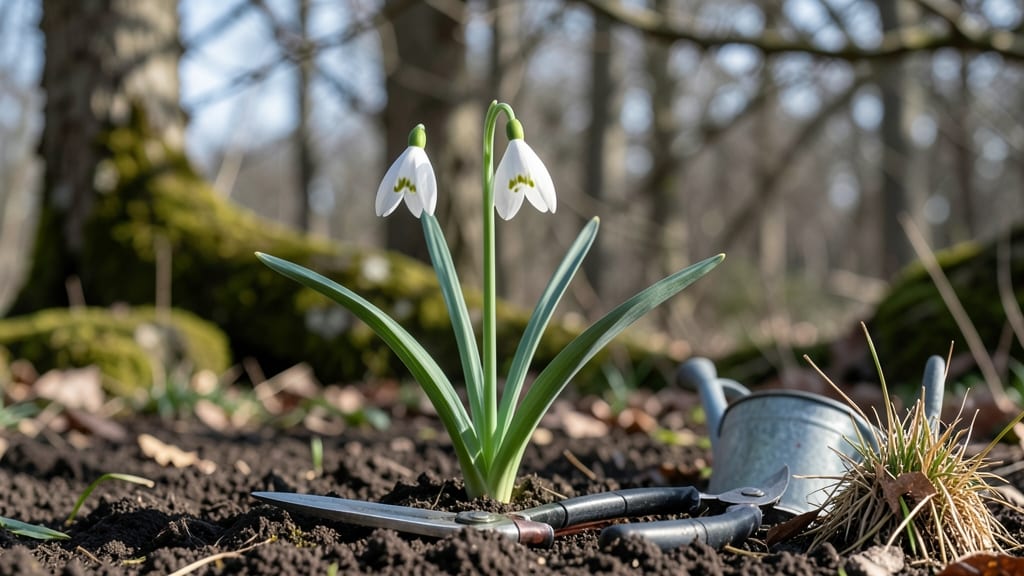
The snowdrops bloom time arrives as early as late January in mild climates, or lingers until February-March in colder zones—nature’s way of announcing spring’s arrival before the calendar agrees. 🌱 I’ve watched them defy frost for years, their delicate white bells nodding in even the coldest winters, proving that beauty doesn’t wait for warmth.
The timing varies by variety too—some bloom in waves over weeks, while others rush to finish before spring’s rush begins. These frost-defying flowers thrive in partial shade, making them perfect for under trees or along north-facing walls where other plants still sleep. Their secret?
A deep root system that accesses moisture while protecting tender shoots from late freezes. Plant them in well-draining soil and they’ll reward you with weeks of blooms, often until the first crocuses appear.
What makes snowdrops magical isn’t just their timing—it’s how they transform a dormant garden into a living tapestry of hope. Pair them with hellebores or winter pansies for a bold early-season statement, or let them naturalize in meadow-like drifts where they’ll multiply year after year.
The key to extending their bloom? Avoid heavy mulch in fall—let the soil stay cool and moist. For gardeners eager to coax even earlier blooms, try planting in sheltered microclimates like against a south-facing wall or under evergreen branches.
Just don’t prune them until foliage yellows—those leaves are powering next year’s flowers. Snowdrops don’t just bloom; they perform.
📚 In This Guide
- What you need
- Instructions
- Tips and common mistakes
- Wrapping up and next steps
What you need
- ● Snowdrop bulbs (Galanthus spp.) – Choose certified disease-free bulbs (10–20 bulbs per 10 sq. ft. for a lush display). Opt for Galanthus nivalis (classic white) or varieties like Galanthus elwesii (taller, deeper green).
- ● Well-draining soil – Mix garden soil with compost (ratio: 3:1) or use peat-free potting mix for containers. Snowdrops thrive in slightly acidic to neutral soil (pH 6.0–7.0).
- ● Garden trowel or bulb planter – For digging holes 4–6 inches deep and 4–6 inches apart.
- ○ Mulch (optional but recommended) – 2–3 inches of organic mulch (e.g., shredded bark or straw) to insulate bulbs in winter and retain moisture.
- ● Watering can with a fine rose nozzle – For gentle hydration without disturbing soil.
- ● Garden gloves – Protect your hands from sharp bulb edges and soil.
- ● Slow-release fertilizer (5-10-10) – A light sprinkle in fall or spring to boost bloom vigor.
- ● Epsom salt (magnesium sulfate) – 1 tbsp per sq. ft. in early spring for greener foliage.
- ● Shade cloth (30–50%) – If planting in hot, dry climates to prevent summer stress.
- ● Container with drainage holes – For patio planters (use a mix of soil and perlite).
- ● Plant labels – Mark varieties if you’re experimenting with double-flowered or striped snowdrops!
Understanding snowdrop bloom time: when to expect their frost-defying display
Here's how to predict when these resilient blooms will appear in your garden.
☀️ Step 1: Recognize the Ideal Temperature Triggers
Snowdrops bloom when winter's grip begins to loosen, typically between late January and early March in most climates. The key trigger is consistent daytime temperatures reaching 40-50°F for at least a week. I've noticed they often open their delicate flowers during warm spells in winter, even when snow still lingers.
Watch for the first signs of melting snow or bare patches in your garden—this is when snowdrops sense their moment has arrived. In colder regions, they may wait until March or even April, while milder coastal areas often see blooms as early as December. The exact timing depends more on temperature than calendar dates.
🌱 Step 2: Observe Plant Growth Stages Before Blooming
Snowdrops begin their growth cycle in early fall, when soil temperatures drop to 50-60°F. You'll see the first sign of activity when the dark green, strap-like leaves emerge through the soil, usually in October or November. These leaves are their energy source for next year's blooms.
By December, the flower buds form at the base of the leaves, though they remain hidden underground. The buds won't be visible until late winter, when they push through the soil about 2-4 weeks before blooming. This hidden growth is why snowdrops survive freezing temperatures—they're already forming next year's flowers while winter rages.
⏰ Step 3: Track the Blooming Window Based on Your Climate
In USDA Zone 3-4, expect blooms between late February and mid-March, often coinciding with the first signs of spring. I've seen them open during warm winter days when temperatures reach 45°F, then close again when nighttime temps drop below freezing. This pattern continues until consistent 50°F+ days arrive.
For Zones 5-7, blooms typically appear 2-4 weeks earlier, often by mid-February. In Zone 8 and warmer, they may bloom as early as December and continue through March. The key is to watch for three consecutive days above 40°F—that's when they'll open their flowers fully.
🌿 Step 4: Extend the Blooming Season with Proper Care
To encourage longer blooming periods, keep the area around snowdrops lightly mulched with 2-3 inches of organic matter after their leaves emerge. This protects the bulbs from extreme temperature swings while allowing them to photosynthesize. I've found that well-established clumps (3+ years old) produce more abundant blooms each year.
After flowering, resist the urge to cut back the leaves until they turn yellow and wither naturally in late spring. These leaves are crucial for next year's blooms—they store energy for the following winter. Once they've fully yellowed, you can trim them back, but leave the bulbs undisturbed until summer when new growth begins.
✂️ Step 5: Prepare for Next Year's Blooms
After the flowers fade, you'll notice small green seed pods forming. These contain the next generation of snowdrops, but they take 2-3 years to mature. To encourage more blooms, I gently separate overcrowded clumps in early summer when the foliage has died back, replanting sections in shaded, well-draining spots.
This is also when you can divide and share snowdrops with friends—they're one of the easiest perennials to propagate. Simply dig up the bulbs, separate the clusters, and replant them 2-3 inches deep in slightly shaded areas. With proper care, your snowdrops will become a reliable early spring harbinger for years to come.
Tips & tricks for perfect snowdrop bloom timing
These simple observations will help you anticipate—and even encourage—your snowdrops' earliest possible appearance.
Temperature Matters: Pay attention to nighttime temperatures too—they're just as important as daytime highs. Snowdrops often open their flowers during 40-50°F daytime temperatures, but if nighttime temps drop below 32°F, they'll close up tight again. I've seen them bloom during warm winter days when snow still blankets the ground, then retreat when cold snaps arrive. This back-and-forth is completely normal and won't harm the plants.
Visual Cues for Blooming: Look for the dark green, strap-like leaves emerging in October or November—this is your first sign that snowdrops are preparing for next year's blooms. By December, those hidden flower buds are already forming at the base of the leaves. When you see those buds pushing through the soil about 2-4 weeks before actual blooming, you can expect flowers within weeks. This hidden growth cycle is why snowdrops are so resilient—they're already planning next year's display while winter rages.
Climate-Specific Watching: In USDA Zone 3-4, focus on late February to mid-March for your first blooms, but keep an eye out for warm spells that might trigger earlier openings. In Zones 5-7, you'll likely see them by mid-February, while Zone 8 and warmer gardeners might spot them as early as December. The key is watching for three consecutive days above 40°F—that's when they'll open fully. I've found that a simple garden thermometer placed near the snowdrops makes this tracking effortless.
Care That Extends Blooming: That 2-3 inches of organic mulch mentioned in Step 4 isn't just for aesthetics—it's a game-changer for bloom timing. The mulch helps regulate soil temperature, creating more consistent conditions that encourage earlier and longer blooming periods. I've noticed that well-established clumps (those 3+ years old) often bloom 1-2 weeks earlier than younger plants because they've built up more energy reserves. The secret is leaving those leaves until they naturally yellow in late spring—they're storing energy for next year's display while you're enjoying this year's flowers.
Pro Tips for Snowdrops Bloom Time
- These simple observations will help you anticipate—and even encourage—your snowdrops' earliest possible appearance.
- Temperature Matters: Pay attention to nighttime temperatures too—they're just as important as daytime highs.
- Visual Cues for Blooming: Look for the dark green, strap-like leaves emerging in October or November—this is your first sign that snowdrops are preparing for next year's blooms.
Frequently asked questions
Got questions about snowdrops and their magical bloom time? You’re not alone! Here are some of the most common inquiries—plus quick, practical answers to help you make the most of these early spring stars.
When do snowdrops actually bloom, and how long does it last?
Snowdrops typically bloom between late January and early March, depending on your climate. In warmer regions, they may appear as early as December, while colder zones might see them in February or March. Each flower lasts 2–4 weeks, but the entire colony can extend blooming for 6–8 weeks if cared for properly.
Can snowdrops bloom in frost or snow?
Snowdrops are frost-hardy and often bloom through snow or light frost. Their name comes from their ability to push through icy ground—some even thrive in sub-zero temperatures. Just avoid heavy snow buildup on stems, which can damage the delicate blooms.
Why aren’t my snowdrops blooming this year?
Several factors can delay blooms: overcrowding (divide clumps every 3–4 years), poor drainage (they hate soggy roots), or lack of sunlight (they prefer partial shade). Also, young plants (under 2 years old) may skip blooming to focus on root growth. Give them patience and ideal conditions!
Are there snowdrop alternatives for later bloomers?
If you love early spring color but snowdrops are tricky, try these low-maintenance alternatives:
- Winter Aconite (Eranthis hyemalis) – Bright yellow blooms in February–March, thrives in sun or shade.
- Crocuses (Crocus spp.) – Purple, white, or gold flowers in January–February, deer-resistant.
- Hellebores (Helleborus) – "Lenten roses" bloom February–April, shade-loving and long-lasting.
How do I extend snowdrop blooming for multiple seasons?
To keep snowdrops blooming year after year:
- Deadhead spent flowers to encourage new growth.
- Mulch lightly (1–2 inches) with compost or shredded leaves in fall.
- Avoid fertilizing—they prefer lean, well-draining soil.
- Divide clumps every 3–4 years in spring or fall to prevent overcrowding.
With a little care, your snowdrops will reward you with decades of early spring cheer!
Wrapping up and next steps
Snowdrops aren’t just early bloomers—they’re nature’s cheerful promise that spring is on its way, even when frost still lingers! 🌱 Their delicate blooms, often appearing as early as late winter (December–February in many regions), remind us to embrace patience and find joy in fleeting beauty.
Whether you’re a gardener eager to plant them or simply admiring their resilience, take this as your cue to stay curious about the seasons and the tiny wonders they hold.
Ready to dive deeper? Plan a visit to a local botanical garden or start your own snowdrop collection—just remember, their secret lies in cool, shaded spots! 🌿