
Blooming
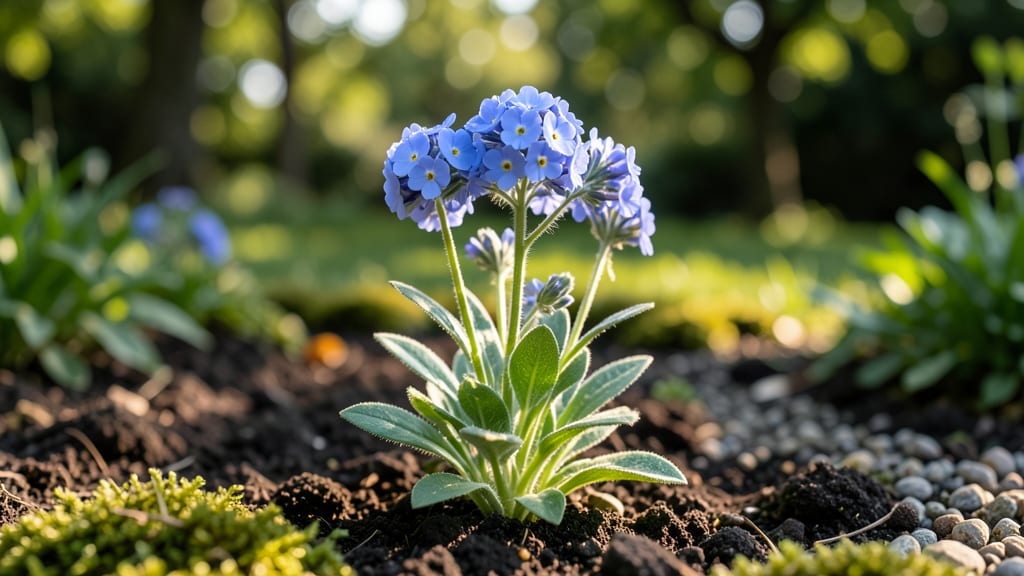
The forget-me-not bloom time arrives as soon as the soil warms in late March to early April, painting your garden with delicate blue carpets that last through early summer—unless you live in warmer zones, where they might start even earlier. earlier. 🌸 I remember the first time I saw them pop up after a chilly winter, their tiny star-shaped flowers seeming to whisper, "I'm here, I survived." The timing depends on your climate: in Zone 5, they often bloom by Mother’s Day, while in Zone 8, they might start as early as February.
Sunlight is key—plant them in full sun to partial shade, and they’ll reward you with nonstop blooms. Well-draining soil keeps them happy, too; forget-me-nots hate soggy roots. Pruning spent flowers encourages more blooms, but don’t overdo it—these little plants are delicate.
A light trim after each flush keeps them bushy and productive. The payoff? A garden that looks like a fairy-tale meadow, all season long. Works for borders, containers, or wildflower mixes. Here’s how to keep them blooming reliably!
📚 In This Guide
- What you need
- Instructions
- Tips and common mistakes
- Wrapping up and next steps
What you need
- ● Forget Me Not Seeds: 50–100 seeds (choose Myosotis varieties like 'Blue Ball' or 'Victoria' for vibrant blooms).
- ● Well-draining potting mix: 2–3 gallons (sterile, peat-based mix or a blend of 60% compost, 30% perlite, and 10% sand).
- ○ Garden soil (optional for outdoor planting): Loamy, slightly acidic soil (pH 6.0–7.0). Amend with compost if needed.
- ● Containers or seed trays: 4–6 small pots (3–4 inches deep) for seedlings, or
- ● A 10x20-inch seed tray with drainage holes.
- ● Drainage materials: Small pebbles, perlite, or broken terracotta pots (for pots/trays).
- ● Hand trowel or transplanting spade (for digging small holes).
- ● Spray bottle (for gentle watering).
- ● Garden gloves (to protect hands from soil).
- ● Twine or plant labels (to mark seedlings).
- ○ Mulch (optional): Straw or shredded leaves (1–2 inches thick) to retain moisture.
- ● Sunlight access: Partial shade to full sun (3–6 hours of sunlight daily).
- ● Watering schedule: Keep soil consistently moist (not soggy) until germination (7–14 days).
- ● Temperature: Ideal germination range: 60–65°F (15–18°C). Avoid frost exposure until seedlings are 2–3 inches tall.
- ● Patience! Forget Me Nots grow slowly but reward you with months of blooms.
How to time forget-me-not blooms for a stunning early spring display
Here’s how I coax these dainty blue blooms to peak just as winter’s chill lifts.
🌱 Step 1: Choose the Right Variety and Planting Time
Forget-me-nots (Myosotis) thrive when planted 8-10 weeks before your last frost date—typically late summer to early fall for spring blooms. I opt for ‘Blue Ball’ or ‘Victoria’ varieties, which handle cooler soils better than tender annuals. These hardy perennials (in zones 3-8) self-seed reliably if given proper conditions.
Timing matters most: Plant too early, and they’ll bolt before spring. Too late, and you’ll miss that early April-May bloom window. Check your local frost dates—these little flowers need 6-8 weeks of cool soil temps (50-60°F) to establish roots before winter.
☀️ Step 2: Select the Perfect Sun and Soil Spot
Forget-me-nots love partial shade to full sun—think morning sun with afternoon shade in hotter climates. I’ve seen them struggle in scorching afternoon heat, so dappled light under trees works beautifully. The soil should be moist but well-draining; these aren’t drought-tolerant but hate soggy roots.
Amend heavy clay with 1-2 inches of compost (from your materials list) to improve drainage. A slightly acidic to neutral pH (6.0-7.0) suits them best. If your soil leans alkaline, mix in peat moss to nudge the pH down. Test it first—these finicky flowers wilt in harsh conditions.
💧 Step 3: Plant and Water for Strong Root Establishment
Dig holes twice as wide as the root ball but no deeper. Space plants 8-12 inches apart—closer for a dense carpet effect, wider if you want air circulation. Gently tease apart roots if crowded in the pot. Press soil firmly around stems to eliminate air pockets, then water deeply until moisture reaches 3-4 inches down.
After planting, mulch with 1-2 inches of shredded bark (if available) to retain moisture and suppress weeds. Water 2-3 times weekly until established—you’ll know they’re happy when new leaves appear in 3-4 weeks. Overwatering now causes rot; underwatering stunts growth. Aim for consistently damp (not soggy) soil.
✂️ Step 4: Deadhead and Fertilize for Prolonged Blooms
Once flowers fade, snip spent blooms at the base with clean shears to encourage more buds. I do this every 7-10 days during peak bloom (April-May). Forget-me-nots are light feeders, so apply a balanced 10-10-10 fertilizer (if available) every 4-6 weeks—just a sprinkle around the base, not directly on leaves. Too much nitrogen = lush foliage, few flowers.
Watch for powdery mildew in humid springs—space plants properly to improve airflow. If leaves yellow, they may need more iron (a foliar spray helps). Deadhead until late June, then let some flowers seed for next year’s natural spread. These self-seeders pop up everywhere if you’re not careful!
🌿 Step 5: Overwinter for Next Year’s Blooms
Forget-me-nots are perennial in most climates, but they need protection in harsh winters. After the first frost, cut back brown foliage to 1-2 inches but leave green growth. Mulch heavily (3-4 inches) with straw or leaves to insulate roots. In zone 3 or colder, add a light layer of burlap over the crown if temps dip below 10°F.
They’ll re-emerge in early spring—sometimes even before snow melts. If you see new growth in February, protect it from late frosts with frost cloth. These tough little plants reward patience with years of blooms if you give them consistent care. Next year’s display will be even better if you let them self-seed naturally.
Tips & tricks for timing perfect forget-me-not blooms
Timing these delicate blue blooms right is the secret to a showstopping spring display—here's how to get it perfect every year.
Variety Matters: The ‘Blue Ball’ or ‘Victoria’ varieties mentioned in Step 1 are your best bet for reliable blooms. These specific types handle cooler soils better than others, which is crucial since your plants need 6-8 weeks of soil temps between 50-60°F before winter. I've seen forget-me-nots planted too late bolt prematurely, so don't rush—wait for that 8-10 week window before your last frost date. This timing ensures they'll establish strong roots before winter's chill sets in.
Soil Prep Secret: When amending heavy clay with 1-2 inches of compost in Step 2, I like to mix in a handful of sand (if available) to improve drainage even further. Forget-me-nots hate soggy roots, and this extra step prevents the very issue that causes them to wilt. Test your soil pH before planting—if it's alkaline, the peat moss recommendation is spot-on, but if you're in a hurry, you can use sulfur granules instead for a quicker pH adjustment. Just remember, these finicky flowers need that 6.0-7.0 pH range to thrive.
Watering Wisdom: The 2-3 times weekly watering schedule in Step 3 works beautifully, but there's a trick to make it even more effective. Water in the early morning so the foliage has all day to dry, which prevents fungal issues. I also recommend using a soaker hose for deep watering—it delivers moisture directly to the roots where it's needed most, without wetting the leaves. This method helps maintain that consistently damp (not soggy) soil condition that's so important for root establishment.
Winter Protection: For the 3-4 inches of mulch in Step 5, I've found that straw works better than leaves because it breaks down more slowly and provides better insulation. In particularly harsh winters (like those in zone 3), add that light burlap layer over the crown when temps drop below 10°F, but remove it as soon as spring arrives to prevent overheating. These extra precautions ensure your forget-me-nots will re-emerge strong in early spring, ready to create that stunning blue carpet you're dreaming of.
Pro Tips for Forget Me Not Bloom Time
- Timing these delicate blue blooms right is the secret to a showstopping spring display—here's how to get it perfect every year.
- Variety Matters: The ‘Blue Ball’ or ‘Victoria’ varieties mentioned in Step 1 are your best bet for reliable blooms.
- Soil Prep Secret: When amending heavy clay with 1-2 inches of compost in Step 2, I like to mix in a handful of sand (if available) to improve drainage even further.
Frequently asked questions
Got questions about Forget Me Not bloom time? You’re not alone!
Here are the most common inquiries—plus quick answers to help you nurture these charming blue blooms like a pro.
When do Forget Me Not flowers typically bloom?
Forget Me Not blooms usually arrive in early to mid-spring, often between March and May, depending on your climate. In cooler regions, they may wait until late April or early May. If planted in fall, they’ll surprise you with earlier blooms the following spring—just give them well-draining soil and partial shade.
How long do Forget Me Not flowers last?
Individual blooms are short-lived (7–10 days), but the plant produces waves of flowers over 4–6 weeks. To extend their display, deadhead spent blooms regularly and keep the soil moist. Pro tip: Plant them in clusters for a longer-lasting "blue carpet" effect!
Can Forget Me Not bloom more than once a year?
Most varieties are perennial and will rebloom yearly, but not always in the same season. Some may produce a second flush in late summer if given consistent water and fertilizer. For guaranteed reblooms, opt for ‘Jack Frost’ or ‘Luna Blue’—they’re more reliable!
Why aren’t my Forget Me Not flowers opening?
Bud blast? Check these fixes:
- Too much sun: They prefer partial shade (6+ hours of morning sun max).
- Dry soil: Keep roots consistently moist (but not soggy).
- Overcrowding: Thin plants if they’re too packed—they need airflow.
- Cold snap: Buds may wait until temps stay above 50°F (10°C).
What’s the best alternative if Forget Me Not blooms are late?
If your Forget Me Nots are playing hard to bloom, try these early-spring stand-ins:
- Primroses – Bold colors, March–April blooms.
- Pansies – Hardy, cool-weather lovers (last longer!).
- Dwarf Iris – Purple-blue blooms, April–May.
- Sweet Alyssum – Tiny white/purple flowers, fast-growing.
Wrapping up and next steps
The forget-me-not bloom time in early spring is a fleeting yet magical reminder of nature’s resilience and beauty. These delicate blue blooms bring joy, symbolize lasting memories, and inspire us to appreciate life’s small, vibrant moments.
Whether you’re cultivating them in your garden or simply admiring their charm, let their presence uplift your spirits and spark a deeper connection to the season.
Ready to embrace the magic? Plan your garden visit or start planting your own forget-me-nots—their cheerful faces will reward you with color and meaning for seasons to come! 🌸✨