
Blooming
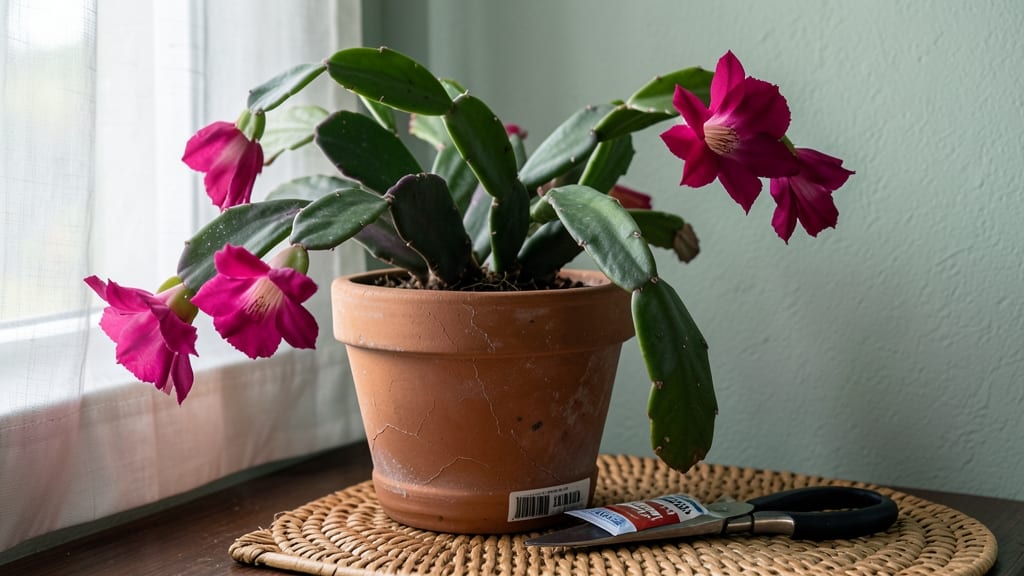
Your Christmas cactus bloom time is entirely in your hands—literally, through light control. 🌟 These striking plants naturally burst into color from late November through January, but most people miss the timing because they don't know how to trigger it.
The secret lies in mimicking their natural short-day cycle, which starts as summer fades. The key is darkness: 12-14 hours of complete darkness each night for 6-8 weeks before you want blooms. That means no porch lights, no streetlights, and definitely no peeking at your plant.
Once buds form, move it to bright, indirect light to help them open. Too much water or heat during this period will send your plant into shock and delay—or even cancel—those vibrant blooms.
What you'll end up with is a plant covered in flowers that last for weeks, adding holiday cheer without any expensive decorations. The smell is subtle but sweet, and the colors range from deep reds to soft pinks, making it the perfect centerpiece for your seasonal decor.
Common mistakes include starting too late (buds take weeks to form) or using grow lights during the dark period. If you've struggled before, this method is your chance to finally get reliable blooms every holiday season.
📚 In This Guide
- What you need
- Instructions
- Tips and common mistakes
- Wrapping up and next steps
What you need
- ● Christmas cactus plant (1–3 plants, depending on desired display size)
- ● Well-draining potting mix (1 bag, 2–3 cubic feet) Specs: 50–60% peat moss or coconut coir
- ● Specs: 30–40% perlite or orchid bark
- ● Specs: 10% vermiculite or sand (for aeration)
- ● 6–8" clay or terracotta pot (1–2 pots per plant) Specs: Drainage holes required 🚰
- ● Specs: Lightweight for easy handling
- ● Watering can (with a rose nozzle for gentle watering)
- ○ Grow lights or timers (optional but highly recommended for precise light control) Specs: Full-spectrum LED grow lights (10,000–20,000 lux)
- ● Specs: Timer with 14-hour "night" setting (e.g., Leviton or GE timers)
- ● Humidity tray or pebble tray (1 tray per 2–3 plants)
- ● Balanced fertilizer (1 bottle, 10–10–10 or 20–20–20 NPK ratio)
- ● Pruning shears or clean scissors (for trimming spent blooms)
- ● Misting bottle (for extra humidity on dry days)
- ● Decorative pot covers or holiday-themed planters (to match your festive decor!)
- ● Soil moisture meter (to avoid over/under-watering)
- ● Epsom salt (1 tbsp per gallon of water, monthly for magnesium boost)
- ● Plant labels (to track watering/fertilizing schedules)
Step-by-Step instructions for triggering Christmas cactus blooms
Here's how to coax vibrant holiday flowers using just light and timing—no fancy tricks.
🌱 Step 1: Establish a Consistent Light Routine
Christmas cacti need 12-14 hours of darkness daily to bloom. Start by placing your plant in a spot with bright, indirect light (like an east-facing window) for 10-12 hours each day. This mimics natural daylight conditions and keeps the plant healthy without scorching leaves.
Watch for light green leaves—this is your sign the plant is getting enough light but not too much. If leaves turn yellow or brown, move it away from direct sun. If they stretch or look pale, increase light exposure slightly. This routine begins 8-10 weeks before your target bloom date (typically mid-October for holiday flowers).
⏰ Step 2: Create a Strict Dark Period
When darkness falls, cover the plant completely with a dark box, blanket, or even a black plastic bag secured tightly. This 14-hour uninterrupted dark period is critical—even a flashlight or streetlamp can reset the blooming cycle. I use a cardboard box with a snug lid for simplicity, placing it in a closet to ensure no light leaks in.
Start this routine after the 10-12 hour light period and maintain it consistently for 6-8 weeks. You’ll notice buds forming after about 4-6 weeks of this strict schedule. If buds drop off, it means the dark period was interrupted—double-check your setup!
☀️ Step 3: Adjust Light and Temperature for Blooming
Once buds appear, shift the plant to a cooler spot (around 60-65°F) to encourage stronger blooms. A north-facing window or a shaded porch works well. Avoid drafts or sudden temperature swings—consistency is key. If your home stays warm, a cool basement corner (with indirect light) can help.
Continue the 14-hour dark period until flowers open. You’ll see vibrant blooms after 2-3 weeks of this care. If flowers fade quickly, it’s often due to too much light or heat—move the plant to a slightly dimmer, cooler spot. This is the moment that matters: patience now means holiday color later!
💧 Step 4: Maintain Water and Care During Bloom
Water sparingly during the blooming phase—only when the top inch of soil feels dry. Overwatering causes buds to drop, and underwatering makes leaves wrinkle. I use room-temperature water and avoid getting moisture on the flowers. Mist the leaves lightly once a week to boost humidity, but never soak the plant.
After blooming, reduce watering slightly and move the plant to bright, indirect light for recovery. This helps the cactus store energy for next year’s flowers. If leaves look dull or leggy, it’s a sign to trim back and adjust light exposure. With this care, your Christmas cactus will reward you with years of holiday magic!
Tips & tricks for perfect Christmas cactus blooms
Patience and precision are your secret weapons—here's how to maximize every step of the blooming process.
Light Timing Precision: For Step 1, use a timer to track those 10-12 hours of daylight accurately. I place my plant near a kitchen timer that chimes when it's time to cover it. This prevents accidental light exposure during the critical dark period. A small LED nightlight in the closet won't interfere with the blooming process if you need to check on your plant after covering it.
Dark Period Protection: In Step 2, double-check your covering method—even the faintest light can disrupt the blooming cycle. I use a heavy-duty black trash bag secured with a rubber band over the cardboard box for maximum darkness. Place the covered plant in a closet with the door closed, and avoid opening it until morning. This 14-hour darkness is non-negotiable for bud formation.
Temperature Troubleshooting: If your home stays above 65°F during Step 3, consider moving your plant to a cooler basement corner or even an unheated garage (if above freezing). I've found that a small fan on low setting near the plant helps create gentle airflow without drafts, which actually enhances bloom quality. Just avoid pointing it directly at the plant.
Watering Wisdom: During Step 4, use a moisture meter to check soil dryness rather than guessing. I water only when the meter reads "dry" at the top inch—this prevents both overwatering (which causes bud drop) and underwatering (which makes leaves wrinkle). Room-temperature water is crucial; cold water can shock the plant's sensitive roots during blooming.
Pro Tips for Christmas Cactus Bloom Time
- Patience and precision are your secret weapons—here's how to maximize every step of the blooming process.
- Light Timing Precision: For Step 1, use a timer to track those 10-12 hours of daylight accurately.
- Dark Period Protection: In Step 2, double-check your covering method—even the faintest light can disrupt the blooming cycle.
Frequently asked questions
Got questions about getting your Christmas cactus to bloom at the perfect time? Here are some of the most common ones—and their answers!
When should I expect my Christmas cactus to bloom?
With proper care, your Christmas cactus typically blooms between late November and January, aligning with the holiday season. Timing depends on light exposure and temperature—most varieties start budding after 12–14 weeks of short-day treatment (10–12 hours of darkness). Patience pays off—those vibrant blooms are worth the wait!
What if my Christmas cactus isn’t blooming?
No flowers? Check these fixes:
- Light: Ensure it gets 12+ hours of darkness daily (use a dark closet or cover it with a box).
- Temperature: Keep it cool (55–65°F) during budding.
- Water: Avoid overwatering—let soil dry slightly between waterings.
- Age: Younger plants (under 2 years) may need time to mature.
Can I force a Christmas cactus to bloom earlier or later?
Yes! To delay blooming, keep it in bright light and avoid the 12-hour dark period. For an earlier show, start the short-day treatment in September (instead of October). Just remember: Rushing can stress the plant. Aim for 6–8 weeks of darkness before buds form for best results.
Why are my Christmas cactus buds dropping?
Dropping buds usually mean environmental stress. Common culprits:
- Sudden temperature swings (keep it stable!).
- Overwatering or drafts (like AC vents or cold windows).
- Too much light during the dark period (use a blackout box if needed).
How do I care for a Christmas cactus after it blooms?
Once blooms fade, it’s time to reset your cactus:
- Move it to a bright, sunny window (east or west-facing).
- Water moderately—let soil dry 1–2 inches deep between waterings.
- Fertilize lightly (balanced 10-10-10) in spring/summer.
- Wait until late summer to restart the dark-treatment cycle.
Wrapping up and next steps
Mastering the Christmas cactus bloom time is all about patience, observation, and a little light magic! 🌟 By mimicking its natural dormancy with cooler temps and 12+ hours of darkness, you’ll unlock stunning holiday blooms year after year.
Remember, consistency is key—adjust as needed, and don’t forget to reward your plant with bright, indirect light once flowers appear.
Ready to level up your cactus care? Next, try experimenting with different light schedules or even propagating cuttings to share the joy! 🌱 Your green thumb will thank you—and so will your festive windowsill.