
Blooming
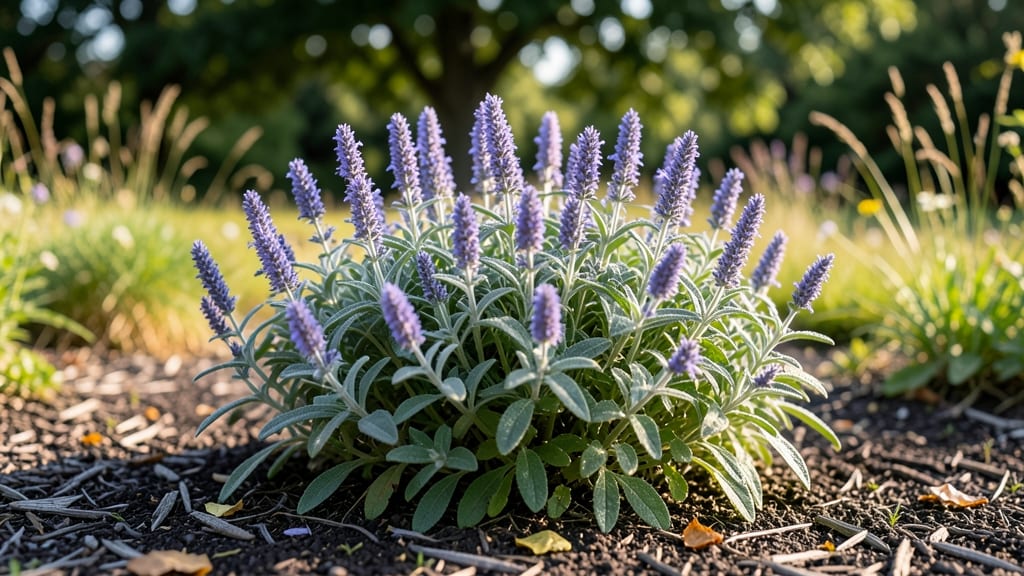
The catmint bloom time stretches reliably from late spring until early fall, transforming your garden into a buzzing, purple-hued paradise—just watch it spread from a single clump to a 6-foot-wide ground cover in three seasons. its charm and its secret weapon for effortless garden coverage.
The real magic happens when you give it what it craves: full sun (at least 6 hours daily) and well-draining soil. In cooler climates, blooms start earlier and last longer; in hot zones, they may fade faster but bounce back after light pruning.
My zone 5 plants keep flowering until first frost, while friends in zone 8 report year-round blooms with minimal care. To stretch that bloom time, deadhead spent flowers every 2-3 weeks and give it a light trim after each flush. The result?
Continuous waves of lavender-blue blooms that attract bees and butterflies from June through September. This is the plant that does all the work once established. Perfect for borders, slopes, or pollinator gardens—just give it space to roam.
Plan your layout now so you can enjoy these low-maintenance blooms for years without a single seed packet.
📚 In This Guide
- What you need
- Instructions
- Tips and common mistakes
- Wrapping up and next steps
What you need
- ● Catmint seeds (or nursery-grown plants): Choose Nepeta varieties like ‘Walker’s Low,’ ‘Six Hills Giant,’ or ‘Faith’ for reliable blooms.
- ● Quantity: 10–20 seeds for a small patch (self-sowing means fewer seeds go a long way!).
- ● Well-draining potting mix or garden soil: For containers: 10–12" pots with drainage holes.
- ● For in-ground: Amend heavy clay soil with compost (1 part compost to 3 parts soil).
- ○ Organic fertilizer (optional but recommended): Balanced 10-10-10 or low-nitrogen formula (e.g., fish emulsion or bone meal).
- ● Apply at planting and mid-season (follow label rates).
- ● Watering can or hose with a gentle spray nozzle (to avoid displacing seeds).
- ● Hand trowel or small garden fork (for transplanting seedlings).
- ● Pruning shears (to deadhead spent blooms and encourage bushiness).
- ○ Gloves (optional—catmint is non-toxic but may irritate sensitive skin).
- ○ Optional but handy: Mulch (straw or shredded leaves) to retain moisture and suppress weeds.
- ● Plant markers (to track varieties if testing multiple types).
- ● Bird netting (if squirrels or birds are seed thieves!).
- ● Sunlight: Full sun (6+ hours daily) for peak blooms.
- ● Climate: Hardy in USDA Zones 3–9; tolerates drought once established.
- ● Timing: Start seeds indoors 8–10 weeks before last frost or direct-sow after frost (catmint germinates best in cool soil).
- ● Transplant seedlings when they’re 3–4 inches tall (spring or early fall).
- ● Patience: Catmint blooms 60–90 days after planting but rewards with years of self-seeding magic!
How to maximize catmint bloom time in your garden
This hardy perennial thrives with minimal fuss, but a few key steps will turn its first-year blooms into years of reliable color.
Choose the Right Location for Year-Round Growth
Catmint demands full sun—at least 6 hours daily—to trigger its signature lavender-blue spikes. I always plant mine in the sunniest corner of my garden because even partial shade delays blooming and weakens stems. Test your spot by observing how long sunlight lingers; morning sun alone won't cut it.
Well-draining soil is non-negotiable. Catmint hates soggy roots, so amend heavy clay with 2-3 inches of compost before planting. You'll know you've got it right when water drains through the soil within 15-20 minutes after watering. If it pools, raise the bed or mix in more organic matter.
Plant at the Right Time for Strong First-Year Roots
Spring planting gives catmint 6-8 weeks to establish roots before summer heat arrives. I plant mine in early April when soil temperatures reach 55°F—cold soil slows root growth, and warm soil prevents transplant shock. Dig holes twice as wide as the root ball but only as deep.
Space plants 18-24 inches apart—this prevents overcrowding, which leads to leggy stems and fewer blooms. Water deeply right after planting to settle the soil around roots, then let the top inch dry out before watering again. Overwatering now drowns tender roots before they can adapt to drier conditions.
Prune Strategically to Encourage Longer Bloom Seasons
Deadhead spent blooms immediately after they fade to prevent seed formation. This redirects energy into new flowers instead of seed production. I use clean, sharp pruners to snip stems just above a set of leaves—never leave stubs, as they invite disease. You'll see a second flush of blooms within 3-4 weeks if you keep up with this.
In early spring, cut back last year's growth by one-third to encourage fresh, vigorous new shoots. This also opens up the plant for better air circulation, which prevents fungal issues. If you skip this step, you'll end up with a woody center and fewer flowers at the base.
Water Wisely to Maintain Consistent Blooms
Catmint is drought-tolerant once established, but young plants need 1 inch of water weekly during the first growing season. I water deeply in the morning so foliage dries quickly, reducing fungal risks. Let the top 2 inches of soil dry out between waterings—consistent moisture encourages weak stems, while occasional dry spells strengthen roots.
Mulch with 2-3 inches of organic mulch (like shredded bark) to retain moisture and regulate soil temperature. Avoid piling mulch against stems, as this can cause rot. You'll notice fewer weeds and more blooms by mid-summer if you maintain this routine.
Divide and Spread Every 3-4 Years
Catmint spreads aggressively via underground runners, but clumps become congested over time. Divide in early spring or after blooming by digging up the entire plant and separating sections with a sharp spade. Each division should have 3-5 healthy stems. Replant immediately in prepared soil and water thoroughly.
This rejuvenation step prevents the center from dying out and ensures 4-6 weeks of continuous blooms each season. I always mark new planting spots with stakes so I don't accidentally disturb them later. With proper division, your catmint will spread like wildfire—but in a controlled, beautiful way.
Tips & tricks for perfect catmint growth
These simple strategies will help your catmint thrive and bloom like crazy from the very first year.
Sunlight Secret: If your garden spot only gets 4-5 hours of sun, consider planting catmint in containers and moving them to sunnier locations during peak daylight hours. The 6 hours of full sun requirement is non-negotiable for those signature lavender-blue spikes—partial shade will give you fewer, smaller blooms. I've seen catmint in shady spots produce almost no flowers, while the same plants in full sun become blooming powerhouses.
Soil Test Tip: Before amending your soil with compost, do a simple drainage test: Dig a hole about 12 inches deep and fill it with water. If it drains in less than 15 minutes, your soil is perfect. If it takes longer, mix in more compost or consider planting on a slight slope to improve drainage. Remember, catmint's roots will rot in soggy conditions—this is the #1 reason plants fail.
Planting Precision: When creating those twice-as-wide holes in Step 2, don't just dig wider—loosen the sides of the hole with your hands or a trowel. This creates better root contact with the surrounding soil. Also, if your soil temperature is below 55°F when planting in early spring, consider using black plastic mulch to warm the soil faster—this helps roots establish more quickly in cooler climates.
Pruning Pro Tip: For that second flush of blooms in 3-4 weeks, be ruthless with your deadheading. Cut stems back to just above a set of healthy leaves, not just the first leaves you see. This encourages stronger regrowth. I've found that plants I prune this way produce blooms that are actually larger than the first flush—nature's way of rewarding precise pruning!
Pro Tips for Catmint Bloom Time
- These simple strategies will help your catmint thrive and bloom like crazy from the very first year.
- Sunlight Secret: If your garden spot only gets 4-5 hours of sun, consider planting catmint in containers and moving them to sunnier locations during peak daylight hours.
- Soil Test Tip: Before amending your soil with compost, do a simple drainage test: Dig a hole about 12 inches deep and fill it with water.
Frequently asked questions
Got questions about catmint’s bloom time and self-sowing habits?
Here are the answers to the most common queries—so you can keep your garden thriving with this easygoing perennial!
When does catmint typically bloom, and how long does it last?
Catmint usually bursts into bloom mid-to-late spring, with some varieties reblooming lightly in fall. Expect vibrant flowers for 6–8 weeks per season, though deadheading spent blooms can extend the show. Hardiness zones 3–9 ensure multiple bloom cycles if conditions are right!
Why isn’t my catmint blooming this year?
Several factors can delay blooms: over-fertilizing (catmint thrives in poor soil!), too much shade, or crowded roots. Try pruning back ⅓ of the plant in early spring and ensuring it gets 6+ hours of sun. If it’s still sluggish, check for pests like spider mites or fungal issues.
How aggressive is catmint’s self-sowing? Can I control it?
Catmint is a moderate self-seeder—it’ll pop up where it pleases but isn’t as invasive as mint. To manage it, deadhead spent flowers before seeds form or lightly rake seedlings in early spring. For contained growth, plant in containers or raised beds with barriers.
Does catmint bloom better in hot or cool weather?
Catmint loves heat tolerance but blooms best in moderate temperatures (60–80°F). In scorching climates, it may go dormant mid-summer but rebounds in fall. Mulch around the base to retain moisture and prevent stress. Drought-resistant once established, but consistent watering encourages lush blooms!
What’s a good alternative if I want a low-maintenance bloomer like catmint?
Try these self-sowing, drought-tolerant perennials:
- Lavender – Fragrant, deer-resistant, and thrives in poor soil.
- Russian Sage – Long bloom time (summer to fall) and silvery foliage.
- Yarrow – Clustered blooms and excellent for pollinators.
- Coneflower (Echinacea) – Bold flowers and self-seeds reliably.
Wrapping up and next steps
Catmint’s self-sowing magic makes it a dreamy, low-maintenance addition to any garden—just plant it once, and you’ll enjoy its lavender-blue blooms year after year! 🌸 Whether you’re drawn to its pollinator-friendly charm or its effortless spread, this hardy perennial proves that beauty thrives with minimal effort.
Ready to transform your space? Grab some seeds or cuttings, pick a sunny spot, and let catmint work its wonders—your garden (and bees!) will thank you.