
Blooming
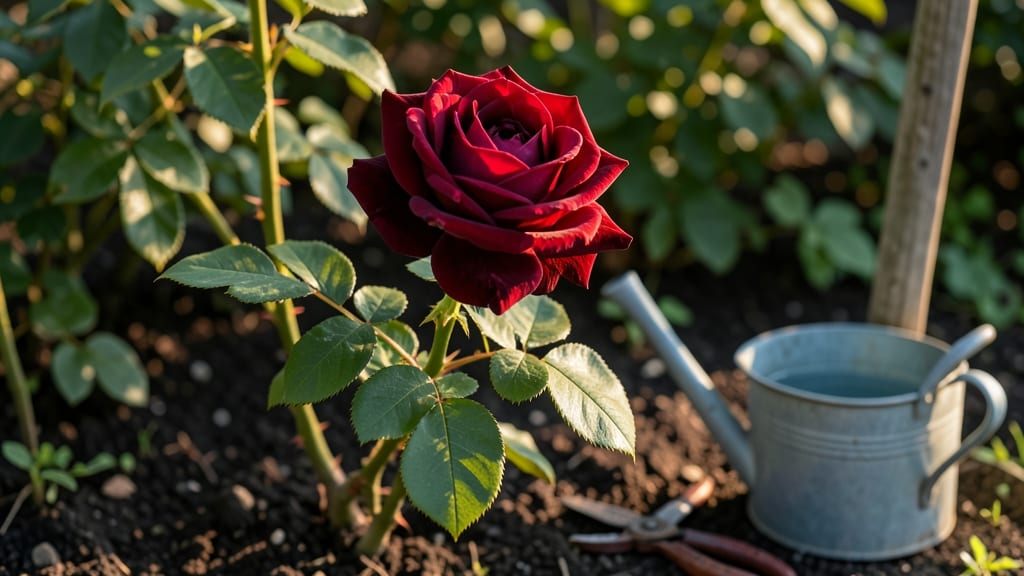
Transform your roses into a rose fully bloomed wonder all summer—I’ve turned my once-sparse bushes into a floral explosion with these pruning secrets. 🌹 The key isn’t just cutting back; it’s timing, technique, and feeding the plant right.
Most gardeners over-prune or deadhead too late, missing the prime window for new growth. Start with clean tools and sharp pruners—dull blades tear stems, inviting disease.
Cut just above a 5-leaf cluster (the "bud eye") at a 45-degree angle, and always prune in early spring or right after blooms fade. This forces energy into producing stronger canes and more buds, not just leaves.
By mid-summer, you’ll see taller stems with more flowers per cluster—some varieties even rebloom three times! The secret? Fertilize lightly after pruning (use balanced 10-10-10) and water deeply at the base, never overhead. Weak growth or sparse blooms? You’re either pruning too late or not feeding enough.
This works for hybrid teas, floribundas, and even old garden roses—just adjust timing for your climate. Let’s get those bushes thriving!
📚 In This Guide
- What you need
- Instructions
- Tips and common mistakes
- Wrapping up and next steps
What you need
- ● Pruning shears (bypass pruners): Sharp, high-quality shears with bypass blades (avoid anvil types—they crush stems). Choose 5-inch or 6-inch blades for precision.
- ● Loppers: For thicker stems (½ inch or larger), opt for bypass loppers with a 6- to 8-inch blade and a ratcheting mechanism for ease.
- ● Pruning saw: A curved-tooth pruning saw for cutting through thick, woody stems (1 inch or larger).
- ● Disinfectant (70% isopropyl alcohol or bleach solution): Clean tools between cuts to prevent disease spread. Mix 1 part bleach to 9 parts water for a DIY solution.
- ● Gardening gloves: Wear cut-resistant gloves (e.g., heavy-duty leather or synthetic mesh) to protect your hands from thorns.
- ● Rake or broom: A stiff-bristle rake to clear debris after pruning and keep the base of the rose clean.
- ○ Sharpie or permanent marker: For marking stems to identify cuts or track progress (optional but helpful for beginners!).
- ● Hand pruners (for small cuts): Compact and easy to maneuver in tight spaces.
- ● Knee pads or stool: For comfort during long pruning sessions—your back will thank you!
- ● Sealing wax or pruning paste: Apply to large cuts to prevent disease entry (especially useful in humid climates).
- ● Disposable pruning bags: Collect and dispose of diseased stems immediately to avoid spreading pathogens.
- ● Notebook or app: Track pruning dates, notes on rose health, and bloom cycles (e.g., Gardenate app for reminders).
Step-by-step pruning for roses that bloom nonstop
Here’s how I coax roses into producing those lush, repeat blooms all season—no guesswork, just proven techniques.
✂️ Step 1: Time Your Pruning for Maximum Blooms
Prune your roses right after their first flush of blooms in early summer, around late May to early June. This is when the plant has stored enough energy to fuel new growth. If you prune too early, you risk sacrificing the first flowers; too late, and you’ll cut back growth that could’ve produced more blooms.
Look for spent blooms—those with dried petals and seed pods. These signal the plant has finished its current bloom cycle and is ready for a strategic trim. Avoid pruning during frost or extreme heat; roses handle stress poorly, and cold snaps can damage tender new growth.
✂️ Step 2: Cut Back to the Right Spots for Stronger Growth
Use clean, sharp pruners to make cuts at a 45-degree angle, about ¼ inch above an outward-facing bud. This angle helps water run off the stem and prevents rot. Never leave stubs—always cut just above the bud to encourage new shoots to grow from there.
Focus on removing dead, diseased, or crossing branches first. These compete for energy and can block airflow, inviting fungal issues. For hybrid teas and floribundas, aim to leave 3-5 strong canes per plant. You’ll know you’re on the right track when the plant looks open and airy, not crowded.
✂️ Step 3: Encourage Bushier Growth for More Blooms
After removing the obvious culprits, look for long, leggy stems with few blooms. Cut these back by one-third to promote bushier growth. The goal is to create a balanced shape with multiple branching points—each new branch is a potential bloom site.
Pay attention to the top of the plant where light struggles to reach. Thin out any dense clusters so sunlight can penetrate to the center. You’ll see new shoots emerge within 2-3 weeks—these are your future blooms. Avoid heavy pruning again until after these new growths harden off.
🌿 Step 4: Feed and Hydrate for a Blooming Comeback
After pruning, feed your roses with a balanced fertilizer (10-10-10 or similar) to replenish nutrients lost during the trim. Water deeply at the base to reduce stress, but avoid wetting the leaves—this prevents fungal diseases like black spot. Mulch around the base with 2-3 inches of organic matter to retain moisture and regulate soil temperature.
Watch for new leaf growth within 10-14 days—this is your confirmation that the plant is recovering. If leaves appear yellow or wilted, adjust your watering (too much or too little can stress roses). Consistency is key: roses thrive with 1-2 inches of water per week, either from rain or irrigation.
☀️ Step 5: Deadhead and Repeat for Continuous Blooms
Once new blooms form, deadhead regularly by snipping spent flowers just above the next set of leaves. This redirects the plant’s energy into producing more blooms instead of seed pods. For roses, I deadhead every 3-5 days during peak bloom season to keep the cycle going.
Keep an eye out for pests or signs of disease like holes in leaves or black spots. Catching issues early saves your roses from decline. With this routine, your roses will reward you with nonstop blooms from early summer through fall—proof that a little precision goes a long way.
Tips & tricks for perfect rose pruning
Here's what nobody tells you about pruning roses—these are the details that separate a garden full of sporadic blooms from one that looks like a floral masterpiece all season.
The Timing Secret: I can't stress this enough: the late May to early June window is non-negotiable for hybrid teas and floribundas. This is when your roses have already shown their first flush of blooms, meaning they've stored enough carbohydrates to fuel new growth. Pruning earlier risks sacrificing those initial flowers, while waiting too long cuts back growth that could've produced more blooms. Think of it like giving your roses a second chance to shine after their debut performance.
Cutting Technique That Changed Everything: That 45-degree angle isn't just for show—it's about water management. When you make clean cuts at this angle about ¼ inch above an outward-facing bud, you create a natural channel for water to run off the stem rather than pool and cause rot. I've made the mistake of leaving stubs (don't!), and within days, those little nubs became perfect breeding grounds for fungal infections. Always cut just above the bud—this is where new shoots will emerge, and you're essentially giving your rose a roadmap for future growth.
Pruning Strategy for Maximum Blooms: When you're cutting back those leggy stems by one-third, you're not just making your rose look neater—you're creating architectural balance. The goal is to have 3-5 strong canes that can support multiple blooms each. I like to visualize my rose as a tree: the main branches (canes) should be sturdy enough to hold several smaller branches (future blooms). This open, airy structure isn't just pretty—it prevents fungal diseases by allowing sunlight and air to circulate throughout the plant.
Post-Pruning Care: The 10-14 days after pruning are critical. That's when you'll see if all your hard work paid off with new leaf growth. If you notice yellowing leaves, it's usually a watering issue—either too much (root rot) or too little (stress). I've learned to check soil moisture by sticking my finger about 2 inches into the soil. If it feels dry, it's time to water. And remember, roses thrive with consistency: aim for 1-2 inches of water per week, whether from rain or your hose. This isn't just about hydration—it's about establishing a routine that your roses can rely on.
Pro Tips for Rose Fully Bloomed
- Here's what nobody tells you about pruning roses—these are the details that separate a garden full of sporadic blooms from one that looks like a floral masterpiece all season.
- The Timing Secret: I can't stress this enough: the late May to early June window is non-negotiable for hybrid teas and floribundas.
- Cutting Technique That Changed Everything: That 45-degree angle isn't just for show—it's about water management.
Frequently asked questions
Got questions about coaxing your roses into their most stunning, fully bloomed glory? You’re not alone! Here are answers to the most common queries—from timing tricks to troubleshooting woes—so you can keep those blooms coming all season long.
How do I know when my rose is fully bloomed?
A fully bloomed rose typically has open petals revealing its center (often the stamens or pistil). Petals should be unfurling naturally, not wilted or curled. For hybrid teas and floribundas, this means 50-70% of petals are spread out. Deadhead just after they reach this stage to encourage more blooms!
Why isn’t my rose reblooming after the first flush?
Most roses need proper pruning, sunlight (6+ hours/day), and balanced fertilizer (high in phosphorus). If blooms fizzle out, check for:
- Over-pruning (leave 3-5 healthy buds per stem).
- Underwatering (1-2 inches of soil should stay moist).
- Pests/disease (black spot, aphids).
Can I prune a rose that’s already fully bloomed?
Yes! Light pruning after blooms fade (deadheading) keeps roses tidy and encourages new growth. For heavy pruning, wait until late winter/early spring (before new shoots emerge). Avoid cutting into old wood—focus on healthy, outward-facing canes.
What’s the best alternative if my rose won’t fully bloom?
If your rose struggles, try:
- More sunlight (move to a sunnier spot or use grow lights).
- Acidic soil (pH 6.0-6.5; amend with peat moss or compost).
- Disease-resistant varieties (e.g., ‘Knock Out’ roses or ‘David Austin’ English roses).
- Regular feeding (monthly bloom booster fertilizer).
Do I need to prune roses in winter?
Not necessarily! Light pruning in late fall (after leaves drop) can remove dead wood, but major pruning waits until dormancy breaks (Feb-March in most zones). If your area gets harsh winters, mulch heavily (3-4 inches) to protect roots. Never prune in freezing temps—it stresses the plant!
| Quick Fix | Problem |
|---|---|
| Deadhead daily | Blooms fading too fast |
| Check soil moisture | Wilting leaves |
| Fertilize with bloom booster | Sparse or small blooms |
Wrapping up and next steps
A rose fully bloomed isn’t just a dream—it’s a reward for patience, skill, and a little green-thumb magic! 🌹 By mastering the art of pruning, you’ve unlocked the secret to lush, repeat blooms that steal the show.
Remember, the key lies in timing, technique, and consistency—your roses will thank you with vibrant, healthy growth.
Now’s your moment to put it into action. Grab your pruners, head to the garden, and give those roses the care they deserve. Watch as your efforts transform your space into a blooming paradise—one snip at a time! 🌿