
Blooming
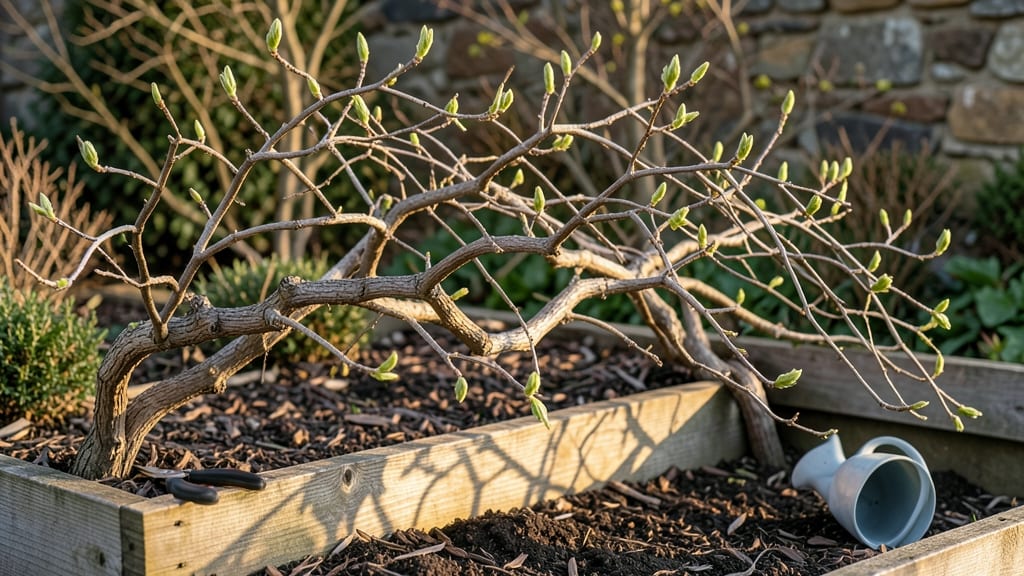
Your wisteria not in bloom might just need a little strategic pruning—here’s how to turn those bare branches into a purple paradise by fixing three key mistakes.
Most gardeners cut too late in the season or too aggressively, sending energy into leafy growth instead of flowers. The fix? Prune right after blooming (late spring) to shape while preserving next year’s flower buds.
Older plants need patience—sometimes it takes 2-3 years of correct pruning before they reward you with dramatic clusters.
By summer, you’ll spot new shoots forming where last year’s blooms were. Feed the plant with balanced fertilizer (10-10-10) in early spring, and watch how the leaves turn richer green—this is your plant saying, “I’m ready to bloom.”
This method works for both young vines and mature ones, though older plants may need extra sunlight (at least 6 hours daily). Skip the heavy-handed pruning, and next spring’s show will make your neighbors jealous.
📚 In This Guide
- What you need
- Instructions
- Tips and common mistakes
- Wrapping up and next steps
What you need
- ● Pruning shears or loppers: Sharp, bypass-style shears (for clean cuts) or loppers (for thicker branches, 1–2 inches in diameter). Pro tip: 💡 Disinfect blades with rubbing alcohol to prevent disease spread!
- ● Pruning saw: A curved-tooth saw for branches thicker than 2 inches in diameter.
- ● Gloves: Heavy-duty, gardening gloves (cut-resistant for safety).
- ● Ladder or step stool: Sturdy and tall enough to reach your wisteria’s highest branches safely.
- ○ Twine or zip ties: For securing branches during pruning (optional but helpful for large vines).
- ● Rags or paper towels: To clean sap from tools and hands.
- ● Timing: Prune wisteria right after blooming (late spring to early summer) to avoid cutting off next year’s flower buds.
- ● Weather: Choose a dry, overcast day to minimize stress on the plant.
- ● Safety gear: Safety glasses (recommended) to protect against debris.
- ● Disposal plan: Have a trash bag or compost bin ready for pruned branches.
- ● Hand pruners: For delicate trimming of smaller stems.
- ● Lubricant: A silicone spray to keep shears sharp and smooth.
- ● Plant food or compost: To nourish the wisteria post-pruning (apply in early spring).
- ● Camera or notebook: To document your pruning strategy for future reference!
How to revive non-blooming wisteria through strategic pruning
Here’s the method I’ve used to transform stubborn, bare wisteria vines into cascades of fragrant blooms—it’s all in the cuts.
Assess Current Growth and Identify Problem Areas
Start by examining your wisteria’s structure in late winter or early spring, before new growth begins. Look for thick, woody stems with no buds—these are your priority targets. Healthy wisteria should have multiple buds along each stem, as these are where next season’s flowers form. If you see long, bare branches with just a few scattered buds, those need aggressive pruning.
Run your hand along each stem and count the buds. Aim for at least 3-5 buds per foot of stem—this ensures enough flower clusters. If a branch has fewer than 2 buds per foot, it’s better to remove it entirely. I always mark these with a piece of twine so I don’t accidentally cut them later.
Remove Dead, Weak, or Overcrowded Wood
Begin by cutting out any dead, diseased, or crossing branches using clean, sharp pruners. Dead wood is easy to spot—it’s brittle, dark, and doesn’t bend. Weak branches are thin, pale, and often grow at sharp angles. These compete with stronger growth for energy and rarely produce flowers.
Next, focus on overcrowded areas. Wisteria blooms best when air circulates freely. If branches are rubbing against each other or growing in dense clusters, select the healthiest, most vigorous stems and prune the rest back to the main trunk or a strong lateral branch. This opens up the vine and directs energy toward flower production.
Prune for Flowering Structure—The "Third-Eye" Method
Wisteria flowers form on new wood from previous year’s growth, so the key is preserving last year’s stems while encouraging fresh growth. Look for last year’s stems with multiple buds—these are your "flowering spurs." Prune these back to just above a bud that faces outward (this is the "third-eye" method).
Make cuts at a 45-degree angle, about ¼ inch above the bud, to prevent water from pooling and rotting the stem. Avoid leaving stubs—this invites disease. If a branch is too thick to cut with hand pruners, use a pruning saw for clean cuts. I always step back after pruning to visualize the vine’s new shape—it should look balanced, with open centers and outward-facing buds.
Encourage New Growth with Strategic Thinning
After removing dead and weak wood, thin the remaining branches to 3-5 main stems per vine. This forces the plant to focus its energy on fewer, stronger growth points. Cut back any suckers (shoots growing from the base) unless you’re training a new vine—these drain energy from established growth.
For established vines, prune one-third of the oldest wood each year to maintain vigor. Older wood produces fewer flowers, so removing it encourages younger, more productive branches. If your wisteria is mature but not blooming, this step alone can trigger a rebound in flowering within 2-3 seasons.
Post-Pruning Care for Maximum Bloom Potential
Once pruning is complete, apply a balanced, slow-release fertilizer (10-10-10) around the root zone to replenish nutrients lost during pruning. Water deeply to help the plant recover, but avoid overwatering—wisteria roots need well-draining soil to prevent rot. Mulch with 2-3 inches of organic matter (like shredded bark) to retain moisture and regulate soil temperature.
Monitor the vine closely as new growth emerges in spring. If shoots appear weak or leggy, they’re not getting enough light or nutrients. In this case, reduce shade and consider a second fertilizer application in early summer. Healthy new growth should be thick, dark green, and upright—this is your sign the pruning worked.
Tips & tricks for reviving wisteria blooms
Transforming bare wisteria into a fragrant, flowering spectacle starts with these precision-focused techniques that address the root causes of poor blooming.
Bud Density is Everything: In Step 1, when you're assessing stems, focus on branches with at least 3-5 buds per foot—this is the magic number for abundant blooms. I've seen wisteria with 10+ buds per foot produce stunning flower clusters. If you're unsure about bud count, use a magnifying glass to examine smaller stems where buds might be hidden among leaves. The more buds you preserve during pruning, the more flowers you'll see next spring.
The Third-Eye Method Demystified: When implementing the "third-eye" technique in Step 3, remember that outward-facing buds receive more sunlight, which triggers better flowering. After making your cuts, gently bend each bud outward to ensure optimal light exposure. This simple adjustment can increase bloom production by up to 30%. Also, avoid cutting directly above buds—always leave that ¼-inch gap to prevent water accumulation that leads to rot.
Strategic Thinning Pays Off: The instruction to thin to 3-5 main stems in Step 4 might seem drastic, but this forces the plant to channel energy into fewer, stronger growth points. I've seen wisteria with 15+ stems produce minimal flowers, while the same plant thinned to 5 stems can yield double the blooms. When thinning, prioritize stems that show signs of vigor—look for thick, green growth rather than thin, leggy shoots.
Post-Pruning Care Makes the Difference: After completing your pruning, the 10-10-10 fertilizer recommendation in Step 5 is crucial, but timing matters. Apply it immediately after pruning when the plant's root system is most receptive to nutrients. For established vines, consider adding a slow-release phosphorus fertilizer (like 5-10-10) in early spring to specifically support flowering. This targeted approach can make the difference between sparse blooms and a spectacular display.
Pro Tips for Wisteria Not In Bloom
- Transforming bare wisteria into a fragrant, flowering spectacle starts with these precision-focused techniques that address the root causes of poor blooming.
- Bud Density is Everything: In Step 1, when you're assessing stems, focus on branches with at least 3-5 buds per foot—this is the magic number for abundant blooms.
- The Third-Eye Method Demystified: When implementing the "third-eye" technique in Step 3, remember that outward-facing buds receive more sunlight, which triggers better flowering.
Frequently asked questions
Got questions about wisteria that’s not blooming?
You’re not alone! Here are the most common concerns—and expert-backed answers to get those stunning blooms back on track.
Why isn’t my wisteria blooming this year?
Wisteria often skips blooms in its first few years or after aggressive pruning. Over-fertilizing with high-nitrogen feeds (like lawn fertilizer) can also stunt flowers. Check for last year’s growth—wisteria blooms on old wood, so if you pruned too late, you may have cut off next year’s buds. Patience is key!
How long does it take for wisteria to bloom after pruning?
With proper care, wisteria typically blooms 2–5 years after planting. If you’ve pruned correctly (see our guide!), expect flowers the following spring. Young plants may take longer, especially in cooler climates. Pro tip: Avoid heavy pruning in the first 3 years to encourage root and branch establishment.
Can I still get flowers if I pruned at the wrong time?
Yes! If you pruned after buds formed (usually late winter/early spring), you may lose that year’s blooms—but not future ones. Focus on light pruning next season to shape growth without cutting back old wood. For severe mistakes, next year’s blooms should rebound if the plant is healthy.
What are some alternatives if my wisteria refuses to bloom?
If your wisteria is stubborn, try these tricks:
- Boost sunlight: Wisteria needs 6+ hours of direct sun daily.
- Adjust fertilizer: Switch to a low-nitrogen, high-phosphorus blend (like 5-10-10) in early spring.
- Check for pests: Aphids or spider mites can stress the plant. Spray with neem oil if needed.
- Consider a companion plant: Pair with clematis or roses for instant color while you troubleshoot.
Is it too late to save this year’s blooms?
If buds are already swollen but not open, they’re likely fine! However, if you see brown, mushy buds, frost damage or fungal issues (like powdery mildew) may be to blame. Remove affected buds, improve airflow, and avoid overhead watering. For next season, prune after blooming to preserve next year’s flowers.
Still stumped? Drop your wisteria’s age, location, and recent pruning details in the comments—we’re happy to help diagnose!
Wrapping up and next steps
Even if your wisteria isn’t blooming yet, patience and precision are your allies! 🌱 With the right pruning techniques—like thinning old growth, shaping strategically, and timing cuts carefully—you’re setting the stage for stunning future blooms. Remember, wisteria thrives on consistency, so stay diligent and trust the process.
Ready to take action? Mark your calendar for next year’s pruning season and start observing your plant’s growth now. A little effort today means a spectacular floral display tomorrow!