
Blooming
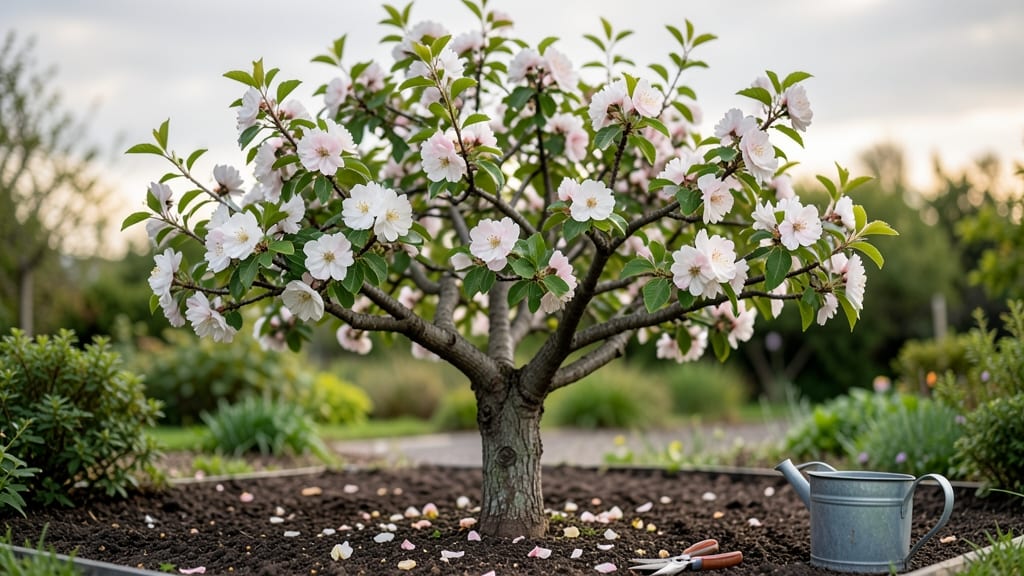
Plum trees bloom when spring finally arrives, but frost-resistant varieties like Methley and Stanley can handle late freezes and still deliver stunning pink blossoms. 🌸 I've watched my own plum tree shake off frost damage only to burst into bloom again—it's like nature's way of proving resilience.
The timing varies wildly: some bloom as early as February in warm climates, while others wait until May in colder regions.
Healthy blooms mean strong fruit production later, but you can tell if something's off by checking the buds. They should be plump and firm, not shriveled or oozing sap. After the flowers fade, prune lightly to encourage fruit development—just remove any dead wood or crossing branches.
This is also when you should thin out some fruit to prevent overloading the tree.
To encourage even more vibrant blooms next year, feed your plum tree with a balanced fertilizer in early spring. Mulch around the base to protect roots from temperature swings, and water deeply during dry spells.
The reward? A canopy of blossoms that turns into a harvest of juicy plums by summer.
These trees thrive in USDA zones 4-9, so adjust your care based on your local climate. In colder areas, choose late-blooming varieties to avoid frost damage. Whether you're growing for fruit or just the beauty of those blossoms, plum trees deliver year after year.
📚 In This Guide
- What you need
- Instructions
- Tips and common mistakes
- Wrapping up and next steps
What you need
- ● Plum Tree Varieties: Choose frost-resistant cultivars like Stanley, Methley, or Montclar (available as bare-root saplings or potted plants).
- ● Soil: 50 lbs of well-draining, slightly acidic soil (pH 6.0–6.5) or a mix of topsoil and compost (2:1 ratio).
- ● Fertilizer: 10-10-10 balanced fertilizer (1 lb per tree) or organic options like composted manure.
- ● Mulch: 3–4 inches of wood chips or straw to insulate roots.
- ● Tools: Shovel or trowel
- ● Pruning shears (sterilized)
- ● Garden gloves
- ● Watering can or hose with a gentle spray nozzle
- ● Frost Cloth: Lightweight fabric to protect young trees during late frosts (💡 Pro tip: Secure loosely to avoid moisture buildup!).
- ● Drip Irrigation: For consistent moisture, especially in drought-prone areas.
- ● Tree Guards: Plastic or metal collars to deter pests and animals.
- ● Soil Moisture Meter: To monitor root health post-frost.
How to care for frost-resistant plum trees after late blooms
Here's how to protect and encourage rebloom in hardy plum varieties after unexpected frost.
☀️ Step 1: Assess Frost Damage Immediately
Check your plum tree within 24 hours of frost by gently shaking branches—any remaining buds that feel firm and dark brown are likely dead. Healthy buds stay greenish-brown and plump. I focus on central leader buds first, since these determine the tree's main growth pattern. If more than 50% of flower buds are damaged, the tree will still produce fruit later but with a lighter crop.
Don't panic if leaves show frost burn—those will regrow. The real concern is flowers and new shoots. Use pruning shears to cut back any blackened wood to a healthy green bud or branch collar. This encourages new growth from dormant buds lower on the tree.
💧 Step 2: Water Deeply to Recover from Stress
Plum trees need 1-2 inches of water weekly after frost to compensate for root stress. I water at soil level (not overhead) to prevent fungal spores from splashing onto fresh cuts. Use a soaker hose for 30-45 minutes to ensure moisture reaches 12-18 inches deep. The soil should feel damp but not soggy—press your finger in to check.
Mulch the base with 2-3 inches of wood chips (keep it 6 inches away from the trunk) to insulate roots and retain moisture. This is especially critical if your area experiences late frosts—the mulch acts like a blanket, protecting roots from temperature swings.
✂️ Step 3: Prune for Airflow and New Growth
Wait 2-3 weeks after frost before pruning further—this gives the tree time to assess damage. Remove crossing branches first (they compete for energy) and any dead wood that's dry and brittle. I make cuts at a 45-degree angle just outside the branch collar to prevent water from pooling. For larger branches, use three-cut pruning to avoid tearing bark.
Look for suckers (vigorous shoots at the base)—these drain energy from fruit production. Snip them off at the ground level. If your tree has water sprouts (vertical shoots growing straight up), prune them back to a lateral branch to encourage bushier growth and more fruit-bearing wood.
🌱 Step 4: Fertilize for Recovery and Future Blooms
Apply a balanced 10-10-10 fertilizer (use ½ pound per 100 square feet of canopy) in early spring to replenish nutrients lost during frost stress. I scatter it evenly under the dripline (the edge of the tree's shadow) and water it in immediately. Avoid high-nitrogen fertilizers—they promote leafy growth at the expense of flowers.
For extra resilience, add 1 cup of compost around the root zone. This improves soil structure and provides slow-release nutrients. If your soil is clay-heavy, mix in 1 part sand to improve drainage—plum trees hate soggy roots, which invite rot after frost damage.
🌿 Step 5: Monitor for Pests After Pruning
Plum trees under stress attract borers and aphids—check the bark for sawdust-like frass (borer droppings) or sticky honeydew (aphid residue). I spray neem oil (mixed 2 tbsp per gallon of water) on new growth to deter pests without harming bees. Apply it in the early morning so it dries before afternoon heat.
Watch for Japanese beetles—they target plum flowers and can defoliate branches quickly. Handpick them into soapy water if the infestation is small. A row cover (lightweight fabric) over new shoots can also protect blooms if late frosts are forecasted again.
Tips & tricks for reviving frost-damaged plum trees
Here's what nobody tells you about helping plum trees bounce back after frost—these tricks make all the difference between a sad recovery and a robust rebloom.
Damage Assessment: In Step 1, when checking buds within 24 hours, focus on the bud scales—they should separate slightly when healthy. If they stay tightly closed and feel mushy, that bud is dead. I use a magnifying glass to inspect buds on taller branches that are harder to reach. This precision helps you target only the truly damaged areas for pruning.
Pruning Precision: For Step 3's pruning, I mark branches to remove with masking tape before cutting—this prevents over-pruning when you're frustrated. When making your 45-degree cuts, imagine slicing a pie: the top of the cut should face the branch you're keeping. This ensures proper healing and prevents water from pooling at the wound. Between us, I've seen too many trees develop rot from improper pruning cuts.
Watering Wisdom: The 30-45 minutes of soaker hose time in Step 2 is your best friend for deep watering. I set a timer and check the soil after 30 minutes—if it's still dry 6 inches down, add another 15 minutes. Overhead watering can spread fungal spores from the soil onto fresh pruning cuts, so I always water at the base. This simple habit prevents half the post-frost problems I see in neighbors' trees.
Pro Tips for Plum Trees Bloom
- Here's what nobody tells you about helping plum trees bounce back after frost—these tricks make all the difference between a sad recovery and a robust rebloom.
- Damage Assessment: In Step 1, when checking buds within 24 hours, focus on the bud scales—they should separate slightly when healthy.
- Pruning Precision: For Step 3's pruning, I mark branches to remove with masking tape before cutting—this prevents over-pruning when you're frustrated.
Frequently asked questions
Got questions about frost-resistant plum trees and their stunning blooms? You’re not alone! Here are answers to the most common queries to help you grow thriving trees that rebound after cold snaps.
When do plum trees bloom after frost damage?
Plum trees typically bloom in early to mid-spring, often between late March and early May, depending on your climate zone. If frost hits early blooms, don’t worry—many frost-resistant varieties like Methley or Stanley will regrow leaves and even rebloom later in the season. Just avoid pruning until after the last frost to protect new growth.
Can plum trees bloom again after a hard frost?
Yes! While frost can damage early flowers, frost-resistant varieties often recover beautifully. After a hard frost, you might see delayed or lighter blooms, but the tree’s roots and branches remain intact. Focus on watering deeply and fertilizing lightly in early spring to encourage a strong rebound. Some varieties, like Brookgold, are known for their resilience.
What’s the best way to protect plum trees from late frost?
Use frost cloths or row covers over blooming branches on chilly nights (below 28°F). Avoid plastic sheets, as they can trap heat and damage the tree. For young trees, wrap the trunk with burlap or tree guards to shield against cold winds. If frost is forecasted, water the soil the night before—moist ground retains heat better than dry soil.
Do frost-resistant plums produce fruit after blooming?
Frost-resistant varieties like Santa Rosa or Larry Kelley are bred to handle cold snaps and still produce abundant fruit. While early frost may reduce yield, the tree’s hardiness ensures a reliable harvest later in the season. Thin fruit clusters in summer to improve size and quality—this also helps the tree recover from frost stress.
What if my plum tree doesn’t bloom at all after frost?
If your tree skips blooming entirely, check for over-pruning or nutrient deficiencies (like lack of phosphorus). Frost-resistant plums need 6–8 hours of sunlight daily—shady spots can delay blooming. Try a balanced fertilizer in early spring and prune only dead or diseased branches to encourage new growth. Patience helps—some trees take a year to rebound fully!
Wrapping up and next steps
Watching your plum trees bloom after frost is a rewarding sight—and with the right frost-resistant varieties, it’s absolutely achievable! 🌸 Whether you’re a seasoned gardener or just starting, these resilient trees prove that beauty thrives even in chilly climates.
Now that you’re armed with the best options and care tips, it’s time to take action—plant, nurture, and enjoy the stunning blossoms that will grace your garden year after year.
Ready to transform your outdoor space? Pick your favorite variety, grab your gloves, and get planting! 🌱