
Blooming
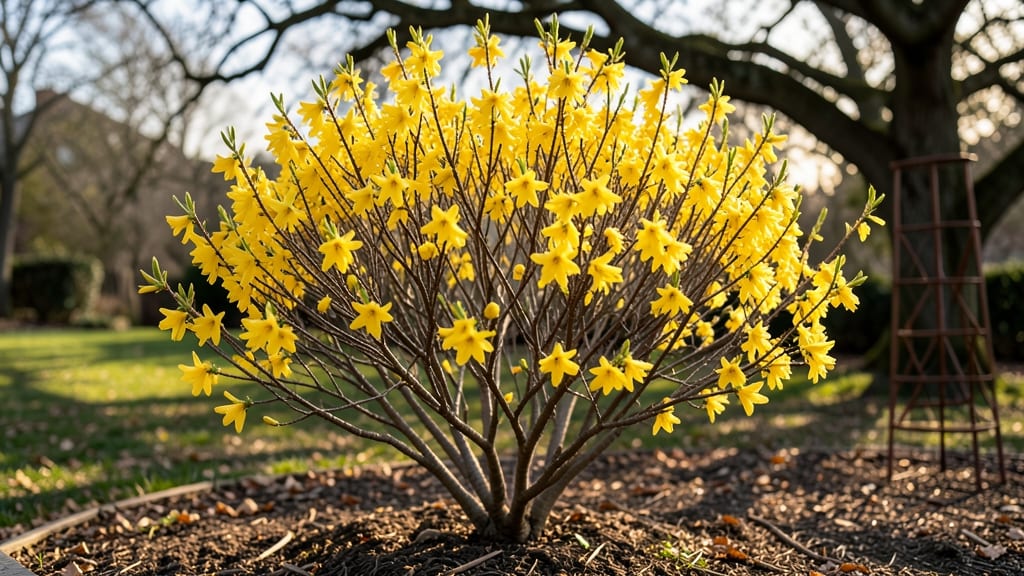
Nothing announces spring like forsythia blooming branches bursting with golden-yellow flowers. 🌸 I've learned the hard way that timing pruning after the show ends is the secret to next year's even brighter display—cut too soon, and you lose next season's blooms.
The plant thrives on neglect once established, but a few key moves make all the difference. Prune right after flowering (late April to early May) to shape the shrub while preserving next year's buds.
A clean cut at the branch collar ensures healthy regrowth, and mulching keeps roots cozy through winter. By summer, you'll see fresh green leaves emerging from where the flowers fell, signaling the plant's energy shift from blooms to foliage.
The branches grow sturdy enough to support their own weight, creating a natural arch perfect for trellises or garden borders. For maximum impact, plant forsythia where it gets full sun and can be the first splash of color.
The scent alone—lightly sweet with a hint of honey—makes it a garden star every year. Now let's get those branches thriving!
📚 In This Guide
- What you need
- Instructions
- Tips and common mistakes
- Wrapping up and next steps
What you need
- ● Forsythia blooming branches: 3–6 fresh, healthy stems (choose ones with vibrant yellow flowers and minimal leaves for longer vase life).
- ● Pruning shears: Sharp, clean pair to cut stems at a 45° angle (about 6 inches long).
- ○ Floral preservative (optional but recommended): 1 packet or 1 tsp of commercial preservative (like FloraLife) to extend freshness.
- ● Vase or container: A clean, wide-mouth vessel (glass, ceramic, or even a mason jar) with a diameter to accommodate your stems.
- ● Water: Room-temperature, filtered water (change every 2–3 days).
- ● Bucket of water: Large enough to submerge stems (for initial hydration before arranging).
- ● Newspaper or towel: To protect surfaces and catch water drips.
- ○ Floral foam (optional): For arrangements where stems need extra support.
- ○ Decorative elements (optional): Greenery (eucalyptus, ivy), berries, or ribbon for a polished look.
- ● A sunny or bright workspace (forsythia thrives in indirect light).
- ● Time commitment: ~15–30 minutes for cutting, hydrating, and arranging.
- ● Knowledge of when to cut: Harvest branches in early spring when buds are tight but starting to open!
How to grow and care for forsythia blooming branches
This cheerful, sun-loving shrub brings bold color without demanding much—here’s how to keep yours thriving.
🌱 Step 1: Choose the Right Location for Planting
Forsythia loves full sun—plant where it gets at least 6 hours of direct sunlight daily. I always check the site first: if nearby trees cast shade after noon, the blooms will be sparse. Dig a hole twice as wide as the root ball but only as deep—forsythia roots spread wide but don’t need extra depth.
Amend the native soil with 2-3 inches of compost mixed into the bottom of the hole. This ensures good drainage while retaining moisture. Tap the plant gently from its container to loosen roots, then place it in the hole so the top of the root ball sits 1 inch above ground level. This prevents waterlogging and stem rot.
☀️ Step 2: Water and Mulch for Establishment
Water deeply right after planting to settle the soil around the roots. You’ll know it’s right when the top 2 inches of soil feel moist but not soggy. Forsythia is drought-tolerant once established, but new plants need consistent moisture for the first 2-3 weeks. I water every 2-3 days until new growth appears—usually within 7-10 days.
Spread 2-3 inches of mulch around the base, keeping it 3 inches away from the trunk to prevent rot. I use shredded bark or wood chips because they break down slowly and improve soil over time. Mulch also keeps roots cool in summer and insulated in winter.
✂️ Step 3: Prune After Blooming to Encourage New Growth
Here’s the key: prune forsythia right after the yellow flowers fade in late spring. Cut back one-third of the oldest stems to the ground—these are the branches that bloomed this year. This forces fresh, younger branches to grow, which will produce next year’s flowers. I always use clean, sharp pruners to avoid tearing the bark.
Remove any dead, crossing, or weak branches while you’re at it. You’ll notice the plant looks fuller and bushier within a season. Avoid heavy pruning in fall or winter—forsythia blooms on old wood, so cutting back then removes next year’s flowers.
🌿 Step 4: Fertilize and Monitor for Pests
Forsythia isn’t fussy about fertilizer, but a light feeding in early spring keeps it vigorous. I use a balanced 10-10-10 fertilizer sprinkled around the base and water it in. Too much nitrogen makes leaves lush but flowers sparse, so follow the package rate—usually 1 tablespoon per foot of plant height.
Watch for aphids on new growth—they suck sap and leave sticky residue. A strong spray of water usually knocks them off, but if they persist, neem oil works well. Forsythia is generally pest-resistant, so don’t stress unless you see wilting leaves or chewed foliage. Yellowing leaves often mean overwatering, so let the soil dry out between waterings.
⏰ Step 5: Prepare for Winter Dormancy
Forsythia handles cold well, but young plants need a little help in harsh winters. I mound 2-3 inches of extra mulch around the base in late fall to protect roots from freezing. Avoid heavy snow buildup on branches—tap it off gently to prevent breakage. The plant’s natural dormancy means you can relax until spring, when those first bright yellow blooms appear.
Here’s the thing—forsythia grows fast, so check for branches rubbing together. These can create wounds where disease enters. Trim any that cross or rub, and you’ll have a tidy, healthy shrub ready for another season of cheerful color.
Tips & tricks for perfect forsythia blooming branches
Here's what I've learned after years of growing these cheerful shrubs—little tricks that make all the difference between sparse blooms and a vibrant spring display.
Sunlight Strategy: That 6 hours of sunlight is non-negotiable, but here's the catch: morning sun is more important than afternoon. If you must compromise, prioritize east-facing exposure. I've seen forsythias in west-facing spots with afternoon shade still produce great blooms, but east-facing plants always seem to have more flowers. Consider adding a small trellis or support if nearby trees might cast shade later in the season.
Root Ball Placement: The 1-inch elevation above ground level in Step 1 is crucial—it prevents waterlogging that can rot the roots. I've made the mistake of planting too deeply, and those plants struggled for years. If your soil is particularly heavy clay, consider adding a layer of coarse sand to the bottom of the hole before backfilling with amended soil. This improves drainage without compromising moisture retention for those first critical weeks.
Watering Wisdom: Those 2-3 weeks of consistent watering are when most people fail. I've seen new plants wilt dramatically after just one skipped watering session. Use your finger to check soil moisture—if the top 2 inches feel dry, it's time to water. A drip irrigation system set on a timer for those first few weeks takes the guesswork out completely. And here's a pro move: water in the morning so any excess drains away before evening.
Pruning Precision: When you're cutting back one-third of the oldest stems in late spring, here's how to identify which ones to remove: look for branches that are thicker than a pencil and have already bloomed. These are the ones that produced this year's flowers and won't bloom again. The younger, thinner stems (about pencil thickness or less) are the ones that will flower next year. Always make clean cuts just above a bud or side branch.
Pro Tips for Forsythia Blooming Branches
- Here's what I've learned after years of growing these cheerful shrubs—little tricks that make all the difference between sparse blooms and a vibrant spring display.
- Sunlight Strategy: That 6 hours of sunlight is non-negotiable, but here's the catch: morning sun is more important than afternoon.
- Root Ball Placement: The 1-inch elevation above ground level in Step 1 is crucial—it prevents waterlogging that can rot the roots.
Frequently asked questions
Got questions about forsythia blooming branches? You're not alone! Here are some of the most common inquiries—plus quick, practical answers to help you make the most of these cheerful spring stars.
When do forsythia branches typically bloom?
Forsythia blooms are one of the first signs of spring, usually appearing between late winter and early spring (February–April, depending on your climate). In colder regions, buds may wait until after the last frost. Pro tip: Prune branches in late winter before blooming to encourage dense, vibrant flowers!
How long do cut forsythia branches stay fresh in a vase?
With proper care, forsythia branches can last 7–10 days in a vase. Trim stems at an angle, remove lower leaves, and change the water every 2–3 days. Add a flower food packet to extend freshness. For longer-lasting branches, store them in the fridge overnight before arranging.
Can I prune forsythia branches after they’ve bloomed?
Yes, but timing matters! Prune right after flowering (late spring) to shape the plant and encourage next year’s blooms. Avoid heavy pruning in fall or winter—forsythia blooms on old wood, so cutting back too late can reduce spring flowers. Use clean, sharp shears for the best results.
What if my forsythia branches aren’t blooming?
Several factors could be at play:
- Age: Younger plants (under 3 years) may not bloom heavily.
- Light: Forsythia thrives in full sun (6+ hours/day).
- Pruning: Over-pruning or cutting back too late can reduce flowers.
- Nutrition: Poor soil or lack of fertilizer (like a balanced 10-10-10) may stunt blooms.
Are there alternatives to forsythia for early spring color?
If you’re looking for similar early-season bloomers, consider:
- Dwarf lilac (compact, fragrant flowers)
- Magnolia (bold, cup-shaped blooms)
- Quince (highly fragrant, disease-resistant)
- Winter honeysuckle (yellow flowers, great for cuttings)
Wrapping up and next steps
Forsythia blooming branches bring a burst of golden cheer to gardens, effortlessly transforming spaces into vibrant spring sanctuaries. Whether you’re pruning for health, creating stunning arrangements, or simply admiring their beauty, these branches are a low-maintenance, high-reward addition to any outdoor (or indoor!) setting. 🌸
Now that you’re armed with tips and tricks, why not take the next step? Grab those pruners, raid your garden, and craft your own fragrant masterpiece—or share your love for forsythia with a friend! The spring sunshine is waiting, and so is your future floral crown.