
Blooming
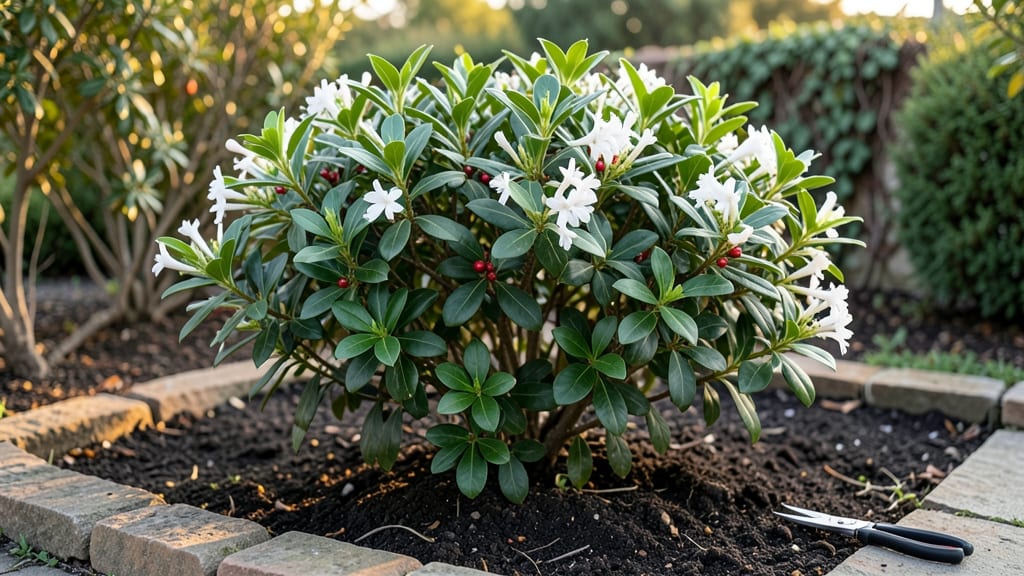
Growing a night blooming jasmine shrub means your garden comes alive after dark. 🌙 The intoxicating fragrance that fills summer evenings is worth every bit of care—this isn’t just a plant, it’s an experience you’ll crave.
Start with a sunny spot and well-draining soil, then water deeply but let the top inch dry between sessions. Prune right after blooming to encourage bushier growth, and watch as fragrant white flowers open every evening from late spring through fall.
You’ll end up with a thriving shrub that attracts pollinators and fills your patio with sweet perfume. The key is patience—it takes about two years for established plants to reach their full, fragrant potential. Works beautifully in containers too, making it perfect for small spaces or balconies.
Here’s how to keep it blooming reliably every season.
📚 In This Guide
- What you need
- Instructions
- Tips and common mistakes
- Wrapping up and next steps
What you need
- ● Night-blooming jasmine plant: 1–3 Cestrum nocturnum plants (bare-root or potted, 1–3 ft tall)
- ● Choose a healthy specimen with green, glossy leaves and no signs of pests/disease.
- ● Well-draining potting mix: 5–10 gallons (depending on pot size)
- ● Mix: 60% garden soil, 30% perlite/pumice, 10% compost (or pre-mixed cactus/succulent blend).
- ● Container or garden bed: Container: 15–20 gallon pot with drainage holes (for patio/garden)
- ● Garden bed: Full sun to partial shade spot (6+ hours of light daily)
- ● Gloves (gardening or work gloves)
- ● Trowel (for planting/transplanting)
- ● Pruning shears (sterilized, for shaping)
- ● Watering can or hose with gentle spray nozzle
- ○ Mulch (optional): 2–3 inches of wood chips or gravel (to retain moisture).
- ○ Fertilizer (optional): Balanced 10-10-10 or 20-20-20 liquid fertilizer (diluted to half-strength)
- ● OR slow-release granular fertilizer (sprinkle lightly around roots).
- ○ Support structure (optional for climbing varieties): Trellis, fence, or stakes (3–6 ft tall).
Step-by-Step guide to planting and caring for night blooming jasmine
Here's how to bring that intoxicating midnight fragrance to your garden—simple steps for a thriving, fragrant shrub.
🌱 Step 1: Choose the Perfect Planting Location
Night blooming jasmine thrives in full sun to partial shade, with at least 6 hours of sunlight daily. I always pick a spot near my patio or bedroom window so I can enjoy the evening perfume. The plant needs shelter from strong winds, which can damage its delicate blooms.
Test your site by observing it throughout the day. If the area gets hot afternoon sun in your climate, provide afternoon shade during peak summer months. The roots prefer well-draining soil, so avoid low spots where water pools after rain.
🪴 Step 2: Prepare the Planting Hole and Soil
Dig a hole twice as wide as the jasmine's root ball but only as deep as the container it came in. This prevents burying the stem too deeply, which can cause rot. Gently loosen the roots if they appear circling in the container—this encourages outward growth.
Amend the native soil with 2-3 inches of compost mixed into the bottom of the hole. Jasmine prefers slightly acidic to neutral soil (pH 6.0-7.5). If your soil is heavy clay, mix in 1 part sand to improve drainage. The topsoil should be loose and crumbly when moistened.
💧 Step 3: Plant and Water Thoroughly
Place the jasmine in the hole so the top of the root ball sits 1 inch below soil level. Fill around the roots with native soil, pressing gently to eliminate air pockets. Water immediately after planting to settle the soil and remove any air gaps.
Give the plant 1 gallon of water per foot of height (so a 3-foot shrub gets 3 gallons). Water slowly until it seeps into the soil, then let it drain completely. Mulch with 2-3 inches of organic mulch around the base, keeping it 6 inches away from the stem to prevent rot.
☀️ Step 4: Provide Consistent Care Through the Seasons
Water deeply once a week during the first growing season, allowing the top 2 inches of soil to dry between waterings. Jasmine is drought-tolerant once established but produces more blooms with consistent moisture. In hot climates, increase to twice weekly during summer.
Fertilize lightly in spring with a balanced 10-10-10 fertilizer, using half the recommended rate. Avoid heavy feeding, which encourages leafy growth at the expense of fragrant flowers. Prune lightly after flowering to shape the shrub, cutting back leggy stems to encourage bushier growth.
⏰ Step 5: Protect and Enjoy the Midnight Blooms
Night blooming jasmine needs at least 6 hours of darkness before flowering, so avoid planting near security lights or streetlights that stay on all night. The flowers open in late evening and close by mid-morning, releasing their intoxicating scent as night falls.
Watch for aphids or spider mites, which can stress the plant. Spray affected areas with water or apply insecticidal soap if needed. With proper care, your jasmine will reward you with fragrant blooms for 10-15 years, filling your garden with magic each evening.
Tips & tricks for perfect night blooming jasmine shrubs
Took me years to figure out these simple tricks that'll make your jasmine thrive—and fill your evenings with that dreamy fragrance.
Location is Everything: That 6 hours of sunlight rule is non-negotiable, but here's the secret: test your spot throughout the day. Morning sun is gentler, while afternoon sun can scorch. I've planted mine near my bedroom window so I can enjoy the scent while drifting off to sleep. If your area gets intense afternoon sun, use a temporary shade cloth during peak summer hours to protect those delicate blooms.
Soil Prep Makes All the Difference: The 2-3 inches of compost in Step 2 isn't just about nutrients—it's about creating the perfect crumbly texture. If your native soil is heavy clay, mix in that 1 part sand to prevent waterlogging. I always do a quick soil test (kits are cheap!) to check the pH. Jasmine loves slightly acidic to neutral soil (pH 6.0-7.5), and adjusting with a little lime or sulfur can make a huge difference in blooming.
Watering Wisdom: In Step 3, when you're giving your jasmine 1 gallon per foot of height, don't just dump it all at once. Water slowly until it seeps in—this prevents runoff and encourages deep root growth. The 2 inches of dry soil between waterings is your guide, but in summer heat, I increase to twice weekly. A moisture meter is worth the investment if you're unsure—it takes the guesswork out of watering.
Pruning for Perfection: Light pruning after flowering isn't just about shaping—it's about encouraging more blooms. Cut back those leggy stems by about a third, but always cut just above a leaf node. I prune in late winter or early spring when new growth is just starting. This timing gives your plant energy to focus on producing those fragrant flowers rather than repairing damaged stems.
Pro Tips for Night Blooming Jasmine Shrub
- Took me years to figure out these simple tricks that'll make your jasmine thrive—and fill your evenings with that dreamy fragrance.
- Location is Everything: That 6 hours of sunlight rule is non-negotiable, but here's the secret: test your spot throughout the day.
- Soil Prep Makes All the Difference: The 2-3 inches of compost in Step 2 isn't just about nutrients—it's about creating the perfect crumbly texture.
Frequently asked questions
Got questions about your night-blooming jasmine shrub?
Here are some of the most common ones—plus expert answers to help you grow fragrant, healthy plants with ease!
When does night blooming jasmine actually bloom?
Night blooming jasmine typically opens its intoxicating flowers after sunset, usually between 8 PM and midnight, depending on your climate. In warmer regions, blooms may start as early as 6 PM. The flowers close by mid-morning, so timing is key if you want to enjoy their scent up close!
How cold can night blooming jasmine tolerate?
Most varieties (like Cestrum nocturnum) thrive in USDA Zones 9-11 and can handle light frosts down to 25°F (-4°C). In colder zones, grow it in containers and bring it indoors before winter. If temperatures drop below 20°F (-7°C), expect leaf drop or damage—protect it with frost cloth if possible!
Why isn’t my night blooming jasmine blooming?
No flowers? Check these common culprits:
- Too much shade: It needs 6+ hours of sunlight daily.
- Over-fertilizing: Too much nitrogen = leafy growth, no blooms. Use a low-nitrogen, high-phosphorus fertilizer in spring.
- Pruning at the wrong time: Trim after blooming (late winter/early spring) to encourage new growth.
- Age: Young plants may take 1-2 years to bloom.
Can I grow night blooming jasmine in a pot?
Potted jasmine is ideal for small spaces or climates with harsh winters. Use a 5-gallon+ container with drainage holes and a well-draining mix (cactus/succulent soil works). Place it in full sun and water when the top inch of soil is dry. Just remember: Containers dry out faster—monitor closely in summer!
Are night blooming jasmine flowers toxic to pets?
Yes, all parts of night blooming jasmine (Cestrum nocturnum) are toxic to dogs, cats, and horses if ingested. Symptoms include drooling, vomiting, or weakness. Keep it out of reach of pets and consult a vet if you suspect poisoning. Non-toxic alternatives like Jasminum polyanthum (day-blooming jasmine) are safer options for pet owners.
Wrapping up and next steps
The night blooming jasmine shrub brings a touch of enchantment to your garden, filling evenings with intoxicating fragrance and delicate beauty. Whether you're a seasoned gardener or just starting, this fragrant gem is a rewarding addition that thrives with minimal effort—just plant, prune, and enjoy! 🌙✨
Ready to transform your garden into a moonlit sanctuary? Grab your gloves, pick a sunny spot, and let the magic unfold. Start planting today!