
Blooming
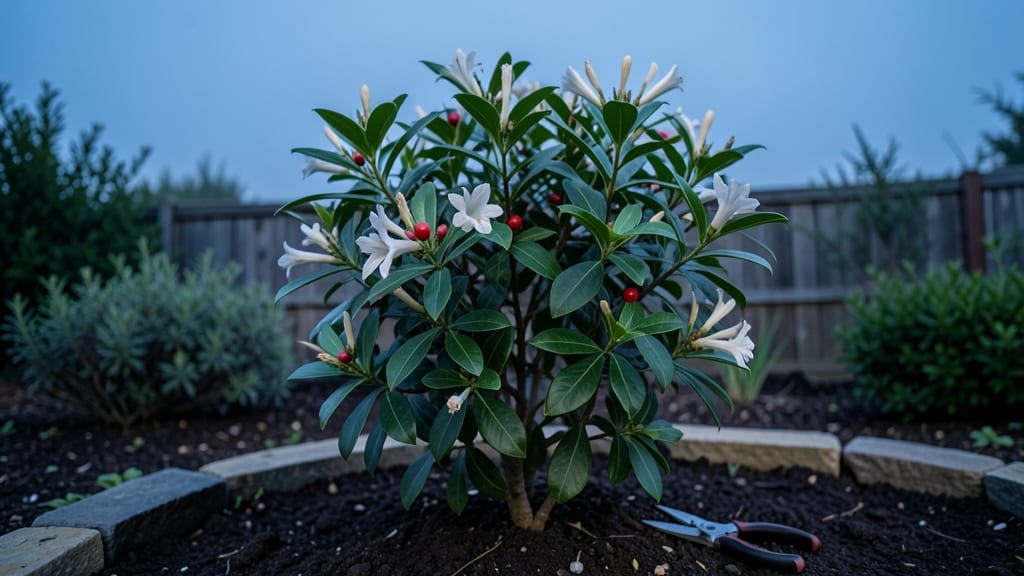
The night-blooming jasmine flower transforms your garden into a moonlit sanctuary when the sun sets. ✨ I've grown this velvety-scented vine for years, and its intoxicating perfume—strongest at dusk—is the secret to an unforgettable evening garden.
The key to success starts with the right location and soil, but don't worry: this plant is far more forgiving than it looks.
You'll need full sun to partial shade (at least 6 hours of sunlight daily), well-draining soil, and a sturdy trellis or fence for climbing. Night-blooming jasmine thrives in USDA zones 7-11, making it perfect for warm climates, though container growing extends its range.
Water deeply once a week, letting the top inch of soil dry out between waterings—overwatering is the #1 way to kill these fragrant beauties.
By late summer, you'll be rewarded with clusters of star-shaped white flowers that open only after dark, releasing their signature sweet, floral scent. Prune lightly after blooming to encourage bushier growth, and pinch back leggy stems in spring.
The fragrance peaks when flowers are freshly opened—perfect for evening strolls or romantic patio dinners.
Watch for aphids (wipe leaves with soapy water) and fungal spots (improve airflow). With proper care, your jasmine will bloom reliably for 10+ years, becoming the centerpiece of your garden's nighttime magic. Ready to turn your backyard into a fragrant evening retreat?
📚 In This Guide
- What you need
- Instructions
- Tips and common mistakes
- Wrapping up and next steps
What you need
- ● Night Blooming Jasmine Plant: 1 healthy plant (potted or bare-root)
- ● Choose Jasminum sambac or Jasminum grandiflorum for the best evening fragrance.
- ● Well-Draining Potting Soil: 5–10 gallons (depending on pot size)
- ● Mix with perlite or sand (1:1 ratio) for aeration.
- ● Container or Garden Bed: Pot: 12–18 inches in diameter (for potted growth)
- ● Garden bed: Full sun (6+ hours/day) with well-draining soil.
- ● Fertilizer: Balanced liquid fertilizer (10-10-10) or organic compost (e.g., worm castings).
- ● Pruning Shears: Sharp, sterilized shears for trimming.
- ● Trellis or support structure (for climbing varieties).
- ● Slow-release fertilizer tablets for convenience.
- ● Mulch (e.g., pine bark) to retain moisture.
- ● Spray bottle for misting (especially in dry climates).
- ● Garden gloves for protection while handling thorns.
Step-by-step guide to cultivating night blooming jasmine
Here's how to coax those intoxicating evening blooms from your own garden.
🌱 Step 1: Select the Right Variety and Planting Site
Night blooming jasmine (Jasminum sambac or Jasminum grandiflorum) thrives in USDA Zones 8-11 but can be grown as an annual in cooler climates. Choose a location with partial shade to full sun—morning sun followed by afternoon shade prevents leaf scorch while allowing enough light for flowering. I always plant mine near a patio or bedroom window so the fragrance drifts indoors at dusk.
Jasmine needs well-draining soil—amend heavy clay with 2-3 inches of compost and a handful of perlite to improve aeration. The roots are sensitive to waterlogging, so avoid low-lying areas where water pools. Here's the thing—jasmine grows aggressively, so plant 10-12 feet from fences or structures unless you want it to climb everywhere.
☀️ Step 2: Plant at the Right Time and Depth
Plant bare-root jasmine in early spring after the last frost when soil temperatures reach 60°F. Dig a hole twice as wide as the root ball but only as deep—burying too deeply suffocates the plant. Gently loosen the roots if they're circling and position the crown 1-2 inches above soil level to prevent rot.
Backfill with native soil mixed with 1 cup of bone meal (for phosphorus) and water deeply until the soil settles. You'll see new growth within 2-3 weeks if conditions are right. If planting in containers, use a 5-gallon pot with drainage holes—jasmine roots need room to spread.
💧 Step 3: Water and Fertilize for Optimal Growth
Water deeply once weekly during the first growing season, allowing the top 2 inches of soil to dry between waterings. Jasmine is drought-tolerant once established but produces more blooms with consistent moisture. I always check soil moisture by hand—if it feels dry 1 inch down, it's time to water.
Fertilize lightly in early spring with a balanced 10-10-10 formula (1 tablespoon per foot of plant height). Avoid high-nitrogen fertilizers—they encourage leafy growth at the expense of flowers. Here's what I do: every 4-6 weeks in summer, sprinkle ½ cup of compost around the base and water it in.
✂️ Step 4: Prune and Train for Maximum Blooms
Prune in late winter or early spring before new growth begins. Remove dead or crossing branches first, then cut back one-third of the oldest wood to encourage new, flowering growth. Jasmine blooms on new wood, so regular pruning keeps the plant vigorous. I always sterilize my pruners with rubbing alcohol to prevent disease.
Train vines along a trellis, arbor, or fence—support helps direct growth and makes harvesting easier. Pinch back new growth tips in early summer to encourage bushier growth. Watch for yellowing leaves, which often signal overwatering or nutrient deficiency. Adjust care accordingly—jasmine is forgiving but responds best to consistency.
🌿 Step 5: Encourage Evening Blooms with Proper Care
Jasmine blooms late afternoon to evening when temperatures drop below 85°F. To trigger more flowers, reduce water slightly in late summer—just enough to keep leaves from wilting. I also remove spent blooms daily (deadheading) to redirect energy into new growth. The fragrance peaks at dusk, so plant near seating areas or open windows.
In cooler climates, bring potted jasmine indoors before frost—place it in a bright, cool room (like a garage with natural light) and reduce watering. Resume outdoor care in spring. Real talk: jasmine can be invasive, so contain it with root barriers if needed. With patience, you'll have fragrant evenings year after year.
Tips & tricks for perfect night blooming jasmine cultivation
Here's what nobody tells you about getting those intoxicating evening blooms—these are the secrets I've learned after years of growing jasmine.
The Lighting Strategy: The key to morning sun and afternoon shade isn't just about preventing leaf scorch—it's about creating the perfect temperature drop that triggers evening blooms. I've found that positioning your jasmine where it gets direct morning sunlight but shifts to dappled shade by midday creates that ideal temperature fluctuation from day to night. This mimics the natural conditions in its native tropical habitats where blooms open at dusk.
Soil Science Matters: That 2-3 inches of compost and handful of perlite isn't just about drainage—it's creating the perfect oxygen-rich environment for those sensitive roots. I've had the most success with a 60/40 mix of native soil to compost by volume. The perlite should make up about 10% of your amended soil mix. This combination prevents waterlogging while providing the nutrients jasmine craves for abundant flowering.
Pruning Precision: When you're cutting back that one-third of oldest wood in Step 4, aim to make your cuts just above a leaf node where new growth will emerge. I always make clean cuts at a 45-degree angle about ¼ inch above the node. This technique prevents disease entry points while maximizing new growth potential. Remember, jasmine blooms on new wood, so you're literally pruning for next season's flowers when you do this in late winter.
Fragrance Optimization: To maximize that signature evening scent, plant your jasmine within 10-15 feet of where you'll be enjoying the outdoors at dusk. The fragrance carries best on still, warm evenings. I've also found that planting near a south or west-facing window allows the scent to drift indoors naturally. For container growers, place your 5-gallon pot on a sturdy trellis or balcony railing to elevate the flowers where breezes can carry the aroma.
Pro Tips for Night Blooming Jasmine Flower
- Here's what nobody tells you about getting those intoxicating evening blooms—these are the secrets I've learned after years of growing jasmine.
- The Lighting Strategy: The key to morning sun and afternoon shade isn't just about preventing leaf scorch—it's about creating the perfect temperature drop that triggers evening blooms.
- Soil Science Matters: That 2-3 inches of compost and handful of perlite isn't just about drainage—it's creating the perfect oxygen-rich environment for those sensitive roots.
Frequently asked questions
Got questions about night-blooming jasmine? You’re not alone!
Here are answers to the most common queries—from care tips to troubleshooting—so you can enjoy its intoxicating scent without the guesswork.
How do I encourage my night-blooming jasmine to flower more?
Night-blooming jasmine (like Cestrum nocturnum) thrives with full sun (6+ hours/day) and well-draining soil. Prune lightly after flowering to shape the plant, and fertilize lightly in spring with a balanced, phosphorus-rich formula (like 10-10-10). Avoid overwatering—let the soil dry slightly between waterings. Pro tip: A light pinch of Epsom salt (1 tbsp/gallon) can boost blooms if leaves look pale!
Why isn’t my jasmine blooming at night?
If your plant isn’t flowering, check these common culprits:
- Lack of sunlight: Move it to a sunnier spot (even partial shade can reduce blooms).
- Over-fertilizing: Too much nitrogen = leafy growth, not flowers. Switch to a low-nitrogen, high-phosphorus fertilizer.
- Stress: Sudden temperature drops or drought can delay blooms. Keep it consistently moist but not soggy.
- Age: Young plants may take 1–2 years to mature and flower.
Can I grow night-blooming jasmine in a pot? If so, what size?
Night-blooming jasmine adapts well to containers but needs space to sprawl. Use a pot at least 12–18 inches wide and deep with drainage holes. Opt for fabric grow bags or terracotta to prevent root rot. Repot every 2–3 years and prune roots if they circle the pot. For balconies/patios, train it on a trellis or let it cascade—just ensure it gets sunlight for 6+ hours!
Are night-blooming jasmine flowers toxic to pets or humans?
While night-blooming jasmine (Cestrum nocturnum) is not highly toxic, it can cause mild stomach upset if ingested in large amounts (thanks to saponins in leaves/berries). Symptoms may include vomiting or diarrhea. Keep it out of reach of pets, especially curious cats/dogs. Humans: Avoid consuming any part of the plant—stick to admiring its fragrance!
What’s a good alternative if I can’t grow night-blooming jasmine?
If your climate is too harsh (e.g., freezing winters) or you prefer low-maintenance options, try these fragrant night-bloomers:
- Night-scented stock (Matthiola longipetala): Delicate lavender-like blooms; cold-hardy (USDA zones 3–9).
- Moonflower (Ipomoea alba): Fast-growing vine with creamy white blooms and a sweet scent (annual in cold zones).
- Angel’s Trumpet (Brugmansia): Dramatic, tropical blooms (but toxic—wear gloves when handling!).
- Evening Primrose (Oenothera): Hardy, drought-tolerant, and biodegradable (great for pollinators).
Wrapping up and next steps
The night blooming jasmine flower isn’t just a plant—it’s a fragrant nighttime experience that transforms your garden into a serene oasis. Whether you’re drawn to its intoxicating scent, easy care, or stunning beauty, this flower offers something magical for every gardener.
Ready to bring evening charm to your space? Start by choosing your favorite variety, gathering your supplies, and planting with confidence!
- 🌱 Next step: Pick a spot, dig in, and let the sweet nighttime aroma begin!
- 💡 Pro tip: Share your progress with fellow gardeners—inspiration spreads faster together!