
Blooming
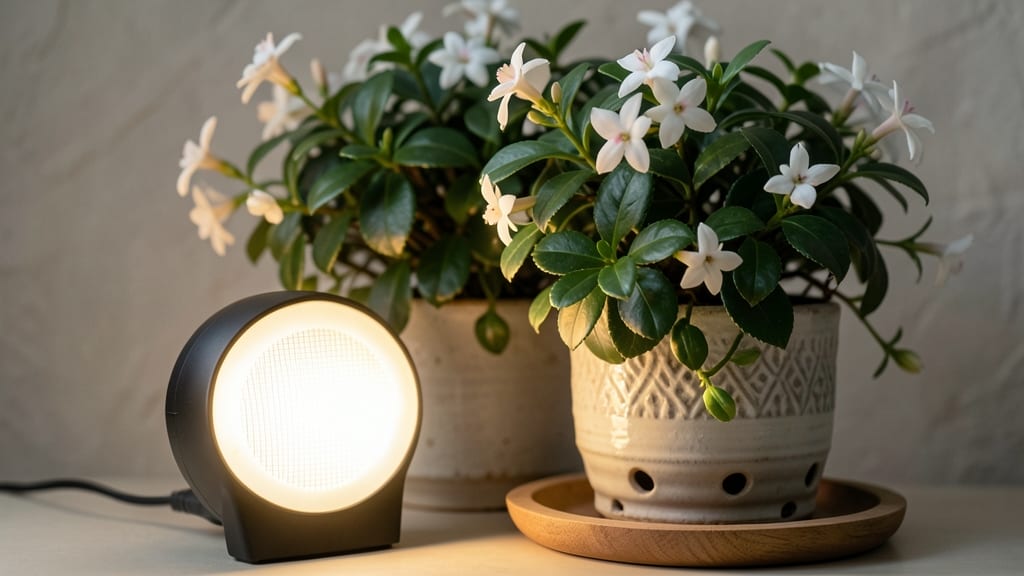
Growing night blooming jasmine indoors transforms your home into a fragrant midnight retreat. 🌿 This velvety plant thrives in cozy corners, filling your evenings with sweet, intoxicating blooms that open only after dark—no garden required.
My first attempt nearly failed when I ignored its need for warmth and humidity, but once I adjusted, it became the star of my living room.
The secret lies in mimicking its tropical roots: bright, indirect light, consistently moist soil, and temperatures above 60°F. Unlike finicky houseplants, jasmine rewards patience with year-round blooms if you keep conditions stable. Just avoid drafts and sudden temperature swings—those shut down flowers faster than a light switch.
By summer’s end, you’ll be harvesting pint-sized white flowers that release their perfume at dusk, drawing moths and admirers alike. The fragrance lingers like a secret shared only between you and the night.
Prune lightly after blooming to encourage bushier growth, and watch it reward you with months of effortless beauty. Works in sunrooms, bedrooms, or even bathrooms with proper care. Let’s get those roots settled—your evenings will never be the same.
📚 In This Guide
- What you need
- Instructions
- Tips and common mistakes
- Wrapping up and next steps
What you need
- ● Night blooming jasmine plant (e.g., Jasminum sambac or Jasminum grandiflorum): 1 healthy, potted plant (3–6 inches in diameter, depending on maturity)
- ● Ensure it’s disease-free and has at least 3–5 stems with buds
- ● Well-draining potting mix: 1 bag (5–10 quarts) of cactus/succulent mix or a blend of: 60% peat moss or coconut coir
- ● 30% perlite or pumice
- ● 10% compost or worm castings
- ● Pot with drainage holes: 1 container (8–12 inches in diameter) made of terracotta, ceramic, or fabric (avoid plastic)
- ○ Optional: Add a cache pot (outer decorative pot with a water reservoir)
- ● Pruning shears (sterilized with rubbing alcohol)
- ● Balanced liquid fertilizer (e.g., 10-10-10 or 20-20-20, diluted to half-strength)
- ● Spray bottle (for misting)
- ● Grow lights or sunny windowsill: South- or west-facing window (6+ hours of indirect light daily)
- ● OR a full-spectrum LED grow light (12–14 hours/day, 12–18 inches above the plant)
- ○ Humidity tray or pebble tray (optional but helpful in dry climates)
- ● Moisture meter (to check soil hydration without overwatering)
- ● Support trellis or bamboo stake (for climbing varieties)
- ● Citrus or fish fertilizer (boosts blooming; use sparingly)
- ● Essential oil diffuser (to complement the jasmine’s natural scent)
- ● Automatic self-watering system (for busy plant parents!)
Step-by-Step instructions for growing night blooming jasmine indoors
Here’s how to coax those intoxicating nighttime blooms indoors—no greenhouse required.
🌱 Step 1: Select and Acclimate Your Plant
Choose a healthy night blooming jasmine (Cestrum nocturnum) with glossy leaves and no signs of pests. Look for a plant with at least 3-4 sturdy branches—this ensures it has the energy to flower indoors. Before bringing it inside, let it sit in a shaded outdoor spot for 3-5 days to adjust to lower light levels. This gradual transition prevents shock and helps it adapt to indoor conditions.
Inspect the leaves for yellowing or brown edges—these are early signs of stress. If you spot any, trim those leaves immediately with clean pruning shears. Night blooming jasmine thrives on a 65-75°F temperature range, so avoid placing it near drafty windows or heating vents. The first few weeks are critical for establishing a strong root system, so consistency is key.
☀️ Step 2: Position for Optimal Light and Airflow
Place your jasmine near a south- or west-facing window where it can receive bright, indirect light for 6-8 hours daily. Direct afternoon sun can scorch the leaves, so if your window gets intense light, use a sheer curtain to diffuse it. You’ll know the light is right when the leaves stay a vibrant green—no pale yellowing or dark spots.
Airflow is just as important as light. Keep the plant in a spot with gentle breezes, like near an open window or a small fan set to low. Poor circulation leads to fungal issues, which jasmine is prone to. Rotate the pot a quarter turn weekly so all sides receive even light. This prevents the plant from growing lopsided, which can reduce flowering.
💧 Step 3: Water and Feed for Vigorous Growth
Water your jasmine when the top 1-2 inches of soil feel dry to the touch. Stick your finger in the soil—if it’s damp past your first knuckle, wait another day. Overwatering is the fastest way to kill this plant, as its roots rot quickly in soggy conditions. Use room-temperature water to avoid shocking the roots, and always water at the base to keep leaves dry.
Feed with a balanced liquid fertilizer (10-10-10 or 20-20-20) diluted to half strength every 4-6 weeks during spring and summer. Reduce feeding in fall and winter, as the plant enters a slower growth phase. You’ll notice new growth within 2-3 weeks of consistent feeding—this is your cue that the plant is thriving and ready to flower.
✂️ Step 4: Prune and Encourage Blooming
Prune your jasmine in early spring to shape the plant and promote bushier growth. Cut back 1/3 of the oldest stems to just above a leaf node, and trim any leggy or bare branches. This encourages new shoots to form, which will eventually produce more flowers. Always use clean, sharp pruners to avoid damaging the stems.
To trigger blooming, mimic its natural outdoor cues. In late summer, reduce watering slightly and stop fertilizing. This stress period signals the plant to focus on flowering rather than foliage. Once buds form, increase humidity around the plant by placing the pot on a tray of pebbles filled with water. The evaporating moisture creates a microclimate that keeps buds from drying out.
🌿 Step 5: Maintain for Year-Round Fragrance
Night blooming jasmine rewards patience—with proper care, it can flower indoors for years. After blooms fade, trim spent flowers back to the nearest leaf node to encourage more blooming. Avoid heavy pruning in fall or winter, as this is when the plant rests. Keep the soil lightly moist but never soggy during this time.
Watch for pests like spider mites or aphids, which love the jasmine’s tender new growth. Wipe leaves with a damp cloth weekly to remove dust and deter pests. If you notice sticky residue on leaves, spray with a mix of 1 tsp neem oil per quart of water to treat infestations early. A healthy jasmine will reward you with intoxicating nighttime fragrance for months to come.
Tips & tricks for perfect night blooming jasmine indoors
These practical insights will help you turn your indoor jasmine into a fragrant nighttime centerpiece without the guesswork.
Transition Tip: That 3-5 day outdoor acclimation in Step 1 isn't just about adjusting to indoor light—it's about letting the plant establish a natural circadian rhythm. Bring it inside during the day only, then return it to shade overnight for those first few days. This mimics the gradual transition plants experience in nature and prevents the shock that often leads to leaf drop.
Lighting Secret: The 6-8 hours of bright, indirect light in Step 2 is non-negotiable, but here's the pro move: supplement with a grow light if your windows aren't sufficient. Place it 6-12 inches above the plant for 12 hours daily during winter months. I use a simple LED grow bulb on a timer—it's the difference between sparse foliage and lush, flowering branches. The key is maintaining that vibrant green color as your visual cue.
Temperature Precision: While the 65-75°F range in Step 1 is ideal, nighttime temperatures matter just as much. Jasmine blooms are triggered by cooler nighttime temps—aim for 60-65°F at night if possible. If your home stays warm all night, consider placing the plant near a window that opens briefly or use a small fan to create gentle airflow. This temperature dip signals the plant to focus energy on flower production rather than foliage growth.
Pruning Strategy: When you're cutting back 1/3 of the oldest stems in Step 4, don't just trim randomly—look for stems that are woody at the base or have fewer than 3 leaf nodes. These are the stems that have already done their growing and won't contribute to future blooms. The cuts you make now will determine next year's flowering potential, so think of it as an investment in future fragrance.
Pro Tips for Night Blooming Jasmine Indoors
- These practical insights will help you turn your indoor jasmine into a fragrant nighttime centerpiece without the guesswork.
- Transition Tip: That 3-5 day outdoor acclimation in Step 1 isn't just about adjusting to indoor light—it's about letting the plant establish a natural circadian rhythm.
- Lighting Secret: The 6-8 hours of bright, indirect light in Step 2 is non-negotiable, but here's the pro move: supplement with a grow light if your windows aren't sufficient.
Frequently asked questions
about growing night blooming jasmine (Cestrum nocturnum) indoors—because every gardener has questions! Here are the answers to the most common ones to help you cultivate your own fragrant midnight garden.Can night blooming jasmine survive indoors year-round?
Yes! With proper care—bright, indirect light, warm temperatures (65–80°F), and high humidity—this tropical plant thrives indoors year-round. Just keep it away from drafts and cold windows. Pro tip: A grow light helps in dim winter months!
Why isn’t my night blooming jasmine blooming?
Blooms trigger at night with cooler temps (60–70°F) and darkness. Ensure it gets 6+ hours of darkness daily (like a natural night cycle). Overwatering or low light can also stunt blooms. Try moving it to a cooler spot at dusk for 2–3 hours to encourage flowers!
How often should I water night blooming jasmine indoors?
Water when the top 1–2 inches of soil are dry—usually every 7–10 days, but adjust for humidity. Overwatering causes root rot, while underwatering leads to droopy leaves. Use well-draining soil and a pot with drainage holes to keep roots happy!
What are some low-maintenance alternatives to night blooming jasmine?
If jasmine feels too demanding, try these fragrant indoor bloomers:
- Stephanotis (Madagascar jasmine) – Sweet-scented white flowers, thrives in shade.
- Jasmine polyanthum – Day-blooming, compact, and hardy.
- Gardenia – Creamy blooms with a heavy fragrance (needs slightly acidic soil).
- Plumeria (frangipani) – Tropical, fragrant, but needs bright light.
How do I get rid of pests like spider mites or aphids?
Isolate the plant first! Wipe leaves with neem oil or insecticidal soap (mix 1 tsp per quart of water). For severe infestations, spray every 3–5 days until pests vanish. Boost humidity to deter mites—mist leaves or use a pebble tray!
Wrapping up and next steps
Growing night-blooming jasmine indoors is a rewarding way to bring fragrant, magical evenings into your home—no green thumb required!
With the right care, patience, and a little creativity, you’ll soon be enjoying its intoxicating scent and lush beauty. Start small: pick a healthy plant, follow the steps, and let your indoor garden flourish under your watchful eye.
Ready to dive deeper? Experiment with pruning, fertilizing, or even training your jasmine to climb a trellis—the possibilities are endless! 🌙✨ Share your progress or explore more indoor plant tips to keep the magic alive.