
Blooming
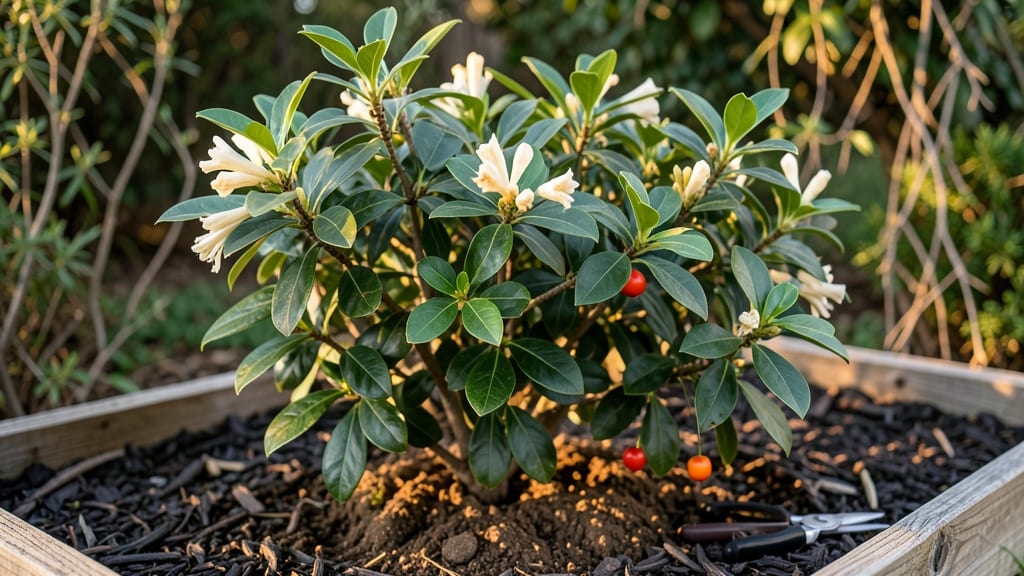
Growing Cestrum nocturnum—that intoxicating night-blooming jasmine—transforms evenings into a fragrant spectacle. 🌙 The moment the sun sets, clusters of white flowers unfurl, releasing a heady, sweet perfume that draws in moths by the dozen.
My first plant took just six months to bloom, and now it’s the centerpiece of my patio, turning summer nights into a sensory experience. This tropical shrub thrives in full sun to partial shade, making it perfect for warm climates or even large containers. The soil?
Well-draining and slightly acidic—think a mix of garden soil and compost—keeps roots happy without fuss. Watering’s simple too: keep it consistently moist but never soggy, especially during its first year of growth. By late summer, you’ll be rewarded with months of nightly blooms, their scent lingering like a secret.
The trade-off? It’s toxic to pets—keep curious cats and dogs away from the leaves and berries. With minimal pruning (just shape it after blooming), it grows 6-10 feet tall, creating a living lantern in your garden.
Ideal for southern gardens, containers, or as a privacy screen, it’s a low-maintenance star. Just plant it where you’ll enjoy the show—and the moths will thank you too!
📚 In This Guide
- What you need
- Instructions
- Tips and common mistakes
- Wrapping up and next steps
What you need
- ● Cestrum nocturnum seeds or cuttings: 3–5 seeds (or 1–2 healthy cuttings, 4–6 inches long) for optimal growth.
- ● Well-draining potting mix: 1–2 gallons (adjust based on pot size). Use a blend of peat moss, perlite, and compost (ratio: 40% peat, 30% perlite, 30% compost).
- ● Containers: 1–2 pots (5–7 inches in diameter) with drainage holes. Terracotta pots are ideal for airflow.
- ● Slow-release fertilizer: 1–2 tbsp (5–10g) of balanced 10-10-10 NPK fertilizer or organic options like worm castings.
- ● Watering can with a fine rose nozzle: For gentle hydration without disturbing soil.
- ● Pruning shears: Sharp, sterilized shears (for trimming dead blooms or shaping the plant).
- ● Gloves: Heavy-duty gardening gloves (to protect from mild sap irritation).
- ○ Humidity dome or plastic wrap: To retain moisture during germination (optional for seeds).
- ● Grow lights (LED, full-spectrum): 12–14 hours/day for indoor seedlings (if natural light is insufficient).
- ○ Mulch (optional): 1–2 inches of pine bark or straw to retain soil moisture and regulate temperature.
- ○ Moth attractant (optional): A small dish of sugar water or fermented fruit to lure pollinators (if growing for aesthetic/ecological purposes).
- ● Climate: USDA Zones 9–11 (outdoors). Indoor growers in cooler zones can thrive with bright, indirect light and warmth (65–85°F).
- ● Sunlight: 6+ hours of direct sunlight daily (or grow lights for indoor setups).
- ● Watering routine: Keep soil consistently moist but not soggy (water when top 1–2 inches are dry).
- ● Patience: Seeds may take 4–8 weeks to germinate; cuttings root in 2–4 weeks.
Step-by-step guide to planting and caring for cestrum nocturnum
This fragrant night-blooming beauty thrives with the right conditions—here’s how to set it up for success.
🪴 Step 1: Choose the Right Location and Prepare the Soil
Cestrum nocturnum craves full sun to partial shade—at least 6 hours of direct sunlight daily—but tolerates light shade in hotter climates. I always plant mine in a spot where it gets morning sun and afternoon shade, especially in zones with intense afternoon heat. The soil should drain well; amending heavy clay with 3-4 inches of compost or organic matter prevents root rot while retaining enough moisture for deep roots.
Dig a hole twice as wide as the root ball but only as deep as the container it came in. Loosen the sides of the hole with a garden fork to encourage root spread. If planting in a container, ensure it has drainage holes—this plant despises soggy roots. I use a 5-gallon pot for my first-year plants, as they grow aggressively.
🌱 Step 2: Plant and Water for Initial Establishment
Gently remove the plant from its container and tease the roots apart if they’re circling. Place it in the hole so the top of the root ball sits level with the surrounding soil—burying the stem too deep invites rot. Backfill with native soil mixed with a handful of slow-release fertilizer (like 10-10-10) to give it a nutrient boost without burning tender roots.
Water deeply right after planting—about 1 gallon for in-ground plants or until water runs freely from drainage holes in containers. This settles the soil and eliminates air pockets. After that, water every 2-3 days until new growth appears, keeping the soil evenly moist but not soggy. You’ll know it’s right when the top 2 inches of soil feel damp to touch but not waterlogged.
☀️ Step 3: Prune and Fertilize for Bushier Growth
Prune lightly in late winter or early spring before new growth begins. Cut back one-third of the oldest stems to encourage fresh, vigorous growth. I also pinch back the tips of new shoots to promote branching—this plant can get leggy if left unchecked. Use clean, sharp pruners to avoid tearing the bark, and sterilize them with rubbing alcohol between cuts to prevent disease spread.
Feed with a balanced liquid fertilizer (like 20-20-20) every 4-6 weeks during the growing season. Reduce feeding in fall and winter, as the plant enters dormancy. Mulch around the base with 2-3 inches of organic mulch (like shredded bark) to retain moisture, suppress weeds, and regulate soil temperature. Keep the mulch 2 inches away from the stem to prevent rot.
✂️ Step 4: Encourage Nighttime Blooms and Protect from Pests
Cestrum nocturnum blooms best when it gets full sun and consistent care, but you can boost fragrance by deadheading spent flowers regularly. Remove faded blooms by cutting the stem back to the nearest leaf or bud—this redirects energy to new growth and more flowers. The plant’s creamy white, tubular flowers open at dusk, releasing a heady, jasmine-like scent that attracts moths naturally.
Watch for aphids or spider mites, which love the plant’s tender new growth. I spray affected areas with neem oil (mixed at 1 tablespoon per quart of water) or introduce ladybugs for natural control. If pests persist, isolate the plant and treat with an insecticidal soap. Avoid chemical pesticides—they’ll harm the pollinators this plant relies on.
⏰ Step 5: Prepare for Winter and Seasonal Care
In USDA zones 8-11, cestrum nocturnum is hardy year-round, but in cooler climates, it may need winter protection. If temperatures drop below 30°F, wrap the plant in burlap or move potted plants to a garage or shed where temps stay above 40°F. Resume outdoor care in spring once nighttime temps stay above 50°F. Prune lightly in late winter to remove dead or damaged wood before new growth starts.
This plant rewards patience—it can take 1-2 years to establish and bloom heavily, but once it does, it’s a low-maintenance star in any garden. The key is consistent moisture, full sun, and occasional pruning to keep it compact and flowering. With the right care, your cestrum nocturnum will become the moonlit centerpiece of your garden, drawing in pollinators and filling the night air with fragrance.
Tips & tricks for thriving cestrum nocturnum
A few subtle adjustments can transform your cestrum nocturnum from a struggling plant to a fragrant nighttime showstopper.
Sunlight Strategy: While the instructions mention 6 hours of sunlight, I’ve found that positioning your plant to capture morning sun and afternoon shade in hot climates makes all the difference. The afternoon heat can stress the plant, causing leaf scorch or stunted growth. If you notice yellowing leaves, it’s a sign it’s getting too much midday sun—consider moving it slightly or providing temporary shade with a sheer curtain during peak hours.
Soil Science: The 3-4 inches of compost recommendation is spot-on, but here’s what nobody tells you—this plant thrives when the soil’s pH is slightly acidic (around 6.0-6.5). If your soil is alkaline, mix in a handful of peat moss or pine needles with that compost to create the perfect growing environment. You’ll notice stronger fragrance and more prolific blooms when the soil chemistry is just right.
Watering Wisdom: That initial 1-gallon watering is crucial, but the real secret lies in the consistency. I’ve learned the hard way that letting the top 2 inches dry out completely between waterings can stress the plant. Instead, I check moisture by sticking my finger 1 inch deep—if it feels dry, it’s time to water. This method prevents both overwatering and underwatering, keeping the roots happy and the blooms coming.
Pest Prevention: The neem oil recommendation is excellent, but I’ve found that a preventive approach works even better. Every 2 weeks during growing season, I spray a diluted neem oil solution (1 tablespoon per quart of water) as a preventative measure. This creates a protective barrier that deters pests before they become a problem. Plus, it gives your plant a subtle nutritional boost from the organic compounds in the neem oil.
Pro Tips for Cestrum Nocturnum Night Blooming Jasmine
- A few subtle adjustments can transform your cestrum nocturnum from a struggling plant to a fragrant nighttime showstopper.
- Sunlight Strategy: While the instructions mention 6 hours of sunlight, I’ve found that positioning your plant to capture morning sun and afternoon shade in hot climates makes all the difference.
- Soil Science: The 3-4 inches of compost recommendation is spot-on, but here’s what nobody tells you—this plant thrives when the soil’s pH is slightly acidic (around 6.0-6.5).
Frequently asked questions
When does Cestrum Nocturnum actually bloom?
The Cestrum nocturnum (often called night-blooming jasmine) typically opens its fragrant flowers in the late afternoon or early evening—just as the sun sets! Peak blooming usually occurs between dusk and midnight, with the sweetest scent released around 9 PM to 10 PM. If you’re not seeing flowers, check light exposure (they need full sun to partial shade) and ensure temperatures stay above 50°F (10°C).
Why do moths and hummingbirds love this plant so much?
This plant is a moth magnet because its flowers release fragrance only at night, signaling nocturnal pollinators like moths. Hummingbirds are drawn to its bright yellow or white tubular blooms and nectar-rich flowers during the day. The Cestrum nocturnum is essentially a dual-shift pollinator buffet! To attract more wildlife, plant it near other night-scented flowers like Datura or Moonflower.
Is Cestrum nocturnum toxic to pets or humans?
Yes, this plant is toxic to pets (especially cats and dogs) if ingested, causing symptoms like vomiting, diarrhea, or drooling. It’s also mildly toxic to humans—handling it may cause skin irritation in sensitive individuals. Keep it out of reach of pets and children, and wear gloves when pruning. If accidental ingestion occurs, contact a poison control center immediately.
How fast does Cestrum nocturnum grow, and how do I keep it in check?
This tropical shrub grows rapidly—up to 3 feet per year in ideal conditions! To manage its size, prune it back by 1/3 in early spring before new growth starts. If it spreads too much, root pruning (trimming roots in late winter) can help. It thrives in USDA zones 9-11; in colder climates, grow it in containers and bring it indoors during winter.
What are some low-maintenance alternatives to Cestrum nocturnum?
If you love night-blooming fragrance but want pet-safe or easier-care options, try these:
- Moonflower (Ipomoea alba) – Fast-growing vine with creamy white, night-scented blooms (annual in cold climates).
- Angel’s Trumpet (Brugmansia) – Stunning tubular flowers with a powerful evening fragrance (toxic, but stunning!).
- Evening Primrose (Oenothera) – Hardy, yellow blooms that open at dusk and attract pollinators.
- Sweet Jasmine (Trachelospermum jasminoides) – Day-blooming but highly fragrant; non-toxic and drought-tolerant.
Wrapping up and next steps
Embrace the magic of Cestrum nocturnum—your garden’s nocturnal star! This fragrant night bloomer isn’t just a beauty; it’s a natural moth magnet, turning your backyard into a moonlit haven for pollinators. Whether you’re drawn to its intoxicating scent or its effortless care, this plant is a game-changer for any green thumb.
Ready to plant your own slice of twilight magic? Start small—grab a cutting or seed, follow the steps, and watch your garden transform under the moonlight. Your moth-friendly oasis awaits! 🌙✨