
Blooming
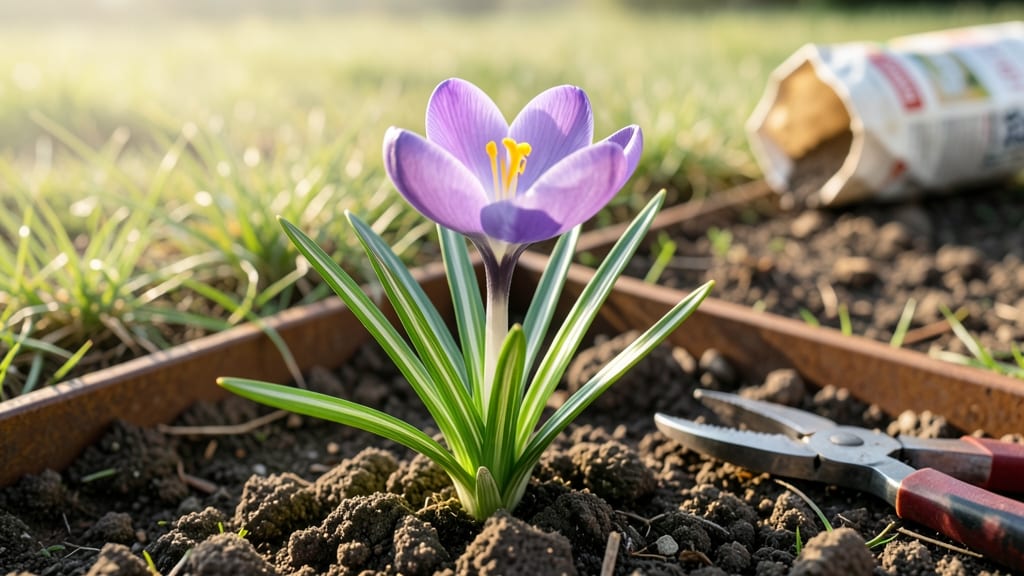
When early spring blooming plants push through frost, they announce that winter’s grip is loosening. 🌱 These cold-hardy stars—like crocuses, hellebores, and daffodils—thrive in USDA zones 3-9, turning bare beds into vibrant canvases before most perennials even wake up.
Their secret? Deep roots and tough outer layers that protect delicate blooms from late frosts, while their bright colors (purples, whites, yellows) lift spirits when gardeners need it most.
The best part? Most need zero summer care—just plant bulbs in fall, and they’ll return year after year. Pair purple crocuses with white hellebores for layered interest, or let daffodils’ golden spikes stand out against dark soil.
They handle snow, ice, and even light foot traffic, making them perfect for high-traffic areas or under trees where grass struggles.
By late March, you’ll see buds swelling despite chilly temps, with blooms lasting 3-6 weeks—longer if you deadhead spent flowers. These plants also attract early pollinators, giving bees and butterflies a critical food source when little else is available.
The trade-off? Some varieties (like hellebores) may need staking as they mature, but their low-maintenance nature makes them ideal for busy gardeners.
For best results, plant bulbs 6-8 weeks before frost in well-draining soil, and mulch lightly to insulate roots. In colder zones, choose varieties labeled “early blooming” or “frost-resistant”—they’ll reward you with color when most gardens are still dormant.
Pro tip: Add a handful of bone meal at planting to fuel next year’s blooms.
📚 In This Guide
- What you need
- Instructions
- Tips and common mistakes
- Wrapping up and next steps
What you need
- ● Early Spring Bulbs: 10–20 bulbs per variety (e.g., Crocus, Snowdrops, Daffodils, or Bleeding Heart). Choose USDA Zones 3–7 hardy varieties.
- ● Well-Draining Soil: 1–2 cubic yards of amended garden soil (mix loam with compost for optimal drainage).
- ● Garden Tools: 1 trowel (for planting)
- ● 1 hand fork (for loosening soil)
- ● 1 wheelbarrow (for transporting soil/bulbs)
- ● Mulch: 2–3 inches of shredded bark or straw to insulate roots.
- ● Watering Can or Hose: With a gentle spray nozzle for hydration.
- ● Frost Cloth: Lightweight fabric to protect tender blooms during late frosts.
- ● Slow-Release Fertilizer: 10-10-10 NPK ratio (1 lb per 100 sq ft).
- ● Decorative Rocks: For mulch aesthetics and weed suppression.
- ● Garden Journal: To track bloom times and plant performance.
How to select and plant early spring bloomers for stunning frost-defying displays
Here's how I transform my garden into a vibrant spring showcase using cold-hardy plants that thrive when most others refuse to bloom.
🌱 Step 1: Choose Plants That Thrive in Cold
Start with crocus, hellebore, and dwarf iris—these are my top picks because they push through snow and bloom reliably at 35-40°F. Crocus handles 20°F without flinching, while hellebore's leathery leaves protect delicate flowers from late frosts. Plant bulbs 6-8 weeks before first frost, which gives roots time to establish before winter.
I always check the USDA hardiness zone on seed packets—this ensures you won't waste money on plants that'll freeze in your climate. For example, Siberian squill thrives in zones 3-8, while snowdrops (galanthus) stretch from zones 3-9. You'll see these labels clearly marked on the packaging.
🪴 Step 2: Prepare Soil for Early Season Growth
Early spring bloomers need well-draining soil to prevent rot during winter thaw cycles. Amend your garden beds with 2-3 inches of compost mixed into the top 6 inches of soil. I like to add a handful of bone meal (about 1/2 cup per square foot) for phosphorus, which jumpstarts root growth in cold conditions.
Test your soil's moisture retention by squeezing a handful—it should hold together but not form a slick ball. Sandy soils need more organic matter, while clay soils benefit from perlite or coarse sand to improve drainage. You'll know it's right when water drains within 1-2 hours after watering.
☀️ Step 3: Plant at Correct Depths for Winter Survival
Most spring bulbs need 6-8 inches of soil cover to protect them from freeze-thaw cycles that can heave them out of the ground. Crocus and snowdrops go 3-4 inches deep, while hellebore roots appreciate 1-2 inches of mulch after planting to insulate them. I plant in clusters of 5-7 bulbs for dramatic displays.
Space bulbs 3-6 inches apart depending on variety—crowding leads to weak stems and smaller blooms. You'll see the spacing guidelines on the back of seed packets, but I always err on the wider side for better air circulation, which prevents fungal issues.
💧 Step 4: Water Strategically Through Winter
After planting, water deeply to settle the soil around roots, but avoid overwatering—soggy soil in winter causes rot. I give a slow, deep watering every 2-3 weeks during fall and early winter, checking that the top 2 inches of soil stay moist but not saturated. Snow provides natural moisture, so I only water if we have a dry spell.
In late winter (about 6-8 weeks before bloom time), resume regular watering when you see new shoots. You'll know it's time when soil feels cool but not frozen, and you spot green tips pushing through the mulch.
✂️ Step 5: Maintain for Next Year's Blooms
After flowering, let foliage die back naturally—it feeds the bulb for next year's blooms. I remove dead flowers (deadhead) but leave stems until they yellow completely. For hellebore, I cut back stems to 1 inch above ground after flowering to encourage bushier growth.
Add a 2-inch layer of mulch in late fall to protect roots and retain moisture. I use shredded bark or straw, avoiding thick layers that can suffocate plants. You'll see mulch break down over winter, enriching the soil naturally for next spring.
Tips & tricks for perfect early spring blooming displays
These cold-hardy plants are your secret weapon for beating winter's last stand—here's how to maximize their stunning potential.
The Freeze-Resistance Factor: When selecting varieties, prioritize plants that bloom at 35-40°F or lower—this ensures they'll push through late frosts while others remain dormant. Crocus, for example, thrives at 20°F, making it my go-to for early color. Look for seed packets that specify "early blooming" or "cold-hardy" varieties, as these have been bred specifically to defy frost.
Soil Science Secret: The 1-2 hour drainage test is non-negotiable for spring bulbs. I've learned the hard way that soggy soil during winter thaw cycles leads to rot—even the hardiest plants can't survive waterlogged conditions. For heavy clay soils, mix in 1 part perlite to 3 parts soil to create air pockets that prevent suffocation. This simple adjustment can mean the difference between thriving blooms and lost investments.
Planting Precision: Those 6-8 inches of soil cover aren't just arbitrary—they create an insulating blanket that protects roots from freeze-thaw cycles. For hellebore specifically, I add an extra 1-2 inches of mulch after planting to create a microclimate that maintains consistent temperatures. Pro tip: Use shredded leaves or straw for mulch—they break down slowly, feeding the soil while protecting roots.
Watering Wisdom: The 2-3 week watering interval during fall/winter might seem counterintuitive, but it's crucial. Too much moisture encourages rot, while too little stresses plants. I monitor soil moisture by pressing my finger 2 inches deep—if it feels dry, that's when I water. In late winter, watch for those green tips emerging as your cue to increase frequency, but never water when soil is frozen.
Pro Tips for Early Spring Blooming Plants
- These cold-hardy plants are your secret weapon for beating winter's last stand—here's how to maximize their stunning potential.
- The Freeze-Resistance Factor: When selecting varieties, prioritize plants that bloom at 35-40°F or lower—this ensures they'll push through late frosts while others remain dormant.
- Soil Science Secret: The 1-2 hour drainage test is non-negotiable for spring bulbs.
Frequently asked questions
Got questions about early spring bloomers? You’re not alone! Here are answers to the most common queries—whether you’re a first-time gardener or a seasoned pro looking to refine your approach.
What are the easiest early spring blooming plants for beginners?
Start with crocuses, daffodils, or bleeding hearts—they’re cold-hardy, low-maintenance, and thrive with minimal fuss. These perennials return year after year, making them perfect for beginners. Just plant bulbs in fall and enjoy their resilience!
Can early spring bloomers survive late frosts?
Most, like heather, hellebores, and snowdrops, are frost-tolerant, but tender flowers (e.g., tulips) may need protection. Use frost cloth or mulch to shield delicate blooms. Monitor forecasts—if frost is predicted, cover plants lightly before dusk.
When is the best time to plant early spring bulbs?
Plant fall-blooming bulbs (like crocuses and snowdrops) in late September or October, while spring-bloomers (daffodils, hyacinths) go in November. Soil should be cool but workable—aim for 6–8 weeks before the ground freezes for optimal root growth.
How do I extend the blooming season for early spring plants?
Deadhead spent blooms (remove faded flowers) to encourage reblooming. For perennials like bleeding hearts, fertilize lightly in early spring. Mulch around the base to retain moisture and regulate soil temperature—this can push blooms by 1–2 weeks!
Are early spring flowers prone to pests or diseases?
Most are pest-resistant, but slugs love tender shoots (use beer traps or diatomaceous earth). Fungal issues (like botrytis) can strike in damp springs—ensure good airflow and avoid overhead watering. Neem oil is a safe, natural remedy for early signs.
| Quick Fix | Problem |
|---|---|
| Mulch + frost cloth | Late frost damage |
| Deadhead regularly | Shortened blooming season |
| Neem oil spray | Fungal spots |
Wrapping up and next steps
Early spring blooming plants bring color and life to your garden even before the last frost fades—proving that beauty thrives under tough conditions! 🌸 Whether you’re a seasoned gardener or just starting, these cold-hardy stars offer low-maintenance joy and a head start on seasonal splendor.
Ready to transform your space? Start small—pick one or two plants from this list, plant them with care, and watch your yard bloom with confidence.
🌱 Your Next Step:
- Sketch a simple garden layout (or grab a free app like Gardenate to map plant zones).
- Visit a local nursery this weekend—ask for cold-hardy varieties suited to your climate.
- Share your progress! Tag us @YourGardenJourney for tips and inspiration.