
Blooming
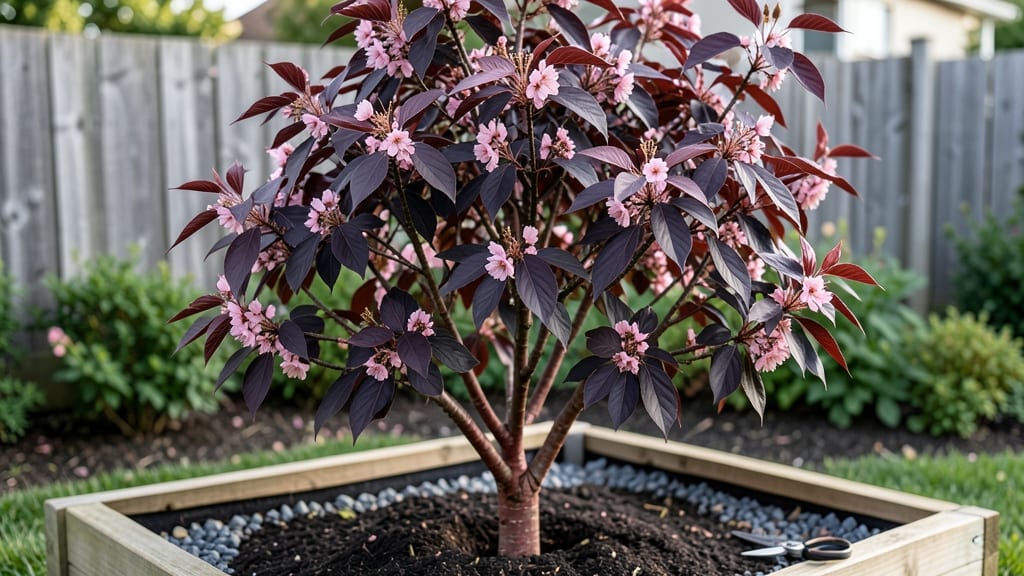
Pink blooming trees in spring turn your yard into a dreamy canvas of soft hues—imagine the delicate clouds of blossoms that outshine even the boldest spring colors. 🌸 I’ve planted and pruned my share of these frost-defying beauties, and the key to their reliable yearly show lies in choosing the right varieties for your climate and timing your care just right.
Dogwoods, cherry blossoms, and magnolias top the list for their stunning pink blooms, but each thrives in different zones. Dogwoods love partial shade and bloom early, while magnolias handle heat better and flower later, giving you a staggered show. The secret to their longevity?
Pruning after blooms fade—never before, or you’ll sacrifice next year’s flowers. You’ll end up with a landscape that feels like a living watercolor, where every spring brings back that same magical burst of color.
The right tree in the right spot means fewer pests, easier maintenance, and blooms that last weeks longer than store-bought cut flowers. Perfect for small yards, large estates, or even container plantings—these trees adapt beautifully.
Here’s how to pick, plant, and care for them so they keep surprising you every spring.
📚 In This Guide
- What you need
- Instructions
- Tips and common mistakes
- Wrapping up and next steps
What you need
- ● Pink blooming tree saplings: 1–3 (depending on desired coverage; choose dwarf varieties for small spaces or standard sizes for bold impact).
- ● Well-draining soil: 5–10 bags (or amend existing soil with 2–3 bags of compost and 1 bag of perlite for aeration).
- ● Organic mulch: 2–3 cubic feet (e.g., pine bark or wood chips to retain moisture and regulate temperature).
- ● Slow-release fertilizer: 1–2 bags (look for a balanced 10-10-10 or acid-loving plant formula like 8-3-9).
- ● Watering can or hose with nozzle: 1 (with a gentle spray setting to avoid damaging delicate blooms).
- ● Pruning shears: 1 pair (with bypass blades for clean cuts; sterilize with rubbing alcohol).
- ○ Gloves (optional but recommended): 1 pair (to protect hands from thorns or sap).
- ● Tree guards: 2–4 (to protect young trunks from voles or deer).
- ● Drip irrigation system: 1 (for automated watering during dry spells).
- ● Frost cloth: 1 roll (for late spring frosts—lightweight, breathable fabric).
- ● Bird feeders: 1–2 (to attract pollinators and deter pests like aphids).
- ● Soil pH test kit: 1 (to ensure slightly acidic soil (pH 5.5–6.5) for optimal blooms).
How to select and care for reliable pink-blooming spring trees
Here’s how to choose trees that deliver stunning pink blooms year after year—and how to keep them thriving through frost and heat.
🌱 Step 1: Choose Frost-Resistant Pink-Blooming Varieties
Start with proven performers like Japanese cherry (Prunus serrulata) or ornamental pear (Pyrus calleryana)—both handle 10-20°F without bud damage. Look for cultivars labeled "early bloomers" (they open before late frosts) or "late bloomers" (they avoid spring freezes). I always check the USDA hardiness zone range on the tag—your tree won’t survive if it’s rated for zones 5-9 when you’re in zone 4.
Plant near a south-facing wall or fence to capture reflected sunlight, which warms buds faster in cold snaps. Avoid low-lying spots where cold air pools overnight. The key is matching the tree’s bloom timing to your last frost date—most pink varieties bloom 2-3 weeks after white-flowering cherries, so they miss the worst freeze risks.
☀️ Step 2: Plant in Well-Draining Soil with Full Sun
Dig a hole twice as wide as the root ball but no deeper—planting too deep suffocates roots and causes stress. Amend heavy clay with 2-3 inches of compost mixed into the bottom of the hole, but don’t overdo it—too much organic matter can delay establishment. Pink-blooming trees like ornamental cherry and crabapple thrive in slightly acidic soil (pH 6.0-7.0).
Backfill with native soil, tapping gently to remove air pockets, then water deeply to settle everything. The root flare (where roots meet trunk) should sit 1-2 inches above ground level. Mulch with 3 inches of wood chips, keeping it 6 inches away from the trunk to prevent rot. This mimics natural forest conditions and protects roots from temperature swings.
💧 Step 3: Water Deeply and Protect New Growth
Water once a week for the first year, delivering 1-1.5 gallons per inch of trunk diameter. For a 2-inch trunk, that’s 2-3 gallons at each watering. Let the soil dry slightly between waterings—soggy roots invite fungal diseases like canker, which blackens bark and kills branches. You’ll know you’re watering right when the top 6 inches of soil feel dry to touch.
In late winter, wrap the trunk with burlap or tree guard to shield it from late frosts. If a 20°F freeze is forecast, drape a sheet over the tree to trap heat. Most pink-blooming trees lose buds to frost, but the tree itself stays alive to bloom again next spring. Prune dead branches in early spring once new growth appears—never prune in fall, as it encourages weak growth that won’t survive winter.
✂️ Step 4: Prune for Airflow and Future Blooms
Prune 2-3 weeks after flowering to avoid cutting off next year’s buds. Remove 10-20% of the smallest branches to open the canopy and improve airflow—this prevents fungal diseases that turn pink petals into slimy black mush. Use clean, sharp pruners to make cuts just outside the branch collar (the swollen area where the branch meets the trunk).
Thin out crossing branches first, then remove any dead or diseased wood. Never "top" the tree (cut the top flat)—this triggers weak, storm-prone growth. After pruning, apply a 1-inch layer of mulch to retain moisture and suppress weeds. The goal is to keep the tree’s energy focused on producing next year’s pink flower buds, not repairing pruning wounds.
🌿 Step 5: Fertilize Lightly for Long-Term Health
Skip fertilizer the first year—your tree is establishing roots and doesn’t need extra nutrients. In year two, apply a slow-release, balanced fertilizer (10-10-10) in early spring, following package rates. Over-fertilizing causes weak, floppy growth that snaps in storms. Instead, focus on organic matter: spread 2-3 inches of compost around the drip line (the edge of the tree’s canopy) every fall.
Watch for signs of stress: yellowing leaves mean too much nitrogen, while small leaves signal phosphorus deficiency. Most pink-blooming trees need no extra care beyond proper watering and mulching—they reward patience with decades of reliable blooms. The secret is consistency: stick to the same watering schedule, pruning routine, and soil care, and your tree will keep delivering that magical spring pink year after year.
Tips & tricks for perfect spring pink blooms
Real talk: These little details make the difference between a tree that gives you pink blooms for years and one that fizzles out after a few seasons.
Variety Matters: When you're choosing between early bloomers and late bloomers, think about your local frost patterns. Early bloomers like 'Kanzan' cherry open their buds before late frosts typically hit, while late bloomers like 'Royal Purple' crabapple wait until after the danger has passed. I always check my local frost-free date—most pink varieties bloom 2-3 weeks after white-flowering cherries, so they naturally avoid the worst freeze risks. The key is matching your tree's bloom timing to your specific climate zone.
Planting Depth is Critical: That root flare (where the roots meet the trunk) should sit 1-2 inches above ground level—not buried, not exposed. I've seen people plant too deep, which suffocates the roots, and too shallow, which makes the tree unstable. Use a level to check as you backfill with soil. Also, remember that hole should be twice as wide as the root ball, not wider. This gives roots room to spread without competing with surrounding soil.
Watering Wisdom: The once a week rule only applies to the first year, but how you water matters just as much. For a 2-inch trunk, that means 2-3 gallons per watering. Use a rain gauge or tuna can to measure—your eyeball isn't accurate enough. The top 6 inches of soil should feel dry to touch before you water again. Overwatering is just as bad as underwatering—it causes root rot and fungal diseases that can turn your beautiful pink blooms into a sad, blackened mess.
Pruning Protection: When you're pruning 2-3 weeks after flowering, focus on removing those small, crossing branches first. These create friction points where fungal diseases love to take hold. Always cut just outside the branch collar—the swollen area where the branch meets the trunk. This helps the tree heal properly and keeps its energy focused on next year's pink flower buds instead of repairing wounds. I keep my pruners in rubbing alcohol between cuts to prevent spreading disease.
Pro Tips for Pink Blooming Trees In Spring
- Real talk: These little details make the difference between a tree that gives you pink blooms for years and one that fizzles out after a few seasons.
- Variety Matters: When you're choosing between early bloomers and late bloomers, think about your local frost patterns.
- Planting Depth is Critical: That root flare (where the roots meet the trunk) should sit 1-2 inches above ground level—not buried, not exposed.
Frequently asked questions
Got questions about those dreamy pink blooms? You’re not alone!
Here are the most common queries—and answers—to help you embrace (or even grow) your own springtime magic.
When do pink blooming trees typically flower in spring?
Timing varies by species and climate, but most pink-blooming trees like Prunus serrulata (cherry) or Cercis canadensis (eastern redbud) burst into color between late March and early May. Warmer regions may see blooms as early as February, while colder areas could delay until May. Check your local frost dates—some trees need chilly nights to trigger flowering!
Can pink blooming trees survive late spring frosts?
Many frost-resistant varieties (like Prunus ‘Kanzan’ or Cercis ‘Forest Pansy’) can handle light frosts, but buds are most vulnerable. If frost threatens, cover young trees with frost cloth or use string lights to create warmth. Avoid pruning until after blooms fade—new growth is delicate! For extra protection, plant near a south-facing wall to absorb daytime heat.
What are some low-maintenance pink blooming trees?
If you want stunning color with minimal effort, try these hardy, low-fuss options:
- Cercis canadensis (Eastern Redbud): Thrives in partial shade; drought-tolerant once established.
- Prunus ‘Okame’: Compact, disease-resistant, and blooms earlier than many cherries.
- Magnolia ‘Pinkie’: Glossy leaves + fragrant pink blooms; loves humidity but adapts well.
All three require well-draining soil and moderate watering—no high-maintenance drama here!
How can I extend the blooming season for my pink tree?
While you can’t control Mother Nature, these pro tips can help:
- Choose repeat-blooming varieties: Look for Prunus ‘Shirofugen’ or Cercis ‘Lavender Twist’, which may rebloom in summer with care.
- Deadhead spent blooms (gently!) to encourage new growth—but only after the risk of frost passes.
- Fertilize in early spring with balanced, slow-release fertilizer (10-10-10) to boost vigor.
- Avoid heavy pruning—it removes next year’s flower buds, which form in late summer!
For extra drama, plant near white or purple bloomers (like lilacs or wisteria) to create a stunning color gradient.
Why aren’t my pink blooming tree’s flowers opening this year?
Don’t panic! Common culprits include:
- Late frost damage: Check for brown, mushy buds—these won’t recover.
- Over-fertilizing with nitrogen: Too much green growth = fewer blooms. Switch to a low-nitrogen, high-phosphorus fertilizer next season.
- Poor pollination: Some trees (like redbuds) need bees! Plant companion flowers (e.g., dwarf daffodils) to attract pollinators.
- Stress from transplant shock: Newly planted trees may delay blooming for 1–2 years. Keep soil moist but not soggy.
If the issue persists, test your soil’s pH (aim for 6.0–7.0) and adjust with lime or sulfur as needed.
Wrapping up and next steps
There’s something truly magical about pink blooming trees in spring—their resilience against frost, their vibrant beauty, and their promise of renewal year after year. Whether you’re dreaming of planting your own or simply admiring them from afar, these trees remind us that nature’s splendor is always within reach. 🌸
Ready to bring a touch of this white magic to your garden? Start by researching the best varieties for your climate, then take the first step—visit a local nursery or consult an arborist. Your future spring blooms will thank you!