
Blooming
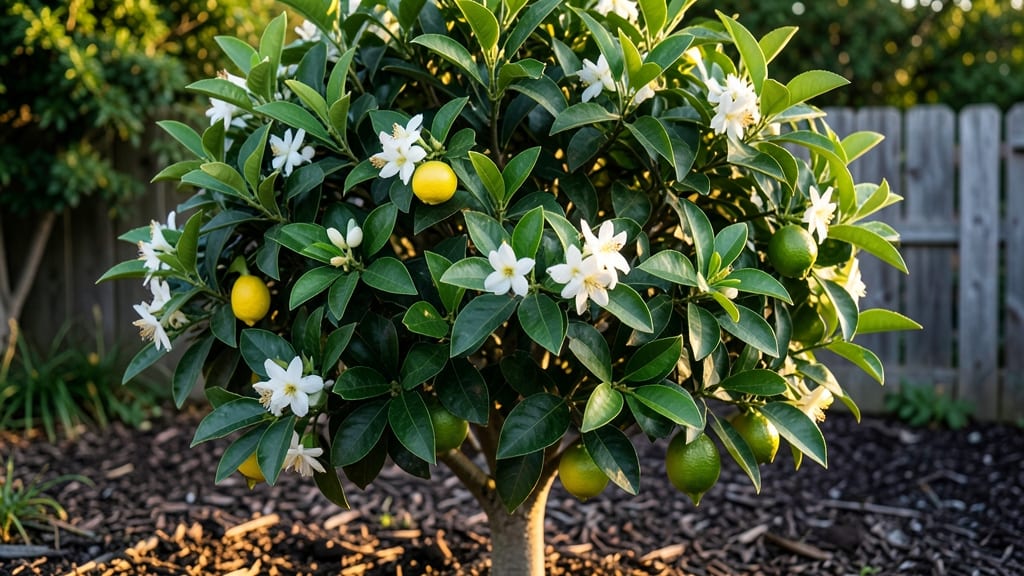
Your Meyer lemon tree’s fragrant white blooms arrive like clockwork—if you give it the right conditions. 🌸 I’ve watched mine transform from bare branches into a snowfall of delicate flowers, and the secret isn’t complicated: it’s all about timing, light, and a little strategic care.
These trees bloom best in late winter to early spring, when days start lengthening but nights stay cool—a signal they’ve survived the dormant season and are ready to reward you with flowers (and eventually, those sweet lemons).
The magic happens when you mimic nature’s cues. Prune in late winter to open the canopy to sunlight, water deeply but let the soil dry slightly between drinks, and keep it in full sun (at least 6-8 hours daily). Too much water or shade?
Fewer blooms. Too little? The tree conserves energy instead of flowering. I learned this the hard way after my first tree produced only three blooms—turns out, it needed a south-facing spot and a drought break in summer to build reserves.
What you’ll end up with is a scented canopy that fills your yard with citrus perfume, followed by a harvest of juicy, low-acid lemons—if you let some flowers develop into fruit.
The blooms return year after year once the tree matures (usually 3-5 years old), but the first flush is the sweetest. Imagine waking to that intoxicating fragrance, knowing your efforts paid off with hundreds of blossoms and a tree that’s happier than ever.
Works in USDA Zones 9-11 (with winter protection in cooler areas), but even container growers in colder climates can coax blooms with the right care. Here’s how to keep your tree flowering like a pro—no green thumb required.
📚 In This Guide
- What you need
- Instructions
- Tips and common mistakes
- Wrapping up and next steps
What you need
- ● Meyer lemon tree: 1 healthy sapling (3–5 years old) or a well-established tree (ensure it’s disease-free and has a sturdy root system).
- ● Well-draining potting mix: 5–10 gallons (for containers) or enriched garden soil (for in-ground planting). Mix in compost or citrus-specific soil for optimal growth.
- ● Pot or planting area: For containers: 15–25 gallon pot (minimum) with drainage holes. Larger pots = happier roots!
- ● For in-ground: Full-sun spot (6+ hours daily) with loose, fertile soil (pH 6.0–7.0).
- ● Fertilizer: Balanced citrus fertilizer (e.g., 6-6-6 NPK ratio) or organic options like fish emulsion. Apply every 4–6 weeks during blooming/ fruiting seasons.
- ● Watering can or hose with nozzle: 1–2 gallons capacity (for deep watering). Avoid soggy soil—Meyer lemons hate "wet feet."
- ● Pruning shears: Sharp, sterilized shears (for shaping and deadheading spent blooms).
- ● Mulch: 2–3 inches of organic mulch (e.g., straw or wood chips) to retain moisture and regulate temperature.
- ● Slow-release fertilizer tablets: 1–2 tablets per pot (for low-maintenance nutrition).
- ● Citrus-specific fungicide: (e.g., copper-based) to prevent diseases like root rot.
- ● Grow lights: LED full-spectrum lights (for indoor trees or winter supplementation).
- ● Pollination aid: Small brush or bee-friendly garden (Meyer lemons are self-pollinating but thrive with a little help!).
- ● Decorative stakes or trellis: For shaping or supporting heavy fruit branches.
How to encourage year-round Meyer lemon tree blooms
Here's how I coax those fragrant white blooms back every season—no matter your climate.
☀️ Step 1: Master Light Exposure for Consistent Flowering
Meyer lemons need 8-12 hours of direct sunlight daily to trigger blooming. Place your tree within 3-6 feet of a south-facing window or use a 10,000-lux grow light for 12 hours/day if indoors. I position mine no more than 18 inches from the light source—closer than that and leaves scorch, farther and stems stretch weakly.
Watch for these signs: Bright green leaves mean sufficient light, while pale yellowing indicates insufficient exposure. Rotate the pot quarter-turn weekly to prevent lopsided growth toward the light. In winter, supplement with LED grow lights—they mimic natural photoperiods better than fluorescent bulbs.
💧 Step 2: Water Strategically to Stress and Stimulate
Blooming requires controlled stress, and watering patterns create this. Water deeply only when the top 2-3 inches of soil feel completely dry—never on a schedule. I stick my finger in the soil: if it comes out clean, it's time to water. Overwatering prevents blooming by keeping the tree in constant growth mode.
During summer, reduce watering to every 7-10 days—this mimics natural drought periods that trigger flower buds. In winter, let the top 3-4 inches dry out between waterings. Yellowing leaves at the bottom are normal in winter but new yellow leaves mean overwatering.
✂️ Step 3: Prune for Airflow and Light Penetration
Prune right after harvest (spring) to shape the tree and encourage new growth. Remove dead, crossing, or inward-growing branches first—these compete for energy. Then cut back overly leggy stems by ⅓ to promote bushier growth. Use clean, sharp pruners to avoid tearing bark, which invites disease.
Focus pruning on the outer canopy to let light reach the center where buds form. I never prune more than 25% of the tree at once—this prevents shock. After pruning, fertilize with low-nitrogen citrus food to support recovery and blooming.
🌱 Step 4: Feed for Floral Development
Use a balanced citrus fertilizer (6-6-6 or 8-3-9 ratio) every 4-6 weeks during active growth. I switch to a low-nitrogen, high-phosphorus formula (like 5-10-10) 2 months before expected bloom time—phosphorus promotes flowering. Apply fertilizer only to moist soil to prevent root burn.
Organic options like fish emulsion or compost tea work too, but avoid fresh manure—it burns roots. I also top-dress with 1 inch of compost annually in early spring. Watch for dark green, glossy leaves—this means healthy growth, while purple-tinged leaves signal phosphorus deficiency.
🌿 Step 5: Maintain Ideal Temperature for Blooming
Meyer lemons bloom best in 60-80°F temperatures. If your home drops below 55°F at night, move the tree near a heat source (like a sunny window with a space heater 3 feet away). Avoid drafts—cold air on one side causes uneven growth and stunted blooms.
In summer, if temperatures exceed 90°F, provide afternoon shade to prevent leaf scorch. I use lightweight shade cloth (30-50%) during peak heat. Watch for drooping leaves—this means the tree needs water or cooler conditions. A fan on low also helps circulate air, which prevents fungal issues that can kill buds.
Tips & tricks for perfect Meyer lemon tree blooms
Here's what nobody tells you about getting those fragrant white blooms to return reliably—no matter what season it is.
Light Positioning: The 8-12 hours of sunlight requirement is non-negotiable, but placement matters just as much. Place your tree's thickest branches toward the light source—these areas need the most energy to produce flower buds. If you notice new growth only on one side, rotate the pot quarter-turn weekly to distribute light evenly. I've seen trees develop permanent "light shadows" when left in one position too long, which stunts blooming on shaded sides.
Stress Induction: That "controlled stress" from watering isn't just theory—it's how nature triggers blooming. The key is consistency: let the top 2-3 inches dry completely between waterings in summer, but don't let it get bone-dry. Think of it like a drought cycle—just enough to signal "it's time to reproduce!" I've ruined blooms by either overwatering (constant growth mode) or underwatering (stress too severe). Test with your finger: if it comes out clean, water thoroughly until it drains from the bottom.
Pruning Precision: When you prune those leggy stems by ⅓, focus on the outer third of the canopy first. This opens up the center where flower buds form. I always make cuts just above a leaf node (the bump where leaves attach) at a 45-degree angle—this prevents water from pooling and causing rot. Avoid pruning in fall or winter when the tree is dormant; spring is the perfect time to shape it for summer blooms.
Fertilizer Timing: The switch to low-nitrogen, high-phosphorus fertilizer 2 months before bloom time is critical. Phosphorus is what tells the tree "it's time to flower," but timing matters too. If you apply it too early, the tree will just grow leaves. Too late, and you might miss the bloom window entirely. I mark my calendar 8 weeks before expected blooms and stick to that schedule religiously. For organic growers, compost tea works but needs to be applied every 2 weeks during this pre-bloom period for comparable results.
Pro Tips for Meyer Lemon Tree Blooms
- Here's what nobody tells you about getting those fragrant white blooms to return reliably—no matter what season it is.
- Light Positioning: The 8-12 hours of sunlight requirement is non-negotiable, but placement matters just as much.
- Stress Induction: That "controlled stress" from watering isn't just theory—it's how nature triggers blooming.
Frequently asked questions
Got questions about your Meyer lemon tree’s blooms? You’re not alone! Here are some of the most common queries—plus quick answers to help you nurture that fragrant white canopy like a pro.
When should I expect my Meyer lemon tree to bloom?
A healthy Meyer lemon tree typically blooms in late winter to early spring (February–April in most climates), but it can also produce sporadic blooms in fall. Young trees may take 2–3 years to flower, while mature trees (5+ years) can bloom year-round in ideal conditions. Patience pays off—those first white blossoms are magical!
Why isn’t my Meyer lemon tree blooming?
No blooms? Check these common culprits:
- Insufficient sunlight: Meyer lemons need 6+ hours of direct sun daily.
- Over-fertilizing: Too much nitrogen = leafy growth, no flowers. Use a balanced citrus fertilizer (e.g., 6-6-6) in early spring.
- Stress: Sudden temperature drops, drought, or repotting shock can halt blooming.
- Age: Trees under 2 years old may not bloom yet.
Can I force my Meyer lemon tree to bloom earlier?
While you can’t force blooms, you can create ideal conditions to encourage them:
- Move potted trees to a sunny, sheltered spot (like a patio or greenhouse).
- Reduce water slightly in late fall/winter to mimic dormancy.
- Use a phosphorus-rich fertilizer (like 10-20-10) to promote flowering.
What should I do if my Meyer lemon blooms but no fruit forms?
Blooms without fruit? It’s often due to:
- Pollination issues: Meyer lemons are self-pollinating, but bees help. If indoors, gently shake branches during bloom to aid pollination.
- Temperature swings: Frost or heat waves (above 90°F) can drop flowers/fruit.
- Overcrowded branches: Thin out dense foliage to improve airflow and fruit set.
Can I grow a Meyer lemon tree indoors and still get blooms?
Yes! With the right setup, indoor Meyer lemons can bloom (though it’s less reliable than outdoors). Key tips:
- Place near a south-facing window or use grow lights (12–14 hrs/day).
- Use a well-draining pot (terracotta works great) and citrus potting mix.
- Mimic seasons: Reduce water/warmth in winter to signal dormancy.
Wrapping up and next steps
Watching your Meyer lemon tree burst into a fragrant white canopy of blooms is a rewarding experience—one that brings beauty, citrusy hope, and even future harvests! 🌸 With the right care, patience, and a little know-how, you can enjoy this stunning spectacle year after year.
Now that you’re armed with the essentials, why not take the next step? Plant those seeds, nurture your sapling, or prune your mature tree—your citrus paradise awaits!
💡 Pro Tip: Keep a bloom journal to track when your tree flowers—soon, you’ll predict its magical cycles like a pro!