
Blooming
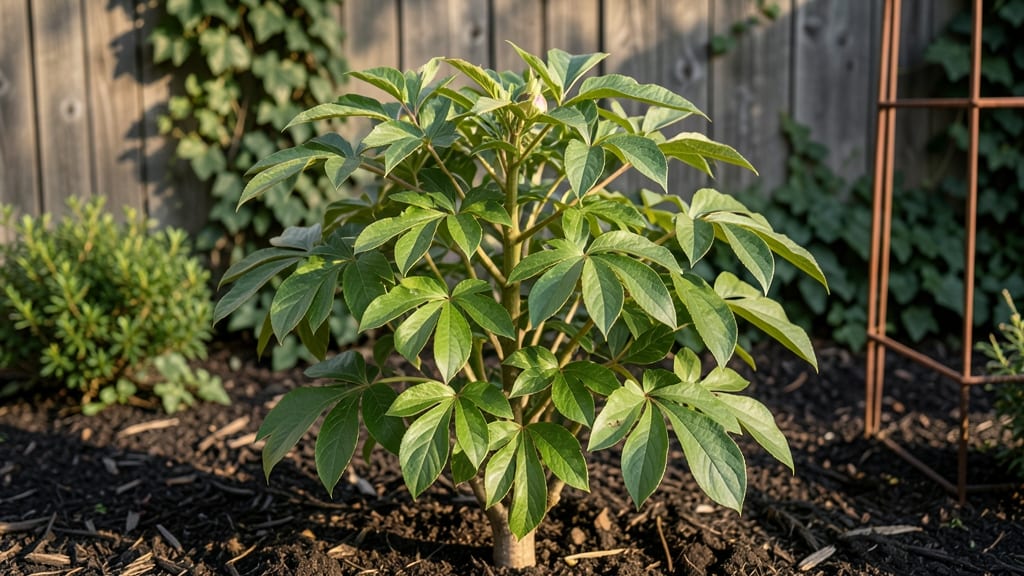
After peonies bloom, leaving that lush green foliage standing is the secret to next year’s showstopper flowers. 🌿 I’ve learned the hard way that cutting stems too early weakens the roots—so I now prune only when the leaves turn yellow, about 6-8 weeks after blooming.
This timing lets the plant store energy for winter and spring growth.
The real trick is preventing fungal diseases like botrytis, which thrives in damp foliage. I deadhead spent blooms immediately but leave the stems intact until late summer, when I trim everything back to 2 inches above ground. This reduces moisture retention and keeps the crown healthy through winter.
By next spring, you’ll see stronger stems and more abundant blooms—because the plant has had time to rebuild its energy reserves. The foliage stays green longer, and the roots stay vigorous, setting the stage for a repeat performance.
It’s a simple shift that transforms peonies from one-season wonders into reliable garden stars.
Works for all peony varieties, from classic herbaceous types to tree peonies. The key is patience—don’t rush the process, and you’ll reward yourself with years of effortless beauty. Let’s get those stems prepped for next season’s show.
📚 In This Guide
- What you need
- Instructions
- Tips and common mistakes
- Wrapping up and next steps
What you need
- ○ Pruning shears: Bypass pruners (sharp, clean, and sterilized with rubbing alcohol to prevent disease). Optional: Loppers for thicker stems.
- ● Gloves: Heavy-duty gardening gloves (peony stems can be thorny—protect those hands!).
- ● Disinfectant: 1 part bleach to 9 parts water (for sterilizing tools between cuts).
- ● Compost or mulch: 2–3 inches of organic matter (e.g., shredded leaves, aged compost) to enrich soil after pruning.
- ○ Pruning sealant (optional): Pruning wax (for large cuts to prevent sap loss).
- ○ Garden twine or stakes (optional): For supporting heavy foliage post-pruning.
- ● Wait until late spring or early summer (after peonies have bloomed and foliage has turned yellow but before it dies back completely).
- ● Choose a dry, sunny day to minimize stress on the plant.
- ● Have a clear plan: Decide whether you’re pruning for health, aesthetics, or winter prep.
Instructions for pruning peonies to keep foliage lush all season
Here's the simple pruning routine I use to keep my peonies thriving for years—no stress, just healthy growth.
✂️ Step 1: Wait Until Foliage Turns Brown
Peonies need their leaves to photosynthesize until late fall, so I never cut back until the foliage turns completely brown—usually in October or November in most climates. This timing varies by zone, but the key is waiting until the leaves are crispy and dry to the touch.
If you cut too early, you'll weaken next year's blooms. I test by gently tugging a leaf—when it pulls away easily, it's time. Don't worry about leaving some brown stems; they'll break down naturally over winter.
✂️ Step 2: Cut Back to 2 Inches Above Ground Level
Once the foliage is fully brown, use clean, sharp pruners to cut back the stems to about 2 inches above the soil line. This height prevents rot while protecting the dormant buds just below the surface. I always sterilize my pruners with rubbing alcohol between cuts to avoid spreading disease.
Never cut into the woody base—you'll see where the thick, swollen crown begins. That's your stopping point. The shorter cut actually helps prevent fungal issues in wet springs. I mark my pruners with tape at the 2-inch level to avoid guessing.
🌱 Step 3: Remove All Debris and Apply Mulch
After pruning, gather all the cut foliage and remove it from the bed completely. Leaving old stems invites pests and diseases. I spread a 2-3 inch layer of organic mulch (like shredded bark) around each plant, keeping it 2 inches away from the crown to prevent moisture buildup.
This mulch layer insulates the roots through winter and suppresses weeds. I always water thoroughly after mulching to help settle the material. The mulch will break down over time, adding nutrients back to the soil for next year's growth.
☀️ Step 4: Monitor for New Growth in Spring
In early spring, when you see fresh green shoots emerging, that's your signal that winter dormancy is over. I never prune again until after the first flush of leaves appears—usually around March or April. This timing ensures the plant has energy stored for blooming.
If you accidentally cut back too soon, don't panic. Peonies are tough—they'll still bloom, though possibly a bit later. The key is patience. I make a note of when each variety emerges so I can adjust my schedule for next year.
Tips & tricks for perfect peony pruning
Here's what nobody tells you—those little details make all the difference for peonies that thrive year after year.
Timing is Everything: The crispy, dry leaf test is your best friend. I've learned the hard way that cutting too early—even by a few weeks—can weaken next year's blooms. If you're in a warmer zone where leaves stay green longer, wait until they're completely brown and brittle before pruning. This ensures the plant has finished storing energy for next season.
Precision Over Guessing: That 2-inch cut height isn't arbitrary—it's the sweet spot that protects the crown while preventing rot. I mark my pruners with tape at exactly 2 inches so I never accidentally cut too low. If you're unsure where the crown begins, look for the thick, swollen base where the stems meet the soil—that's your stopping point every time.
Cleanliness Prevents Problems: Sterilizing your pruners between cuts is non-negotiable. I keep rubbing alcohol handy and wipe down blades after each plant. This simple step prevents spreading fungal diseases that can devastate your peony bed. Also, never leave cut foliage on the ground—it's a magnet for pests and diseases that can overwinter in the debris.
Mulch Like a Pro: That 2-3 inch layer of organic mulch isn't just for looks—it's insulation for your peony's roots. I always keep it 2 inches away from the crown to prevent moisture buildup that can cause rot. The mulch breaks down over time, adding nutrients back to the soil, which means less work for you in spring when you're ready to fertilize.
Pro Tips for Peony Foliage After Bloom
- Here's what nobody tells you—those little details make all the difference for peonies that thrive year after year.
- Timing is Everything: The crispy, dry leaf test is your best friend.
- Precision Over Guessing: That 2-inch cut height isn't arbitrary—it's the sweet spot that protects the crown while preventing rot.
Frequently asked questions
Got questions about keeping your peony foliage thriving after those stunning blooms fade? You’re not alone! Here are answers to the most common concerns—plus a few pro tips to keep your garden looking lush all season.
When is the best time to prune peony foliage after blooming?
Wait until late fall or early winter (after the first hard frost) to prune peony foliage. Cutting back too early can remove stored energy needed for next year’s blooms. Aim for 2–3 inches above the ground—never prune into the "crown" (the swollen base of the plant).
What if I see dead or brown foliage after blooming—should I cut it now?
Leave browned or diseased foliage until late fall to protect the plant. If you must clean up early, sterilize your shears with rubbing alcohol to prevent spreading fungal issues. Remove only the most unsightly stems—healthy green leaves help photosynthesize until winter.
Can I cut peony foliage back to the ground right after blooming?
Nope! Pruning too soon weakens the plant by removing its energy source. Peonies store nutrients in their roots and stems for next year’s growth. Wait until after the first frost (or late fall) to avoid stunting future blooms. Patience pays off with bigger, healthier flowers!
What can I do if my peony foliage looks yellow or wilted after blooming?
Yellowing leaves often signal overwatering, poor drainage, or fungal issues. Check soil moisture—peonies hate soggy roots! If fungal spots appear, remove affected leaves, improve airflow, and apply a copper fungicide if needed. Mulch with compost to retain moisture without suffocating roots.
Are there alternatives to pruning for keeping peony foliage tidy?
Yes! Instead of cutting, tuck spent blooms into the foliage to hide them naturally. Use ornamental grasses or companions (like catmint or lavender) to camouflage leggy stems. For a cleaner look, tie foliage into a loose bundle with twine—it’s a stylish workaround until fall pruning!
Wrapping up and next steps
Peony foliage after bloom doesn’t have to be a mystery—with the right pruning techniques, you can keep your plants thriving and stunning all year long! 🌿 Whether you’re trimming for health, aesthetics, or next season’s blooms, remember that patience and precision are key.
Your garden will thank you with bold, lush growth and even more spectacular flowers tomorrow.
Ready to elevate your peony care? Grab your shears and start pruning today! For extra confidence, bookmark this guide or share it with fellow gardening enthusiasts—because great gardens grow from shared knowledge. Happy pruning! ✂️🌸