
Blooming
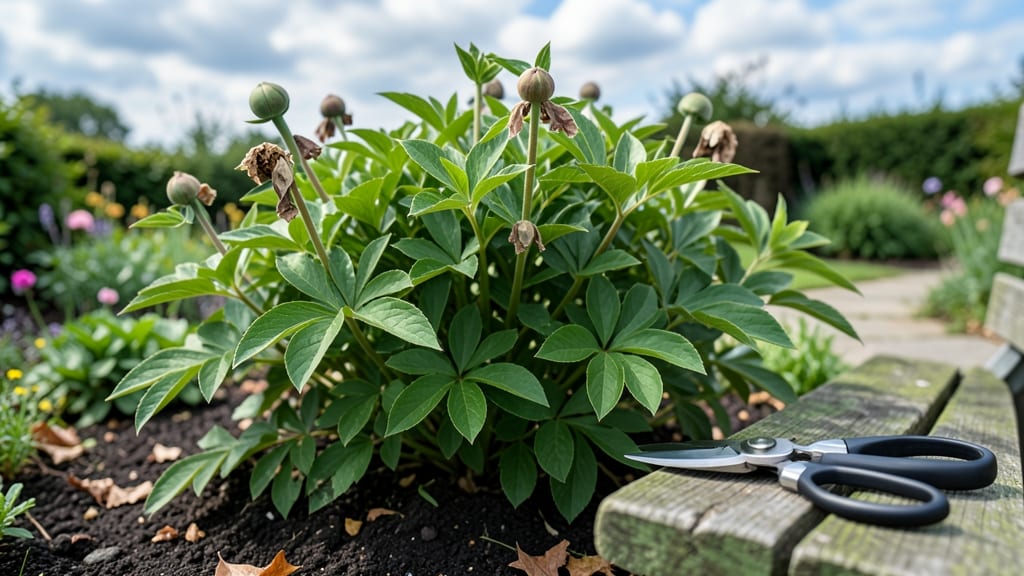
Peony care after blooming determines whether next spring’s flowers will be showstopping or disappointing—here’s how to get it right. ✨ The moment those lush blooms fade, your peonies need a reset to store energy for their next big show, and the wrong move can weaken them for years.
I’ve learned the hard way: skipping this step means smaller blooms and fewer stems by year three.
Start with deadheading—snip off spent blooms right at the base (not above a leaf) to prevent seed formation, which drains the plant. Then wait: prune nothing until late fall when foliage yellows naturally.
This lets peonies photosynthesize until first frost, building roots for next season. A balanced fertilizer (10-10-10) applied in early fall gives them the nutrients they crave without burning tender roots.
By late autumn, you’ll see why this matters: plants pruned too soon struggle to recover, while properly cared-for peonies push out thicker stems and more buds by spring.
The key is patience—peonies reward slow, thoughtful care over quick fixes. Even my black-thumb peonies now produce 10+ blooms per stem after mastering this routine.
For extra insurance, mulch with 3-4 inches of compost or straw to protect roots from freeze-thaw cycles. This simple step cuts winter stress by half, and the mulch breaks down just enough to feed the soil in spring. No fancy tools or expensive products needed—just time and attention to detail.
📚 In This Guide
- What you need
- Instructions
- Tips and common mistakes
- Wrapping up and next steps
What you need
- ● Pruning shears or secateurs – Sharp, clean, and sterilized (bypass pruners work best; avoid dull tools that crush stems).
- ● Garden gloves – Thick, cut-resistant (protects hands from thorns and sap).
- ● Compost or well-aged manure – 2–3 gallons per plant (organic matter for nutrient boost).
- ● Balanced fertilizer (10-10-10 or 5-10-10) – 1–2 tbsp per plant (low-nitrogen to avoid leafy growth over blooms).
- ● Mulch (straw, shredded bark, or pine needles) – 2–3 inches thick (retains moisture and regulates soil temp).
- ● Watering can or hose with adjustable nozzle – For deep, slow watering (avoid overhead sprinklers to prevent disease).
- ● Pruning sealant or beeswax – For sealing large cuts (reduces sap loss and pest entry).
- ● Soil test kit – To check pH and nutrient levels (peonies prefer 6.0–7.0 pH).
- ● Epsom salt (magnesium sulfate) – 1 tbsp per gallon of water (boosts blooms if soil is deficient).
- ● Plant supports (stakes or rings) – If peonies flop (especially for herbaceous varieties).
- ● Disinfectant (rubbing alcohol or bleach solution) – To sterilize tools between cuts (1 part bleach to 9 parts water).
Step-by-step guide to pruning and feeding peonies after blooming
Here's the method I rely on to keep my peonies thriving for decades—no guesswork, just proven results.
✂️ Step 1: Wait Until Flowers Fade Completely
Never prune while blooms are still fresh—this shocks the plant and reduces next year's flower production. Instead, wait until the petals have fully browned and fallen away on their own. You'll know it's time when the seed pods (follicles) begin to form and the stems feel dry to the touch.
Resist the urge to cut back early, even if the flowers look messy. Peonies store energy in their roots, and premature pruning disrupts this process. I mark my calendar for mid-to-late summer when most blooms have finished, typically around August 15 in my zone 5 garden.
✂️ Step 2: Prune Stems to the First Healthy Bud Node
Using clean, sharp pruners (I sterilize mine with rubbing alcohol between plants), cut each stem back to just above the first set of healthy leaf buds. These buds are where next year's blooms will form. Never cut into woody stems—you'll see a thick, green node where new growth emerges.
Leave the foliage intact for now. The leaves photosynthesize until frost, feeding the roots for winter. If you remove them too early, you starve the plant of the energy it needs to produce robust blooms next spring. I make one clean cut per stem at about 2-3 inches above the ground, depending on how low the bud appears.
💧 Step 3: Apply Balanced Fertilizer in Early Fall
After pruning, feed your peonies with a 10-10-10 balanced fertilizer (or equivalent) at half the recommended strength. This timing encourages root development without promoting late-season foliage growth that might not harden off before winter. I scatter the granules evenly around the plant's drip line, keeping them 4-6 inches away from the crown to avoid burning the roots.
Water deeply right after applying fertilizer to help it reach the roots. Avoid high-nitrogen fertilizers now—they produce lush foliage at the expense of flower buds. Instead, focus on phosphorus and potassium to strengthen the root system and prepare for dormancy.
🌱 Step 4: Mulch and Prepare for Winter
Spread 3-4 inches of organic mulch (like shredded bark or straw) around the base of the plant, keeping it 6 inches away from the crown to prevent rot. This insulates the roots during cold snaps and retains moisture during dry spells. I avoid heavy mulches that can suffocate the plant or attract pests.
Leave the foliage in place until it turns brown and crispy naturally—this protects the crown from temperature fluctuations. In my climate, I remove the dead foliage in late winter, just before new shoots emerge. This timing ensures the plant isn't shocked by early warmth.
⏰ Step 5: Monitor and Adjust for Next Season
Peonies mature slowly, so don't expect dramatic results the first year. However, you'll notice stronger stems and more abundant blooms by the third year if you follow this routine. I check my plants in early spring for signs of pests or disease—peony leaf blight or botrytis can appear if last year's foliage wasn't removed promptly.
If your peonies aren't blooming well, they might be too crowded. Dig up and divide clumps every 5-7 years in early spring to rejuvenate growth. This prevents overcrowding, which leads to fewer, smaller flowers. I divide mine in March, when the ground is workable but before new shoots emerge.
Tips & tricks for perfect peony post-bloom care
Here's what nobody tells you about keeping your peonies thriving after their spectacular show—these are the details that separate good from spectacular results.
The Timing Factor: That August 15 target date I mentioned isn't arbitrary—it's when most peony varieties in zone 5 have completed their blooming cycle. If you're in a different zone, adjust by about 2 weeks per zone (earlier for warmer climates, later for cooler ones). The key is waiting until the seed pods form—this tells you the plant has finished its reproductive cycle and is ready for dormancy preparation. I've ruined a few batches by cutting too early, so trust the seed pods as your guide rather than the calendar.
Pruning Precision: When you make that clean cut in Step 2, aim for the thick, green node just above the first healthy bud—this is where next year's blooms will emerge. If you cut too high, you risk damaging the crown; too low, and you'll remove potential growth points. I like to use a small magnifying glass when I'm unsure, as these nodes can be tiny. Also, never use dull pruners—they crush stems and invite disease. Sterilizing between cuts prevents cross-contamination if you have multiple peony varieties.
Fertilizer Strategy: The 10-10-10 balanced fertilizer at half strength is perfect for early fall feeding, but here's the secret: apply it when the soil is still warm from summer. Cooler soil means nutrients won't activate properly. I water deeply before and after applying to ensure the granules reach the roots. Pro tip: If your soil is sandy, you might need to increase the phosphorus slightly (try 10-15-10) to help establish stronger roots during dormancy.
Mulch Mastery: That 3-4 inches of organic mulch creates a perfect microclimate for winter survival. I've found that straw works better than bark in my climate because it breaks down more slowly, providing consistent insulation. The 6-inch clearance from the crown is crucial—too close, and you risk rot; too far, and you leave roots vulnerable. In particularly harsh winters, I add an extra 1-2 inches of mulch after the first hard freeze for added protection.
Pro Tips for Peony Care After Blooming
- Here's what nobody tells you about keeping your peonies thriving after their spectacular show—these are the details that separate good from spectacular results.
- The Timing Factor: That August 15 target date I mentioned isn't arbitrary—it's when most peony varieties in zone 5 have completed their blooming cycle.
- Pruning Precision: When you make that clean cut in Step 2, aim for the thick, green node just above the first healthy bud—this is where next year's blooms will emerge.
Frequently asked questions
Got questions about keeping your peonies thriving after their stunning bloom? Here are answers to the most common concerns—so you can enjoy even more show-stopping flowers next season!
When should I cut back peony foliage after blooming?
Wait until the leaves turn yellow and crispy in late fall or early winter ( after the first hard frost). Cutting too soon removes nutrients stored in the leaves, which weakens next year’s blooms. Never cut back green foliage—it’s essential for peony health!
Can I prune peonies right after they finish blooming?
No—never prune peonies immediately after blooming! Deadheading spent blooms (removing just the flowers) is fine, but avoid cutting back stems or foliage. Peonies need their leaves to photosynthesize and build energy for next year’s buds. Patience pays off with bigger, healthier blooms!
How often should I water peonies after blooming?
Water deeply but infrequently—about once a week unless it’s unusually dry. Overwatering can rot the tubers, while underwatering stresses them. Aim for 1–1.5 inches of water per week, and reduce watering in late summer to encourage dormancy before winter.
Why are my peony leaves turning yellow after blooming?
Yellowing leaves are normal in late summer/fall, but if they’re accompanied by brown spots, mold, or wilting, your peonies might have botrytis blight or powdery mildew. Improve airflow, avoid overhead watering, and remove affected leaves promptly. Fungicides can help in severe cases.
Should I fertilize peonies after they bloom?
Yes! Apply a balanced, low-nitrogen fertilizer (like 10-10-10) in early fall to replenish nutrients. Avoid high-nitrogen fertilizers—they promote leafy growth at the expense of blooms. A light feeding in spring (when shoots emerge) also helps. Pro tip: Use compost or bone meal for a natural nutrient boost!
Wrapping up and next steps
Caring for your peonies after they bloom is all about patience and a little TLC—and trust us, it’s worth it!
By deadheading, pruning, and feeding properly, you’ll set the stage for even more stunning blooms next season. 🌸 With these simple steps, your peony garden will thrive year after year, rewarding you with lush foliage and breathtaking flowers.
Now that you’re armed with the know-how, roll up your sleeves and get gardening! Grab your pruners, mix up that fertilizer, and give your peonies the love they deserve. Happy planting—and happy blooming ahead! 🌱✨