
Blooming
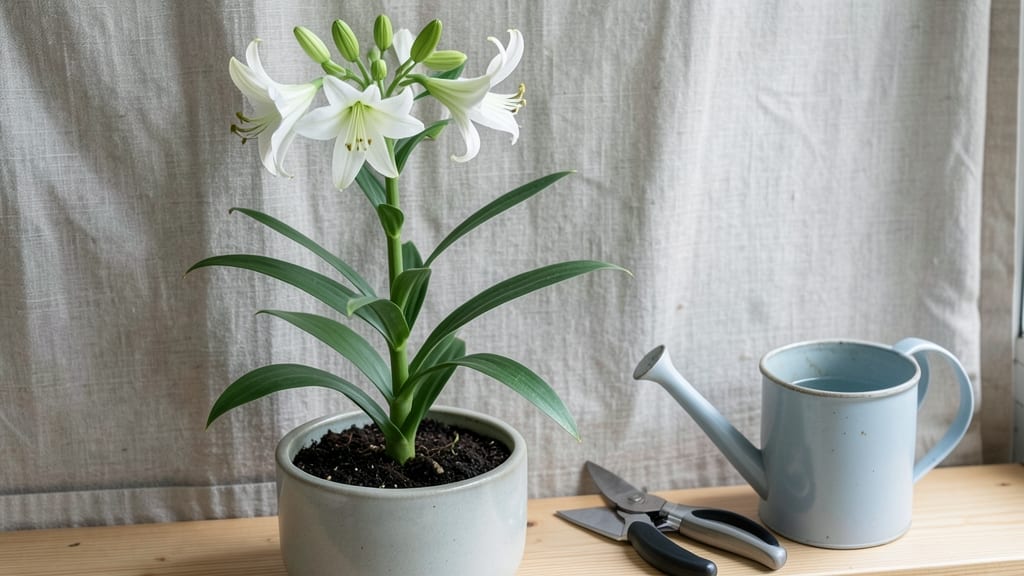
Your Easter lilies' showstopping blooms won’t last forever—but the bulbs can return next year with the right care. ✨ After those pristine white flowers fade, most people toss the plant, but with just a few simple steps, you’ll revive the bulb for another stunning spring display.
The secret lies in leaving the foliage intact after blooming—it’s not deadheading time yet. Those yellowing leaves power the bulb’s energy storage for next year’s blooms, so resist the urge to cut them.
Water lightly until the leaves naturally wither (about 6-8 weeks after flowering), then let the soil dry out completely before storing.
By late summer, you’ll have a stronger bulb ready to replant. Dig it up, trim the stem to 2 inches, and store it in a cool, dry place until planting time in fall. With proper care, your Easter lily will reward you with bold, fragrant blooms for years to come.
Works for both indoor potted lilies and outdoor garden beds—just adjust timing for your climate. Here’s how to keep those bulbs happy until spring rolls around again.
📚 In This Guide
- What you need
- Instructions
- Tips and common mistakes
- Wrapping up and next steps
What you need
- ● Pruning shears or clean scissors – Sharp and sanitized to avoid disease. (1 pair)
- ● Well-draining potting mix – A blend of peat moss, perlite, and compost (or a pre-mixed bulb/cactus mix). (1 bag, ~10-15 lbs)
- ● 6-inch or larger pot – With drainage holes. (1-2 pots, depending on bulb size)
- ● Watering can or spray bottle – For gentle hydration. (1)
- ● Fertilizer (balanced or bulb-specific) – Look for a 10-10-10 or 20-20-20 NPK ratio. (1 small bottle)
- ● Grow lights or sunny windowsill – 6+ hours of indirect light daily.
- ● Mulch (orchid bark or pine needles) – Helps retain moisture. (Small bag)
- ● Humidity tray or pebble tray – Easter lilies love 50-60% humidity.
- ● Plant food with micronutrients – Boosts bulb health for next season.
- ● Garden journal or labels – Track care notes and blooming cycles!
Step-by-step instructions for reviving and replanting Easter lilies
Here’s how to nurse your spent Easter lily back to health and set it up for a stunning rebloom next spring.
🌱 Step 1: Cut Back the Foliage After Flowers Fade
Once the blooms wilt completely, snip the flower stalks at the base with clean scissors—this redirects the plant’s energy from seed production to root and bulb storage. Leave the leaves intact for now; they’re working hard to photosynthesize and feed the bulb. I like to trim just above the first set of healthy leaves to avoid damaging the bulb.
Don’t rush to remove all foliage yet. Wait until the leaves turn completely yellow and crispy—this usually takes about 6-8 weeks after blooming. Yellowing leaves mean the plant has finished its energy transfer to the bulb. If you cut too soon, the bulb won’t store enough nutrients for next year’s growth.
💧 Step 2: Water Sparingly Until Dormancy
After cutting the flower stalks, reduce watering gradually. Keep the soil slightly moist (about 1 inch deep) but never soggy—overwatering rots the bulb. I check moisture by sticking my finger into the soil; if it feels damp just below the surface, hold off on watering. By late summer, taper off completely and let the soil dry out between waterings.
This drying period mimics the plant’s natural dormancy cycle. By late September or early October, the leaves should have fully yellowed and died back. At this point, you can stop watering entirely until spring. The bulb will enter a resting phase, conserving energy for next year’s bloom.
☀️ Step 3: Dig Up and Store the Bulb Over Winter
Once the foliage is completely brown and crispy, carefully dig up the bulb using a garden fork. Gently loosen the soil around the edges to avoid piercing the bulb itself. I wear gloves—Easter lily bulbs can be sharp, and the soil often clings stubbornly. Shake off excess dirt and let the bulb dry in a shady, well-ventilated spot for 1-2 days before storing.
Store the bulb in a paper bag or mesh sack (not plastic—this prevents rot) in a cool, dark place like a garage or basement where temperatures stay between 40-50°F. Avoid refrigerators, as fluctuating humidity can cause mold. Check the bulb every few weeks to ensure it’s dry; if you feel any softness, it’s rotting and should be discarded.
🌿 Step 4: Replant in Spring for Next Year’s Bloom
Wait until after the last frost date in your area to replant. Choose a spot with full sun to partial shade and well-draining soil—Easter lilies hate soggy roots. Dig a hole twice as wide as the bulb but no deeper than 6 inches. Mix in a handful of bone meal or bulb fertilizer (about 1 tablespoon per bulb) to give it a nutrient boost for the growing season.
Place the bulb in the hole with the pointed end facing up. Cover it with soil, water deeply, and mulch lightly with 2-3 inches of shredded bark or straw to retain moisture. The first shoots should appear in 4-6 weeks, signaling the bulb is waking up. Keep the soil consistently moist but not waterlogged until the plant establishes itself.
⏰ Step 5: Maintain Through the Growing Season
Once replanted, water the lily once a week (or when the top 2 inches of soil feel dry). Avoid overhead watering to prevent fungal diseases. Fertilize lightly every 4-6 weeks with a balanced, water-soluble fertilizer (like 10-10-10) diluted to half strength. I skip fertilizer in late summer to encourage bulb storage for next year.
Watch for red spider mites or aphids—common pests that love tender new growth. Spray infested areas with neem oil or insecticidal soap at the first sign of webbing or sticky residue. By late summer, the leaves will yellow again, signaling it’s time to cut back and repeat the cycle. With proper care, your Easter lily can rebloom for 5-7 years!
Tips & tricks for perfect Easter lily revival
These simple yet game-changing tips will help you breathe new life into your Easter lily and set it up for a spectacular rebloom.
Timing is Everything: The 6-8 week wait for leaves to yellow completely is non-negotiable. I learned this the hard way—cutting too soon means the bulb won't store enough energy for next year's flowers. Mark your calendar when you cut the flower stalks and count forward 6 weeks to know when to dig up the bulb. Trust me, patience pays off with those stunning blooms.
Soil Drying Strategy: When tapering off water in late summer, let the top 2 inches of soil dry completely between waterings. This mimics the plant's natural dormancy cycle. I use a wooden skewer to check moisture—if it comes out clean, wait another day. Overwatering at this stage is the #1 cause of bulb rot, so don't rush the drying process.
Storage Wisdom: That 1-2 day drying period before storing is crucial—it prevents moisture buildup in the storage bag. I place bulbs on a wire rack in a shaded spot to ensure airflow. If you notice any soft spots when checking your bulbs every few weeks, discard them immediately to prevent spreading rot to healthy bulbs. A dry bulb is a happy bulb!
Pro Tips for Easter Lily Care After Blooming
- These simple yet game-changing tips will help you breathe new life into your Easter lily and set it up for a spectacular rebloom.
- Timing is Everything: The 6-8 week wait for leaves to yellow completely is non-negotiable.
- Soil Drying Strategy: When tapering off water in late summer, let the top 2 inches of soil dry completely between waterings.
Frequently asked questions
Got questions about keeping your Easter lily thriving after its stunning bloom? You’re not alone! Here are answers to the most common concerns—so you can give your plant the best second act possible.
Why do Easter lilies die after blooming?
After their spectacular show, Easter lilies naturally decline
because they’re perennial bulbs that store energy underground. The leaves turn yellow and die back as the plant redirects resources to the bulb for next year’s growth. Don’t panic—this is normal! Focus on caring for the foliage until it withers completely.
Can I replant an Easter lily bulb after it blooms?
Absolutely!
If you live in USDA Zones 7-9 (or similar climates), dig up the bulb after the leaves die back, store it in a cool, dry place for 2-3 months, then replant it in fall. For colder zones, wait until spring to replant. Pro tip: Add compost to the soil for a head start on next year’s blooms.
How long does it take for an Easter lily to bloom again?
Patience is key—it can take 1-2 years
for a replanted bulb to rebloom. Factors like sunlight, soil quality, and bulb health play a role. Keep the area weed-free and water consistently (but not soggy) to encourage strong regrowth. Bonus: Some varieties may produce smaller blooms earlier as a “thank you” for good care!
What should I do if my Easter lily’s leaves turn yellow?
Yellowing leaves are usually a sign of overwatering or nutrient depletion
—but don’t toss the plant yet! Adjust your watering (let the top inch of soil dry out between waterings) and fertilize lightly with a balanced bulb food (like 10-10-10). If the yellowing spreads to the bulb, it may be rotting—trim affected areas and repot in fresh soil.
Are there alternatives to replanting Easter lilies?
Yes! If replanting isn’t an option, try these:
- Gift the bulb: Share it with a gardening friend in a fall-friendly zone.
- Compost it: If the bulb is soft or moldy, compost it instead of tossing it.
- Propagate from seeds: Collect seeds from the dried pods (if any appear) and sow them in spring for a wildflower surprise.
Can Easter lilies survive indoors after blooming?
Indoor Easter lilies are tricky
because they need 6+ hours of sunlight and a dormant period to rebloom. If you keep it indoors, place it near a bright window and reduce watering once blooming ends. For best results, move it outdoors in spring (if possible) or treat it as an annual. Fun fact: Some gardeners keep them as houseplants for years—just expect fewer blooms!
Wrapping up and next steps
Caring for your Easter lily after it blooms is all about patience and the right techniques—your plant will thank you with vibrant blooms next spring! By following these steps, you’ll not only extend its life but also set the stage for a stunning comeback.
Now that you’re armed with the know-how, go ahead and give your lily the love it deserves—your future garden will be brighter for it! 🌱✨
Ready to take the next step? Mark your calendar for dormancy care and watch your Easter lily thrive year after year!