
Blooming
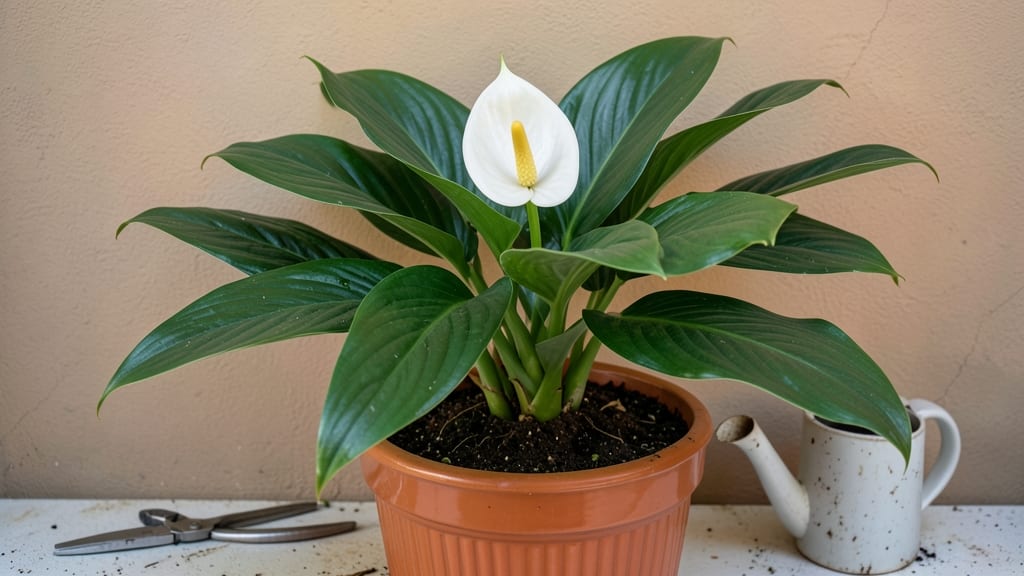
Peace lily flower blooming isn’t magic—it’s a light trick your plant already knows. 🌿 I’ve coaxed blooms from stubborn peace lilies by mimicking their tropical forest home, where they get dappled sunlight and seasonal cues. The key? Bright, indirect light for 12+ hours daily, especially in winter when days shorten.
Most people overwater or underfeed, but blooming starts with light. Move your plant near an east or north window, or use a grow light for 6–8 hours daily. Once you hit that light threshold, consistent watering (when topsoil feels dry) and monthly fertilizer (diluted half-strength) kick in the blooming cycle.
You’ll see those signature white "flowers" (technically spathe and spadix) appear within 6–8 weeks of proper light exposure. The secret weapon? A cool night (60–65°F) helps trigger blooms—just open windows in summer or use a fan for airflow.
This works for indoor peace lilies year-round, and outdoor plants too if you bring them in before frost. Let’s get those blooms happening!
📚 In This Guide
- What you need
- Instructions
- Tips and common mistakes
- Wrapping up and next steps
What you need
- ● Peace Lily Plant: A mature, healthy Spathiphyllum (preferably 2+ years old for best results).
- ● Grow Lights: Full-spectrum LED grow bulb (6000K–6500K color temperature, 10,000–15,000 lumens).
- ● Adjustable light fixture (e.g., 12–24-inch height, depending on plant size).
- ● Timer: A smart plug or mechanical timer (for 10–12 hours of light/day).
- ● Watering Can: With a gentle spray nozzle (for misting leaves).
- ○ Humidity Tray or Peat Moss: To maintain 50–70% humidity (optional but helpful).
- ● Balanced Fertilizer: 10-10-10 or 20-20-20 (diluted to ½ strength).
- ● Stable Environment: Keep temps between 65–80°F (18–27°C) and away from drafts.
- ● Well-Draining Soil: Ensure your pot has drainage holes and use a moisture-retentive potting mix (e.g., peat-based with perlite).
- ● Patience: Reblooming may take 6–12 weeks after light adjustments!
- ● 🌡️ Test your light intensity: Hold your hand 6–12 inches under the bulb—if it feels warm, it’s too strong!
- ● ✨ Prune spent blooms: Trim brown spikes 1 inch above the base to redirect energy.
- ● 💧 Water before lighting: Slightly damp soil (not soggy) ensures the plant can absorb nutrients during the light cycle.
How to trigger peace lily reblooms using light
Here's the simple method I use to get my peace lilies blooming reliably year after year.
🌱 Step 1: Understand Your Peace Lily's Light Needs
Peace lilies bloom best with bright, indirect light—think of it as morning sun with afternoon shade. I place mine near an east-facing window where they get gentle light all day. If your plant isn't blooming, check its current spot: leaves should be deep green, not yellow or brown.
If your peace lily is in low light, you'll notice long, leggy stems and sparse leaves. Move it to a brighter spot gradually—sudden changes shock the plant. A north-facing window works too, but you may need to supplement with a grow light for 12 hours daily during winter months.
☀️ Step 2: Simulate Seasonal Light Changes
Peace lilies need a cool period to trigger blooming, just like many plants. I reduce nighttime temperatures to 60-65°F for 4-6 weeks in fall. You can do this by moving the plant to a cooler room or placing it near a window that doesn't get direct heat.
During this time, keep the light consistent—12-14 hours of bright, indirect light daily. If your home has short winter days, add a full-spectrum LED grow light for 4-6 hours in the evening. Watch for small buds forming at the stem base—this is your sign the plant is responding.
💧 Step 3: Adjust Watering for Blooming Season
When buds appear, reduce watering slightly—let the top 1-2 inches of soil dry out between waterings. Overwatering stresses the plant and can cause buds to drop. I water mine every 7-10 days during blooming season, checking moisture by sticking my finger into the soil.
Peace lilies also appreciate high humidity (50% or higher). If your home is dry, place the pot on a pebble tray with water or use a humidifier nearby. You'll see the leaves stay plump and glossy—a sure sign the plant is happy and ready to bloom.
⏰ Step 4: Maintain Consistent Care After Buds Form
Once buds appear, keep light and temperature stable—no sudden moves or drafts. I avoid fertilizing during this time, as too much nitrogen encourages leaf growth over flowers. Instead, use a balanced 10-10-10 fertilizer lightly every 6-8 weeks in spring and summer.
Watch for drooping leaves—this usually means underwatering, but if it happens after buds form, it could signal bud drop from stress. Adjust care immediately: water deeply if soil is dry, or move the plant away from heat sources if it's too warm.
🌿 Step 5: Encourage Future Blooms with Pruning
After flowers fade, cut spent blooms back to the base with clean, sharp scissors. This redirects the plant's energy into new growth and future blooms. I also trim any yellow or damaged leaves—this keeps the plant healthy and focused on producing flowers.
In late winter, give your peace lily a light pruning to shape it and encourage bushier growth. You'll see new shoots emerging from the base within a few weeks—this is a great sign for next season's blooms.
Tips & tricks for peace lily flower blooming
These simple secrets will help you coax those stunning white blooms from your peace lily all year long.
Light Quality Matters: The difference between bright indirect light and harsh direct sun is everything for peace lilies. I notice the biggest blooms when my plants get morning sun through an east-facing window with afternoon shade. If you don't have ideal window placement, use a sheer curtain to diffuse light—this prevents leaf burn while still providing the bright conditions needed for blooming.
Cool Period Timing: That 4-6 week cool period in fall is your plant's cue to bloom, but timing matters. Start this cooling phase in early fall when day lengths begin shortening. I aim for the first week of October in my climate zone—this gives the plant enough time to adjust before winter. Watch for those tiny buds forming at the stem base as your first sign of success.
Bud Drop Prevention: Drooping leaves after buds form? This is your plant's way of saying "stress!" The most common causes are sudden temperature changes or inconsistent light. I keep my peace lilies in the same spot during blooming season and avoid placing them near heat vents or drafty windows. A simple trick: if you notice leaves wilting, check the soil moisture first—buds often drop when roots are too wet.
Pruning Strategy: When you cut back spent blooms in Step 5, don't just snip at the base—look for that little bump where new buds will form. I make my cuts just above this bump, leaving about 1/4 inch of stem. This small detail makes a huge difference in next season's blooms. Also, always use clean, sharp scissors to prevent disease transmission between cuts.
Pro Tips for Peace Lily Flower Blooming
- These simple secrets will help you coax those stunning white blooms from your peace lily all year long.
- Light Quality Matters: The difference between bright indirect light and harsh direct sun is everything for peace lilies.
- Cool Period Timing: That 4-6 week cool period in fall is your plant's cue to bloom, but timing matters.
Frequently asked questions
Got questions about getting your peace lily to bloom? You’re not alone! Here are answers to the most common concerns—from timing to troubleshooting—so you can enjoy those stunning white blooms year-round.
How do I encourage my peace lily to bloom more often?
Peace lilies bloom best with consistent, indirect light (like an east-facing window) and cooler temperatures (60–75°F). Move it to a brighter spot for 6–8 weeks, then reduce light slightly to trigger blooms. Pro tip: A slight temperature drop at night (like near a window at night) can also help!
Why isn’t my peace lily blooming, even with good care?
Blooming can take time—some peace lilies wait 1–2 years before their first bloom! Check for these red flags:
- Overwatering (yellow leaves = root rot risk)
- Low humidity (mist leaves or use a pebble tray)
- Lack of dormancy (they need a short rest period in cooler months)
Can I force a peace lily to bloom out of season?
Yes! Peace lilies are light-sensitive. To trick them into blooming in winter:
- Move them to a bright, sunny window for 6–8 weeks.
- Reduce water slightly to mimic seasonal stress.
- Use a grow light (12–14 hours/day) if natural light is weak.
What should I do after my peace lily blooms?
Once flowers fade, snip the spent bloom (but leave the leafy stem) to encourage new growth. Boost care with:
- Weekly misting or a humidifier (they love 40–50% humidity).
- Fertilizer every 4–6 weeks in spring/summer (use a balanced houseplant feed).
- Avoid moving it too often—stress can delay reblooming!
Are there alternatives if my peace lily refuses to bloom?
If blooming feels like a lost cause, try these low-maintenance, high-reward alternatives that bloom reliably:
- Anthurium: Gorgeous heart-shaped flowers, thrives in bright indirect light.
- Spathiphyllum ‘Petite’: Smaller but blooms more frequently than standard peace lilies.
- Zamioculcas (ZZ plant): Rarely blooms but nearly indestructible—great for forgetful plant parents!
Wrapping up and next steps
Watching your peace lily flower blooming year-round is a rewarding experience—and now you have the tools to make it happen! 🌿 By mastering light-induced triggers, adjusting seasonal care, and troubleshooting patiently, you’ll unlock vibrant blooms even in winter. Remember, consistency is key, but so is joy in the process.
Ready to transform your plant’s potential? Start by tracking your peace lily’s response to light changes over the next 4 weeks. Share your progress or ask questions—your green thumb journey is just beginning! 🌱