
Blooming
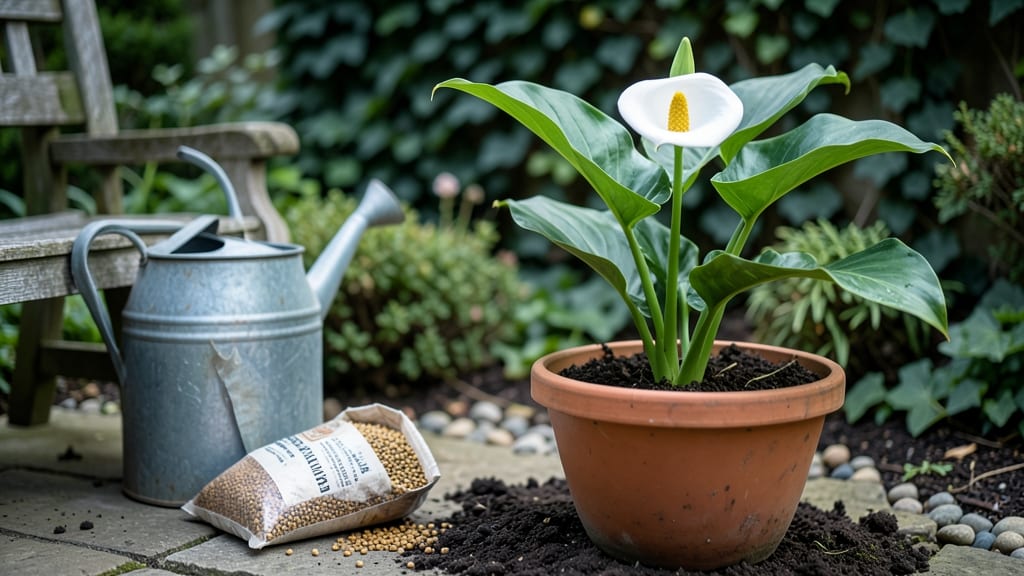
Your calla lilies can keep blooming all season—no more sad, bare stems after the first flush of flowers. 🌿 The secret lies in three overlooked habits: precise pruning, the right fertilizer timing, and light adjustments that mimic their natural rhythm.
I’ve turned my once-sparse calla plants into nonstop bloomers by mastering these three steps, and you can too. Start with light—calla lilies crave bright, indirect sunlight (think dappled shade, not harsh midday rays). Too little light means fewer blooms; too much scorches those velvety leaves.
Then feed them balanced fertilizer every 4-6 weeks during growing season, cutting back in winter. The key is consistency: never let them go thirsty, but never drown them either—soggy soil kills blooms faster than anything. Pruning is where most gardeners stumble.
After each bloom fades, snip the stem down to the base, but leave the leaves—they feed the roots for next season’s flowers. In late fall, trim back any dead foliage, but don’t overdo it.
Your plants will reward you with bold, continuous blooms from spring through frost if you follow this rhythm. This works for both container callas and garden beds, whether you’re in a warm climate or a cooler zone. The same principles apply—just adjust your timing for your local frost dates.
Let’s get those lilies flowering like crazy.
📚 In This Guide
- What you need
- Instructions
- Tips and common mistakes
- Wrapping up and next steps
What you need
- ● Calla lilies: Healthy, mature plants (1-3 per container or in-ground spot)
- ● Well-draining potting mix: 5-10 gallons (or enough to fill your planter to 2/3 capacity)
- ● Balanced liquid fertilizer (10-10-10 or 20-20-20): 1-2 bottles (for feeding)
- ○ Slow-release granular fertilizer (e.g., 14-14-14): 1-2 lbs (optional but helpful for steady nutrition)
- ● Pruning shears or clean, sharp scissors: 1 pair (for trimming spent blooms and foliage)
- ● Watering can or hose with a gentle spray nozzle: 1 (for hydration without damaging leaves)
- ● Mulch (e.g., shredded bark or pine needles): 2-3 inches (to retain moisture and regulate soil temp)
- ● Containers (if potted): 1-2 (12-18 inches deep with drainage holes, or in-ground garden bed)
- ● Epsom salt: 1 tbsp (for magnesium boost, especially in yellowing leaves)
- ● Compost or worm castings: 1-2 cups (for organic soil enrichment)
- ● Grow lights (LED full-spectrum): 1-2 (if indoors, to supplement low light)
- ● Soil moisture meter: 1 (to monitor hydration levels)
- ● Plant supports (e.g., stakes or rings): 1-2 (if stems need extra stability)
Step-by-Step guide to keep calla lilies blooming all season
Here's how I keep my calla lilies producing bold blooms from spring through fall—it's all about timing and care.
🌱 Step 1: Prune Correctly After Each Flowering Cycle
Once the blooms fade, cut the flower stalks back to the base with clean, sharp scissors. This might seem harsh, but it redirects the plant's energy into stronger roots and new growth. I always sterilize my scissors with rubbing alcohol first—disease lurks in old cuts.
Wait until the foliage naturally yellows before cutting back the leaves completely. This ensures the plant has stored enough nutrients for next season. You'll see new shoots emerging from the base within 2-3 weeks—that's your signal the plant is recovering.
💧 Step 2: Water Deeply but Only When Needed
Calla lilies hate soggy roots but also need consistent moisture. Water only when the top 2-3 inches of soil feel dry—stick your finger in to check. I water deeply until it drains from the bottom of the pot, then let excess water run off completely. This prevents root rot while keeping the plant hydrated.
During summer heat, I increase watering to every 2-3 days, but I always check soil moisture first. Overwatering is the #1 reason calla lilies stop blooming—yellowing leaves are your first warning sign.
☀️ Step 3: Provide Bright, Indirect Light Daily
Place your calla lilies where they get 4-6 hours of bright, indirect light—a north or east-facing window works best. Too much direct sun scorches the leaves, while too little light causes weak stems and sparse blooms. I rotate my pots weekly to ensure even growth.
If you notice leaves turning pale or stems stretching toward the light, move the plant closer to the window. You'll see stronger, bushier plants when they get consistent light. Artificial grow lights work in a pinch, but natural light always produces better blooms.
✂️ Step 4: Feed Regularly with Balanced Fertilizer
Use a balanced liquid fertilizer (10-10-10) every 4-6 weeks during the growing season. I dilute it to half-strength to avoid burning the roots—callas are sensitive to salt buildup. Always water the plant first to prevent fertilizer burn on the foliage.
Stop fertilizing in late summer to encourage dormancy and prepare for winter. You'll notice new flower buds forming in early spring if the plant has stored enough nutrients. A slow-release granular fertilizer in spring gives a steady boost without overfeeding.
🌿 Step 5: Divide and Repot Every 2-3 Years
When your calla lily clumps become overcrowded, dig up the rhizomes in early spring and separate them with a clean knife. Each division should have at least 1-2 healthy shoots. Plant the divisions in fresh potting mix with good drainage—this rejuvenates the plant and encourages more blooms.
I always repot into containers just slightly larger than the current root ball. Too much space stresses the plant and delays flowering. After repotting, keep the soil lightly moist and place the plant in bright, indirect light until new growth appears.
Tips & tricks for keeping calla lilies blooming all season
Here's what nobody tells you about keeping these stunning plants flowering nonstop—these little details make all the difference.
Pruning Precision: When you're ready to cut back those faded blooms in Step 1, don't just snip at the base—look for the small bump where the flower stalk meets the plant. Cut just above that bump to avoid damaging the emerging buds. I've ruined too many calla lilies by cutting too deep, which exposes the plant to rot. Also, save those spent blooms! Dry them and use them in floral arrangements—they last beautifully.
Watering Wisdom: The key to that perfect 2-3 inch dry topsoil check in Step 2 is actually feeling the weight of the pot. Lift your calla lily pot—if it feels light, it's time to water. If it's heavy, wait another day. I keep a small notebook by my plant to track watering days during summer heat—this helps me spot patterns when blooming slows down. And always use room-temperature water; cold water shocks the roots.
Lighting Hacks: For that crucial 4-6 hours of bright indirect light, position your calla lily near a sheer curtain during the hottest afternoon hours. The fabric diffuses the light perfectly while still providing enough intensity. I've found that rotating pots weekly (as mentioned in Step 3) prevents the plant from leaning—just give it a quarter turn each time you water. If you notice leaves turning toward the light source, it's definitely time to move the plant closer to the window.
Fertilizer Timing: That 4-6 week feeding schedule in Step 4 works perfectly, but here's the secret: split your fertilizer dose into two applications—half in the morning and half in the evening. This mimics natural nutrient cycles and prevents salt buildup in the soil. I always mix my fertilizer with water in a separate container first, then pour it around the edges of the pot rather than directly on the leaves to avoid burn.
Pro Tips for Keep Calla Lilies Blooming
- Here's what nobody tells you about keeping these stunning plants flowering nonstop—these little details make all the ...
- Pruning Precision: When you're ready to cut back those faded blooms in Step 1, don't just snip at the base—look for t...
- Watering Wisdom: The key to that perfect 2-3 inch dry topsoil check in Step 2 is actually feeling the weight of the p...
Frequently asked questions
Got questions about keeping your calla lilies in full bloom? We’ve got answers!
Here are some of the most common queries—plus quick fixes to keep those elegant blooms coming back year after year.
Why are my calla lilies not blooming, even though they look healthy?
Calla lilies often skip blooming due to light deprivation or overfeeding with nitrogen (which boosts foliage, not flowers). Ensure they get bright, indirect light (6+ hours daily) and switch to a low-nitrogen, high-phosphorus fertilizer (like 5-10-10) when buds form. Prune spent blooms too—this signals the plant to redirect energy!
How often should I fertilize calla lilies for continuous blooms?
Feed every 4–6 weeks during active growth (spring to fall) with a balanced liquid fertilizer (20-20-20 or similar). Stop fertilizing in winter—they’re dormant! For extra blooms, use a phosphorus-heavy fertilizer (like 10-30-20) when flower buds appear. Pro tip: Water before fertilizing to avoid root burn!
Can calla lilies bloom indoors year-round, or do they need a rest period?
Indoor calla lilies can bloom year-round with consistent care, but they often need 6–8 weeks of rest (reduced watering, cooler temps ~55–65°F) to rebloom. If you skip rest, they may produce fewer flowers. Alternative: Move them outdoors in summer for a natural break, then bring them back inside for winter blooms!
How do I prune calla lilies to encourage more blooms?
Prune spent blooms and yellow leaves at the base with clean scissors. For overgrown plants, trim back 1/3 of the foliage after blooming to stimulate new growth. Never prune dormant tubers—wait until spring regrowth starts. Bonus: Divide tubers every 2–3 years to rejuvenate blooms!
What do I do if my calla lilies only bloom once and then stop?
This usually means poor light, lack of nutrients, or no dormancy. Try these fixes:
- Boost light: Move to a south- or west-facing window or use a grow light.
- Adjust feeding: Switch to a bloom-boosting fertilizer (like 10-20-10) when buds form.
- Simulate dormancy: Reduce watering in fall/winter and keep temps cool (55–65°F).
- Refresh tubers: Dig up, divide, and replant every 2–3 years.
Wrapping up and next steps
Keeping your calla lilies blooming is all about balance—pruning at the right time, feeding them with the right nutrients, and giving them the perfect light conditions. With a little patience and care, you’ll enjoy stunning, long-lasting flowers that brighten up your space all season! 🌸
Ready to transform your garden? Grab your shears, check your soil, and start applying these tips today. Your calla lilies will thank you with nonstop beauty!