
Blooming
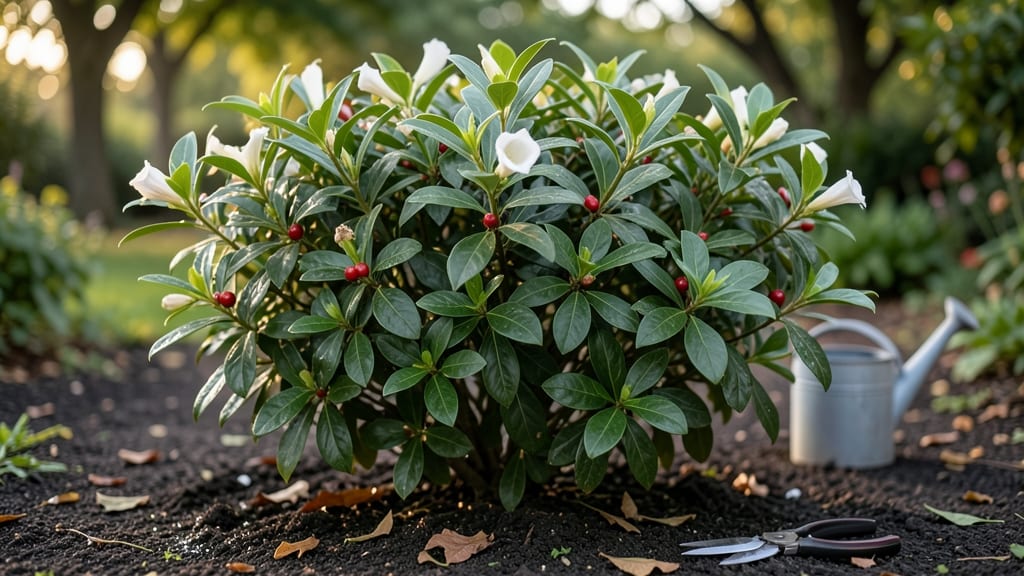
Your garden needs a nighttime fragrance showstopper—night blooming jasmine delivers moonlit perfume without the daily deadheading fuss. 🌙 I’ve grown mine for three summers now, and the intoxicating scent that fills the evening air is worth every bit of patience it takes to get it right.
The key? Mimicking its natural tropical habitat while keeping care simple enough for even busy gardeners.
This plant thrives in full sun to partial shade, tolerates poor soil if well-draining, and handles heat like a champ—just don’t let it sit in soggy roots. Plant in spring after the last frost, spacing them 3-5 feet apart so their vines can spread naturally.
The real magic happens at dusk when tiny white flowers burst open, releasing a heady jasmine fragrance that lingers until morning.
Watering is the only real trick: keep soil evenly moist but never soggy during the first year, then taper back once established. Prune lightly in late winter to shape the plant, but avoid heavy cuts—you’ll sacrifice next year’s blooms.
The best part? No deadheading needed; spent flowers drop cleanly on their own, leaving your evenings fragrant and your garden effortless.
Perfect for trellises, fences, or even containers on patios—just give it room to grow. Once established, it’s nearly indestructible, rewarding you with years of fragrant nights with almost no upkeep. Let’s get yours planted so you can experience that first intoxicating whiff at dusk.
📚 In This Guide
- What you need
- Instructions
- Tips and common mistakes
- Wrapping up and next steps
What you need
- ● Night blooming jasmine plant: Choose Cestrum nocturnum (the true night bloomer) or Jasminum sambac (for a milder scent). Start with a healthy 1-2 year old plant from a nursery.
- ● Well-draining potting mix: 5 gallons of a blend of 60% garden soil, 30% perlite, and 10% compost (for containers). For in-ground planting, amend native soil with 2-3 inches of compost.
- ● Sunlight access: A location with full sun (6+ hours/day) or partial shade (4-6 hours) in hot climates (Zones 9-11).
- ● Watering can or hose: With a gentle spray nozzle for post-planting hydration.
- ● Pruning shears: Sharp, sterilized shears (for shaping and maintenance).
- ● Fertilizer: Balanced 10-10-10 granular fertilizer (2 tbsp per plant) or a slow-release organic option like fish emulsion.
- ● Gloves: Heavy-duty gardening gloves to protect from thorns (especially on Cestrum nocturnum).
- ● Mulch: 2-3 inches of pine bark or shredded leaves to retain moisture and suppress weeds.
- ● Support structure: A trellis, fence, or small arbor (if training as a climbing vine).
- ● pH test kit: To ensure soil pH is 6.0-7.0 (jasmine thrives in slightly acidic to neutral soil).
- ● Pest control: Neem oil or insecticidal soap (for aphids or spider mites).
- ○ Landscape fabric: Optional for in-ground planting to block weeds.
Step-by-Step instructions for cultivating night blooming jasmine
Here's the foolproof method I use to grow fragrant, self-sustaining night blooming jasmine—no deadheading, no fuss.
🌱 Step 1: Select the Right Location and Prepare the Soil
Night blooming jasmine (Cestrum nocturnum) thrives in full sun to partial shade with at least 6 hours of direct sunlight daily. I always choose a spot near a patio or bedroom window—those intoxicating blooms open at dusk and perfume the air until dawn. The soil should drain well but retain moisture; amend heavy clay with 2-3 inches of compost to improve aeration.
Dig a hole twice as wide as the root ball but only as deep as the container it came in. Loosen the roots gently if they're circling—they'll spread aggressively once planted. This is the moment that matters: if your soil stays soggy for more than a day after watering, raise the plant on a mound or add 10% perlite to the backfill mix.
☀️ Step 2: Plant and Water for Immediate Establishment
Position the plant so the top of the root ball sits 1 inch below soil level—this prevents stem rot from settling soil. Backfill with native soil mixed with compost, pressing lightly to remove air pockets. Water deeply until moisture reaches 12 inches down, then let the top 2 inches dry before watering again. Overwatering now will smother roots and delay blooms.
I always mulch with 2-3 inches of shredded bark around the base (but not touching the stem) to conserve moisture and regulate soil temperature. This step is non-negotiable in hot climates—jasmine roots are shallow and burn easily when exposed to afternoon sun.
✂️ Step 3: Prune Strategically for Bushier Growth
Prune immediately after flowering in late spring to shape the plant and encourage dense branching. Cut back one-third of the oldest stems to the nearest leaf node—this redirects energy to new growth. Avoid heavy pruning in fall; you'll sacrifice next year's blooms. I also remove any leggy stems growing toward the light to maintain a full, rounded shape.
Never prune into bare wood—always leave a leaf or bud. The plant will reward you with more abundant nighttime blooms within 4-6 weeks of proper pruning. If you see yellowing leaves, it's usually a sign of overwatering or poor drainage, not pruning mistakes.
💧 Step 4: Maintain Through Seasons With Minimal Effort
Night blooming jasmine is drought-tolerant once established, but I water deeply every 7-10 days during summer droughts. The key is to let the soil dry completely between waterings—wilting leaves usually mean you're watering too frequently. In winter, reduce watering to every 3-4 weeks unless your climate stays mild.
Fertilize lightly in early spring with a balanced 10-10-10 formula at half strength. Too much nitrogen produces leaves but stunts flowers. I swear by a slow-release granular fertilizer worked into the soil—it feeds roots all season without the risk of burn from liquid feeds.
⏰ Step 5: Enjoy the Fragrance Without Deadheading
Here's the magic: night blooming jasmine doesn't need deadheading. The spent flowers stay on the plant, creating natural mulch that protects roots and feeds soil. In fact, removing them reduces next year's blooms. The only time I intervene is if a branch dies back completely—then I prune it out in late winter before new growth starts.
Watch for jasmine moths at night—they're attracted to the blooms and help pollinate. If you notice brown spots on leaves, it's likely powdery mildew from poor air circulation. Space plants 4-6 feet apart and avoid overhead watering to prevent this. With zero deadheading, you'll have months of effortless fragrance every year.
Tips & tricks for cultivating night blooming jasmine
These insights will help you transform your garden into a fragrant nighttime retreat with minimal effort.
Sunlight Strategy: The 6 hours of direct sunlight mentioned in Step 1 is non-negotiable for optimal blooming. If your location gets less light, position your jasmine near a south-facing wall or use reflective surfaces like white fencing to maximize exposure. Morning sun is ideal—afternoon shade helps prevent leaf scorch, especially in hot climates where those shallow roots can burn easily. I've seen plants struggle when placed in full afternoon sun without protection.
Root Establishment Secret: When planting, focus on the 12-inch deep watering in Step 2—this encourages roots to grow downward rather than staying shallow. After watering, press your finger into the soil; if it feels dry at 2 inches down, water again. The 1-inch below soil level positioning prevents stem rot by keeping the base slightly elevated, which is crucial in rainy seasons. I learned this the hard way when my first plant developed rot from being planted too deep.
Pruning Precision: The one-third pruning in Step 3 should target stems that are at least pencil-thick. Thin out crowded centers first to improve airflow, which prevents powdery mildew. I always prune in late spring because the plant's energy is already focused on blooming—this gives it maximum time to recover before winter. Never remove more than one-third at once, or you'll shock the plant into leaf production rather than flower development.
Seasonal Watering Wisdom: The 7-10 day summer watering schedule in Step 4 works for most climates, but adjust based on rainfall. In my experience, jasmine plants in containers dry out faster—check soil moisture by lifting the pot (lighter weight means it's time to water). The 3-4 week winter schedule is perfect unless you have a heated garage or indoor growing setup, where you might need to water monthly instead. Overwatering in winter is the fastest way to kill these tropical plants.
Pro Tips for Night Blooming Jasmine
- These insights will help you transform your garden into a fragrant nighttime retreat with minimal effort.
- Sunlight Strategy: The 6 hours of direct sunlight mentioned in Step 1 is non-negotiable for optimal blooming.
- Root Establishment Secret: When planting, focus on the 12-inch deep watering in Step 2—this encourages roots to grow downward rather than staying shallow.
Frequently asked questions
When does night blooming jasmine actually bloom?
Night blooming jasmine typically opens its creamy-white, star-shaped flowers after sunset, peaking between 8 PM and midnight. The blooms last just one night but release their intoxicating scent for hours. For extended fragrance, plant near patios or windows—just don’t expect daytime color!
How do I keep my night blooming jasmine healthy without deadheading?
This low-maintenance beauty thrives with minimal intervention! Prune lightly in late winter to shape the plant and remove dead wood. Avoid deadheading—the spent flowers add winter interest and protect buds. Focus on watering deeply but infrequently (drought-tolerant once established) and fertilizing lightly in spring.
Can night blooming jasmine survive winter in cold climates?
Most varieties (like Cestrum nocturnum) are tender perennials and die back in frost. In USDA zones 9–11, plant in containers for winter protection or mulch heavily. In colder zones, grow as an annual or overwinter indoors with bright light. Pro tip: Prune back dead growth in spring—new shoots will emerge!
What’s a good alternative if I want daytime fragrance?
If you crave daytime blooms + scent, try jasmine (Jasminum officinale) or gardenia. For nighttime fragrance with easier care, evening primrose or four o’clock flowers (Mirabilis jalapa) are vibrant options. Night blooming jasmine’s unique scent (like orange blossoms) is hard to match!
Why aren’t my night blooming jasmine flowers opening at night?
Skipped blooms often mean stress factors like overwatering, poor drainage, or insufficient light. Ensure it gets 6+ hours of sunlight daily and well-draining soil. Check for pests (like spider mites) and adjust fertilizer—too much can delay blooming. Patience: Young plants may take 1–2 years to bloom reliably!
Is night blooming jasmine toxic to pets?
Yes! All parts of Cestrum nocturnum are toxic to cats and dogs if ingested, causing vomiting or drooling. Keep it out of reach or opt for pet-safe alternatives like night-scented stock (Matthiola longipetala). When in doubt, consult your vet.
Wrapping up and next steps
Night blooming jasmine is a dream for gardeners who love fragrance, beauty, and low-maintenance plants—it delivers all three with ease! Whether you’re filling your patio with intoxicating scents or creating a moonlit garden escape, this hardy climber proves that great things come in the dark. 🌙✨
Ready to transform your space? Start by choosing the perfect spot—sunny, sheltered, and with something sturdy to climb. Then, let nature do the rest! With minimal care, you’ll soon be rewarded with velvety blooms and a nighttime symphony of sweetness. Happy gardening!