
Blooming
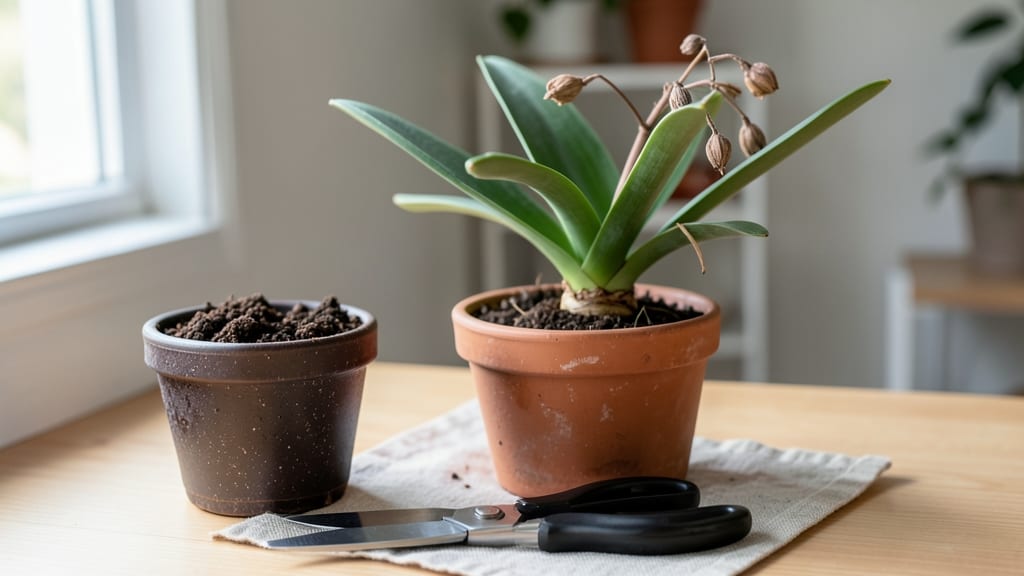
Cutting your amaryllis stem at the right spot after flowering is the secret to the rebloom—and I’ve learned the hard way what not to do. 🌱 The key moment arrives when those dramatic flowers fade: trim the stem 1-2 inches above the bulb, but never below it, or you risk stunting next season’s growth.
Too high, and you lose energy storage; too low, and you invite rot. This single cut determines whether your bulb will reward you with another bold display.
Timing matters just as much as technique. Wait until the foliage yellows and wilts completely—usually 6-8 weeks after flowering—before you touch the stem. Meanwhile, keep the plant in bright, indirect light and water only when the top inch of soil feels dry.
The bulb needs time to recharge for its next performance, and rushing the process short-circuits that process. Think of it like letting a battery fully drain before recharging—patience pays off in vibrant reblooms.
What you’ll end up with is a bulb primed for a second act: next spring, those same roots will push out fresh foliage, and with proper care—like fertilizing lightly in early spring—they’ll produce even taller, more dramatic blooms than the first year.
The difference between a one-time show and a reliable rebloomer comes down to this one cut and the months of care that follow. It’s not magic; it’s horticultural timing.
Common mistakes? Cutting too late in the season (after the first frost) or using dull shears that crush the stem. And here’s the plot twist: if your bulb doesn’t rebloom the first year, don’t panic—it might need 2-3 seasons of proper care to fully recover.
The payoff? A houseplant that keeps delivering that wow factor, year after year.
📚 In This Guide
- What you need
- Instructions
- Tips and common mistakes
- Wrapping up and next steps
What you need
- ● Sharp pruning shears or clean scissors – Sterilized with rubbing alcohol to prevent disease.
- ● Healthy amaryllis plant – A bulb that’s finished flowering (wilted blooms, no new growth).
- ● Well-draining potting mix – Cactus/succulent blend (or ⅔ potting soil + ⅓ perlite/pumice).
- ● 6-inch pot – 1–2 inches larger than the bulb’s diameter (or same pot if roots are crowded).
- ● Watering can with a narrow spout – For gentle hydration (avoid soggy soil!).
- ○ Rooting hormone – Optional for stubborn stems (follow label instructions).
- ● Clear plastic bag or humidity dome – To create a mini greenhouse while roots establish.
- ● Grow lights (LED or fluorescent) – If your space gets less than 6 hours of sunlight/day.
- ● Fertilizer (balanced 10-10-10 or bulb-specific) – Diluted to half-strength after 4–6 weeks.
How to prune amaryllis stems for next season’s blooms
Here’s exactly where and how to cut back your amaryllis after flowering—so you get those showstopping blooms again.
✂️ Step 1: Wait Until Flowers Fully Fade
Don’t rush to cut anything. Let the blooms wilt completely and the stems turn brown or yellow—this signals the plant is redirecting energy into its bulb for next year’s growth. I know it’s tempting to prune right after the flowers drop, but waiting ensures the bulb stores enough nutrients.
If you cut too soon, the plant won’t have time to recharge. Watch for the last flower to droop and fall off naturally, then wait another 3-5 days before touching the stem. This extra patience pays off with stronger blooms the following season.
✂️ Step 2: Cut the Stem at the Right Spot
Use clean, sharp pruners to make a clean cut about 1 inch above the bulb. This leaves just enough stem to prevent rot while still allowing the bulb to absorb any remaining moisture. Avoid cutting too low—right at the bulb can introduce rot if water splashes during future waterings.
If your amaryllis has multiple stems, cut each one back to 1 inch above the bulb. I like to twist off any remaining dried stems instead of cutting—it’s less messy and still effective. After pruning, leave the pot in a bright spot (but out of direct sun) for a few weeks to let the bulb rest.
💧 Step 3: Reduce Watering and Fertilize for Bulb Storage
Once the stems are cut, reduce watering to once every 2-3 weeks. The goal is to keep the bulb slightly dormant but not completely dry. Overwatering now can cause the bulb to rot before it’s ready to bloom again. Stick your finger 1 inch into the soil—if it’s dry, it’s time to water.
About 6 weeks after flowering, resume regular watering and fertilize with a balanced bulb fertilizer (like 10-10-10) every 4-6 weeks. This jumpstarts the bulb’s energy reserves for next year’s growth. I also move the pot to a slightly cooler spot (60-65°F) for a few weeks to mimic its natural dormancy period.
☀️ Step 4: Prepare for Next Season’s Growth
In late winter or early spring, bring the amaryllis back into bright, indirect light and resume regular watering. You’ll see new growth emerging from the bulb within 2-4 weeks. This is your cue to increase watering slightly and fertilize again to encourage strong stem development.
If your amaryllis doesn’t produce a new stem after a few months, it might need more light or a longer rest period. I’ve found that patience here is key—some bulbs take a little longer to bounce back, especially if they were overwatered during their dormant phase.
Tips & tricks for perfect amaryllis stem pruning
Here’s what nobody tells you about getting your amaryllis ready for next year’s spectacular blooms.
Timing is Everything: That 3-5 day wait after the last flower drops isn’t arbitrary—it’s when the bulb completes its nutrient absorption. I’ve seen people cut too soon and their amaryllis never rebloomed. Mark your calendar when the last bloom wilts completely, then count those days before pruning. This simple patience ensures your bulb stores enough energy for next season’s showstopper stems.
Clean Cuts Prevent Rot: Using sharp pruners for that 1-inch cut above the bulb is crucial, but here’s the secret: sterilize your tools first with rubbing alcohol. I’ve had bulbs develop rot from bacteria introduced during cutting. After pruning, let the cut area dry completely before watering again—this prevents moisture from sitting on the fresh cut and creating the perfect environment for rot.
Light Matters During Rest: After pruning, keep your amaryllis in bright, indirect light for those few weeks of rest. Direct sunlight can stress the bulb while it’s recharging. I place mine near an east-facing window where it gets gentle morning light. This balance helps the bulb recover without overheating, setting the stage for strong new growth when you’re ready to restart its cycle.
Pro Tips for Rebloom Where To Cut Amaryllis After Flowering
- Here’s what nobody tells you about getting your amaryllis ready for next year’s spectacular blooms.
- Timing is Everything: That 3-5 day wait after the last flower drops isn’t arbitrary—it’s when the bulb completes its nutrient absorption.
- Clean Cuts Prevent Rot: Using sharp pruners for that 1-inch cut above the bulb is crucial, but here’s the secret: sterilize your tools first with rubbing alcohol.
Frequently asked questions
Got questions about reviving your amaryllis for another stunning show? You’re not alone!
Here are the answers to the most common concerns about cutting back your plant after flowering—so you can master the rebloom process with confidence.
How far down should I cut the flower stalk after blooming?
Cut the leafless flower stalk about 1 inch above the bulb once it turns yellow and wilts. Avoid cutting into the bulb itself—this prevents rot and ensures energy stays focused on the leaves (which feed the bulb for next year’s blooms).
When is the best time to trim the amaryllis stalk?
Trim the stalk immediately after the flowers fade (usually 6–8 weeks post-bloom). Wait too long, and the bulb may divert energy to seed production instead of storing nutrients for future growth. Pro tip: Don’t rush! Let the stalk yellow naturally before cutting.
What if I skip cutting the stalk—will it still rebloom?
Technically, yes—but expect weaker blooms next year. The stalk competes with the bulb for energy, so trimming it redirects resources to leaf growth, which directly fuels next season’s flowers. Think of it like saving your strength for a marathon, not a sprint!
Can I cut the leaves too? How short is too short?
Never cut healthy leaves! They’re the plant’s food factories for the bulb. Only trim brown or crispy leaves at the base. If you must reduce size (e.g., for aesthetics), wait until after they’ve fully yellowed—usually 4–6 months post-bloom.
My amaryllis stalk rotted after cutting—what went wrong?
Rot typically happens from overwatering or cutting too close to the bulb. Here’s how to fix it:
- Stop watering until the soil dries out (let the top 2 inches dry between waterings).
- Ensure the bulb is not sitting in soggy soil—repot if needed.
- Avoid fertilizing until new growth appears (wait 6–8 weeks).
Wrapping up and next steps
Cutting back your amaryllis after flowering is simple—just follow the 1/3 rule and give your plant the care it needs to thrive! With patience and proper care, your amaryllis will reward you with stunning reblooms next season. 🌱✨
Ready to watch your plant flourish? Start by placing it in a sunny spot, watering consistently, and monitoring its progress. Your next step? Share your amaryllis journey with fellow plant lovers—tag us in your before-and-after photos for a chance to inspire others! 📸💚