
Blooming
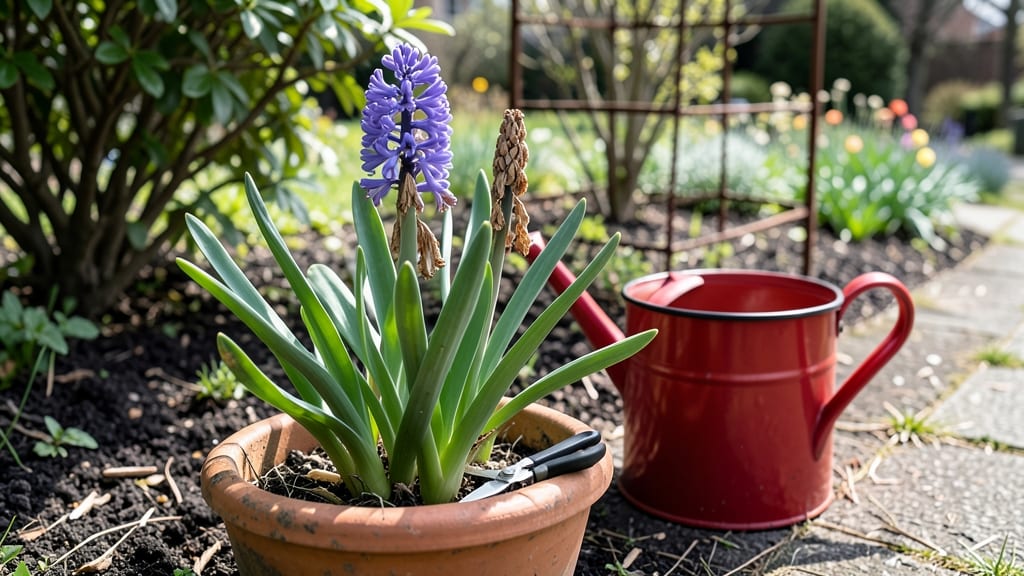
The right hyacinth care after blooming keeps your plants perky—here’s how to trim them so next year’s showstopper blooms outshine the last. 🌿 The key is timing, pruning, and feeding at the right moments to coax those bulbs back to strength for their next big show.
First, wait until the foliage turns completely yellow before cutting anything back. That’s when the bulb is storing energy for next season. Snip the flower stalks at the base, but leave the leaves until they yellow naturally—those leaves are the plant’s solar panels, feeding the bulb underground.
A balanced 10-10-10 fertilizer applied after blooming gives them a final boost.
By late summer, you’ll see new growth pushing through the soil, signaling the bulb is ready to recharge. Water lightly during dry spells, but avoid soggy soil—hyacinths hate being waterlogged. With proper care, you’ll get those bold, fragrant spikes back year after year, turning your garden into a springtime spectacle.
For container-grown hyacinths, the process is the same, but you’ll need to dig up the bulbs after the leaves die back completely. Store them in a cool, dry place until fall replanting. The secret to long-term success? Patience and consistency—those bulbs reward careful gardeners with showstopping blooms for decades.
📚 In This Guide
- What you need
- Instructions
- Tips and common mistakes
- Wrapping up and next steps
What you need
- ● Pruning shears or sharp scissors – Clean, sterilized tools to trim spent blooms and foliage.
- ● Garden gloves – Durable, breathable pair to protect your hands from dirt and sharp edges.
- ● Balanced, slow-release fertilizer – 10-10-10 or 20-20-20 NPK ratio (about 1 tbsp per plant).
- ● Compost or well-aged manure – 1-2 cups per plant to enrich the soil.
- ● Watering can or hose with a gentle spray nozzle – For deep but controlled hydration.
- ○ Mulch (optional but recommended) – 2-3 inches of shredded bark, straw, or pine needles to retain moisture.
- ○ Plant support stakes (optional) – 3-4 bamboo stakes per plant if foliage needs extra stability.
- ● Epsom salt (magnesium sulfate) – 1 tbsp dissolved in 1 gallon of water for a mid-season boost.
- ● Fungicide spray – Copper-based or neem oil solution if signs of disease appear.
- ● Garden twine or plant ties – To secure floppy stems if needed.
- ● Soil test kit – To check pH and nutrient levels before fertilizing.
Step-by-step guide for reviving hyacinths after blooming
Here’s how to keep your hyacinths thriving between seasons—so next spring’s blooms rival this year’s.
✂️ Step 1: Prune Spent Blooms and Foliage
Once the flower spikes turn brown and crispy, snip them off at the base with clean, sharp scissors. This prevents seed production and redirects energy back into the bulb for next year. Don’t cut the green leaves yet—they’re still photosynthesizing and feeding the bulb.
Leave the foliage intact until it yellows naturally. Yellowing leaves signal the bulb has stored enough nutrients. If you cut too soon, the bulb won’t bloom as strongly next season. I usually wait until about 60% of the leaves turn yellow before pruning them back to 2-3 inches above the soil.
💧 Step 2: Water and Fertilize for Bulb Recovery
Keep the soil moderately moist (not soggy) for 4-6 weeks after blooming. This helps the leaves finish their nutrient-storing job. Once the foliage yellows completely, reduce watering to once every 2-3 weeks to prevent rot.
Apply a balanced, slow-release bulb fertilizer (like 10-10-10) around the base of the plant. Avoid high-nitrogen fertilizers—they encourage leaf growth at the expense of bulb strength. I scatter a tablespoon per bulb and lightly scratch it into the top inch of soil.
☀️ Step 3: Monitor Light and Soil Conditions
Hyacinths need full sun to partial shade (6+ hours of sunlight daily). If your climate is hot and dry, afternoon shade helps prevent stress. Too much shade weakens bulbs, leading to smaller or fewer blooms next year.
Check the soil for drainage—hyacinths hate soggy roots. If your garden retains water, plant them in raised beds or amend the soil with sand or perlite. Well-draining soil prevents bulb rot and keeps them healthy between seasons.
🪴 Step 4: Prepare for Dormancy and Next Year’s Blooms
By late summer, hyacinths enter dormancy. Stop watering entirely once the leaves turn brown and crisp. This mimics their natural cycle and prevents disease. I mark their location with small stakes so I don’t disturb them during fall planting.
In late fall (6-8 weeks before your first frost), dig up and divide any crowded clumps. Replant bulbs at a depth of 6 inches, spacing them 4-6 inches apart. This ensures strong blooms next spring. Mulch lightly with 2 inches of straw to protect them through winter.
⏰ Step 5: Plan for Next Season’s Growth
Hyacinths need 6-8 weeks of cold exposure to bloom properly. If your winters are mild, consider lifting bulbs and storing them in a cool, dry place (35-45°F) until planting time. In colder climates, leave them in the ground—they’ll naturalize and multiply over time.
Next spring, watch for green shoots emerging in late winter to early spring. This is your cue to resume watering lightly. The stronger the bulb’s dormancy period, the more dramatic next year’s blooms will be.
Tips & tricks for reviving hyacinths after blooming
Here's the thing—hyacinths are tougher than they look, but a few key tricks make all the difference between next year's blooms and next year's disappointment.
Leaf Matters: I learned this the hard way after ruining three batches—never cut those green leaves until they've fully yellowed. The leaves are the bulb's food factory, storing energy for next spring's blooms. Wait until about 60% of the leaves turn yellow before trimming them back to 2-3 inches above the soil. This simple step ensures your bulbs have enough reserves for dramatic spikes next year.
Fertilizer Timing: That tablespoon of balanced bulb fertilizer (like 10-10-10) around each bulb needs to happen right after blooming, not before. The key is applying it when the foliage is still green but starting to yellow—this gives the bulb a final nutrient boost while the leaves are still photosynthesizing. Avoid high-nitrogen fertilizers at this stage; they'll encourage leaf growth at the expense of bulb strength.
Dormancy Signals: When your hyacinths' leaves turn completely brown and crispy, that's nature's way of saying "time to rest." Stop watering entirely at this point—no exceptions. I've seen gardeners water through dormancy, and it always leads to rot. Mark their location with small stakes so you don't accidentally disturb them when planting fall bulbs nearby.
Cold Exposure Strategy: Hyacinths need that 6-8 weeks of cold exposure (35-45°F) to bloom properly. If your winters are mild, store lifted bulbs in a cool, dry place like a garage or basement. Wrap them in paper towels and place them in a cardboard box with ventilation holes. This mimics their natural winter dormancy period and ensures spectacular blooms when you replant them in fall.
Pro Tips for Hyacinth Care After Blooming
- Here's the thing—hyacinths are tougher than they look, but a few key tricks make all the difference between next year...
- Leaf Matters: I learned this the hard way after ruining three batches—never cut those green leaves until they've full...
- Fertilizer Timing: That tablespoon of balanced bulb fertilizer (like 10-10-10) around each bulb needs to happen right...
Frequently asked questions
Got questions about keeping your hyacinths happy after their stunning show? You’re not alone! Here are answers to the most common concerns—so you can enjoy next year’s blooms with confidence.
What should I do with hyacinth leaves after the flowers fade?
Don’t trim the leaves immediately after blooming! Let them yellow naturally (a process called senescence) to feed the bulb for next year. Once the foliage turns brown and crispy, you can cut it back—but only after it’s fully dead. This ensures your bulb stores energy for future growth.
How long does it take for hyacinth bulbs to recover after blooming?
Recovery depends on your climate, but most hyacinths need 6–8 weeks of foliage growth to recharge. In cooler regions, this happens naturally as days shorten. In hot climates, provide afternoon shade and keep soil moist (but not soggy) to support the bulb’s energy reserves.
Can I fertilize hyacinths right after they bloom?
Yes! Fertilize lightly with a balanced, low-nitrogen formula (like 5-10-10) right after blooming to encourage root and foliage growth. Avoid high-nitrogen feeds—those promote leaves over blooms. Water thoroughly after applying to help nutrients absorb.
What if my hyacinths don’t rebloom next year?
No rebloom? Don’t panic! Overcrowding, poor drainage, or inconsistent care are common culprits. Try dividing bulbs every 3–5 years, or move them to a sunnier spot with well-draining soil. Some varieties (like Hyacinthus orientalis) are less reliable for reblooming—consider planting Muscari or Grape Hyacinths for consistent color.
Should I dig up hyacinth bulbs after blooming?
Only dig up bulbs if you’re in a hot, humid climate (zones 8–10) or if squirrels love snacking on them! In cooler zones (3–7), leave them in the ground—they’ll naturalize and multiply. If lifting, do it 6–8 weeks after blooming, cure the bulbs in a dry, shady spot for 2 weeks, then store in a cool, dark place until fall planting.
Wrapping up and next steps
Caring for your hyacinths after they bloom is all about patience and consistency—your efforts will reward you with even more stunning blooms next season! 🌱 By pruning spent flowers, fertilizing wisely, and giving them the right conditions to rest, you’re setting the stage for a show-stopping display in the years ahead.
Now that you’re armed with these tips, roll up your sleeves and give your hyacinths the TLC they deserve—your future garden will thank you!
Next step? Grab your gardening tools, check your hyacinths’ progress, and start planning for their next big bloom! 🌸