
Blooming
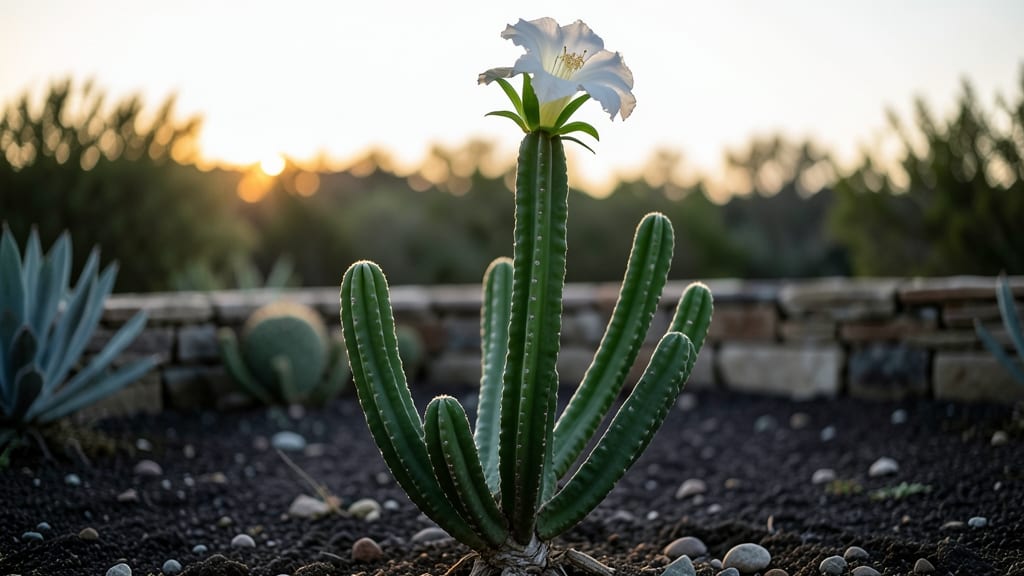
Growing night-blooming cactus reveals nature's most dramatic secret—moonlit flowers that only open after dark. 🌙 These ephemeral blooms, from Selenicereus or Epiphyllum, last just 24 hours, so timing is everything.
The key isn't just soil or light—it's mastering their unique circadian rhythm to trigger those fragrant, star-like flowers when the sun goes down.
Most gardeners fail because they treat these cacti like their day-blooming cousins. Night bloomers need bright indirect light during the day (like a well-lit east window) and complete darkness at night—no streetlights or porch lamps.
Your soil should drain like a desert storm, yet hold enough moisture to encourage root growth without rotting. The real magic happens when you mimic their natural tropical-forest understory environment.
With the right conditions, you'll witness 6-inch-wide flowers unfurling at dusk, their sweet scent drawing moths and hummingbirds to your garden. The blooms appear most reliably after a cool winter rest period (50-60°F nights) followed by warm spring days—nature's built-in trigger.
Even a single successful bloom makes the effort worth it, but consistency comes with patience and attention to their specific needs.
Troubleshooting is where most gardeners stumble—yellowing stems mean overwatering, while no blooms usually signal insufficient light or missed rest periods. The solution? Adjust your care based on what you see: stunted growth? Boost the light. No flowers? Verify your winter dormancy routine.
These cacti reward precision with a show no other plant can match.
📚 In This Guide
- What you need
- Instructions
- Tips and common mistakes
- Wrapping up and next steps
What you need
- ● Night-blooming cactus plant (e.g., Selenicereus grandiflorus or Epiphyllum oxypetalum—check local nurseries or online plant shops).
- ● Well-draining cactus/succulent soil mix (1 bag, ~10–15 lbs). Pro tip: Mix in perlite or pumice (20–30%) for extra aeration! 💡
- ● Pot with drainage holes (6–12 inches wide, terracotta or ceramic preferred).
- ● Gravel or pebbles (1–2 cups for drainage layer).
- ● Slow-release fertilizer (balanced 10-10-10 or cactus-specific, ~1 tbsp per plant).
- ● Gloves (to protect hands from spines—opt for cactus-specific or thick gardening gloves).
- ● Trowel or small shovel (for planting and soil adjustments).
- ● Watering can with a narrow spout (or a spray bottle for gentle hydration).
- ○ pH testing kit (optional but helpful—ideal soil pH: 6.0–7.0).
- ○ Grow lights or LED bulb (optional, for indoor setups; 12–14 hours of light/day).
- ○ Misting bottle (optional, for humidity control in dry climates).
- ● Sunlight access: 6+ hours of bright, indirect light daily (south-facing window or outdoor spot).
- ● Temperature control: Keep in 60–80°F (15–27°C) range; avoid drafts or frost.
- ● Patience: Night-blooming cacti can take months to years to flower—consistency is key! ⏳
How to grow a night-blooming cactus that opens under moonlight
Here's how to coax those dramatic, nocturnal blooms from your desert cactus—no black magic, just precise timing and care.
🌱 Step 1: Select and Acclimate Your Cactus
Choose a night-blooming cactus like Selenicereus grandiflorus (queen of the night) or Hylocereus undatus (pitaya). These varieties are bred to open their 6-8 inch blooms between 9 PM and 3 AM, when temperatures dip below 75°F. Start with a 4-inch pot—smaller roots prevent energy waste that could delay flowering.
Let your new cactus sit in a bright, indirect light spot for 7-10 days before adjusting its environment. This acclimation period reduces transplant shock. Water lightly—just enough to moisten the top inch of soil—then wait until the soil feels completely dry before watering again. Overwatering now triggers rot before blooming.
☀️ Step 2: Mimic Desert Conditions for Blooming
Move your cactus to a south-facing window or under grow lights for 12-14 hours daily. Night-bloomers need intense light to store energy for their dramatic displays. If indoors, supplement with a full-spectrum LED placed 12 inches away—too close scorches the pads. Watch for pale, stretched growth: this means light is insufficient.
During the day, maintain 70-85°F temperatures. At night, drop temps to 60-65°F to trigger blooming. Use a small fan on low to simulate desert breezes—this strengthens stems. Avoid drafts, though. Cold air on one side while warm on the other causes bloom deformities or premature wilting.
💧 Step 3: Water and Fertilize for Energy Storage
Water your cactus once every 3-4 weeks during active growth (spring-fall). The soil should dry completely between waterings—stick your finger 2 inches deep. If it’s damp, wait. Overwatering drowns roots before they can store the starches needed for blooms. In winter, reduce watering to once every 6-8 weeks—this mimics dormancy cues.
Feed with a balanced 10-10-10 fertilizer diluted to half-strength every 4-6 weeks during growing season. I switch to a low-nitrogen, high-phosphorus (5-10-10) blend in late summer to push flowering. Never fertilize in winter—resting roots can’t process nutrients. You’ll see darker green pads as a sign of stored energy.
⏰ Step 4: Trigger Blooming with Light and Temperature
Three months before your desired bloom time, start a light schedule: 14 hours of light, then 10 hours of complete darkness. Use a blackout curtain or move the cactus to a dark closet at night. Light pollution (even streetlights) prevents blooming. Test your setup by covering the plant for 24 hours—if it doesn’t bloom, adjust light sources.
Two weeks before blooming, introduce nighttime cooling. Place the pot on a cool tile floor or near an AC vent (but not directly in drafts). The temperature drop signals the cactus to initiate buds. You’ll spot tiny white buds forming along the stem—this is your cue to stop fertilizing. Extra nutrients now cause weak, short-lived blooms.
🌿 Step 5: Care for Blooms and Prepare for Next Year
Once the fragrant, creamy-white flower opens at night, admire it for 24 hours before it wilts. Remove the spent bloom by twisting gently at the base—never cut. This redirects energy to next year’s buds. After blooming, reduce watering to every 8 weeks and move the cactus to a cooler spot (55-65°F) for 2 months to simulate winter dormancy.
In early spring, resume regular watering and fertilizing. Prune any dead or damaged pads with sterilized scissors, and repot if roots are crowding the container. I upgrade to a 6-inch pot every 2-3 years to give roots room to store more energy. With patience, your cactus will reward you with bigger, more frequent blooms each season.
Tips & tricks for perfect night blooming cactus care
Mastering these subtle cues will help your cactus bloom reliably under moonlight—no guesswork required.
Light Pollution is the Silent Killer: That 14 hours of light in Step 2 isn't just about duration—it's about intensity. Even a single streetlamp can disrupt blooming. Test your setup by covering the cactus completely for 24 hours. If you see no buds forming after two weeks, move it further from light sources or use blackout curtains. I once had a queen of the night cactus that refused to bloom until I moved it away from a porch light—turns out those tiny LED bulbs were throwing off its entire cycle.
Temperature Gradients Matter More Than You Think: The 60-65°F nighttime drop in Step 2 needs to be consistent across the entire plant. I learned this the hard way when my cactus developed lopsided buds—one side was getting warm air from a vent while the other stayed cool. Use a small thermometer near the plant to monitor temperature variations. If you notice one side of the cactus staying warmer, rotate it daily to ensure even cooling.
Soil Depth Testing Prevents Overwatering Disasters: That 2-inch soil depth check in Step 3 is your best defense against root rot. I recommend using a chopstick instead of your finger—it gives you a more precise measurement. Also, never water from above; always pour water at the soil line to prevent fungal growth on the pads. The key is to mimic desert rainfall patterns where water soaks deep but infrequently.
Bud Formation is Your Green Light to Stop Fertilizing: When you see those tiny white buds in Step 4, immediately cease all fertilization. I've seen beginners continue feeding and end up with blooms that last only 12 hours instead of the full 24. The plant needs to redirect all its energy to the flower, not new growth. Think of it like an athlete tapering before a big race—no extra fuel, just pure performance.
Pro Tips for Night Blooming Cactus
- Mastering these subtle cues will help your cactus bloom reliably under moonlight—no guesswork required.
- Light Pollution is the Silent Killer: That 14 hours of light in Step 2 isn't just about duration—it's about intensity.
- Temperature Gradients Matter More Than You Think: The 60-65°F nighttime drop in Step 2 needs to be consistent across the entire plant.
Frequently asked questions
Got questions about your night-blooming cactus? You’re not alone! Whether you’re a first-time grower or a seasoned plant parent, these answers will help you keep your cactus thriving and blooming under the moonlight.
Why does my night-blooming cactus only open at night?
Night-blooming cacti, like the Selenicereus genus (e.g., Queen of the Night), evolved to open their flowers after sunset to attract nocturnal pollinators like moths. Their blooms wilt by morning—this is normal! If your cactus isn’t blooming at all, check its light exposure (it needs bright, indirect sunlight during the day) and age (most bloom after 3–5 years).
How long do night-blooming cactus flowers last?
Most night-blooming cactus flowers last just one night, opening around dusk and wilting by dawn. The Queen of the Night (Selenicereus grandiflorus) is famous for this—its fragrant, creamy-white blooms are a fleeting but magical sight! If your flower stays open all day, it might be stressed (e.g., too much direct sun or water).
Can I make my night-blooming cactus bloom more often?
To encourage frequent blooming, mimic its natural desert conditions: water sparingly (only when soil is completely dry), provide cool nights (50–60°F), and ensure it gets 6+ hours of sunlight daily. A winter rest period (reduced watering, cooler temps) can also trigger blooms. Patience is key—some cacti bloom only every few years!
What should I do if my night-blooming cactus isn’t blooming?
Troubleshoot with this checklist:
- Light: Move it to a sunnier spot (south-facing window or grow lights).
- Age: Young cacti (under 3 years) may not bloom yet.
- Water: Overwatering can stress the plant—let soil dry out completely between waterings.
- Fertilizer: Use a low-phosphorus cactus fertilizer in spring/summer to avoid leafy growth over blooms.
- Temperature: Some varieties need a cool winter (below 60°F) to trigger blooming.
Are there daytime-blooming cactus alternatives?
Yes! If you love cactus blooms but want daytime displays, try:
- Echinopsis (e.g., Echinopsis oxygona): Bright pink/magenta flowers that open in the late afternoon.
- Hylocereus (Dragon Fruit Cactus): Edible flowers and fruit; blooms at dawn.
- Lobivia: Small, vibrant flowers (red, yellow, or orange) that open in the morning.
Wrapping up and next steps
So there you have it—your very own night-blooming cactus recipe, ready to dazzle under the moonlight! 🌙✨ Whether you're a plant enthusiast or a creative gardener, these ethereal blooms are sure to add magic to your space. The key is patience, consistency, and a little love for the unexpected.
Ready to take the next step? Experiment with different varieties or even share your blooms with fellow plant lovers—because nothing beats the joy of growing something truly extraordinary. Happy gardening!