
Blooming
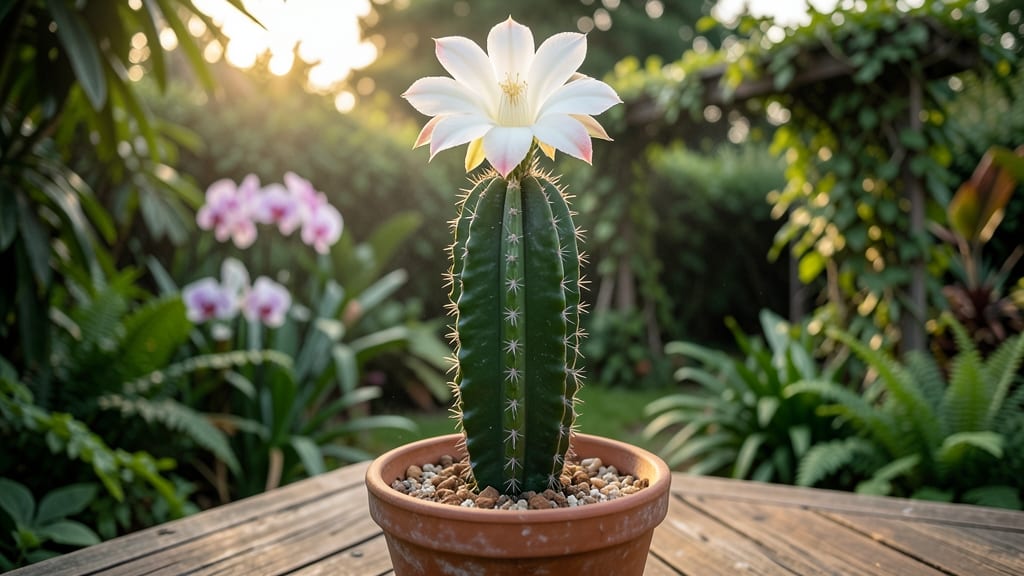
The night-blooming cereus plant unfurls its stunning, moonlit blooms just after sunset—like nature’s own fireworks display, and I’ve grown these epiphytic cacti for years, with the secret to their dramatic show lying in mimicking their tropical jungle home. 🌙 roots: bright indirect light, minimal water, and a little patience for those first glorious blooms.
These plants thrive in well-draining cactus mix with a chunky texture—think perlite and orchid bark—to prevent rot. They crave morning sun and afternoon shade, mimicking their native canopy life. Water only when the soil is bone-dry, and never let them sit in soggy soil.
Prune leggy stems after flowering to encourage bushier growth, but save those cuttings—they root easily in water.
What makes them magical? Their fragrant, 10-inch-wide blooms last just one night, but they return reliably with proper care. The key is consistency: feed lightly in spring/summer, keep temps above 50°F, and watch for nocturnal moths—their natural pollinators.
Even beginners can coax these beauties into bloom with the right balance of light, water, and a little nighttime patience.
Perfect for patios, greenhouses, or sunny windowsills—they’re low-maintenance but high-reward. Once established, they’ll reward you with years of moonlit drama and sweet, edible fruit. Here’s how to set yours up for success!
📚 In This Guide
- What you need
- Instructions
- Tips and common mistakes
- Wrapping up and next steps
What you need
- ● Night-blooming cereus plant: 1 healthy, mature plant (look for Hylocereus or Selenicereus varieties like Hylocereus undatus for classic pink blooms).
- ● Well-draining potting mix: 1 bag (1–2 gallons) of cactus/succulent soil (or mix 60% inorganic grit/sand with 40% organic matter).
- ● Pot with drainage holes: 1 container (10–14 inches in diameter) with 3+ drainage holes (terracotta or ceramic preferred).
- ○ Gloves: 1 pair (optional but recommended—these plants have tiny spines!).
- ● Watering can with a narrow spout: 1 (to avoid overwatering).
- ● Slow-release fertilizer: 1 packet (formulated for cacti/succulents, like 5-10-5 NPK ratio).
- ● Grow lights: 1–2 LED full-spectrum bulbs (for indoor setups, 12–14 hours/day).
- ● Humidity tray: 1 (to mimic tropical conditions if your home is dry).
- ● Support stake or trellis: 1 (if your variety grows vine-like).
- ● Pruning shears: 1 pair (sterilized, for trimming dead segments).
Step-by-Step guide to cultivating a thriving night blooming cereus
Here's how to coax those dramatic, moonlit blooms from your desert beauty.
🪴 Step 1: Select the Perfect Container and Soil Mix
Night blooming cereus thrives in well-draining containers with drainage holes—terracotta pots excel at preventing root rot. I use 6-8 inch pots for mature plants, but a 4-inch container works for young specimens. The soil must mimic its arid habitat: blend 50% cactus/succulent mix with 30% perlite and 20% coarse sand for that perfect airy texture.
Fill the pot to 1 inch below the rim and press lightly to create a stable base. The goal is a mix so loose that water drains within 15-20 minutes—any longer and you risk fungal issues. Tap the pot gently to eliminate air pockets without compacting the soil.
☀️ Step 2: Position for Optimal Light and Temperature
These plants demand bright, indirect light—think east or west-facing windows where temperatures stay between 70-85°F during the day. A south window works too, but only if you rotate the plant quarter-turn weekly to prevent lopsided growth. If natural light falls short, supplement with a full-spectrum LED grow light positioned 12-18 inches away for 12-14 hours daily.
Night blooming cereus enters dormancy in winter when temperatures drop below 50°F. At this stage, move the plant to a cool, dark location (like a basement) and reduce watering to once every 4-6 weeks. This 8-10 week dormancy period is critical—skipping it weakens the plant and prevents blooming.
💧 Step 3: Master the Watering Schedule for Peak Health
Water only when the top 2-3 inches of soil feel completely dry—stick your finger in to check. During active growth (spring through fall), water deeply until it drains from the bottom, then empty the saucer to prevent soggy roots. Overwatering is the #1 killer—yellowing leaves or mushy stems signal you've gone too far.
In late summer, begin tapering water as the plant prepares for dormancy. By September, you should be watering only when the soil is bone-dry to 3-4 inches deep. This gradual reduction mimics natural rainfall patterns and primes the plant for its spectacular bloom cycle.
⏰ Step 4: Trigger Blooming with Light and Temperature Cues
To encourage blooms, expose the plant to 12 hours of darkness in late summer—this mimics the shortening days that trigger flowering. Place it in a dark closet or covered area during nighttime hours. After 4-6 weeks of this treatment, move it back to bright light and maintain 60-70°F nights for 2-3 weeks. This temperature drop is the final cue for bud formation.
Once buds appear (they look like tiny green nubs), do not move the plant. Even a slight shift can cause buds to drop. Keep the environment humidity-free—mist can rot delicate buds. With patience, you'll see 6-8 inch wide blooms open only at night, lasting 24-48 hours each.
✂️ Step 5: Prune and Repot for Long-Term Success
After blooming, trim dead stems at the base with sterilized pruners, leaving 1/4 inch above the soil line. Never cut healthy stems—this removes potential growth points. In early spring, repot only if roots circle the container (a sign of root-bound stress). Use the same soil mix but increase pot size by only 1-2 inches—too much space encourages weak growth.
Fertilize lightly in spring with a balanced 10-10-10 formula diluted to half-strength. Apply only every 6-8 weeks—these plants prefer lean soil. The key is consistency: maintain light, water, and temperature cues year after year, and your cereus will reward you with reliable nighttime displays for decades.
Tips & tricks for perfect night blooming cereus care
These simple adjustments will help you coax spectacular blooms from your desert beauty.
Soil Drainage is Non-Negotiable: The 15-20 minute drainage window in Step 1 is your best defense against root rot. I've seen beginners use regular potting soil and end up with mushy stems—don't make that mistake! If your soil doesn't drain completely within 20 minutes, add more perlite or coarse sand. Test it by pouring water in a separate container first to confirm the right texture.
Light Rotation Prevents Lopsided Growth: That quarter-turn weekly rotation in Step 2 isn't just optional—it's essential for balanced growth. I've had plants develop dramatic leans toward the window after skipping this step. Use a gentle reminder system like setting a monthly calendar alert or placing a small sticker on your window frame to track rotations. The goal is even exposure to prevent weak, elongated stems that won't support blooms.
Dormancy is the Secret Weapon: That 8-10 week dormancy period in Step 2 is where the magic happens. I've had plants that bloomed reliably after their first proper dormancy cycle. During this time, check soil moisture monthly—if it's still damp from previous watering, you're watering too frequently. The plant needs this dry period to build energy for next year's spectacular display. Think of it as nature's way of forcing the plant to focus its resources.
Bud Formation is Delicate: Once those tiny green nubs appear in Step 4, treat your plant like it's made of glass. I've seen buds drop after someone accidentally bumped the plant while rearranging furniture. Keep it in a stable location with no drafts, and avoid opening windows nearby. The blooms will only last 24-48 hours anyway—don't risk losing them before they even open!
Pro Tips for Night Blooming Cereus Plant
- These simple adjustments will help you coax spectacular blooms from your desert beauty.
- Soil Drainage is Non-Negotiable: The 15-20 minute drainage window in Step 1 is your best defense against root rot.
- Light Rotation Prevents Lopsided Growth: That quarter-turn weekly rotation in Step 2 isn't just optional—it's essential for balanced growth.
Frequently asked questions
Got questions about your night-blooming cereus? You’re not alone! Here are answers to the most common curiosities—from timing tricks to troubleshooting tips.
Why does my night-blooming cereus only open at night?
The night-blooming cereus (like Selenicereus or Epiphyllum species) is naturally nocturnal! Its flowers rely on moonlight and cooler nighttime temperatures to trigger blooming. If yours opens during the day, it might be stressed—try moving it to a dimmer spot or adjusting its light exposure gradually.
How long do the flowers last, and can I make them bloom longer?
Night-blooming cereus flowers typically last 1–2 days (sometimes up to 3). To extend their life, keep them in a cool (60–70°F), humid environment and avoid direct sunlight. Once the flower wilts, the stem will eventually produce a new bud—patience pays off!
What should I do if my night-blooming cereus isn’t blooming?
No blooms? Check these fixes:
- Light: Needs 12–14 hours of darkness daily (use blackout curtains if indoors).
- Temperature: Mimic seasonal changes—cool nights (55–65°F) in spring/fall trigger blooming.
- Fertilizer: Use a low-phosphorus bloom booster in early summer.
- Age: Young plants may take 2–5 years to bloom.
Can I grow a night-blooming cereus indoors, and what’s the best light setup?
Place it near a bright, east- or west-facing window for natural light. For indoor growers, a full-spectrum LED grow light (12–14 hours/day) works well. Avoid harsh overhead lights—these plants prefer indirect, gentle illumination.
What’s a good alternative if I want a low-maintenance night-blooming plant?
If the cereus seems tricky, try these easy-care alternatives with similar nighttime charm:
- Moonflower (Ipomoea alba) – Fast-growing, fragrant, and blooms in one season.
- Queen of the Night (Selenicereus grandiflorus) – A hardier cereus cousin with dramatic white blooms.
- Evening Primrose (Oenothera spp.) – Bright yellow flowers that open at dusk.
Pro Tip:
Want to encourage repeat blooming? After the flower fades, snip the stem 1–2 inches below the bloom to redirect energy into new growth. Prune in late winter for a fresh start!
Wrapping up and next steps
The night blooming cereus is a mesmerizing addition to any plant lover’s collection, offering stunning, fragrant blooms that light up your evenings like nature’s own lantern. 🌙 With the right care—balancing light, water, and patience—you’ll unlock its magical potential.
Whether you’re a seasoned gardener or a curious beginner, this plant rewards dedication with breathtaking results.
Ready to bring the moonlit magic into your home? Start by gathering your supplies, then give your cereus the love it deserves. Next up: Plant it, nurture it, and soon, you’ll be the envy of every plant enthusiast with those unforgettable nighttime blooms!