
Blooming
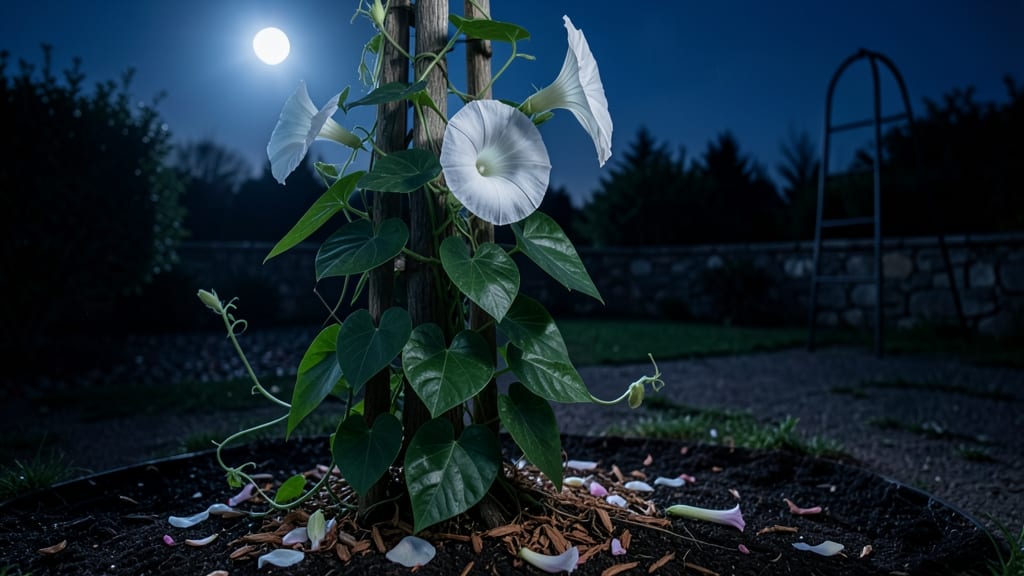
Your garden can glow under the moonlight with these ethereal flowers that bloom in moonlight—moonflower (Ipomoea alba) and night-blooming jasmine (Cestrum nocturnum)—turning evenings into fragrant, luminous dreams. ✨ These plants thrive in partial shade and release their intoxicating scents when the sun sets.
Moonflower's silvery-white trumpets unfurl at dusk, while jasmine's star-shaped flowers perfume the air with a sweet, heady aroma. Their care is simple: well-draining soil, consistent moisture, and protection from harsh winds. Imagine strolling through a garden where fireflies dance among velvety petals, their fragrance guiding you home.
These blooms attract moths and other nocturnal pollinators, creating a living ecosystem that feels like a fairy tale. Perfect for patios, pathways, or moon gardens. For best results, plant them where their evening glow can be enjoyed from seating areas or walkways.
Prune spent blooms to encourage continuous flowering, and watch your garden come alive after dark.
📚 In This Guide
- What you need
- Instructions
- Tips and common mistakes
- Wrapping up and next steps
What you need
- ● Moonlight-loving flowers: 10–20 Moonflower (Ipomoea alba) vines (fast-growing, climbs 10–15 ft)
- ● 5–10 Evening Primrose (Oenothera biennis) plants (self-seeding, 2–3 ft tall)
- ● 3–5 Night-Blooming Cereus (Hylocereus undatus) cacti (indoor/outdoor, 6–10 ft tall)
- ● 1–2 Queen of the Night (Selenicereus grandiflorus) vines (fragrant, 10+ ft)
- ● Soil & Containers: Well-draining potting mix (5–10 gallons, depending on container size)
- ● 3–5 large containers (15+ gallons each) or in-ground garden beds (if planting outdoors)
- ● Perlite or sand (1–2 cups per container for drainage)
- ● Support Structures: Trellises or stakes (6–10 ft tall, for vining plants like moonflower)
- ● Cactus/succulent pots with drainage holes (if growing cereus indoors)
- ● Watering Tools: Watering can with a fine rose (for gentle hydration)
- ○ Drip irrigation kit (optional, for automated care)
- ● Garden Tools: Trowel or small shovel
- ● Gloves (to protect hands from thorns, like cereus)
- ● Pruning shears (for trimming spent blooms)
- ○ Lighting (Optional but Magical!):strong> Solar-powered LED string lights (for ambient glow)
- ● Moonlight-reflective mulch (e.g., white gravel or pebbles)
- ● Knowledge Prerequisites: Basic understanding of your USDA Hardiness Zone (most moonlight flowers thrive in Zones 8–11)
- ● Awareness of local frost dates (some plants are frost-sensitive!)
- ● Fragrant herbs like Lemongrass or Lavender (plant near moonlight flowers for a sensory experience)
- ● Wind chimes or soft outdoor speakers (to enhance the nocturnal ambiance)
- ● A small notebook to track bloom cycles and adjust care
How to design a moonlit flower garden
Here’s how to create a garden that glows under moonlight—no artificial lights needed.
🌿 Step 1: Select Nocturnal and Moonlight-Loving Flowers
Choose flowers that naturally reflect light or bloom at night. Moonflower (Ipomoea alba) unfurls its pale, luminous petals after sunset, while Angel’s Trumpet (Brugmansia) emits a sweet fragrance that wafts in the evening breeze. Other standouts include Evening Primrose (Oenothera biennis), which opens its golden blooms at dusk, and Night-Blooming Jasmine (Cestrum nocturnum), whose white flowers glow softly in the dark.
For maximum impact, mix these with highly reflective foliage like Dusty Miller (Jacobaea maritima) or variegated hostas. These plants scatter moonlight, creating a shimmering effect. I always plant moonflowers on trellises—when they climb, their vines act like glowing lanterns after dark. Avoid heavily scented daytime flowers; their fragrance fades at night and won’t contribute to the moonlit ambiance.
☀️ Step 2: Position for Optimal Moonlight Exposure
Face your garden toward the south or southwest to capture the brightest moonlight. A full moon provides the most dramatic glow, so prioritize open spaces where moonlight can spill across petals. I’ve found that elevated beds or raised planters work best—they prevent foliage from blocking the light and keep flowers above dew levels, reducing mildew.
Plant taller varieties like Angel’s Trumpet at the north end of the bed so they don’t shade shorter bloomers. If your garden has obstructions (like trees or walls), place reflective surfaces—like smooth river stones or polished metal planters—near key spots to bounce light onto flowers. Test your layout on a clear moonlit night before finalizing; you’ll quickly see where shadows fall.
💧 Step 3: Adjust Watering for Evening Bloomers
Most moonlight flowers thrive in well-draining soil but need consistent moisture to support their energy-intensive nighttime blooms. Water deeply in the late afternoon (by 4 PM) so roots absorb hydration before evening. Overwatering at night invites fungal diseases like powdery mildew, which thrives in damp, cool conditions—exactly when these flowers are most vulnerable.
I use drip irrigation on timers set to pause by 6 PM to avoid wetting foliage after dark. For container gardens, group plants with similar water needs (e.g., moonflowers and jasmine together) and check soil moisture with your finger—top 2 inches should feel dry before watering again. Mulch with 2-3 inches of organic mulch (like shredded bark) to retain moisture while keeping roots cool.
✂️ Step 4: Prune for Continuous Nighttime Display
Deadhead spent blooms within 24 hours of wilting to encourage new flowers—especially for repeat bloomers like Night-Blooming Jasmine. Use clean, sharp pruners and cut just above a leaf node to promote bushier growth. For vining plants like moonflowers, prune leggy stems in early summer to redirect energy into more blooms rather than excessive foliage.
Here’s the thing—many moonlight flowers are sensitive to harsh pruning. I avoid heavy cuts after mid-July, as late-season growth won’t have time to harden off before cooler nights. Instead, focus on light shaping to maintain an open structure that lets moonlight penetrate to the center of the plant. A little strategic trimming goes a long way in keeping your garden glowing.
🪴 Step 5: Enhance with Reflective and Fragrant Accents
Add glossy-leaved plants like hostas or ferns to amplify the moon’s reflection. Their waxy surfaces act like tiny mirrors, scattering light onto nearby blooms. I also interplant fragrant herbs like lemon balm or lavender—while they’re not night bloomers, their scent carries beautifully in the evening air, creating a multisensory experience.
For extra magic, incorporate solar-powered LED string lights (set to turn on at dusk) along pathways or trellises. These won’t replace the natural glow but add depth to the scene. Place them 12-18 inches above flowers so they don’t cast harsh shadows. The goal is to enhance, not overpower—the moonlight should remain the star. Test your setup during a new moon to ensure the flowers still shine without artificial help.
Tips & tricks for perfect moonlit flower gardens
Creating a garden that truly glows under moonlight requires a few strategic moves—here's how to elevate your design beyond basic planting.
Moonlight Exposure Strategy: The south or southwest orientation mentioned in Step 2 is crucial, but don't stop there. I've found that positioning your garden slightly uphill (even just a gentle slope) creates a natural amphitheater effect that captures moonlight from multiple angles. For urban gardens with limited space, consider using reflective surfaces like polished concrete planters or mirrored tiles at the north edge to redirect moonlight toward your blooms.
Pruning Precision: When deadheading within 24 hours of wilting (Step 4), focus on removing only the spent flowers—not the entire stem. Leave the lower leaves intact to protect the plant's energy reserves. For moonflowers specifically, I've noticed that cutting back just above the first set of true leaves after the initial bloom encourages a second flush of flowers that often opens even brighter at night. This light shaping technique maintains that open structure essential for moonlight penetration.
Watering Timing: The late afternoon watering by 4 PM (Step 3) is perfect, but here's what nobody tells you—adjust your watering schedule based on your local moon phases. During a full moon, plants absorb more moisture, so you might need to water slightly earlier (by 3:30 PM) to prevent overnight saturation. For new moon phases, water by 4:30 PM to give roots time to dry slightly before evening. Always check soil moisture by feeling the top 2 inches—it should be dry enough to crumble but not bone-dry.
Seasonal Plant Rotation: While the instructions focus on core plants, consider rotating seasonal additions to extend your moonlight display. In early spring, add Lunaria annua (money plant) for its silvery foliage that reflects light beautifully. In late summer, incorporate Four O'Clock flowers (Mirabilis jalapa) which open their trumpet-shaped blooms precisely at dusk. These additions complement your core plants without requiring major layout changes.
Pro Tips for Flowers That Bloom In Moonlight
- Creating a garden that truly glows under moonlight requires a few strategic moves—here's how to elevate your design beyond basic planting.
- Moonlight Exposure Strategy: The south or southwest orientation mentioned in Step 2 is crucial, but don't stop there.
- Pruning Precision: When deadheading within 24 hours of wilting (Step 4), focus on removing only the spent flowers—not the entire stem.
Frequently asked questions
Got questions about moonlight-blooming flowers? You’re not alone!
Here are answers to some of the most common queries to help you create your own magical night garden.
Which flowers actually bloom at night?
While no flowers bloom exclusively under moonlight, some stunning varieties open their petals at dusk or dawn to attract nocturnal pollinators. Top picks include Moonflower (Ipomoea alba), Night-Blooming Jasmine (Cestrum nocturnum), and Evening Primrose (Oenothera biennis). These beauties thrive in low-light conditions and release intoxicating scents after sunset!
Do I need special lighting for these flowers?
Not necessarily! Most moonlight-loving flowers rely on natural light cycles, but if you’re growing them indoors or in shaded areas, a low-intensity grow light (12 hours on, 12 off) can mimic dusk/dawn transitions. Avoid bright lights—these flowers prefer soft, ambient glow. For outdoor gardens, place them where moonlight naturally filters through trees or near reflective surfaces like water features.
Can I grow these flowers in pots?
Many night-blooming flowers, like Moonflower (a vine) or Night-Scented Stock (Matthiola longipetala), thrive in containers. Use well-draining soil and pots with drainage holes. For climbing varieties, add a trellis or obelisk. Just ensure pots are large enough (at least 12 inches deep) and place them where they’ll catch evening breezes—this enhances fragrance!
Why aren’t my flowers blooming at night?
Troubleshooting tip: Check these common issues:
- Light exposure: Some flowers need 6+ hours of indirect light before dusk to trigger night blooms.
- Pollinators: Without moths or bats, some flowers may skip nighttime displays.
- Temperature: Cool evenings (60–75°F) encourage blooming—heatwaves can stall it.
- Watering: Overwatering or drought stress can delay blooms. Aim for consistent moisture.
What’s a low-maintenance alternative?
If you want easy, fragrant night blooms with minimal effort, try:
- Angel’s Trumpet (Brugmansia) – Dramatic, fragrant, and drought-tolerant once established.
- Evening Snapdragon (Mirabilis jalapa) – Thrives in poor soil and blooms in bold colors.
- Night-Blooming Cereus (Selenicereus grandiflorus) – A cactus that rewards patience with stunning white flowers.
Wrapping up and next steps
Discovering flowers that magically bloom under moonlight transforms your garden into a nocturnal wonderland! From Moonflower’s velvety petals to Night-Blooming Cereus’s dramatic splendor, these enchanting blooms prove nature’s hidden magic thrives after dark.
Whether you’re a seasoned gardener or just starting, these luminous beauties add a touch of whimsy and intrigue to any space.
Ready to bring the night to life? Start small—plant a single Moonflower vine or a Night-Blooming Jasmine in a pot to test the magic. Then, expand your garden’s glow with these moonlit stars! 🌙✨