
Blooming
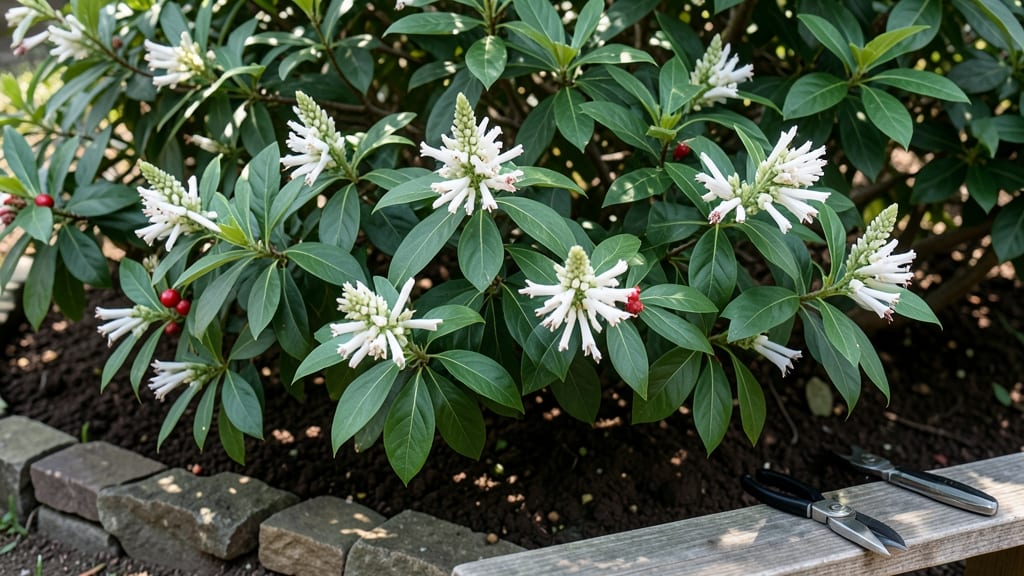
Mastering night blooming jasmine care ensures your garden becomes a moonlit perfume factory—just balance light, pruning, and patience to unlock its full, fragrant potential. leggy growth.
This tropical beauty thrives in full sun to partial shade, well-draining soil, and humid conditions—think coastal climates or sheltered spots. Water deeply but let the top inch dry between sessions, and fertilize lightly in spring to encourage those signature white, trumpet-shaped flowers that open only after dark.
With the right care, you’ll wake up to lush foliage and drift off to sleep surrounded by its sweet, jasmine-like fragrance for years. The key is patience: it takes about 2-3 years for established plants to hit peak blooming, but once they do, they’re nearly maintenance-free.
Even in cooler climates, you can grow it in containers and bring it indoors before frost. The trade-off? Less blooming, but the fragrance is worth the effort. Let’s get those midnight blooms happening!
📚 In This Guide
- What you need
- Instructions
- Tips and common mistakes
- Wrapping up and next steps
What you need
- ● Night-blooming jasmine plant: Start with a healthy 1-2 gallon potted plant or a young cutting from a trusted nursery. Avoid wild-harvested plants—they may carry pests or diseases!
- ● Well-draining potting mix: A blend of 60% peat moss or coconut coir, 30% perlite or pumice, and 10% compost (3-5 gallons, depending on pot size).
- ● Containers: Pots: 5-7 gallon containers with drainage holes (terracotta or fabric pots preferred).
- ○ Garden bed (optional): If planting outdoors, choose a spot with loose, sandy soil and full sun exposure.
- ● Fertilizer: A balanced, slow-release granular fertilizer (10-10-10 or 14-14-14) or a liquid bloom booster (like 5-10-10) for monthly feeding.
- ● Pruning shears: Sharp, sterilized shears (or small bypass pruners) for shaping and maintenance.
- ● Mulch: Organic mulch (like shredded bark or pine straw) to retain moisture and regulate soil temperature.
- ● Watering can or hose: With a gentle spray nozzle for hydration without disturbing roots.
- ○ Support stake (optional): A 4-6 ft bamboo stake or trellis if training the plant vertically.
- ● Soil moisture meter: To monitor water levels and avoid over/under-watering.
- ● Neem oil or insecticidal soap: For pest prevention (especially aphids or spider mites).
- ● Grow lights (indoor growers): LED full-spectrum lights for 12+ hours/day if natural light is limited.
- ● Slow-release fertilizer spikes: For hassle-free nutrient delivery.
- ● Gloves: To protect your hands during pruning or handling thorny stems.
Step-by-step guide to cultivating thriving night blooming jasmine
Here’s how to coax those intoxicating nighttime blooms back every season with minimal fuss.
Select the Right Location for Optimal Growth
Night blooming jasmine (Cestrum nocturnum) thrives in full sun to partial shade, with at least 6 hours of direct sunlight daily. In hot climates, afternoon shade prevents leaf scorch, but morning sun is non-negotiable for robust blooming. I always plant mine against a south-facing wall or fence, where it gets reflected warmth and shelter from harsh afternoon winds.
Check your site’s drainage first—jasmine despises soggy roots. If your soil stays wet for more than 24 hours after rain, amend with 2-3 inches of organic compost or plant in a raised bed. The roots should feel slightly damp but never waterlogged when you squeeze a handful of soil. Mulch with 2 inches of bark or wood chips to retain moisture and regulate soil temperature.
Plant at the Correct Depth and Spacing
Dig a hole twice as wide as the root ball but no deeper—jasmine roots are shallow and resent being buried too deeply. Gently loosen the roots if they’re circling the pot, then place the plant so the top of the root ball sits level with the surrounding soil. Backfill with native soil mixed with 1 cup of slow-release fertilizer (10-10-10 ratio) to encourage early root establishment.
Space plants 6-8 feet apart for mature size, as jasmine grows into a 6-10 foot tall, 5-8 foot wide shrub. If you’re training it as a small tree, prune the central leader early to encourage a single trunk. Water deeply right after planting to settle the soil, then let it dry slightly before watering again—this prevents root rot and encourages deeper root growth.
Water Deeply and Consistently During Establishment
For the first 6-8 weeks, water your jasmine 2-3 times per week, delivering 1-1.5 gallons per plant each time. The goal is to moisten the soil 12 inches deep—stick a screwdriver into the soil; if it slides in easily, you’ve hit the right depth. Reduce watering once new growth appears, as mature plants tolerate drought-like conditions once established.
Here’s the thing—jasmine’s fragrant blooms signal it’s happy. If you see fewer than 5-6 flowers per stem by late summer, it’s likely thirsty or nutrient-deficient. I fertilize lightly every 6-8 weeks with a balanced, water-soluble fertilizer during the growing season (spring through early fall), but never after mid-summer—this encourages late-season growth that won’t harden off before frost.
Prune Strategically to Encourage Floral Abundance
Prune jasmine immediately after flowering (late spring to early summer) to shape the plant and promote next year’s blooms. Remove dead, crossing, or weak branches first, then cut back overgrown stems by one-third to encourage bushier growth. Always prune just above a leaf node or outward-facing bud—this ensures new growth fills in gaps rather than growing inward.
If your jasmine grows leggy or sparse, it’s likely not getting enough light. Trim back the longest stems by half to redirect energy into denser foliage. Avoid heavy pruning in fall or winter, as the plant needs its energy to prepare for dormancy. A lightly pruned jasmine will reward you with more abundant, fragrant blooms the following season.
Protect and Prepare for Winter Dormancy
Night blooming jasmine is hardy to USDA zones 9-11, but in colder climates, it dies back to the ground. Mulch heavily with 4-6 inches of straw or leaves in late fall to insulate the roots. If temperatures drop below 20°F, cover the plant with burlap or frost cloth to prevent freeze damage. Prune back any dead growth in early spring once new shoots emerge—this signals the plant to focus energy on new growth rather than repairing damage.
Real talk: If your jasmine doesn’t bloom the first year, don’t panic. It often takes 12-18 months to establish enough energy for heavy flowering. Patience pays off—once mature, a single plant can produce hundreds of fragrant blooms night after night, filling your garden with intoxicating perfume. The key is consistency: sun, water, and light pruning are all it takes to keep this tropical beauty thriving.
Tips & tricks for perfect night blooming jasmine cultivation
These practical strategies will help you transform your jasmine into a fragrant nighttime powerhouse with minimal effort.
Lighting Strategy: The 6 hours of direct sunlight requirement is non-negotiable for blooming, but timing matters just as much. Position your jasmine to receive morning sun (6am-12pm) and afternoon shade if temperatures exceed 90°F. I've found that plants near south-facing walls get the perfect balance—morning warmth kickstarts growth while afternoon shade prevents leaf scorch. For container growers, rotate pots weekly to ensure even light exposure on all sides.
Soil Preparation Insight: When amending soil with 2-3 inches of organic compost, focus on improving drainage rather than adding fertility. Jasmine roots prefer slightly acidic soil (pH 6.0-7.0). Test your soil before planting—if it's heavy clay, mix in perlite or coarse sand to create that ideal 12-inch deep moisture zone. The screwdriver test works perfectly for verifying proper moisture penetration without overwatering.
Pruning Precision: The one-third stem reduction after flowering isn't just about shaping—it's about redirecting energy. Cut just above an outward-facing bud to encourage new growth that fills gaps rather than growing inward. I always prune on a dry day to minimize disease risk. For established plants, you can do a second light pruning in early spring to remove any dead wood before new growth begins.
Winter Protection: The 20°F threshold is critical for cold protection. If you're in zone 8 or cooler, consider wrapping the entire plant (including the pot if container-grown) in burlap and covering with a thick layer of straw. I've had success using old Christmas lights wrapped around the plant to provide gentle warmth during hard freezes. This extra layer can make the difference between a plant that recovers and one that struggles the following season.
Pro Tips for Night Blooming Jasmine Care
- These practical strategies will help you transform your jasmine into a fragrant nighttime powerhouse with minimal effort.
- Lighting Strategy: The 6 hours of direct sunlight requirement is non-negotiable for blooming, but timing matters just as much.
- Soil Preparation Insight: When amending soil with 2-3 inches of organic compost, focus on improving drainage rather than adding fertility.
Frequently asked questions
How often should I water my night blooming jasmine?
Water deeply once a week (or when the top 2 inches of soil feel dry). Overwatering is the #1 killer—these plants hate soggy roots! Mulch around the base to retain moisture and prevent evaporation. If your plant is in a pot, check soil moisture more frequently, as containers dry out faster.
When is the best time to prune night blooming jasmine?
Prune right after blooming (late spring or early summer) to encourage bushier growth and more flowers. Avoid heavy pruning in fall or winter, as it can stress the plant before dormancy. Use clean, sharp shears to trim back one-third of the plant and remove any dead or crossing branches.
Why isn’t my night blooming jasmine flowering?
Lack of blooms usually means too much shade, over-fertilizing, or improper pruning. Ensure it gets at least 6 hours of sunlight daily and use a balanced, low-nitrogen fertilizer (like 10-10-10) in early spring. If it’s been years since flowering, it might need a hard prune to stimulate new growth. Patience is key—some plants take 2-3 years to mature!
Can I grow night blooming jasmine in a container?
Choose a large pot (at least 15 gallons) with drainage holes and use well-draining soil. Opt for a fast-growing variety like ‘Grand Duke of Tuscany’ for container gardens. Move pots indoors during winter if temps drop below 20°F (-6°C), or protect them with frost cloth. Containers dry out faster, so monitor soil moisture closely.
What pests should I watch for with night blooming jasmine?
Keep an eye out for aphids, spider mites, and scale insects—they love the sweet sap! Treat infestations early with neem oil or insecticidal soap. Encourage beneficial insects like ladybugs by planting companion flowers nearby. If leaves yellow or drop suddenly, inspect the undersides for pests. Regular pruning also improves airflow, reducing pest risks.
Is night blooming jasmine toxic to pets?
Good news! Night blooming jasmine is non-toxic to cats and dogs. However, always monitor your pets—some animals may still avoid it due to its strong fragrance. If you’re unsure, check with your vet or the ASPCA for updates on toxicity.
Wrapping up and next steps
Caring for your night blooming jasmine is a rewarding journey that brings magical fragrance to your evenings. With the right balance of sunlight, water, and occasional pruning, this beauty will thrive and grace your garden with its intoxicating scent for years to come. 🌙✨
Now that you’re armed with all the tips and tricks, why not take the next step? Share your progress with fellow plant lovers online, or treat yourself to another fragrant variety to expand your collection. Happy gardening!