
Blooming
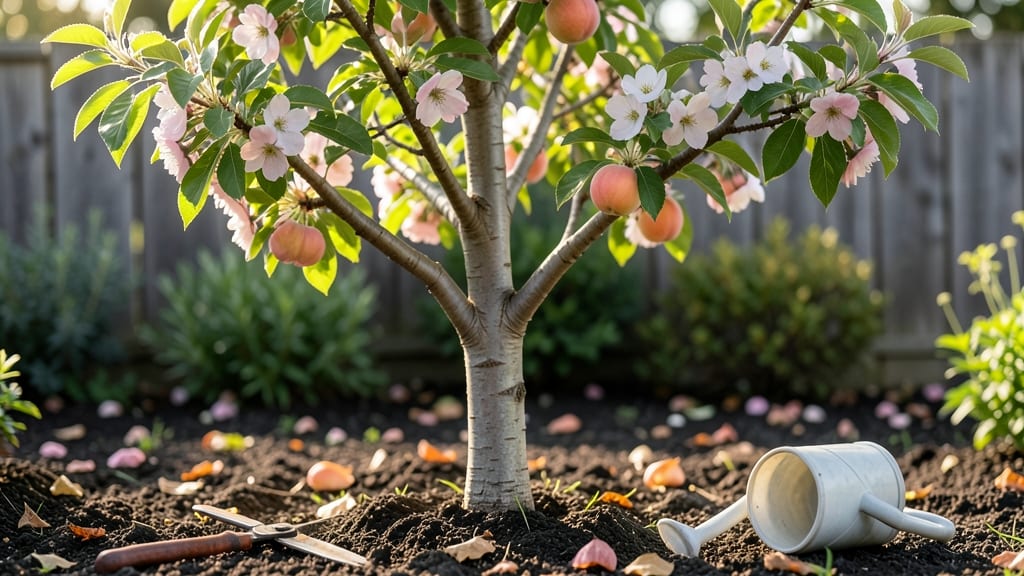
The moment your nectarine tree bloom unfurls in fragrant pink starbursts each spring, timing becomes everything—miss the window, and you risk frost damage or poor fruit set. 🌸 I’ve watched my own nectarine tree go from dormant branches to a blaze of blossoms. in just 10 days, and the secret lies in knowing when to expect those delicate blooms in your zone.
The best time to see nectarine blooms depends on your climate: in Zones 6-9, expect flowers to appear late March through early May, while warmer regions like Zone 10 may see blooms as early as February.
To prepare, prune in late winter to open the canopy for sunlight, and fertilize with high-nitrogen in early spring—this jumpstarts the energy needed for those showstopping blooms. Once the flowers arrive, watch for late frosts (below 28°F)—they can kill petals and reduce fruit.
If pollinators like bees are scarce, hand-pollinate with a soft brush in the morning. A well-timed deep watering before bloom also prevents stress, ensuring those pink starbursts turn into juicy fruit later.
For gardeners in Zone 5 or colder, consider planting a self-pollinating variety or a second tree nearby—nectarines need cross-pollination for the best harvest. And if your tree skips blooming? Check for over-fertilization (too much nitrogen = fewer flowers) or drought stress from the prior summer.
📚 In This Guide
- What you need
- Instructions
- Tips and common mistakes
- Wrapping up and next steps
What you need
- ● Nectarine tree (dwarf or standard): Choose a variety suited to your hardiness zone (e.g., Redhaven, Fantasia, or Summergrand).
- ● Well-draining soil: Mix of 60% topsoil, 30% compost, and 10% perlite/sand (for sandy or clay-heavy areas).
- ● Organic mulch: 3–4 inches of wood chips, straw, or pine bark (keep mulch 6 inches away from the trunk).
- ● Balanced fertilizer: 10-10-10 NPK ratio (apply in early spring before blooms appear).
- ● Pruning shears: Bypass pruners (sharp, clean, and sterilized with rubbing alcohol).
- ● Watering can or hose with adjustable nozzle: For deep, slow watering (1–2 gallons per tree, 2–3x/week).
- ● Garden gloves (nitrile-coated for grip).
- ● Soil pH test kit (ideal range: 6.0–7.0; amend with lime or sulfur if needed).
- ● Tree stake & ties (for young saplings in windy areas).
- ● Fruit tree spray (copper fungicide or neem oil to prevent leaf curl or brown rot).
- ○ Drip irrigation system (optional but highly recommended for drought-prone zones).
- ● Pollination helper (small paintbrush or bee-attracting plants like lavender).
Step-by-step guide to encouraging a stunning nectarine tree bloom
Watch your tree transform into a fragrant pink spectacle with these proven techniques.
🌱 Step 1: Prune for Optimal Airflow and Light Penetration
Timing matters—prune your nectarine tree in late winter or early spring, just before buds swell but before bloom. Use sharp, clean pruners to remove dead, crossing, or diseased branches first. These are your tree's energy vampires, stealing nutrients from potential blossoms. Aim to open the center of the tree so sunlight reaches all branches—nectarines need full sun (6-8 hours daily) to set fruit.
Next, cut back any branches growing inward or rubbing against others. You'll know you're doing it right when you can see light filtering through the center canopy. Thin out clusters of branches to reduce competition—leave 3-5 buds per spur on fruiting wood. This ensures each remaining bud gets maximum resources for vibrant blooms. I always step back after pruning to check for balance; a well-pruned tree looks like an open umbrella catching sunlight.
☀️ Step 2: Apply Balanced Fertilizer for Bloom Development
Feed your tree with a 10-10-10 or 8-8-8 balanced fertilizer in early spring, just as buds begin to show color. Use ½ pound per 100 square feet of tree canopy—over-fertilizing pushes leafy growth at the expense of flowers. Work the fertilizer into the top 4-6 inches of soil around the drip line, where feeder roots thrive. Water deeply after application to help nutrients penetrate the root zone.
For established trees, I split applications into two: first feeding in late winter and a second 4-6 weeks later. This two-step approach prevents nutrient burn while supporting both bloom initiation and fruit development. Avoid high-nitrogen fertilizers—they'll give you lush foliage but few flowers. Look for signs of stress like yellowing leaves; if they appear, cut back on nitrogen and increase phosphorus (the middle number) to encourage flowering.
💧 Step 3: Manage Watering for Stress-Free Blooming
Consistent moisture is critical during bloom season. Water deeply once per week during dry periods, delivering 1-1.5 inches of water to the root zone. The soil should be moist 12 inches down—check with a trowel. Overwatering causes root rot, while underwatering stresses the tree and drops blossoms prematurely. I always water in the early morning to reduce evaporation and fungal risks.
Mulch the base with 2-3 inches of organic mulch (like wood chips) to retain moisture and regulate soil temperature. Keep mulch 6 inches away from the trunk to prevent rot. During bloom, watch for signs of drought stress—wilting leaves or blossoms dropping before opening. If you see this, water immediately and apply a root booster like mycorrhizal fungi to improve water uptake. The goal is to keep the tree hydrated without soggy roots.
✂️ Step 4: Thin Early Fruit to Maximize Bloom Quality
Once blossoms fade and tiny fruits form, thin them aggressively. Leave 6-8 inches between fruits on mature trees to ensure each gets proper sunlight and nutrients. I use sharp pruning shears to snip excess fruit at the stem—never twist, which can damage the branch. This step might feel cruel, but it prevents the tree from overproducing small, poor-quality fruit while preserving energy for next year's bloom.
Thinning also improves air circulation, reducing the humidity that fuels fungal diseases like brown rot. Focus on removing small, misshapen, or damaged fruits first. You'll know you've done enough when sunlight reaches the center of the tree canopy without obstruction. After thinning, give the tree a light application of potassium (the third number in fertilizer ratios) to support fruit development and prepare for next year's bloom cycle.
🌿 Step 5: Protect Blooms from Late Frost and Pests
Nectarine trees bloom early, making them vulnerable to late frosts. Monitor weather forecasts and be ready to act. If frost is predicted, cover the tree with frost cloth or row covers at dusk, securing edges tightly. Remove covers by 10 AM to allow sunlight and airflow. I also wrap young trees with tree guards to protect bark from late-season cold snaps.
Watch for pests like aphids or mites, which suck sap and weaken blooms. Spray with neem oil or horticultural oil at the pink bud stage (when petals just show color) to prevent infestations. Avoid chemical sprays during bloom—they can harm pollinators. A healthy bloom means fewer pest problems, so prioritize soil health and proper pruning as your first line of defense. Strong trees naturally resist pests better than stressed ones.
Tips & tricks for encouraging vibrant nectarine tree blooms
Here's what nobody tells you about transforming your nectarine tree into a fragrant pink masterpiece—these details make all the difference.
Pruning Precision: When you're pruning in Step 1, focus on creating an open vase shape rather than just removing dead branches. This design allows sunlight to reach all branches evenly, which is critical for those 6-8 hours of full sun nectarines need daily. I've seen trees with dense canopies produce only on the outer branches while inner buds remain dormant. Use a string line to visualize the ideal shape before making cuts—this simple trick ensures balanced growth and maximizes bloom potential.
Fertilizer Timing Secret: The two-step feeding schedule in Step 2 works wonders, but there's a hidden detail: apply the second feeding when you see the first flush of new leaves appear, not strictly at the 4-6 week mark. This aligns nutrient delivery with the tree's natural growth cycle. For young trees (under 3 years old), reduce the fertilizer amount by half—young roots can't handle the full ½ pound per 100 square feet without risking burn. Always water thoroughly after applying to help nutrients reach those deep feeder roots.
Watering Wisdom: That 1-1.5 inches of water per week guideline is perfect, but the real trick is checking soil moisture at the right depth. Use a soil probe or trowel to check 12 inches down—this is where the critical root zone lives. I've found that clay soils often need less frequent watering (every 10-14 days) because they hold moisture better, while sandy soils may require weekly applications even in mild droughts. The key is maintaining consistent moisture without creating soggy conditions that invite root rot.
Frost Protection Pro Tip: If you're in a region with unpredictable late frosts, invest in a frost alarm that activates at 35°F—this gives you an early warning to cover your tree. The 10 AM removal time is crucial too: leaving frost cloth on past mid-morning can trap heat and actually damage blossoms. For young trees, I've had success using Christmas lights wrapped around the trunk as an emergency heat source during light frosts (below 30°F)—it creates just enough warmth to protect the bark while allowing airflow.
Pro Tips for Nectarine Tree Bloom
- Here's what nobody tells you about transforming your nectarine tree into a fragrant pink masterpiece—these details make all the difference.
- Pruning Precision: When you're pruning in Step 1, focus on creating an open vase shape rather than just removing dead branches.
- Fertilizer Timing Secret: The two-step feeding schedule in Step 2 works wonders, but there's a hidden detail: apply the second feeding when you see the first flush of new leaves appear, not strictly at the 4-6 week mark.
Frequently asked questions
Got questions about your nectarine tree’s stunning bloom? You’re not alone!
Here are answers to the most common queries—from timing to troubleshooting—so you can enjoy those fragrant pink starbursts like a pro.
When do nectarine trees typically bloom?
Nectarine trees bloom in early to mid-spring, usually between late March and May, depending on your climate zone. Warmer regions (like California) may see blooms as early as February, while cooler areas (like the Midwest) might delay until April. Chill hours (300–700) are key—too few can stunt blooms!
Why aren’t my nectarine tree’s flowers attracting bees?
If bees skip your blooms, check these fixes:
- Timing: Bees thrive in 60°F+ temps—wait for warmer days.
- Pesticides: Avoid sprays during bloom (neonicotinoids are especially harmful).
- Location: Plant near other pollinator-friendly flowers (e.g., lavender, dandelions).
- Health: Weak or sparse blooms may lack nectar—fertilize lightly with low-nitrogen options.
What should I do if frost hits after the nectarine tree blooms?
Frost after bloom can ruin your crop, but act fast:
- Cover young trees with frost cloth or blankets (secured loosely).
- Run a hose over branches to create steam (mild frost only).
- Avoid wind machines—they spread cold air!
- Check 3–5 days later for damaged fruit (it’ll turn brown).
Can I grow nectarines from seed, or do I need to buy a grafted tree?
While possible, growing from seed is a gamble:
- Grafted trees: Guaranteed variety, faster fruit (2–4 years), and disease resistance. Best choice!
- Seed-grown: Takes 5–10 years to bear fruit, and traits (size, flavor, cold hardiness) may vary wildly.
How do I know if my nectarine tree is healthy enough to bloom well?
A healthy blooming tree checks these boxes:
- Leaves: Vibrant green, no yellowing or spots (fungus alert!).
- Branches: Flexible, not brittle (sign of canker disease or overwatering).
- Soil: Well-draining (test with the squeeze test—clump should crumble).
- Age: Trees 3+ years old bloom best; younger ones may need patience.
Wrapping up and next steps
Watching your nectarine tree bloom is like witnessing nature’s own pink masterpiece—fragrant, vibrant, and full of promise! 🌸 With the right care, your tree will reward you with stunning blossoms and delicious fruit, even in the heat.
Now that you’re armed with the how-tos and answers to common questions, it’s time to roll up your sleeves and give your tree the love it deserves.
Ready to see those pink starbursts transform into luscious nectarines? Start by monitoring your tree’s progress—prune, water, and protect it like the star it is. Before you know it, you’ll be harvesting sweet rewards straight from your backyard! 🍑✨