
Blooming
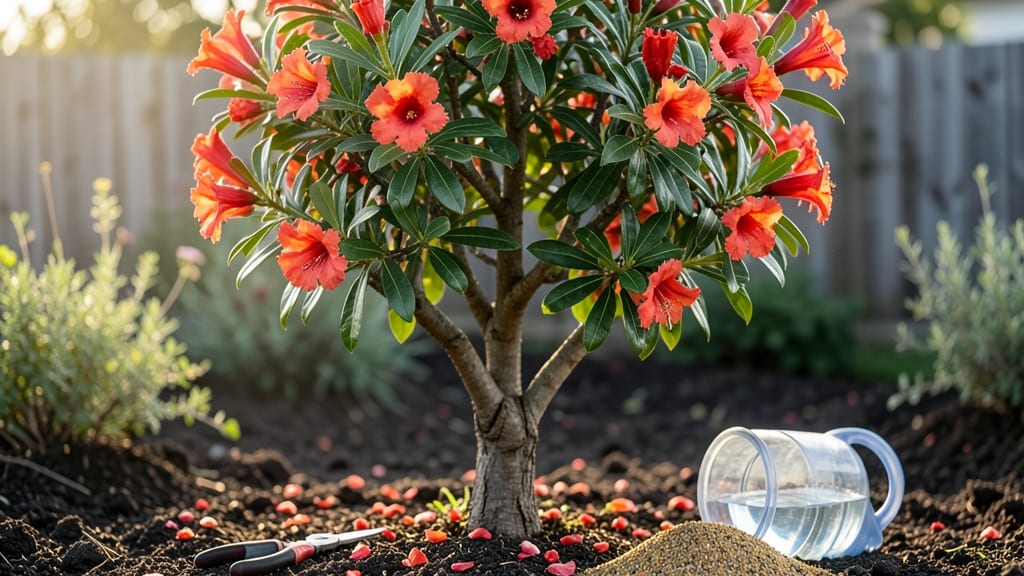
Your pomegranate tree bloom season starts with a single, bold choice: plant it where it thrives. 🌿 These striking trees reward patience with vibrant red blooms that reappear year after year, even in frost-resistant zones—though they do need a little help in cooler climates.
I’ve watched mine burst into flower twice in a single season, and the secret isn’t magic, but timing and care. Sunlight is non-negotiable: 6+ hours of direct sun daily is the minimum, but more means more blooms.
Prune in late winter to shape the tree and encourage new growth—just avoid cutting into old wood, or you’ll sacrifice next year’s flowers. In colder areas, container growing lets you move the tree indoors before frost, protecting it while still giving it enough light to bloom.
The payoff? Clusters of cup-shaped red flowers that attract hummingbirds and transition into jewel-toned fruit. Even if blooms are sparse, don’t panic—pomegranates are forgiving. With the right care, you’ll go from bare branches to a showstopping display by midsummer, and repeat the cycle every year.
Here’s the thing about pomegranate blooms: they’re seasonal but not seasonal-dependent. In warm climates (zones 7-11), they flower spring and fall naturally. In cooler zones, a little extra warmth—like a sunny patio or greenhouse—triggers reblooming.
The key is consistency: water deeply but infrequently, fertilize lightly in spring, and never let the soil dry out completely during bloom season.
Troubleshooting sparse blooms? Check your pruning—too much aggressive cutting delays flowering. Or it might be a nutrient issue: a balanced fertilizer in early spring jumpstarts growth. And if your tree is young, patience is key—it can take 2-3 years before the first big bloom show.
But once it starts, you’ll understand why gardeners fall in love with these drought-tolerant, low-maintenance beauties.
📚 In This Guide
- What you need
- Instructions
- Tips and common mistakes
- Wrapping up and next steps
What you need
- ● Pomegranate plant: 1 Punica granatum sapling (dwarf varieties like ‘Wonderful’ or ‘Eversweet’ for smaller spaces)
- ● OR seeds from a fresh pomegranate (germination can take 4–6 weeks!)
- ● Well-draining soil: Mix 60% native soil + 30% compost + 10% perlite/sand (pH 6.0–7.0).
- ● Sunlight: Full sun (6+ hours daily) for optimal blooms.
- ● Water: 1–2 gallons per week (adjust for drought/climate).
- ● Fertilizer: Balanced 10-10-10 fertilizer (1 tbsp per foot of tree height, applied spring/fall).
- ○ Optional: Citrus-specific fertilizer for extra blooms!
- ● Planting tools: Trowel or shovel
- ● Garden gloves (to protect from thorns!)
- ● Pruners: Bypass pruners (sharp, sterilized) for shaping.
- ● Mulch: 2–3 inches of organic mulch (straw or wood chips) to retain moisture.
- ● Frost protection (zones Burlap wraps or frost cloth
- ● String lights (to warm roots slightly in cold snaps)
- ● Pest control: Neem oil (for aphids/mealybugs) or insecticidal soap.
How to encourage reliable pomegranate tree bloom year after year
Here’s the method I use to coax vibrant blooms from my frost-tolerant pomegranates—no fancy tricks, just smart care.
☀️ Step 1: Position for Maximum Sun and Winter Survival
Pomegranates thrive in full sun—at least 6-8 hours daily—but they’re also surprisingly cold-hardy. Choose a spot with south or southwest exposure where they’ll get winter sun protection from north winds. I’ve seen them bloom beautifully in USDA zones 7-11, even after light frosts.
Watch for leaf scorch in summer heat—if edges crisp, provide afternoon shade during peak 90°F+ days. The key is balancing sun exposure with winter protection; mulch heavily in colder zones to insulate roots. You’ll know you’ve got it right when new shoots emerge within 2-3 weeks of spring thaw.
💧 Step 2: Water Strategically to Promote Flower Bud Formation
Deep, infrequent watering is critical—pomegranates hate soggy roots but need consistent moisture during bloom season. Water 1-2 times weekly until top 12 inches of soil feel dry, then soak thoroughly. I use a 5-gallon watering can to saturate the root zone without surface puddling.
Stop watering entirely 4-6 weeks before expected first frost to harden off the tree. This dormancy period is when flower buds form. You’ll see tiny pink buds appear in late winter—these are your future blooms. If you overwater now, you’ll flush out those buds before they can set fruit.
✂️ Step 3: Prune for Airflow and Flower Stimulation
Prune in late winter or early spring—right after the last frost but before buds swell. Remove dead, crossing, or inward-growing branches first, then thin the canopy to let light penetrate. I aim for an open vase shape, keeping the center airy. This prevents fungal diseases that can rot flower clusters.
Never prune after June—new growth won’t harden off before winter. You’ll know your pruning worked when you see bright red flower clusters forming along last year’s wood by early summer. If you see mostly leaves with few flowers, you’re pruning too late or not enough.
🌱 Step 4: Feed for Consistent Blooming
Apply a balanced 10-10-10 fertilizer in early spring when buds first appear, then switch to a low-nitrogen, high-phosphorus formula (5-10-10) when flowers open. This shift encourages root development and fruit set over leafy growth. I sprinkle fertilizer in a 6-inch ring around the drip line and water it in immediately.
Organic growers can use composted manure or bone meal instead. The goal is to avoid excess nitrogen—it’ll give you lush foliage but fewer blooms. You’ll know your feeding is right when flowers appear densely along branches and fruit begins forming within 6-8 weeks of bloom.
⏰ Step 5: Protect Blooms from Late Frost
Pomegranate flowers are stunning but frost-sensitive. Cover clusters with frost cloth when nighttime temps drop below 32°F, especially in zones 7-9. I’ve used old bedsheets in a pinch, but frost cloth breathes better. Remove covers by 10 AM to let pollinators access the flowers.
If frost hits after buds open, you’ll lose that year’s blooms—but the tree will still produce a smaller crop from remaining buds. The good news? Pomegranates rebloom naturally on old wood, so next year’s flowers will form from this year’s growth. This is why they’re called the "reblooming miracle" of drought-tolerant trees.
Tips & tricks for perfect pomegranate tree blooms
These are the little details that make all the difference between a tree that just survives and one that bursts with vibrant flowers every season.
Site Selection Secret: The 6-8 hours of daily sun in Step 1 is non-negotiable, but here's what nobody tells you—watch for microclimates. A spot that gets afternoon shade from a building might actually protect your tree from the 90°F+ heat that causes leaf scorch. I've seen trees thrive in full sun with afternoon shade that other trees would crisp in. Test locations by observing how heat lingers in your yard after 4 PM.
Watering Wisdom: That 1-2 times weekly watering in Step 2 needs a little more precision. Check soil moisture by pushing your finger 3 inches deep—if it feels dry, water thoroughly until it runs out the bottom of the 5-gallon can. The key is getting water to the root zone without creating surface puddles. I've ruined two trees by watering too lightly, thinking "a little each day" was better—it's not. Deep soaking is what builds drought resistance.
Pruning Precision: When you're pruning in late winter as described in Step 3, look for branches that grow at sharp angles—they're more likely to break in storms. Cut just outside the branch collar (that swollen area where the branch meets the trunk) to prevent disease entry. I learned this the hard way when a pruning cut left a stub that rotted for years. Also, never remove more than 25% of the canopy in one year—your tree needs that foliage to photosynthesize and build energy for next year's blooms.
Frost Protection Hack: For the 32°F frost protection in Step 5, I've found that stringing a row of Christmas lights above the tree creates a subtle heat bubble. It won't protect against hard freezes, but for those borderline nights when temps hover around 32°F, it can make all the difference. Just don't leave them on all night—they're for supplemental warmth, not primary heat.
Pro Tips for Pomegranate Tree Bloom
- These are the little details that make all the difference between a tree that just survives and one that bursts with vibrant flowers every season.
- Site Selection Secret: The 6-8 hours of daily sun in Step 1 is non-negotiable, but here's what nobody tells you—watch for microclimates.
- Watering Wisdom: That 1-2 times weekly watering in Step 2 needs a little more precision.
Frequently asked questions
Got questions about nurturing your pomegranate tree’s stunning blooms? Here are answers to the most common ones—because every gardener deserves a little clarity!
How cold can a pomegranate tree handle before its blooms suffer?
A healthy pomegranate tree can tolerate brief dips to 15–20°F without permanent damage, but blooms may frost if temps drop below 28°F. Young trees or newly planted ones are more vulnerable—consider burlap wraps or row covers if winter forecasts warn of hard freezes.
Why isn’t my pomegranate tree blooming like it should?
Patience is key! Trees often need 2–3 years to establish before full blooms appear. Check for these red flags:
- Poor sunlight: Needs 6+ hours of direct sun daily.
- Over/under-watering: Drought stress or soggy roots stifle blooms.
- Nutrient deficiency: Feed with citrus-specific fertilizer in early spring.
Can I force a pomegranate tree to bloom earlier or later?
While you can’t force blooms out of season, you can optimize timing:
- For earlier blooms: Plant in a warmer microclimate (e.g., near a south-facing wall) and mulch heavily to retain heat.
- For later blooms: Delay pruning until after the first frost to protect buds.
What can I do with pomegranate flowers if they don’t turn into fruit?
Don’t toss those blooms! They’re edible and versatile:
- Culinary uses: Steep in tea, garnish salads, or infuse into syrups.
- Decorative: Dry petals for potpourri or craft floral arrangements.
- DIY: Make pomegranate flower vinegar for a tangy dressing.
Will my pomegranate tree rebloom naturally after the first harvest?
Yes! Mature trees (3+ years old) typically rebloom 2–3 times per year, especially in warm climates. To encourage this:
- Prune lightly after each bloom cycle to remove dead wood.
- Fertilize monthly during growing seasons with low-nitrogen feed.
- Avoid overwatering—drought stress can trigger more blooms!
Wrapping up and next steps
Watching your pomegranate tree bloom is a reward for patience and care—especially when you know its frost-resistant nature makes it a resilient, repeat-blooming star in your garden! 🌸 From selecting the right variety to nurturing it through seasons, every step brings you closer to vibrant flowers and juicy fruit.
Now that you’re armed with the how-to, why not take the next step?
- 🌱 Plant your tree this season and give it the love it deserves.
- 📅 Mark your calendar for its blooming cycles—you’ll be amazed how often it surprises you!
- 👩🌾 Share your progress with fellow gardeners or tag us in your pomegranate blooms!
Your garden—and future harvests—will thank you! 🍇